Are Volkswagen Golfs Reliable Cars
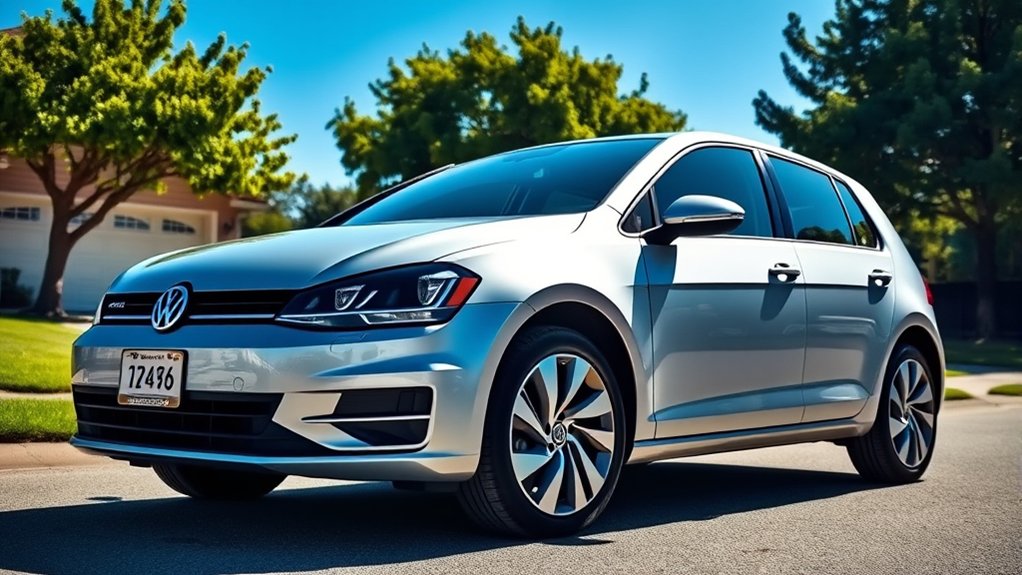
Picture yourself behind the wheel of a Volkswagen Golf, a car known for its reliability, navigating city streets or cruising on the highway with confidence. You might wonder if this car will stand the test of time or if maintenance headaches lie ahead.
Reliability varies across model years and depends heavily on upkeep and driving habits. Before you decide, it’s worth examining which Golfs have proven dependable and what common issues you might face down the road.
Key Takeaways
- Volkswagen Golfs have improved reliability over generations, with newer models generally offering better dependability and build quality.
- Routine maintenance is essential for smooth operation and longevity beyond 100,000 miles.
- Common issues include electrical glitches and transmission concerns, but many problems are preventable with proper care.
- Certain model years, especially 2012, 2015, and 2016, are noted for consistent reliability and durable engine options.
- Ownership costs can be higher than non-European compacts, but many owners report satisfactory performance and reasonable maintenance expenses.
Volkswagen Golf Reliability Over the Years
How has the Volkswagen Golf’s reliability evolved over the years? If you look back, earlier models often faced criticism due to an unreliable design that led to frequent issues. These problems sometimes caught owners off guard, resulting in maintenance surprises that increased ownership costs.
Over time, Volkswagen addressed many of these concerns, improving build quality and component durability. However, some model years still exhibit notable inconsistencies, so you might encounter reliability setbacks depending on the version you choose.
While newer Golfs tend to offer better dependability, it’s essential you remain aware of potential risks tied to specific generations. Understanding this evolution helps you make an informed decision about whether a Volkswagen Golf aligns with your expectations for reliability and maintenance predictability.
Most Reliable Volkswagen Golf Models to Consider
You’ll want to focus on Volkswagen Golf models from the top-performing years known for their consistent reliability. Pay close attention to engine options that have proven durable and require minimal repairs.
Additionally, some features across these models stand out for their long-term dependability, making them smart choices to contemplate.
Top Performing Golf Years
Several Volkswagen Golf model years stand out for their reliability, making them smart choices if you’re considering a dependable used car. Notably, the 2015 and 2016 models consistently receive high marks in reliability ratings, thanks to improved build quality and fewer reported issues.
The 2012 model also performs well, offering solid dependability without the higher price tag of newer versions. When evaluating these top performing Golf years, focus on maintenance records and condition rather than solely model year, as these factors heavily influence long-term reliability.
While exploring two word discussion ideas like “engine performance” or “interior durability” might seem helpful, they can be subtopic irrelevant here. Instead, prioritize comprehensive reliability data to guide your decision on the best Golf year for your needs.
Engine Reliability Overview
Why does engine reliability stand as a crucial factor when choosing a Volkswagen Golf? Because the engine is the heart of your car, directly affecting performance and maintenance costs. Over the years, certain Golf models have demonstrated superior engine reliability.
For instance, the Mk7 Golf, equipped with the 1.8T and 2.0T engines, is known for durable performance and fewer major issues. Additionally, parts availability plays a significant role in maintaining engine reliability; widely available components mean quicker repairs and lower costs.
Conversely, some older models with less common engines may pose challenges due to scarce parts. When selecting a Golf, prioritize models with proven engine reliability and good parts availability to ensure a smoother ownership experience and fewer unexpected expenses.
Common Durable Features
What makes certain Volkswagen Golf models stand out regarding durability? You’ll find that reliable Golfs often feature robust interior plastics, which resist wear and maintain their appearance over time. These materials contribute notably to a vehicle’s long-term appeal and function.
Additionally, durable paint and thoughtful color options protect the exterior against fading and minor scratches, preserving the car’s look. Models from recent years, especially those with upgraded interior plastics and enhanced paint finishes, tend to offer better longevity.
When considering the most reliable Volkswagen Golf models, focus on versions known for these durable features. This approach helps ensure you select a Golf that not only runs well but also withstands daily use without excessive maintenance or cosmetic decline.
Common Volkswagen Golf Problems and Owner Experiences
You’ll want to be aware of some common mechanical issues that Volkswagen Golf owners report, such as electrical glitches and transmission concerns. Understanding these problems can help you gauge what to expect before committing to long-term ownership.
Let’s explore what owners have experienced over the years and how these issues might impact reliability.
Frequent Mechanical Issues
How often do Volkswagen Golfs encounter mechanical problems? While many owners praise their performance, some report frequent issues that can’t be ignored. Unreliable transmissions, in particular, have been a common complaint, often leading to costly repairs.
Additionally, the recall frequency for certain models highlights ongoing concerns with specific components. Here are four frequent mechanical issues you should know about:
- Transmission failures causing rough shifts or complete breakdowns.
- Electrical system glitches affecting lights and infotainment.
- Engine misfires linked to faulty ignition coils or spark plugs.
- Cooling system leaks leading to overheating problems.
Long-Term Ownership Insights
When considering long-term ownership of a Volkswagen Golf, you might wonder which issues tend to surface over time and how they affect overall satisfaction. Commonly reported problems include electrical glitches, such as faulty sensors and infotainment malfunctions, which can be frustrating but often manageable.
Additionally, some owners experience premature wear of suspension components and occasional transmission concerns, particularly in higher-mileage vehicles. Despite these issues, many drivers report high owner satisfaction due to the Golf’s solid build quality, driving dynamics, and fuel efficiency.
Proper maintenance plays a critical role in mitigating long term ownership challenges. By staying proactive with regular service, you can maintain reliability and keep repair costs reasonable. Overall, while not without flaws, the Golf remains a sensible choice for long-term ownership if you stay attentive to upkeep.
Volkswagen Golf Maintenance Costs You Should Know
What factors influence the maintenance costs of a Volkswagen Golf? Understanding these can help you separate reliability myths from maintenance myths. Here are four key factors:
1. Model Year and Engine Type
Newer models often have fewer issues, but parts for turbocharged engines can be pricier.
2. Routine Service Frequency
Regular oil changes and inspections prevent costly repairs, impacting long-term costs.
3. Parts Availability
Volkswagen uses some specialized components, which might increase repair expenses compared to more common vehicles.
4. Labor Costs and Location
Dealership servicing can be more expensive than independent mechanics, affecting your budget.
How the Volkswagen Golf Stacks Up Against Other Compact Cars
Wondering if the Volkswagen Golf stands out among compact cars? When you compare it to rivals like the Honda Civic or Mazda3, the Golf offers a balanced mix of performance, comfort, and reliability.
The Volkswagen Golf strikes a perfect balance of performance, comfort, and reliability among compact cars.
While some two word discussion ideas might focus solely on fuel efficiency or tech features, the Golf consistently delivers across multiple categories. Its solid build quality and European styling often appeal more than some unrelated topics like infotainment quirks or resale value debates.
However, it’s important to note that maintenance costs can be higher than those of some competitors. Overall, the Golf holds its own in the compact segment, providing a dependable and enjoyable driving experience without major compromises.
This makes it a strong contender if you’re weighing your compact car options.
Is the Volkswagen Golf Right for Long-Term Ownership?
How well does the Volkswagen Golf hold up over years of ownership? If you’re considering it for the long haul, understanding reliability myths and setting realistic ownership expectations is essential.
The Golf generally offers solid durability, but maintenance habits and driving conditions play big roles. Here’s what you should weigh:
- Routine maintenance keeps the Golf running smoothly beyond 100,000 miles.
- Some reliability myths exaggerate common issues; many problems are preventable.
- Parts and repairs can be pricier compared to non-European compacts, affecting long-term costs.
- The vehicle’s build quality supports longevity, but electronic components may require attention over time.
Ultimately, the Golf suits owners who prioritize consistent care and are prepared for moderate upkeep expenses.
What Volkswagen Golf Owners Say About Reliability and Satisfaction
Owners often provide the clearest picture of the Volkswagen Golf’s reliability and overall satisfaction. When you listen to actual owners, you’ll find many report consistent performance and reasonable maintenance costs.
However, some mention issues that feed into unreliable rumors, often amplified by online forums or third-party reviews. It’s important to recognize that dealer bias can influence how problems are addressed or perceived, so you should consider multiple sources before drawing conclusions.
Many owners appreciate the Golf’s build quality and driving experience, even if occasional repairs are necessary. By weighing owner feedback alongside professional assessments, you’ll get a balanced understanding of what to expect, helping you make an informed decision about the Golf’s dependability and whether it suits your needs.
Frequently Asked Questions
What Are the Best Engine Options Available in Volkswagen Golfs?
You’ll appreciate the 1.4-liter turbo engine for its engine durability and excellent fuel economy, while the 2.0-liter TSI offers more power with decent efficiency. Both balance performance and long-term reliability well.
How Fuel-Efficient Is the Volkswagen Golf Across Different Models?
Fuel efficiency fluctuates fairly frequently across Volkswagen Golf models, balancing between impressive economy and reliability concerns. You’ll find newer engines offer better mileage, but it’s wise to weigh specific model details before deciding.
Does the Volkswagen Golf Have Advanced Safety Features?
Yes, the Volkswagen Golf includes advanced airbags and lane assist to enhance your safety. These features work together to protect you during collisions and help keep you centered in your lane, improving overall driving security.
What Technology and Infotainment Options Come With the Golf?
You’ll love how the Golf’s infotainment dazzles until tech glitches remind you it’s not perfect. It offers Apple CarPlay, Android Auto, and a touchscreen, but these issues might fuel resale concerns down the road.
How Does the Volkswagen Golf Perform in Different Weather Conditions?
You’ll find the Volkswagen Golf handles rainy conditions well, thanks to its balanced chassis and traction control.
In snow, its performance improves with all-wheel drive, offering better grip, but you should still drive cautiously on icy roads.
Conclusion
Think of the Volkswagen Golf as a trusted compass on your journey—reliable when well-maintained, guiding you smoothly through daily drives. While occasional bumps like electrical quirks or transmission issues may appear, choosing the right model year and staying diligent with upkeep keeps your path clear.
If you value solid engineering and can budget for maintenance, the Golf can be a dependable companion for the long haul, offering a balance of performance and longevity. Overall, Volkswagen Golfs are considered reliable cars when properly cared for, making them a smart choice for many drivers.