Does Oil Change Include Oil Filter
You might think an oil change includes the oil filter, but that’s not always the case. The oil filter plays a critical role in removing contaminants that could damage your engine, so its replacement is often recommended.
However, how service centers handle this can vary considerably, both in procedure and cost. This leaves you to wonder exactly what you’re paying for—and when it’s truly necessary to replace the filter.
Key Takeaways
- Oil changes typically include replacing the oil filter, but this can vary by service center and vehicle type.
- Many service centers bundle oil filter replacement in a flat-fee oil change price, while others charge separately.
- Always confirm with the service provider if the oil filter replacement is included in the oil change service.
- Replacing the oil filter during an oil change ensures optimal filtration and engine protection.
- Filter replacement adds $15 to $40 to the cost, depending on filter quality and labor complexity.
Why Is the Oil Filter Essential During an Oil Change?
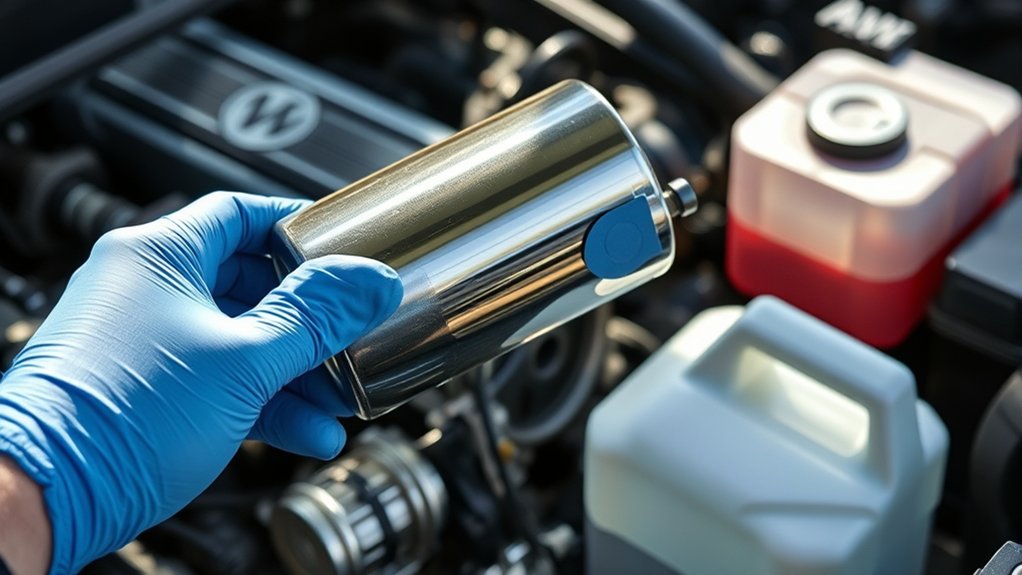
Why does the oil filter play a critical role during an oil change? You rely on the oil filter to trap contaminants like dirt, metal particles, and sludge that accumulate in the oil during engine operation.
Without an effective oil filter, these impurities circulate freely, compromising engine lubrication and accelerating wear on vital components such as bearings and camshafts. The oil filter ensures that only clean oil reaches the engine’s moving parts, maintaining optimal viscosity and reducing friction.
During an oil change, replacing the oil filter is crucial to restore this filtration efficiency. Neglecting the oil filter can degrade engine lubrication quality, leading to overheating and premature engine failure. You must understand that the oil filter is indispensable for preserving your engine’s longevity and performance.
Is the Oil Filter Replaced Every Time You Get an Oil Change?
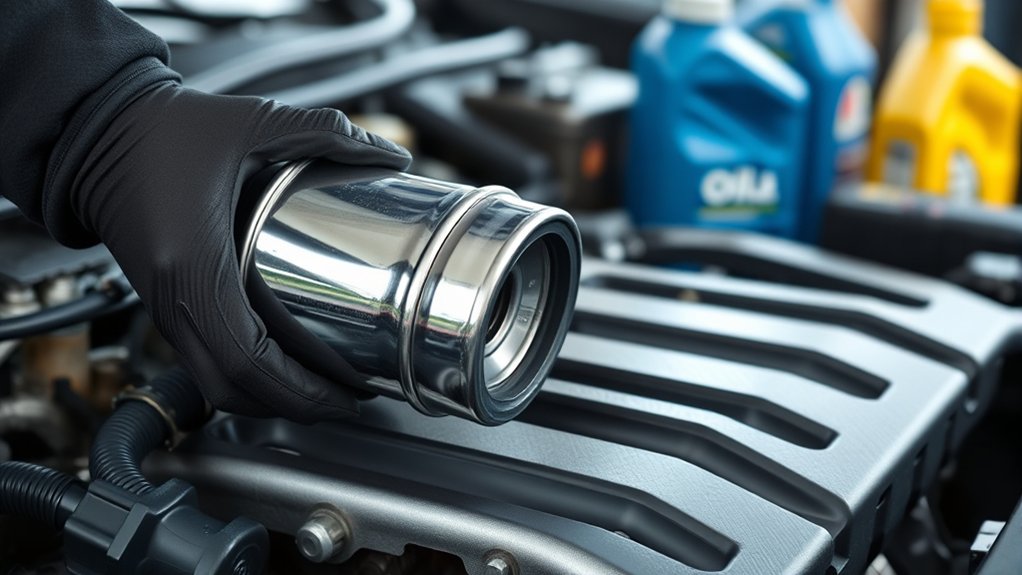
How often should you replace the oil filter during an oil change? Ideally, you should replace the oil filter every time you change your engine oil. The oil filter traps contaminants and metal particles that degrade oil quality.
Using a new oil filter ensures optimal filtration efficiency, preventing harmful debris from circulating in your engine. Skipping filter replacement risks clogging and reduced oil flow, compromising engine performance.
Maintenance tips recommend adhering to your vehicle manufacturer’s guidelines, typically every 3,000 to 7,500 miles, depending on oil type and driving conditions. Consistently replacing the oil filter with each oil change maximizes engine longevity and maintains lubricant purity.
How Do Service Centers Handle Oil Filter Replacement and Fees?
While replacing the oil filter with every oil change is recommended for maintaining engine health, service centers vary in how they handle this task and the associated costs. In many service center practices, the oil filter replacement is bundled with the oil change, included in a flat fee that covers parts and labor.
However, some centers separate the oil filter fee, charging you individually for the filter based on the vehicle’s make and model. Cost considerations depend on filter quality. OEM filters generally cost more than aftermarket options.
Additionally, labor costs factor into the final price, especially if the filter’s location complicates removal. To avoid surprises, you should always confirm with the service center whether the oil filter replacement is included and understand the breakdown of fees before proceeding.
When Should You Change Your Oil Filter?
When do you need to change your oil filter to ensure optimal engine performance? You should replace the oil filter every time you perform an oil change, typically every 3,000 to 7,500 miles, depending on your vehicle and oil type.
Adhering to oil filter maintenance at recommended service intervals prevents contaminants from circulating, which can degrade engine efficiency and cause premature wear. Service interval best practices suggest consulting your owner’s manual or manufacturer guidelines to determine the precise timing.
Neglecting timely oil filter replacement compromises filtration capacity, leading to clogged filters and restricted oil flow. This can cause increased engine friction and overheating.
Consistent oil filter changes, aligned with your oil change schedule, uphold engine longevity and performance by maintaining clean oil circulation.
How Much Does an Oil Change Cost With and Without Oil Filter Replacement?
What factors influence the cost difference between an oil change that includes an oil filter replacement and one that doesn’t? Primarily, the price hinges on the oil filter’s quality and type, labor involved, and the oil volume required.
Replacing the filter adds both parts and labor costs, typically increasing the total by $15 to $40. Beware of oil filter myths suggesting you can skip filter changes without consequence; this can reduce engine protection and raise long-term expenses.
Pricing transparency varies by service providers, so request detailed quotes breaking down oil and filter charges. Without filter replacement, oil changes cost less upfront but risk accelerated engine wear.
Understanding these nuances ensures you make an informed decision balancing cost against engine longevity.
Frequently Asked Questions
Can I Reuse My Old Oil Filter During an Oil Change?
You shouldn’t reuse your old oil filter during an oil change because it risks contamination and poor filtration. Instead, focus on filter compatibility and consider recycling filters properly to maintain engine health and environmental responsibility.
What Are the Risks of Not Changing the Oil Filter?
You risk up to 30% reduced engine efficiency by neglecting oil filter significance. Infrequent replacement allows contaminants to circulate, increasing wear and potential engine failure.
Maintain strict replacement frequency to protect your engine’s longevity and performance.
Are There Different Types of Oil Filters for Various Engines?
Yes, you’ll find different types of filters designed for various engines. You must ensure filter compatibility by matching specifications like size, filtration media, and pressure ratings to maintain optimal engine performance and longevity.
How Long Does an Oil Filter Replacement Take?
Wondering how long it takes to replace your oil filter? Typically, it’s about 15-30 minutes, depending on your vehicle.
Any irrelevant topic or unrelated concept won’t speed up this precise, technical maintenance task.
Can I Change the Oil Filter Myself at Home?
Yes, you can change the oil filter yourself at home. Understanding oil filter relevance is essential for proper home installation, ensuring you remove the old filter, apply oil to the gasket, and securely tighten the new one.
Conclusion
When you get an oil change, you’ll usually replace the oil filter too, since it traps harmful debris and protects your engine. In fact, adding a filter typically costs $15–$40 more, depending on parts and labor. Some shops include it in a flat rate, while others charge separately.
To maintain peak engine performance and filtration efficiency, confirming whether the filter’s included with your oil change is essential. Don’t overlook this key detail when scheduling maintenance. Always ask your service provider: does oil change include oil filter?