How Many Miles Can a f150 Last
You might be surprised to learn that a Ford F-150 can last between 200,000 and 300,000 miles with proper care.
How many miles can a F-150 last depends largely on your maintenance routine and driving habits.
Certain model years and engine types tend to outperform others, but knowing when and how to act can make all the difference.
Understanding these factors can help you get the most from your F-150’s lifespan.
Key Takeaways
- A well-maintained Ford F-150 can typically last between 200,000 to 300,000 miles.
- Model years 2004–2008 and 2009–2014 are known for durability and high mileage capability.
- Regular maintenance, including oil changes every 5,000 miles, extends the truck’s lifespan significantly.
- Aggressive driving and excessive towing reduce the F-150’s overall longevity.
- Signs like frequent repairs and reduced fuel efficiency indicate the truck may be nearing end of life.
Expected Mileage for a Ford F-150
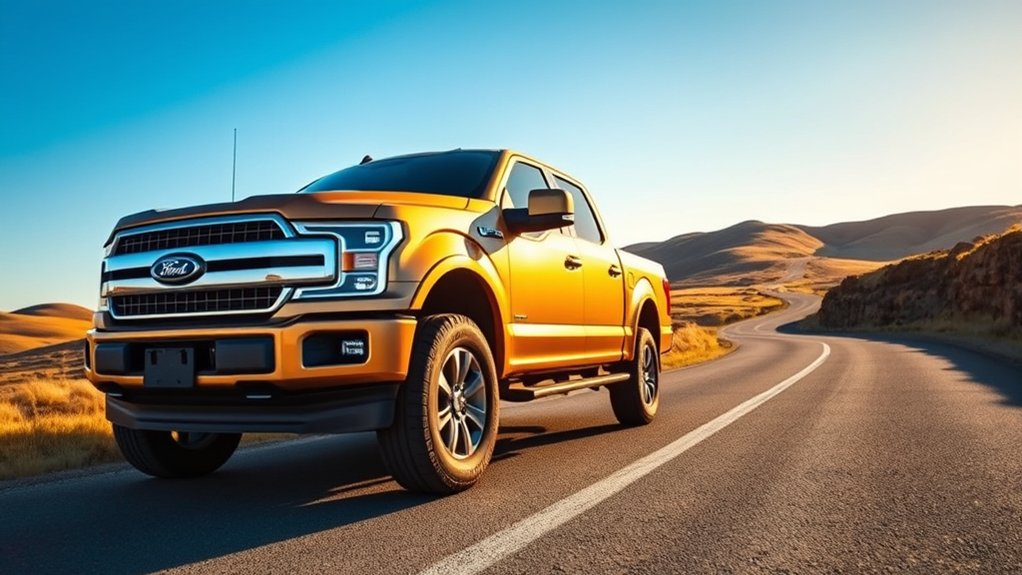
How long can you expect your Ford F-150 to last on the road? Typically, a well-maintained F-150 can reach 200,000 to 300,000 miles, depending on usage and care.
A well-maintained Ford F-150 typically lasts between 200,000 and 300,000 miles.
You should consider how luxury features like advanced electronics and comfort options may affect long-term maintenance costs. While these features enhance the driving experience, they sometimes increase complexity and potential repair expenses.
Also, think about the ecosystem impacts of keeping your truck running longer versus replacing it with a newer, more fuel-efficient model. Extended use of older vehicles can increase emissions, whereas newer models often have improved environmental standards.
Balancing expected mileage with maintenance and environmental considerations will help you make an informed decision about your F-150’s lifespan.
F-150 Model Years With Proven Longevity
You’ll find certain F-150 model years stand out for their durability and ability to reach high mileage. Identifying these years can help you choose a truck built to last.
Let’s explore which models have the best track record for longevity.
Longest Lasting F-150 Models
Which Ford F-150 model years have earned a reputation for exceptional durability? You’ll often hear about the 2004-2008 and 2011-2014 models standing out for long term durability. These trucks frequently appear in fleet maintenance programs due to their proven reliability and lower total cost of ownership.
You can expect robust engines and durable components that withstand heavy use over time. The 2004-2008 models feature well-tested V8 engines, while 2011-2014 models introduced improvements in fuel efficiency and structural strength.
When selecting an F-150 for longevity, focusing on these model years can reduce your maintenance hassles and extend service life. Their reputation is backed by owner reports and fleet data showing fewer major repairs compared to other years, making them smart choices for long-term use.
High Mileage F-150 Years
When can you expect an F-150 to reach high mileage without major issues? Generally, F-150 models from 2009 to 2014 are known for their proven longevity, frequently surpassing 200,000 miles with proper care. These years benefit from improved engine designs and durable components that handle wear well.
However, reaching high mileage depends heavily on consistent maintenance. You should anticipate maintenance costs to rise as mileage increases, especially after 150,000 miles, with potential repairs to the transmission, suspension, or fuel system.
Still, if you keep up with routine servicing and address minor problems promptly, these F-150 years can remain reliable and efficient. Choosing a model with a documented service history helps minimize unexpected expenses and maximizes the truck’s lifespan at high mileage.
Maintaining Your F-150 to Maximize Lifespan
To maximize your F-150’s lifespan, you need to stay on top of regular oil changes, as they keep the engine running smoothly.
Paying attention to tire care helps maintain safety and fuel efficiency over time. Additionally, following scheduled engine inspections can catch potential issues early, preventing costly repairs down the road.
Regular Oil Changes
How often should you change the oil in your F-150 to keep it running smoothly? Generally, Ford recommends an oil change every 7,500 to 10,000 miles under normal driving conditions.
Sticking to this schedule ensures the engine stays lubricated, reducing wear and preventing costly damage. Avoid drifting into irrelevant topics like unrelated discussion about other maintenance tasks during oil changes. Focus solely on oil quality and intervals.
Using the right type of oil for your engine and regularly checking levels between changes further protects your truck’s longevity. Neglecting oil changes leads to sludge buildup, overheating, and engine failure, drastically shortening your F-150’s lifespan.
Tire Care Importance
Why does tire care play a pivotal role in extending your F-150’s lifespan? Proper tire maintenance directly affects your truck’s safety, fuel efficiency, and overall performance.
Neglecting tire care leads to uneven tread wear, reducing tread depth faster and increasing the risk of tire abuse. This abuse can cause premature tire failure, affecting handling and stressing suspension components.
Regularly checking tire pressure and alignment prevents uneven wear patterns, preserving tread depth and ensuring optimal contact with the road. Rotating tires at recommended intervals evenly distributes wear, extending tire life.
Scheduled Engine Inspections
Maintaining your F-150’s tire health is just one part of preserving its overall performance and longevity. Equally important are scheduled engine inspections, which help you monitor and address engine wear before it leads to costly repairs.
By following the manufacturer’s recommended inspection intervals, you can identify issues like oil leaks, worn belts, or damaged components early. These inspections ensure critical engine parts function optimally and prevent deterioration that shortens your truck’s lifespan.
Skipping scheduled inspections increases the risk of undetected engine wear, reducing reliability and efficiency. To maximize your F-150’s mileage, stay consistent with these check-ups and address any concerns promptly.
This proactive approach maintains engine integrity and supports your vehicle’s long-term durability.
Mechanical Issues That Limit F-150 Mileage
What factors can cause your F-150 to reach its mileage limits sooner than expected? Mechanical issues like a dry clutch or clogged exhaust port can significantly reduce engine efficiency and lifespan. These problems strain the drivetrain and increase wear, accelerating the decline of your truck’s performance.
Understanding common mechanical failures helps you anticipate costly repairs.
| Component | Common Issue | Impact on Mileage |
|---|---|---|
| Clutch | Dry clutch wear | Transmission slippage, loss of power |
| Exhaust System | Blocked exhaust port | Reduced engine efficiency, overheating |
| Engine | Oil leaks, worn seals | Increased friction, potential engine failure |
Addressing these issues promptly preserves your F-150’s durability and extends its operational life.
Driving Habits That Affect F-150 Longevity
How you drive your F-150 directly influences its lifespan and overall reliability. Aggressive driving, such as rapid acceleration and hard braking, increases wear on engine components and decreases engine longevity.
Consistently towing beyond your truck’s capacity strains the drivetrain and suspension, accelerating mechanical degradation. On the other hand, maintaining steady speeds and avoiding sudden stops reduces stress on vital parts.
Cold starts followed by immediate heavy acceleration can cause premature engine wear, so allowing your engine to warm up is beneficial. Additionally, regularly using cruise control on highways promotes consistent driving habits, which supports engine longevity.
Which F-150 Engines Last the Longest?
Which F-150 engine will serve you best depends largely on your priorities for durability and performance. The 5.0L V8 is renowned for its robust construction and longevity, often surpassing 200,000 miles with proper maintenance.
The 3.5L EcoBoost V6 offers a balance of power and efficiency but may require more frequent repairs, potentially raising costs for body repair and mechanical upkeep. Opting for an extended warranty can safeguard you against unexpected expenses, especially if you choose a turbocharged engine like the EcoBoost.
The 3.3L V6, while less powerful, tends to be reliable and easier to maintain. Ultimately, your choice should reflect how you weigh long-term durability against performance needs and potential repair costs to maximize your F-150’s lifespan.
Signs Your F-150 Is Nearing the End of Its Life
When does your F-150 start showing clear signs that its lifespan is winding down? Recognizing these signs early helps you avoid surprises. Unlike unrelated topic discussions or off topic ideas, focusing on specific symptoms is essential.
- Frequent Mechanical Failures: Repeated engine or transmission issues indicate aging components.
- Excessive Rust and Corrosion: Structural integrity weakens as rust spreads extensively.
- Reduced Fuel Efficiency: A noticeable drop in mileage suggests engine wear.
- Persistent Warning Lights: Dashboard alerts that don’t resolve after repairs signal deeper problems.
Spotting these signs means your F-150 is nearing the end of its life. Avoid confusing unrelated topic or off topic ideas with actual mechanical symptoms to make informed decisions about your truck’s future.
Tips to Extend the Life of Your Ford F-150
Why should you invest effort into maintaining your Ford F-150? Just like crafting metaphors, maintaining your truck requires precision and care to enhance its lifespan. Think of your F-150 as a canvas, where color psychology reminds you to pay attention to signs, like engine sounds or warning lights, that signal needed care. Following a structured maintenance routine turns abstract care into actionable steps.
| Task | Frequency | Impact on Longevity |
|---|---|---|
| Oil Change | Every 5,000 miles | Keeps engine lubricated |
| Tire Rotation | Every 7,500 miles | Ensures even tire wear |
| Brake Inspection | Every 10,000 miles | Maintains safety and performance |
| Fluid Check | Monthly | Prevents overheating, corrosion |
Stick to these tips and your F-150 will keep performing strong for many miles.
When to Replace Your High-Mileage F-150
How do you know if it’s time to replace your high-mileage Ford F-150? Paying attention to key two word ideas1 can guide your decision. Here are four signs to watch for:
- Frequent Repairs: If repair costs exceed the truck’s value, it’s a strong indicator to consider replacement.
- Decreased Performance: Noticeable dips in power, fuel efficiency, or handling suggest underlying issues.
- Safety Concerns: Aging components like brakes or airbags that fail inspections signal risk.
- Technological Obsolescence: Outdated features may affect usability and value, making two word ideas2 relevant.
Evaluating these factors objectively helps you decide whether to invest in maintenance or opt for a newer model.
Your F-150’s longevity depends on balancing cost and reliability.
Frequently Asked Questions
How Does F-150 Resale Value Change With High Mileage?
You’ll see how mileage impacts resale as high mileage usually lowers value, but regular upkeep boosts it. Following high mileage maintenance tips, like timely oil changes and inspections, helps preserve your F-150’s resale appeal.
Are There Common Aftermarket Upgrades for Older F-150s?
You’ll find that 40% of older F-150 owners install aftermarket engines or performance chips to boost power and efficiency. These upgrades can extend your truck’s life and improve resale value if done properly and with quality parts.
What Are the Best Tires for Extending F-150 Lifespan?
You should choose all-terrain tires with reinforced sidewalls to prevent bulging tires, which cause uneven wear. Proper tires improve fuel economy, reducing strain on your F-150’s engine and extending its overall lifespan effectively.
How Does Climate Affect the Durability of an F-150?
You’ll find climate durability varies; harsh weather impact like extreme heat or salty roads gently challenges your F-150’s components. Regular care helps you maintain optimal performance despite these natural stressors, preserving your truck’s longevity.
Can F-150 Mileage Affect Insurance Rates?
Yes, your F-150’s mileage can affect insurance rates. Higher mileage often means increased risk, influencing insurance implications.
Insurers use mileage thresholds to adjust premiums, so keep your miles moderate to potentially lower your insurance costs.
Conclusion
You might think your Ford F-150 will outlast your favorite pair of worn-out boots—and with proper care, it just might. But don’t wait until the engine sounds like a rattlesnake or the brakes feel like marshmallows.
By sticking to regular maintenance and sensible driving habits, you’ll keep your truck rolling well past 200,000 miles.
After all, a reliable F-150 isn’t just a vehicle—it’s the hardworking partner that refuses to quit before you do. With the right attention, your Ford F-150 can last many miles, proving its durability time and again.