What Does the F in f150 Stand for
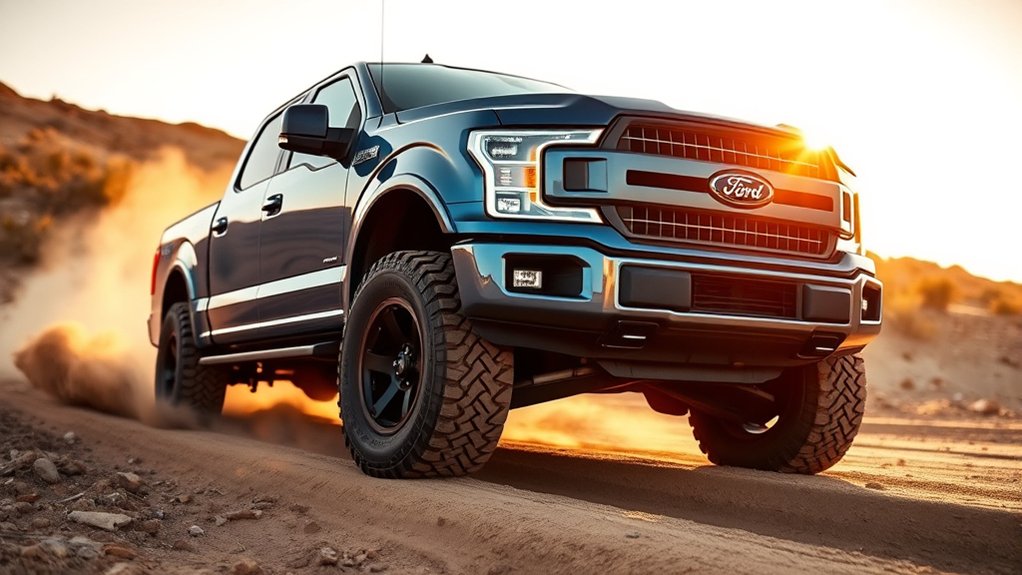
You recognize the F-150 as a Ford truck, and the main keyword here is the “F” in F150. You see the “F” as more than just a letter, understanding it marks a specific place in Ford’s lineup.
The “F” stands for Ford, tying the model to the brand’s broader F-Series family. But the story behind this simple letter reveals how Ford built a legacy of strength, durability, and trust.
There’s more to uncover about how this naming shapes the truck’s identity and why the F-150 remains an icon in the automotive world.
Key Takeaways
- The “F” in F-150 stands for Ford, linking the model directly to the manufacturer.
- It signifies Ford’s series of trucks within the brand’s lineup.
- The letter “F” serves as a foundational identifier for Ford’s truck series globally.
- The naming convention connects the F-150 to Ford’s broader truck heritage.
- The “F” denotes Ford’s truck classification in alignment with global naming practices.
What Does the “F” in F-150 Mean?
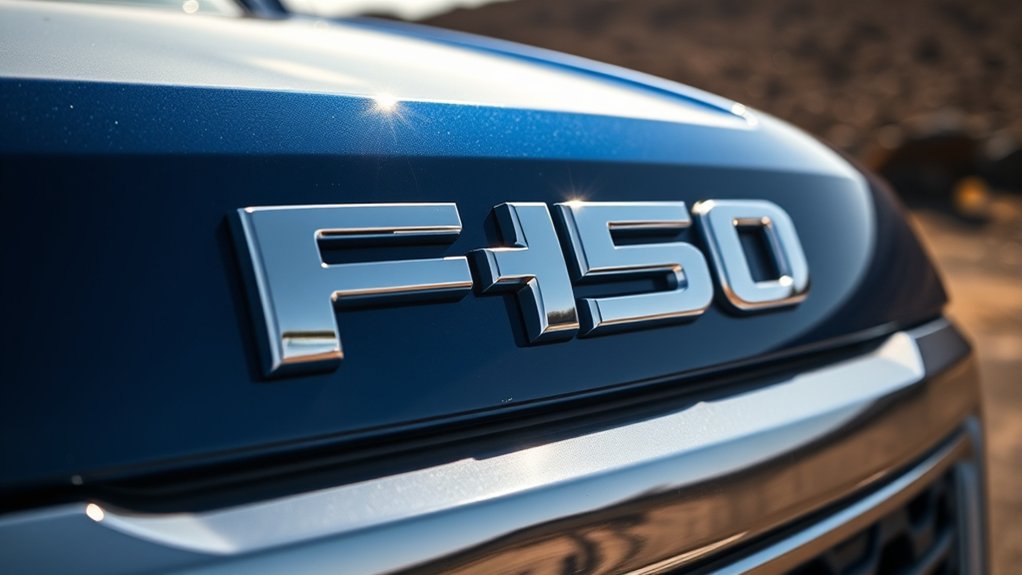
The “F” in F-150 stands for “Ford,” directly linking the model to its manufacturer. When you ask what does the “f” stand for, it’s essentially an abbreviation representing Ford’s series of trucks.
This naming convention helps categorize the line within the brand’s broader vehicle offerings. The F-150 is part of the F-Series, which includes various trucks differentiated by numbers indicating size and capability.
Understanding this helps you recognize the model’s place in Ford’s lineup, showing how the letter “F” signals its identity. While the evolution of naming will be covered later, it’s clear that the “F” serves as a foundational identifier for Ford’s trucks, emphasizing their heritage and role in the company’s vehicle classification system.
How the F-Series and F-150 Naming Evolved
How did the F-Series and F-150 naming system come to represent such an iconic line of trucks? You’ll find that this two word discussion idea centers on Ford’s practical approach to model differentiation and market segmentation. The “F” originally stood for “Ford,” but the numbers indicated payload capacity tiers, evolving alongside consumer needs and truck capabilities.
Here’s a two word discussion idea summary of the naming evolution:
- Started in 1948 with the F-1, denoting half-ton trucks
- Transitioned to F-100 in the 1950s to better describe payload
- Introduced the F-150 in 1975 for three-quarter-ton capacity
- Numbering adjusted to reflect performance and durability improvements
- Naming convention maintained consistency to support brand recognition
This clear, structured naming helped you identify the right truck for your needs quickly.
Key Features That Set the F-150 Apart
Understanding the F-150’s naming history gives you insight into its evolution, but what truly distinguishes this truck are the features engineered to meet diverse demands. You’ll find that the F-150 incorporates advanced drivetrain innovations, such as selectable four-wheel drive and torque vectoring, enhancing traction and control across various terrains.
These technologies improve performance whether you’re off-roading or hauling heavy loads. Additionally, the truck’s impressive payload capacity allows you to carry substantial weight safely, a crucial factor for work or recreation. The F-150 also integrates lightweight aluminum body panels to boost fuel efficiency without sacrificing strength.
Together, these features create a versatile, durable vehicle designed to adapt to your specific needs, setting the F-150 apart from other pickups in its class.
Why the F-150 Name Stands Out Among Pickups
What makes the F-150 name resonate so strongly among pickup enthusiasts? Its distinctiveness lies in a blend of aesthetic branding and adherence to global naming conventions, making it instantly recognizable. The “F” symbolizes Ford’s truck series, while “150” denotes its position within the lineup.
This combination creates a clear, structured identity that appeals worldwide.
You’ll notice these key factors that make the F-150 name stand out:
- Consistency with Ford’s alphanumeric system for easy identification
- Clear hierarchy indicating truck size and capability
- Strong brand association enhancing market trust
- Simplicity aligned with global automotive naming trends
- Visual balance contributing to memorable aesthetic branding
Together, these elements ensure the F-150 remains a standout name in the pickup segment.
How Ford’s Naming Shapes Its Truck Lineup
Why does Ford’s naming system matter so much when you look at their truck lineup? Understanding the F 150 heritage helps you see how the naming evolution clarifies each model’s capability.
Ford’s system categorizes trucks by weight class and utility, guiding you to the right fit for your needs. The numbers reflect payload and towing strength, while the “F” ties back to Ford’s longstanding legacy.
| Model | Weight Class | Payload Capacity | Towing Capacity | Primary Use |
|---|---|---|---|---|
| F-150 | Light | Up to 3,325 lbs | Up to 14,000 lbs | Everyday & Work |
| F-250 | Medium | Up to 4,260 lbs | Up to 15,000 lbs | Heavy-duty Tasks |
| F-350 | Heavy | Up to 7,850 lbs | Up to 21,000 lbs | Commercial & Towing |
| F-450 | Super Heavy | Up to 8,900 lbs | Up to 22,800 lbs | Extreme Loads |
| F-550 | Extra Heavy | Up to 10,000 lbs | Up to 23,000 lbs | Professional Use |
This structure makes it easier to compare models and understand Ford’s truck lineup at a glance.
Frequently Asked Questions
What Engine Options Are Available for the Ford F-150?
You’ll find diverse engine options across F-150 trim levels, including V6, V8, and turbocharged EcoBoost engines. These powertrains offer varying performance, fuel efficiency, and towing capabilities to fit your specific driving needs.
How Does the F-150 Compare to Other Ford Trucks?
While other Ford trucks excel in ruggedness or luxury, the F 150 strikes a perfect balance. You’ll find it versatile within the Ford lineup, combining powerful performance with practical design. This makes the F 150 name legendary and respected.
What Is the Fuel Efficiency of the F-150?
You’ll find the F-150’s fuel efficiency varies by engine, averaging 20-25 MPG combined. Avoid unrelated discussion or off-topic ramblings, and focus on detailed specs to understand how it balances power and economy effectively.
Are There Electric Versions of the Ford F-150?
Just like a knight upgrading his armor with new tech, you’ll find the Ford F-150 Lightning boasting an electric drivetrain powered by advanced battery technology. It delivers impressive range and performance while embracing modern sustainability standards.
What Safety Features Come Standard on the F-150?
You’ll appreciate the F-150’s safe design, which includes advanced airbags, stability control, and rearview cameras. These features enhance your safety while maintaining impressive curb appeal, blending functionality with a stylish, confident appearance on the road.
Conclusion
Now that you know the “F” in F-150 stands for Ford and highlights its place in the F-Series lineup, you can see how this simple letter carries a legacy of strength and reliability.
Like a sturdy anchor, the name grounds the truck’s identity in decades of innovation and toughness. Understanding this helps you appreciate why the F-150 isn’t just a name—it’s a symbol of Ford’s commitment to quality and durability in every mile.
In conclusion, the “F” in F-150 represents more than just a letter; it embodies the heritage and excellence that Ford has built into every truck.