How to Open Tonneau Cover When Tailgate Wont Open
If your tailgate won’t open but you need to open the tonneau cover, start by methodically inspecting for common issues like debris, rust, or misalignment that might be causing the jam.
Check the latch and lock mechanisms carefully, and consider how the tonneau cover’s design might allow release without opening the tailgate.
Understanding these steps is essential before moving on to more involved solutions or manual overrides.
Key Takeaways
- Inspect the tonneau cover tracks and locking mechanism for debris, ice, or damage using a flashlight before attempting to open.
- Apply a suitable lubricant to hinges, tracks, and latch to reduce friction and ease movement.
- Locate and engage the manual release mechanism under the cover or inside the bed walls to unlock the tonneau cover.
- Use gentle, steady pressure to lift or slide the tonneau cover without forcing or damaging seals.
- If the tailgate lock is electronic, manually override the actuator by disconnecting the battery and accessing the actuator behind the tailgate panel.
Quick Fixes When Your Tailgate Won’t Open With the Tonneau Cover
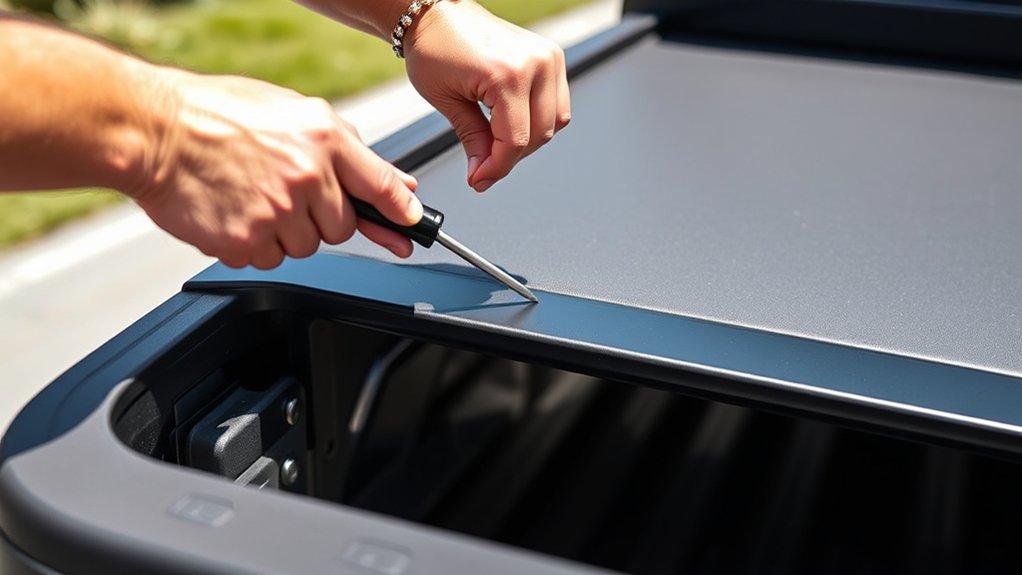
What should you do if your tailgate won’t open because the tonneau cover is stuck? First, identify if the cover’s locking mechanism or tracks are obstructed. Use a flashlight to inspect for debris, ice, or damaged components causing the blockage.
Employ a lubricant recommended for automotive parts on hinges and tracks to reduce friction. Avoid mixing unrelated concepts like electrical issues unless directly linked to the locking system.
Sometimes, cross topic ideas such as weather impact on materials help; freeze-thaw cycles can cause sticking. Gently attempt to release the cover by applying slight pressure while lifting or sliding it, ensuring not to force and cause damage.
These methodical steps focus on mechanical causes, steering clear of tailgate latch or lock troubleshooting for now.
How to Check Your Tailgate Latch and Lock
How exactly do you determine if your tailgate latch and lock are functioning properly? Begin with a thorough tailgate inspection to identify visible damage or debris that could impair operation. Next, perform targeted lock maintenance to ensure smooth movement and security.
Follow this methodical approach:
- Visually inspect the latch mechanism for rust, dirt, or misalignment. Clean and lubricate as necessary.
- Test the lock cylinder using the key; it should turn smoothly without resistance or sticking.
- Operate the latch manually while observing if it engages and releases correctly without binding.
This precise evaluation pinpoints mechanical faults or lock failures, guiding your next steps in restoring proper function to your tailgate and tonneau cover.
Tools to Open a Stuck Tailgate Safely
Once you’ve confirmed that the tailgate latch and lock are not the source of the issue, you’ll need specific tools to open a stuck tailgate safely. Begin with a quality lubricant. Choose one designed for metal components to ensure proper lubricant selection and prevent damage.
Apply it carefully to the latch mechanism to reduce friction. Use a plastic pry tool or trim removal tool to gently create space around the edges without scratching the surface, prioritizing tailgate safety. Avoid metal tools that can cause damage.
A flexible wire or hook tool can assist in manipulating internal components if accessible through gaps. Always wear gloves and eye protection to avoid injury. Methodical, controlled actions minimize risk and maintain the tailgate’s integrity while resolving the jam.
Releasing the Tonneau Cover Without Opening the Tailgate
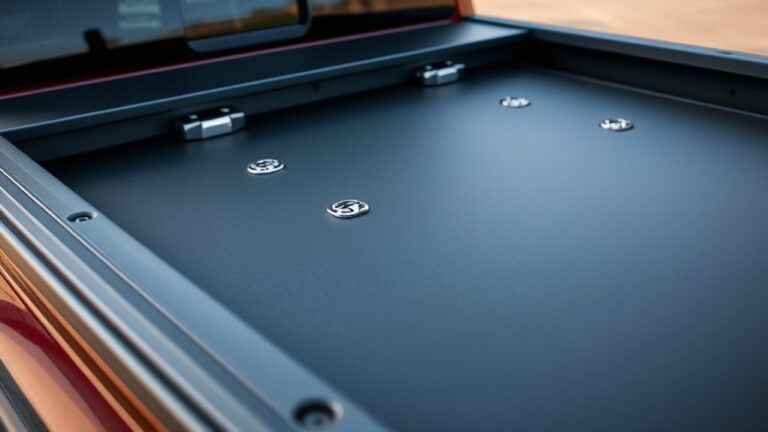
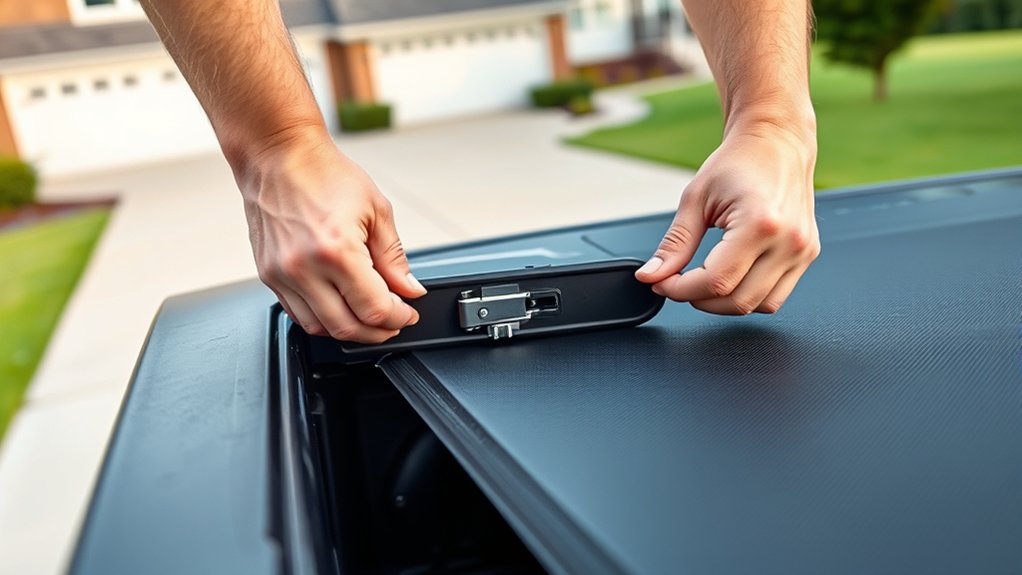
You can release the tonneau cover manually without opening the tailgate by locating the manual release mechanism, typically found beneath the cover or inside the truck bed walls.
If the manual release is inaccessible, consider alternative access methods such as reaching through the cab or using specialized tools designed for your cover model. Understanding these options will help you regain access efficiently and prevent damage.
Manual Release Mechanism
Where can you find the manual release mechanism on your tonneau cover when the tailgate won’t open? Typically, it’s located near the locking system or under the cover’s edge, designed for emergency access without tailgate operation.
To engage it, follow these steps:
- Locate the manual release cable or lever, often concealed to avoid accidental activation.
- Pull or slide the mechanism steadily to disengage the locking system.
- Lift the tonneau cover carefully once unlocked, ensuring no damage to seals or hinges.
This method bypasses electronic locks and removes the need for two word discussion ideas or nonessential topics that complicate access. Focus solely on the manual release to regain control, avoiding distractions.
Understanding this precise mechanism ensures efficient, damage-free opening when electronic or tailgate options fail.
Alternative Access Methods
How can you release a tonneau cover when the tailgate remains securely closed? First, examine the cover’s latch system for secondary access points, often designed for emergencies. Use a slim tool to carefully disengage the locking mechanism from the side panels without forcing the tailgate.
This method preserves the integrity of your tuning suspension by avoiding abrupt jarring motions that could misalign it. Additionally, consider temporarily removing or loosening clamps securing the cover near the cab, allowing partial rolling or folding back.
This approach ensures you maintain your vehicle’s fuel economy by preventing damage that might increase drag. Always proceed methodically, applying steady pressure and monitoring for any resistance to avoid compromising the cover or tailgate components during alternative access.
Freeing a Jammed Lock With Lubricant
You’ll need to select a lubricant designed for locks, such as graphite or a silicone-based spray, to avoid residue buildup. Apply it sparingly into the keyhole and moving parts, allowing it to penetrate before attempting to move the lock mechanism.
After application, test the lock’s movement carefully to determine if additional lubrication or intervention is necessary.
Choosing The Right Lubricant
Which lubricant works best to free a jammed tonneau cover lock? Selecting the proper lubricant is crucial for effective operation and preserving tonneau compatibility. You want a lubricant that won’t degrade seals or interfere with latch ergonomics.
Consider these options:
- Graphite Powder: Dry, non-greasy, ideal for locks without attracting dirt, maintaining smooth latch action.
- Silicone Spray: Provides a thin, water-resistant coating compatible with most tonneau materials and resistant to dust buildup.
- Teflon-Based Lubricants: Offers long-lasting lubrication and excellent corrosion resistance, enhancing latch ergonomics by reducing friction.
Avoid heavy oils that can gum up mechanisms or damage tonneau cover fabrics. Choose a lubricant matching your lock’s design and environmental conditions for optimal performance.
Applying Lubricant Properly
Where should you apply lubricant to free a jammed tonneau cover lock effectively? Focus on the lock cylinder, keyway, and latch mechanism. Begin with a targeted lubricant application using a precision nozzle or needle applicator to avoid excess.
Insert the lubricant directly into the keyhole, allowing it to penetrate internal components. Next, apply lubricant to the latch’s moving parts, ensuring smooth engagement. Avoid spraying broadly to prevent attracting dirt or debris.
After application, let the lubricant settle for a few minutes. This pause is like the dawn chorus in nature, signaling the start of smooth operation. Properly timed and precise lubricant application minimizes wear and restores function without causing buildup, setting the stage for restoring your tonneau cover’s mobility efficiently.
Testing Lock Movement
How can you determine if the lubricant has effectively freed the jammed lock? Start by testing lock movement cautiously. First, insert the key and gently turn it to feel for any resistance reduction.
Second, observe the lock’s physical response. Does it rotate smoothly without sticking? Third, examine alignment between the lock cylinder and the latch mechanism; ensure components engage without misalignment or binding.
If resistance persists, apply lubricant again and repeat the process. Throughout testing lock movement, maintain focus on precise, controlled actions to avoid damaging the lock.
Properly examining alignment during each attempt confirms that the lubricant is restoring the mechanism’s functionality. This methodical approach ensures you accurately assess the lock’s condition and progress toward freeing the jammed lock effectively.
Manually Overriding Electronic Tailgate Locks
Why won’t your electronic tailgate lock release when you need to open the tonneau cover? Modern locks rely on complex routing algorithms and quantum encryption to secure access. When these systems malfunction or lose power, the lock remains engaged.
Electronic tailgate locks use advanced encryption, and power loss or malfunctions can keep them stubbornly engaged.
To manually override, first disconnect the truck’s battery to cut power and prevent accidental locking. Locate the lock actuator behind the tailgate panel; you’ll need to remove interior trim carefully.
Use a manual override tool or a flathead screwdriver to disengage the actuator’s locking mechanism physically. This bypasses the electronic controls, allowing you to open the tailgate despite the failed encryption signals.
Always follow your vehicle’s service manual for precise instructions to avoid damaging electronic components or voiding warranties during the override process.
Accessing Your Truck Bed When the Tailgate Is Jammed
If manual override of the electronic tailgate lock doesn’t resolve the issue, you’ll need to address situations where the tailgate itself is physically jammed. Consider how weather patterns may have caused rust or swelling, obstructing movement.
Urban planning often influences exposure to environmental factors, which can accelerate tailgate wear.
To access your truck bed:
- Inspect the edges for debris or rust buildup that may cause jamming.
- Apply a penetrating lubricant to hinges and locking mechanisms to loosen seized components.
- Use a pry tool carefully between the tailgate and bed to gently free any swollen or misaligned parts.
Approach this methodically, ensuring you don’t damage seals or the tonneau cover, as these elements maintain truck bed integrity amid varying urban weather conditions.
DIY Temporary Fixes for a Jammed Tailgate or Tonneau Cover
Start by identifying the exact spot where the tailgate or tonneau cover is jammed to target your efforts effectively. Use lubricants sparingly and choose ones compatible with your truck’s materials to avoid damage.
Then, apply controlled, gentle force to free the mechanism without causing further issues.
Assessing the Jam Location
Where exactly is the tailgate or tonneau cover stuck? Begin your jam assessment by conducting a systematic latch diagnostics to pinpoint the obstruction.
First, inspect the latch mechanism itself for visible debris or damage that might hinder movement. Second, check the alignment between the tailgate and the tonneau cover; misalignment often causes binding.
Third, examine the locking rods and cables inside the tailgate if accessible, as these components can seize or disconnect. Use a flashlight to illuminate dark areas and gently manipulate parts to detect resistance or unusual stiffness.
Document your findings clearly, focusing on the exact jam location to guide your next steps effectively. This methodical approach ensures you address the root cause rather than symptoms, optimizing your chances for a successful DIY fix.
Using Lubricants Safely
Once you identify the specific jam location, applying lubricants can help free the stuck components of your tailgate or tonneau cover. Use a high-quality silicone or graphite lubricant designed for automotive locks and hinges. Avoid oil-based lubricants that attract dust and dirt, which can worsen the problem, especially if your vehicle has dusty tires from recent off-road use.
Before application, clean the area with a dry cloth to remove debris. Spray sparingly into the latch mechanism and hinges, ensuring even coverage without excess run-off. After applying, operate the tailgate or cover gently to distribute the lubricant throughout moving parts.
Perform this procedure in a well-lit area to avoid missing spots. Nighttime grilling might delay your task, so plan accordingly. Proper lubricant use prevents further damage and restores function temporarily.
Applying Gentle Force Methods
How can you safely apply gentle force to free a jammed tailgate or tonneau cover without causing damage? Start by assessing the situation to avoid worsening an unreliable latch or increasing corrosion risk. Then, follow these steps methodically:
- Apply steady, moderate pressure near the latch area using your palm to test if it loosens without forcing.
- Use a rubber mallet to gently tap around the edges, focusing on spots where corrosion might be causing adhesion.
- Carefully rock the tailgate or cover side to side, distributing force evenly to prevent bending or warping.
Avoid sharp impacts and excessive force; these can damage the latch mechanism or worsen corrosion. This methodical approach helps restore functionality temporarily until proper repairs address the underlying issue.
When to Call a Professional for Tailgate or Tonneau Problems
When should you call a professional for tailgate or tonneau cover issues? If you’ve tried basic troubleshooting and gentle force methods without success, it’s time to seek expert help.
Complex problems often stem from intricate tailgate design elements or malfunctioning tonneau mechanics that require specialized tools and knowledge. Professionals can accurately diagnose issues like broken latches, misaligned hinges, or internal lock failures that aren’t visible or accessible to you.
Attempting repairs without expertise may worsen damage or void warranties. Additionally, if electronic components control your tonneau cover or tailgate, a technician can safely handle electrical diagnostics and repairs.
Prioritize professional intervention when you encounter resistance beyond normal operation or suspect structural damage to ensure reliable, long-term functionality.
Tips to Prevent Future Tailgate and Tonneau Cover Issues
Why should you prioritize regular maintenance for your tailgate and tonneau cover? Consistent upkeep prevents costly failures and ensures smooth operation. Start with routine tailgate diagnosis to detect early signs of wear or misalignment. Follow these essential steps:
Prioritize regular tailgate and tonneau cover maintenance to prevent costly issues and ensure smooth, reliable use.
- Inspect and clean locking mechanisms monthly to avoid debris buildup that impedes function.
- Apply lubricant safely, using manufacturer-recommended products that ensure lubricant safety and prevent damage to seals or paint.
- Check hinge and latch integrity quarterly, tightening or replacing components as needed to maintain proper alignment.
Frequently Asked Questions
What Types of Tonneau Covers Are Easiest to Open Without the Tailgate?
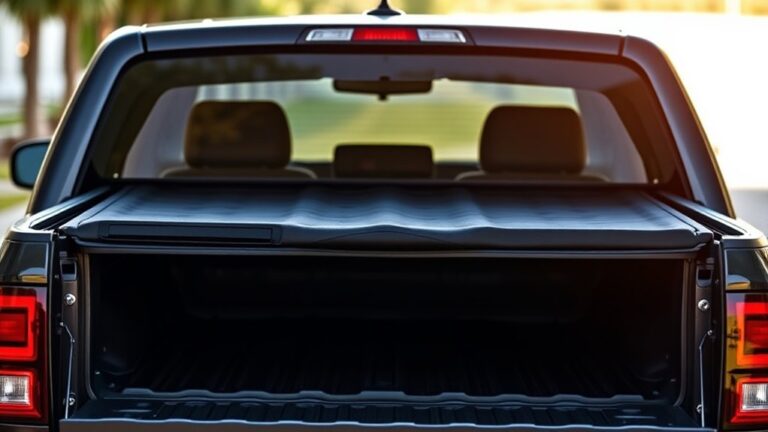
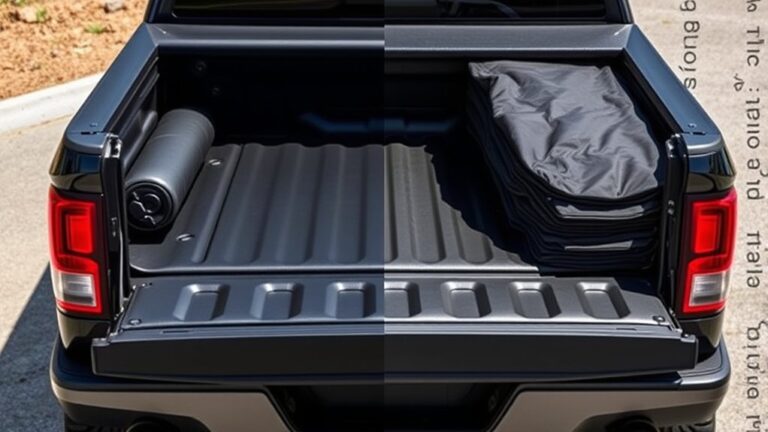
Soft roll-up tonneau covers with exterior latch mechanisms and quick release straps are easiest for you to open without the tailgate. They allow direct access, enabling efficient operation without needing tailgate movement or tools.
Can a Tonneau Cover Damage the Tailgate if Forced Open?
Over 30% of tailgate damage cases stem from forcing covers open. To avoid potential damage, you should perform a careful diagnostic of hinges and latches before applying pressure. This ensures you preserve your truck’s structural integrity.
How Do Weather Conditions Affect Tonneau Cover and Tailgate Function?
You’ll find weather-related factors like moisture, temperature, and UV exposure directly impact material durability, causing expansion, contraction, or corrosion. These changes can hinder your tonneau cover and tailgate function, requiring routine maintenance and inspections.
Are There Aftermarket Tailgate Solutions Compatible With Tonneau Covers?
Like finding a missing puzzle piece, you’ll uncover aftermarket tailgate solutions designed for compatible tonneau covers. These options guarantee seamless integration, improved security, and functionality.
They let you methodically upgrade without compromising your truck’s efficiency.
What Materials Are Tonneau Covers Typically Made From?
Tonneau covers typically use materials like vinyl, fiberglass, or aluminum. You’ll notice rubber seals ensure tight closure, while suspension adjustments prevent sagging, maintaining optimal tension and protecting cargo from weather and debris effectively.
Conclusion
When your tailgate won’t open, remember that “a stitch in time saves nine.” Start with careful inspection, lubrication, and gentle pressure to avoid worsening the jam. Use proper tools and access manual overrides if needed, but don’t force anything destructively.
If these methodical steps don’t work, call a professional to prevent costly damage. Regular maintenance and timely fixes will keep your tailgate functioning smoothly.
Following these tips will help you open your tonneau cover when the tailgate won’t open and save you headaches down the road.