When Did Volkswagen Stop Making the Beetle
If you’ve ever wondered when Volkswagen stopped making the Beetle, the answer ties closely to changing automotive trends and regulations. The Beetle, an iconic model for the brand, saw its production officially end in mid-2019. This marked the closure of a significant chapter at the Puebla plant in Mexico.
But the reasons behind this decision and what happened to the Beetle’s final generation offer deeper insights into Volkswagen’s shift in strategy. The move reflects broader changes in consumer preferences and stricter emissions standards. For enthusiasts worldwide, the end of the Beetle era signifies both nostalgia and the evolution of the automotive industry.
Key Takeaways
- Volkswagen stopped making the Beetle on July 10, 2019, with the final car produced in Puebla, Mexico.
- The Beetle’s production ended after more than 65 years as market trends shifted to SUVs and electric vehicles.
- The final generation featured modern updates but was discontinued due to outdated design and stricter regulations.
- Puebla was the last production site, blending nostalgic design with modern manufacturing for the Beetle’s final run.
- The end of production marked a controlled transition celebrated by enthusiasts and collectors worldwide.
A Brief History of Volkswagen Beetle Production
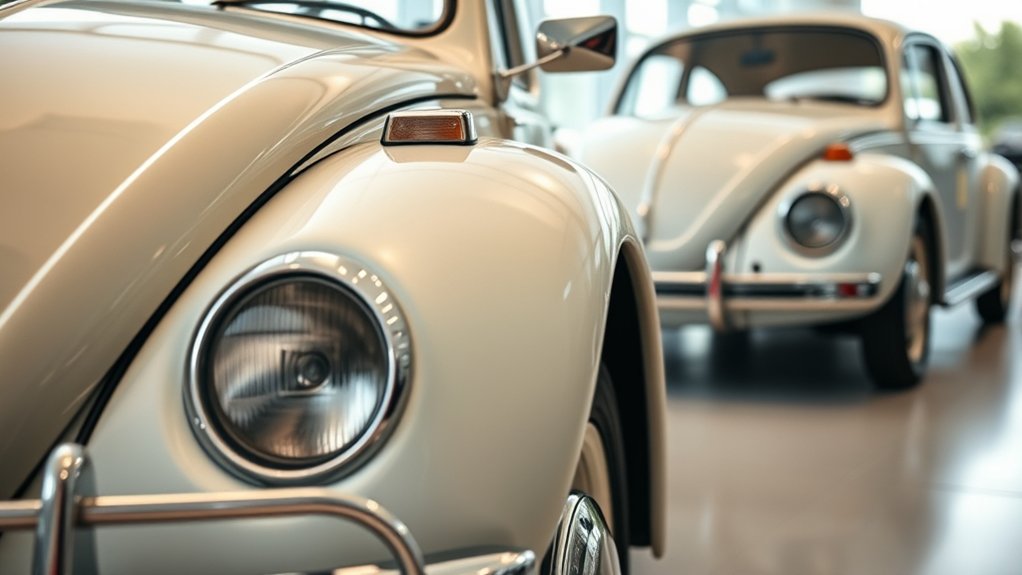
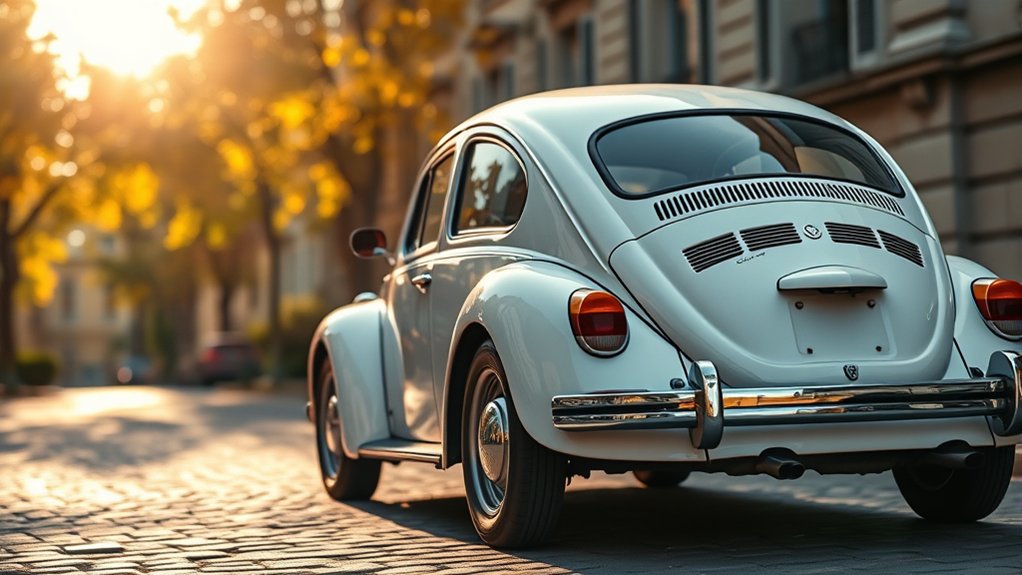
When did the Volkswagen Beetle first roll off the assembly line? It happened in 1938, marking the beginning of a car that would become iconic worldwide. You’ll appreciate how its timeless design, characterized by rounded shapes and a rear engine, set it apart from other vehicles.
The Beetle’s simplicity and affordability made it accessible, boosting its cultural impact considerably. Over several decades, you’ll see how the Beetle evolved yet retained its classic look, embedding itself in popular culture. It appeared in movies, art, and as a symbol of counterculture movements.
Understanding this history helps you grasp why the Beetle remains beloved, not just as a car, but as a cultural icon with a production legacy spanning more than 65 years.
When Volkswagen Stopped Making the Beetle
After decades of production and cultural significance, Volkswagen eventually ended the manufacturing of the Beetle. You might have heard various urban legends and racing rumors about the car’s discontinuation, but the decision was grounded in practical and market-driven factors.
- Volkswagen stopped producing the Beetle in 2019, concluding its final generation aimed at modern consumers.
- The end reflected shifts in consumer preferences toward SUVs and electric vehicles, rather than mythical reasons like racing failures.
- Despite its cultural impact, stricter emissions regulations and evolving safety standards made continued production less viable.
Where and When the Last Beetle Was Produced
You’ll find that the last Volkswagen Beetle rolled off the assembly line in Puebla, Mexico, where production had continued after other plants closed. This final Beetle was produced in July 2019, marking the official end of an iconic automotive era.
Understanding this timeline helps frame the Beetle’s lasting impact on car history.
Final Production Location
Where did the iconic Volkswagen Beetle take its final bow? The last Beetle rolled off the production line in Puebla, Mexico, marking the end of an era for this beloved model. You’ll find that this location was key to the Beetle’s final chapter, blending tradition with modern manufacturing techniques.
Here are three important points about the final production location:
- Puebla’s factory specialized in assembling the Beetle engines, maintaining the car’s classic appeal while integrating updated technology.
- The site became a symbol of nostalgia pricing, as collectors and fans sought out final editions with unique features.
- Volkswagen strategically chose Puebla to leverage established expertise and cost-effective production, ensuring quality until the very last unit.
This choice reflected both heritage and a forward-looking approach to the Beetle’s conclusion.
Last Beetle Production Date
When exactly did Volkswagen produce the last Beetle, and what made that moment significant? The final Beetle rolled off the assembly line on July 10, 2019, at Volkswagen’s Puebla plant in Mexico. This marked the end of an iconic model that began production in 1938, showcasing decades of creative design evolution.
The last Beetle’s production was a deliberate move within Volkswagen’s marketing strategy to phase out the model while celebrating its cultural impact. By choosing Puebla, Volkswagen honored a long-standing manufacturing hub for the Beetle, reinforcing its legacy.
You can see how the timing and location reflected both respect for tradition and a strategic shift toward newer models. This date symbolizes more than an end. It captures the culmination of a global automotive icon’s journey.
End of Beetle Era
The conclusion of Beetle production took place at Volkswagen’s Puebla plant in Mexico, a site deeply tied to the model’s history. You’ll find the end of this iconic car’s journey marked by a final run that captured Beetle nostalgia while incorporating classic modifiers to honor its heritage.
Key points to understand include:
- The last Beetle rolled off the line in July 2019, officially ending production after more than seven decades.
- Volkswagen used the Puebla plant for its ability to blend tradition with modern manufacturing efficiency.
- Special editions featured classic modifiers like retro paint schemes and vintage badging, appealing to enthusiasts worldwide.
This closure symbolized both an end and a celebration, preserving the Beetle’s legacy for future generations.
Volkswagen Beetle Final Generation Changes
How did Volkswagen update the Beetle in its final generation to keep it relevant? They focused on modernizing the design while maintaining elements of nostalgic branding that appealed to longtime fans. You’ll notice sharper lines and a more aggressive stance compared to earlier models, giving the car a contemporary yet familiar look.
Under the hood, Volkswagen improved fuel efficiency and performance by incorporating updated engines and transmissions. These changes balanced production economics, as the company aimed to keep manufacturing costs reasonable without sacrificing quality.
Inside, you’ll find enhanced technology and comfort features, including touchscreen infotainment and advanced safety systems. Ultimately, Volkswagen’s final generation Beetle combined retro charm with modern amenities, ensuring it stayed competitive in a changing automotive market.
Why Volkswagen Discontinued the Beetle
Even with its modern updates and nostalgic appeal, Volkswagen faced challenges that led to the decision to discontinue the Beetle. You should understand that several factors contributed to this move.
First, the Beetle’s design, rooted in air cooled engines, became outdated compared to contemporary models emphasizing efficiency and emissions. Second, consumer preferences shifted toward SUVs and crossovers, reducing demand for compact cars like the Beetle.
Third, Volkswagen needed to streamline its lineup to focus on newer, more profitable discontinued models and electric vehicles, aligning with stricter environmental regulations. These points reveal why the iconic Beetle couldn’t sustain its production, despite its legacy.
Ultimately, Volkswagen prioritized innovation and market relevance over maintaining legacy models with dated technology.
How Fans and Collectors Said Goodbye to the Beetle
You’ve likely noticed how collector enthusiasm surged as Volkswagen announced the Beetle’s end, sparking numerous farewell events worldwide. These gatherings gave fans a chance to celebrate the car’s legacy and connect with like-minded enthusiasts.
Meanwhile, the vintage market saw a notable boost, with demand rising for well-preserved Beetles and rare models.
Collector Enthusiasm Grows
Why did the Volkswagen Beetle inspire such passionate collector enthusiasm as its production came to an end? You’ll find it’s due to a blend of cultural significance and design simplicity, enhanced by limited diction in marketing and the strategic use of color psychology. Collectors saw more than a car; they embraced a piece of history.
Here’s why enthusiasm grew:
- Cultural Icon Status: The Beetle’s timeless design and global recognition made it a must-have for collectors.
- Limited Editions: Volkswagen released special models with unique colors and features, tapping into color psychology to evoke nostalgia and excitement.
- Affordability and Accessibility: Compared to other collectibles, Beetles remained accessible, encouraging wider collector participation.
This mix of factors fueled a dedicated community eager to preserve the Beetle’s legacy.
Farewell Events Held
As collector enthusiasm reached its peak, Volkswagen and fans organized a series of farewell events to honor the Beetle’s legacy. You could attend meetups, car shows, and special exhibitions where Beetles of all generations were displayed, celebrating the model’s impact on car culture worldwide.
These events weren’t just nostalgic gatherings; they highlighted the Beetle’s unique design and enduring popularity. If you thought the Beetle’s story was over, nope, these farewells amplified its influence among enthusiasts.
You’d find workshops, panel discussions, and memorabilia auctions, all designed to commemorate the Beetle’s contribution to automotive history. By participating, fans and collectors created a shared space to say goodbye, ensuring the Beetle’s spirit remains alive in car culture long after production ended.
Vintage Market Impact
How did fans and collectors express their farewell to the Volkswagen Beetle beyond organized events? They turned to the vintage market, where demand surged as enthusiasts sought to preserve the Beetle’s legacy amid changing beetle economics and increased factory automation.
You’ll notice three key ways this played out:
- Restoration Projects: Collectors invested in restoring original Beetles, valuing authenticity over modern upgrades.
- Auction Activity: Classic Beetles saw higher prices at auctions, reflecting their growing status as collectible icons.
- Community Trading: Enthusiasts engaged in private sales and swaps, maintaining the car’s cultural relevance.
This market response highlighted how the Beetle transcended its production era, becoming a sought-after vintage model despite factory automation reducing manual craftsmanship in newer vehicles.
The Lasting Legacy of the Volkswagen Beetle
What makes the Volkswagen Beetle endure as a cultural icon decades after production ended? Its unique design and worldwide popularity have cemented it in automotive history.
You’ll find that nostalgia marketing plays a significant role in keeping the Beetle relevant; companies tap into memories associated with the car to evoke emotional connections. However, enthusiasts face challenges such as a spare parts shortage, which can complicate maintenance and restoration efforts.
Despite this, the Beetle’s legacy thrives through dedicated communities, vintage car shows, and media representation. You can appreciate how the Beetle symbolizes more than transportation; it represents a blend of history, design, and cultural impact that continues to resonate with people around the world.
Frequently Asked Questions
What Are the Most Common Engine Types Used in Beetles?
You’ll find classic design Beetles mostly use air-cooled, flat-four engines, mid-century tech marvels. These engines define car culture and make great travel trivia, showcasing how simplicity powered iconic rides across decades worldwide.
How Much Does a Classic Volkswagen Beetle Typically Cost Today?
You’ll find classic Volkswagen Beetles typically priced between $10,000 and $30,000, depending on beetle restoration quality and rarity. Nostalgia marketing boosts demand, so well-preserved models often command higher values in today’s collector market.
Are There Electric Versions of the Volkswagen Beetle?
You won’t find an official electric Beetle from Volkswagen, but some enthusiasts convert vintage Beetles for electric use. This lets you enjoy vintage reliability while embracing modern electric technology, blending classic style with eco-friendly performance.
What Are the Best Maintenance Tips for Vintage Beetles?
You should prioritize regular oil changes, check for rust, and maintain the electrical system during vintage maintenance.
For beetle restoration, inspect seals, replace worn parts, and keep the carburetor clean to ensure smooth performance and longevity.
How Did the Beetle Influence Car Culture Globally?
You might not realize it, but the Beetle design revolutionized car culture worldwide. Its unique shape and affordability sparked a cultural impact, inspiring generations to embrace individuality, simplicity, and creativity in automotive style and lifestyle choices.
Conclusion
Think of the Volkswagen Beetle as a timeless book whose final chapter closed in 2019 at the Puebla plant. Though the story ended, its pages—marked by innovation, culture, and nostalgia—still inspire new chapters in automotive history.
You see, just as a classic tale passes from one generation to the next, the Beetle’s legacy lives on. It reminds you that while models may retire, their impact never truly fades away.
In conclusion, Volkswagen stopped making the Beetle in 2019, but its enduring influence continues to shape the automotive world.