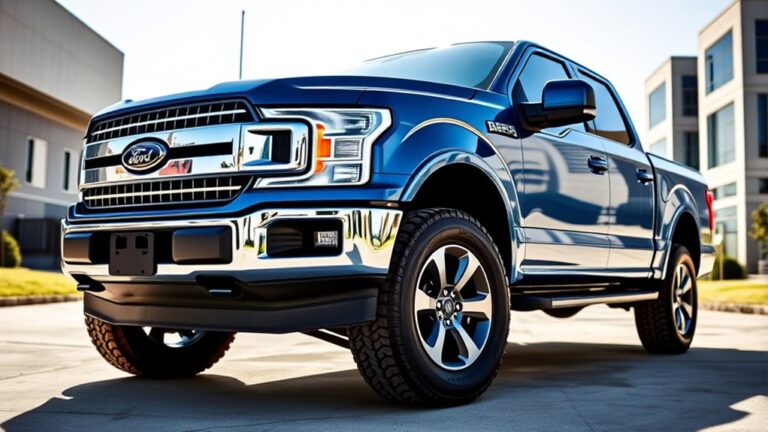

What Year f150 to Avoid
If you’re contemplating a Ford F-150, it’s important to know which model years to avoid to prevent future headaches. Some early-2000s trucks, especially those from 2004 to 2008, are notorious for transmission and engine troubles.
Later models, like those from 2011 to 2014, come with their own set of electrical and reliability issues. Understanding these problem years can save you from costly repairs down the line.
However, there’s more to consider before making a final choice, so be sure to research thoroughly.
Key Takeaways
- Avoid 2004 to 2008 Ford F-150 models due to common transmission, engine, and higher ownership cost issues.
- Early-2010s models from 2010 to 2014 show reliability concerns with electrical problems and premature part failures.
- The 2015 and 2016 trucks faced engine troubles impacting overall reliability scores.
- Older F-150s should be inspected for rust, frame damage, and mechanical wear before purchase.
- Models outside the 2.7L and 3.5L EcoBoost and PowerBoost hybrid years may lack fuel efficiency and modern reliability.
Ford F-150 Model Years With Most Reliability Issues
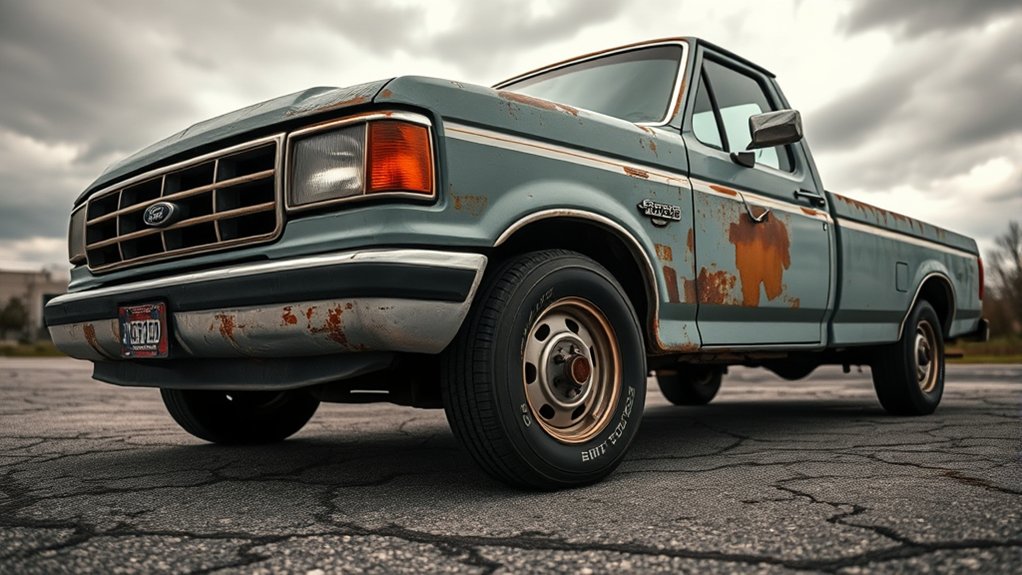
Which Ford F-150 model years should you be cautious about when considering reliability? You’ll want to be wary of the 2004 to 2008 models since they show concerning reliability trends. These years often face transmission and engine issues, leading to higher-than-average ownership costs.
The 2011 model also stands out with reports of electrical problems and premature part failures, pushing maintenance expenses up. While newer models generally improved, some early 2015 trucks suffered from engine troubles that affected reliability scores.
If you’re focused on minimizing unexpected repairs, avoid these specific years. Doing so helps you manage ownership costs more effectively and ensures a smoother ownership experience. Being aware of these reliability trends means you can make a more informed choice when shopping for a used F-150.
Build Quality Problems in Some Ford F-150 Models
How do build quality issues impact the overall ownership experience of certain Ford F-150 models? When you face problems like misaligned panels or inconsistent paint finishes, it affects both aesthetics and perceived value.
Discussion idea one highlights that some model years exhibit premature wear in interior materials, which can reduce comfort and satisfaction. Discussion idea two points out that faulty door seals or trim pieces may lead to water leaks and increased cabin noise, complicating your daily drive.
These build quality shortcomings can cause frustration and add unexpected costs, even if the engine and drivetrain remain reliable. Understanding these details helps you make an informed choice when selecting an F-150, ensuring you avoid models where such issues are more prevalent and maintain a better ownership experience.
Common Mechanical Problems in Unreliable Ford F-150 Years
Wondering what mechanical issues to watch for in certain Ford F-150 model years? Some unreliable years feature discontinued motors that can be difficult and costly to maintain. These engines may experience oil consumption problems, misfires, or premature wear due to design flaws or parts no longer in production.
Additionally, models with rust prone frames pose serious safety concerns, as corrosion can compromise structural integrity over time. You’ll often find that these frames are more susceptible to rust in regions with heavy road salt use, accelerating deterioration.
Other common mechanical problems include transmission failures and faulty fuel systems, which tend to affect specific year ranges. Being aware of these recurring issues helps you make an informed choice when considering a used Ford F-150.
Why Repair Costs Are Higher for Certain Ford F-150 Years
Why do repair costs tend to be higher for certain Ford F-150 model years? It often comes down to design flaws, part availability, and the extent of wear those trucks experience. Some model years have components prone to premature failure, which means you’ll spend more on replacements and labor.
Additionally, older F-150s may lack advancements that improve durability, making corrosion prevention critical. Without proper rust control, structural and mechanical parts deteriorate faster, driving up repair expenses.
You’ll also find that reliable tire maintenance plays a role; uneven wear or frequent replacements can increase your overall costs. In essence, these factors combine to make repairs more frequent and costly on specific F-150 years, so knowing which ones have these issues helps you avoid unexpected expenses.
What to Look For When Inspecting an Older Ford F-150
When inspecting an older Ford F-150, what key areas should you focus on to ensure a sound purchase? Start by examining the frame and undercarriage for rust or damage, especially on older models prone to corrosion.
Check the engine and transmission condition, noting any leaks or unusual noises. Compare the old vs new parts to assess previous repairs or replacements.
Look closely at the suspension and brakes, as these wear over time. When deciding between dealership vs private sale, remember dealerships may offer inspections and warranties, while private sales might provide lower prices but less assurance.
Finally, review maintenance records and test drive the truck to detect any performance issues. This thorough inspection helps you avoid costly surprises with an aging F-150.
Tips to Avoid Buying a Problematic Ford F-150
How can you steer clear of common pitfalls when buying a Ford F-150? Start by researching specific model years known for issues to avoid unrelated topic distractions that don’t affect vehicle reliability. Don’t jump on a random idea just because it seems like a bargain; instead, focus on verified data and user experiences.
Research known problematic model years and rely on verified user experiences to avoid common buying mistakes.
Next, inspect the truck thoroughly or have a trusted mechanic do it. Pay attention to the engine, transmission, and frame integrity.
Here are key tips:
- Review service records and recall history to identify recurring problems.
- Test drive under varied conditions to spot transmission or suspension issues.
- Use online forums and resources to cross-check potential problem areas.
These steps help you dodge problematic F-150s and make a confident purchase.
Better Ford F-150 Model Years to Consider Instead
When choosing a Ford F-150, focus on model years with reliable engine options that have stood the test of time. You’ll also want to contemplate trucks equipped with advanced safety features to keep you protected on the road.
Additionally, newer models often offer improved fuel efficiency, helping you save money over the long haul.
Reliable Engine Options
Which Ford F-150 model years offer the most reliable engine options? When considering durability and performance, years like 2015, 2018, and 2020 stand out. These models feature well-designed engine components that have proven dependable over time. Additionally, their parts are widely available, helping maintain longevity.
You’ll want to focus on:
- 2015 F-150 with its 3.5L EcoBoost V6, praised for balance between power and efficiency
- 2018 models offering upgraded 5.0L V8 engines known for fewer mechanical issues
- 2020 F-150, featuring refined engine tech and improved fuel management
Checking the dealership reputation is essential too; trusted dealers provide better service and genuine parts, which keeps your engine running smoothly longer.
Advanced Safety Features
Why settle for outdated safety features when newer Ford F-150 models come equipped with advanced technology designed to protect you and your passengers? Recent models include adaptive cruise control, lane-keeping assist, blind-spot monitoring, and automatic emergency braking, features that address common user safety concerns.
When reviewing reliability comparisons, these enhancements often coincide with improved build quality and system integration, reducing the likelihood of malfunctions. Older F-150s, especially those before 2015, lack many of these protections, which can increase risk in critical situations.
Opting for a model year with these advanced safety features not only elevates your driving confidence but also aligns with evolving safety standards. In summary, prioritizing newer F-150s ensures you benefit from the latest safety advancements alongside solid reliability.
Improved Fuel Efficiency
Beyond safety features, fuel efficiency plays a pivotal role in choosing the right Ford F-150 model year. While advanced safety is essential, you’ll also want to consider models that balance power with better gas mileage. Some recent F-150s have made notable improvements in fuel efficiency thanks to updated engines and lightweight materials.
Here are some better Ford F-150 model years to consider for improved fuel efficiency:
- 2018 and newer models with the 3.5L EcoBoost V6 engine, offering a good mix of power and mileage
- 2021 and later models featuring the PowerBoost hybrid system, significantly boosting fuel economy
- 2015-2017 models equipped with the 2.7L EcoBoost V6, known for decent fuel efficiency without sacrificing capability
These model years combine advanced safety with sensible fuel efficiency, helping you save at the pump.
Frequently Asked Questions
What Are the Best Aftermarket Upgrades for a Ford F-150?
You should focus on aftermarket upgrades like suspension lifts, performance exhausts, and cold air intakes for your Ford F 150. Avoid older models with frequent issues.
These upgrades boost power, handling, and durability effectively.
How Does the Ford F-150 Perform in Off-Road Conditions?
You’ll find the Ford F-150 performs well off-road, especially with off-road tires and suspension kits installed. These upgrades improve traction and ride comfort, letting you tackle rough terrain more confidently and with better control.
What Is the Fuel Economy of Various Ford F-150 Engines?
Fuel economy discussions contrast the 3.3L V6’s 20-26 MPG with the 5.0L V8’s 17-24 MPG. Engine options like the 2.7L EcoBoost offer a balanced 20-26 MPG, giving you choices tailored to your driving needs.
Are There Any Recalls on Recent Ford F-150 Models?
Yes, recent Ford F-150 model years have some recall history. You should check the NHTSA website for specific recalls on your model year to stay informed and guarantee your truck’s safety and performance aren’t compromised.
How Does the Ford F-150 Compare to Other Full-Size Trucks?
You’ll find the Ford F-150 offers strong towing and tech, but old vs new models show reliability concerns in older versions.
Compared to rivals, newer F-150s excel in innovation, while some competitors lead on long-term durability.
Conclusion
When shopping for a Ford F-150, steer clear of early 2000s models (2004–2008) and those from 2010 to 2014, as they often come with costly reliability and electrical issues.
Instead, focus on 2015–2017 trucks with the 2.7L EcoBoost, 2018+ models with the 3.5L EcoBoost, or the 2021+ PowerBoost hybrids for better efficiency and dependability.
Don’t let a lemon slip through—choose wisely to save yourself headaches and money down the road when considering what year F-150 to avoid.