How Long Do Jeep Wranglers Last
If you’re considering a Jeep Wrangler, you’ll want to know how long a Jeep Wrangler can realistically last.
Many Wranglers reach 200,000 miles or more when properly maintained, but several factors influence their lifespan.
From maintenance habits to driving conditions and model year quality, understanding what affects durability can help you get the most out of your vehicle.
Before you decide, it’s important to weigh these aspects carefully.
Key Takeaways
- Jeep Wranglers typically last between 200,000 to 250,000 miles with proper maintenance.
- Regular oil changes and timely repairs significantly extend Wrangler longevity.
- Harsh driving conditions and off-road use accelerate wear and reduce lifespan.
- Common issues like rust, electrical faults, and suspension stress can shorten vehicle life.
- Replacing a Wrangler is advisable when frequent costly repairs and performance declines occur.
How Many Miles Can a Jeep Wrangler Typically Last?
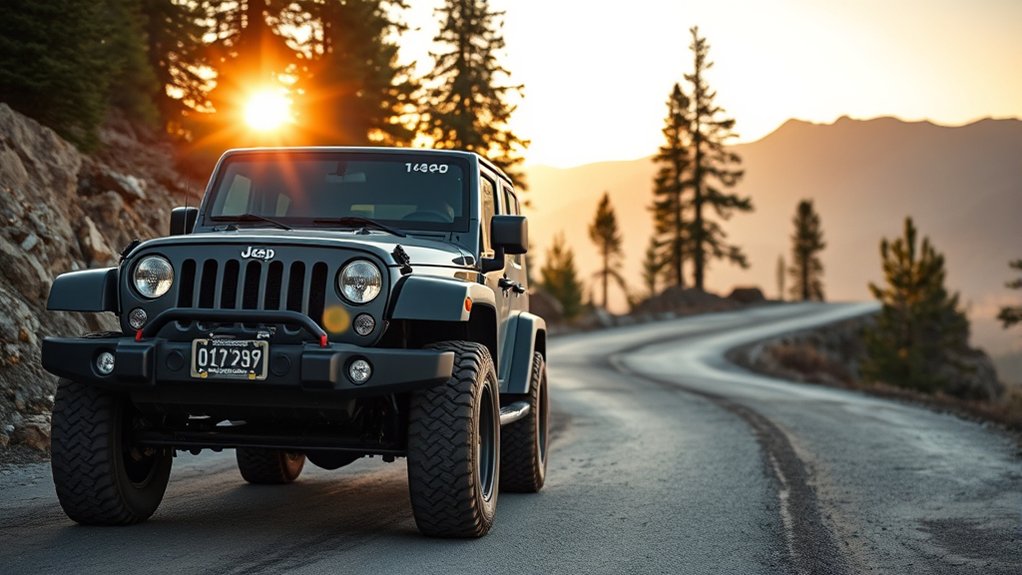
How many miles can a Jeep Wrangler typically last before you need major repairs or consider replacing it? Generally, Jeep Wranglers can reach between 200,000 to 250,000 miles with proper maintenance. This range offers a solid baseline for evaluating the vehicle’s durability, though individual experiences may vary.
When assessing this, it’s helpful to separate two word discussion ideas like “mileage range” and “vehicle lifespan” from subtopic unrelated to longevity factors such as design or comfort. By focusing strictly on mileage and typical wear, you avoid conflating unrelated issues.
What Key Factors Affect Jeep Wrangler Longevity?
Why does a Jeep Wrangler’s longevity vary so much between owners? Several key factors influence how long your Wrangler will last, debunking common longevity myths that suggest all Wranglers wear out quickly or last indefinitely without care. To understand what truly matters, consider these points:
1. Maintenance Habits
Regular oil changes, inspections, and timely repairs extend lifespan significantly. Neglect accelerates wear.
2. Driving Conditions
Frequent off-roading or harsh environments increase stress on components, reducing longevity compared to mostly highway driving.
3. Model and Build Quality
Some model years have improved engineering and materials, affecting durability.
Focusing on these key factors helps you realistically evaluate your Wrangler’s lifespan and avoid falling for longevity myths. Proper care and usage are essential for maximizing your Jeep’s years on the road.
Common Problems That Shorten Jeep Wrangler Life
What common issues should you watch for to prevent your Jeep Wrangler from wearing out prematurely? Engine swaps, while sometimes necessary for performance, can introduce compatibility issues and increase wear if not done properly.
Off road tires, though essential for rugged terrain, may accelerate suspension and drivetrain wear if used extensively on pavement. Additionally, common problems like rust, electrical system failures, and brake wear contribute to reduced vehicle lifespan.
| Problem | Cause | Impact on Longevity |
|---|---|---|
| Engine swaps | Improper installation | Increased engine wear |
| Off road tires | Hard pavement usage | Suspension and drivetrain stress |
| Rust | Exposure to moisture | Structural integrity loss |
| Electrical issues | Wiring faults, moisture | Malfunction, safety risks |
| Brake wear | Frequent heavy braking | Reduced stopping power |
How to Maintain Your Jeep Wrangler for Maximum Longevity
Proper maintenance plays a pivotal role in extending the life of your Jeep Wrangler. Sticking to a consistent maintenance schedule ensures all systems function optimally and prevents costly repairs. To maximize longevity, focus on these key areas:
- Regular Oil Changes and Fluid Checks: Follow the recommended intervals for oil changes, coolant, brake, and transmission fluids to avoid engine wear and overheating.
- Rust Prevention: Inspect and treat your Wrangler’s undercarriage and body regularly, especially if you drive in salty or wet conditions, to prevent corrosion that can weaken structural components.
- Brake and Suspension Maintenance: Monitor brake pads, rotors, and suspension parts for wear, replacing them promptly to maintain safety and vehicle integrity.
How to Know When It’s Time to Replace Your Jeep Wrangler
How can you tell when it’s time to replace your Jeep Wrangler? Monitor signs of age-related wear and the cumulative effects of off-road abuse. If repairs become frequent or costly, replacement may be more practical.
Consider safety, performance, and reliability declines as key indicators.
| Indicator | What to Watch For |
|---|---|
| Age Related Wear | Rust, frame fatigue, worn seals |
| Off Road Abuse | Suspension damage, leaks, cracks |
| Performance & Safety | Engine issues, brake failure |
Evaluate these factors objectively. If your Jeep shows multiple signs, especially in safety or structural integrity, it’s likely time to invest in a new vehicle.
Regular assessments help you avoid unexpected breakdowns and maintain driving confidence.
Frequently Asked Questions
What Are the Best Jeep Wrangler Models for Off-Roading?
You’ll find the Jeep Wrangler Rubicon and Moab models excel in off-road reliability, thanks to factory upgrades. They also support extensive aftermarket upgrades, letting you customize your rig for tougher trails and enhanced performance.
How Does a Jeep Wrangler’s Resale Value Compare to Other SUVS?
You’ll find Jeep Wranglers retain about 60% of their value after five years, outperforming many SUVs. Their resale value stays strong due to slower depreciation trends, making them a smart choice if you care about long-term investment.
Can You Customize a Jeep Wrangler for Better Fuel Efficiency?
You can customize a Jeep Wrangler for better fuel efficiency by adding eco friendly upgrades like low rolling resistance tires, aerodynamic modifications, and engine tuning.
These custom fuel efficient changes improve mileage without sacrificing performance.
What Are the Top Safety Features in Recent Jeep Wrangler Models?
You’ll find top safety features like advanced airbags, blind-spot monitoring, and rear cross-traffic alert that enhance off-road safety.
Plus, fuel efficiency upgrades don’t compromise these systems, keeping you safe while improving your Wrangler’s performance.
How Does Weather Affect Jeep Wrangler Performance and Durability?
Like a chameleon adapting to its surroundings, your Jeep Wrangler’s weather resilience shines in rain and snow, enhancing mud performance and durability.
However, extreme conditions can accelerate wear, so regular maintenance is essential to preserve its capabilities.
Conclusion
You can expect your Jeep Wrangler to last well beyond 200,000 miles if you stay on top of maintenance like oil changes and fluid checks. Imagine driving a vehicle that outlives many others on the road simply because you cared for it properly.
Keep an eye on rust and persistent issues, though—those are signs it might be time to replace it. With mindful upkeep, your Wrangler can be a reliable companion for years to come.
In conclusion, how long do Jeep Wranglers last largely depends on the care you provide. With regular maintenance and attention, your Jeep Wrangler can serve you well for decades.