How to Stop Tonneau Cover From Leaking
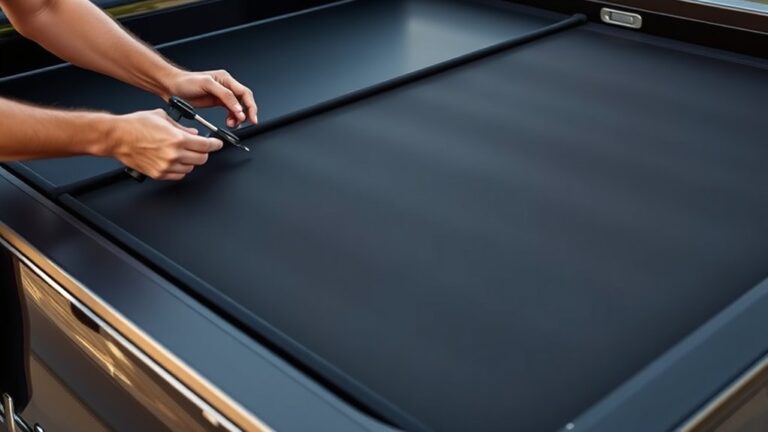
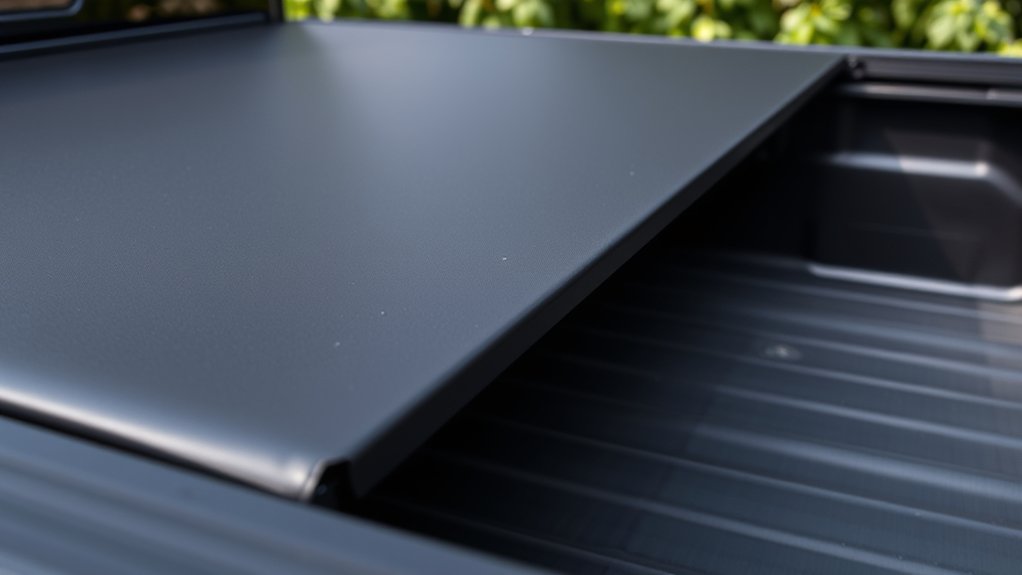
If your tonneau cover is leaking, the first step is to pinpoint exactly where water is getting through. Identifying the source of the leak is crucial to stopping the tonneau cover from leaking effectively.
You’ll want to inspect seams, clamps, and seals carefully for any signs of wear or damage. Testing with water while someone watches inside can help locate hidden leaks.
Once you know the source, targeted repairs or sealant applications can make a significant difference. However, knowing when to replace parts is equally important to ensure a long-lasting fix.
Key Takeaways
- Inspect your tonneau cover for tears, worn seams, and loose seals to identify leak sources early.
- Conduct a water test by spraying evenly while checking inside for water intrusion and marking wet spots.
- Clean affected areas and apply flexible automotive sealant or waterproof tape to seal small leaks effectively.
- Replace damaged grommets, snaps, or weatherstripping to ensure tight closure and prevent water entry.
- Perform monthly maintenance by cleaning, lubricating seals, and tightening hardware to maintain a watertight cover.
Identifying Leaks in Your Tonneau Cover
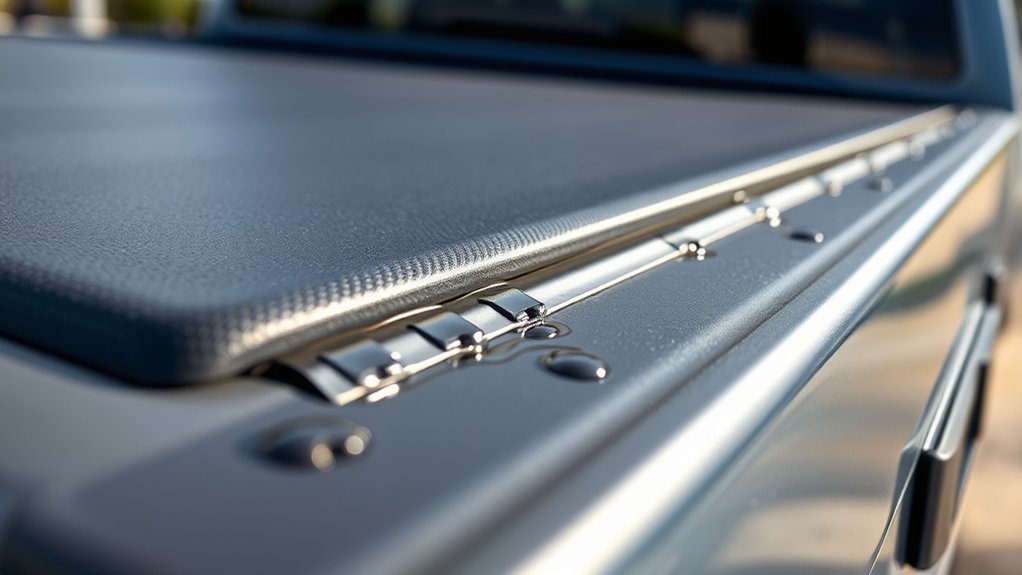
How do you pinpoint leaks in your tonneau cover effectively? Start by thoroughly inspecting the cover’s surface for visible damage such as tears, cracks, or worn seams. Next, check the perimeter seals and clamps for tightness and proper alignment, as these are common leak sources.
To identify leaks precisely, perform a water test: spray water evenly over the tonneau cover while someone inside the truck bed observes for water intrusion. Mark any wet spots immediately.
Pay special attention to areas around hinges, folds, and locking mechanisms since these often harbor hidden gaps. Using a flashlight inside at night can help spot light shining through leaks.
Identifying leaks in your tonneau cover with this systematic approach ensures you locate every potential water entry point before proceeding to repairs.
Easy Repairs to Stop Water Leaks
After locating the exact points where water enters your tonneau cover, you can move on to straightforward repairs that restore its waterproof integrity. Start by cleaning the affected area, then apply a flexible sealant or waterproof tape designed for automotive use.
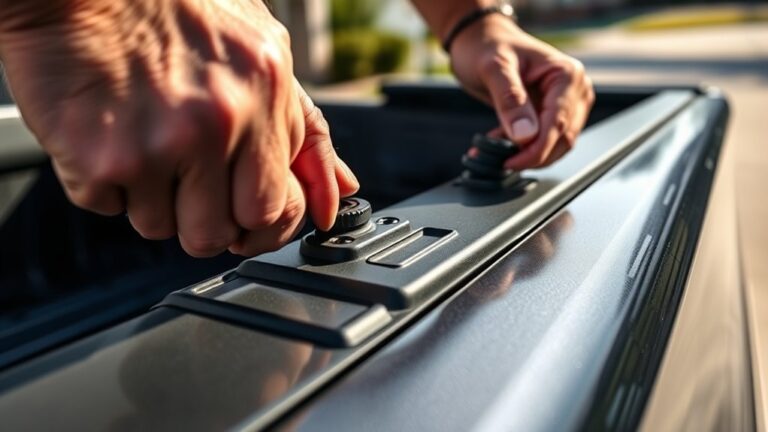
Replace damaged grommets or snaps to ensure tight closure. Use patch kits for tears or punctures. Avoid two word discussion ideas unrelated to this subtopic to maintain focus.
| Repair Type | Material Needed | Application Tips |
|---|---|---|
| Sealant | Automotive silicone | Apply in thin, continuous beads |
| Waterproof Tape | Self-adhesive tape | Smooth out bubbles, overlap edges |
| Grommet Replacement | New grommets, pliers | Ensure snug fit, avoid oversize |
| Patch Kits | Vinyl or fabric patches | Follow curing time instructions |
Sealing Your Tonneau Cover: Weatherproofing Tips for Lasting Protection
Where should you focus your efforts to guarantee your tonneau cover remains fully sealed against harsh weather? Start by inspecting all seams and edges for gaps or wear. Apply high-quality sealants designed for outdoor use, understanding sealant physics. Adhesion and flexibility are critical to accommodate expansion and contraction without cracking.
Avoid common waterproofing myths, such as relying solely on sprays or assuming tight fits prevent leaks. Use a polyurethane or silicone-based sealant for durable, waterproof bonds. Ensure surfaces are clean and dry before application to maximize adhesion.
Regularly check and reapply sealant where necessary, especially after extreme weather. Proper sealing not only blocks water ingress but also extends your cover’s lifespan, maintaining reliable protection against rain, snow, and wind.
Deciding When to Repair or Replace Your Tonneau Cover
When should you decide to repair your tonneau cover instead of replacing it entirely? Start by assessing the extent of the damage. If leaks result from minor tears, loose seals, or worn-out weatherstripping, repairing is often sufficient and cost-effective.
However, if the cover has extensive cracks, warped frames, or persistent leakage despite multiple repairs, it’s time to replace. Also, consider the cover’s age and material condition; older covers may lose flexibility, making repairs less effective.
When deciding when to repair or replace, evaluate repair costs against the price of a new cover. If repair expenses approach or exceed replacement costs, replacement is the practical choice. Use this methodical approach to ensure your tonneau cover provides reliable, leak-free protection.
Preventing Future Leaks With Regular Maintenance and Care
How can you ensure your tonneau cover remains watertight over time? Implement regular maintenance by inspecting seals, hinges, and latches monthly for wear or damage.
Apply preventive care by cleaning the cover with mild soap and water to remove debris that can compromise sealing. Use recommended sealing techniques, such as applying silicone-based lubricants on rubber gaskets to maintain flexibility and prevent cracks.
For weatherproofing tips, consider reapplying waterproof sprays designed for your cover’s material every few months. Additionally, tighten mounting hardware to maintain proper tension and alignment, which prevents gaps where water can enter.
Frequently Asked Questions
Can a Tonneau Cover Improve My Truck’s Fuel Efficiency?
Yes, using eco tech in your tonneau cover improves aerodynamics, reducing drag and enhancing fuel saving. You’ll notice better mileage by minimizing air resistance, making your truck more efficient during highway driving and lowering overall fuel consumption.
What Types of Tonneau Covers Offer the Best Security?
You’ll want hard folding or retractable tonneau covers for superior security features like lockable latches and reinforced materials.
Follow installation tips carefully to ensure tight seals and proper fit, maximizing theft resistance and durability.
How Do I Choose the Right Tonneau Cover Size for My Truck?
Imagine Jake measuring his 2018 Ford F-150’s bed precisely. You should verify size compatibility by checking your truck’s bed length and width, then choose mounting options matching your model to ensure a secure, proper fit without gaps or leaks.
Are There Any Eco-Friendly Materials for Tonneau Covers?
Yes, you can choose eco friendly tonneau covers made from sustainable materials like recycled aluminum or biodegradable composites. These options reduce environmental impact while maintaining durability and protection for your truck bed.
Can a Tonneau Cover Protect Against Theft or Vandalism?
Security safeguards sometimes slip; tonneau covers deter theft but can’t eliminate security vulnerabilities or vandalism risks entirely. You should reinforce locks and inspect seals regularly to minimize exposure and strengthen overall protection against breaches.
Conclusion
You can prevent most tonneau cover leaks by inspecting seals, clamps, and seams regularly—over 60% of leaks stem from worn grommets or loose fasteners. Start with simple repairs like replacing damaged snaps and applying automotive-grade sealant at vulnerable points.
Remember, tight hinges and latches are critical for water resistance. Maintain your cover routinely to avoid costly replacements.
With these precise steps, you’ll keep your truck bed dry and protected efficiently, effectively stopping tonneau cover from leaking.