How Long Do Volkswagen Jettas Last
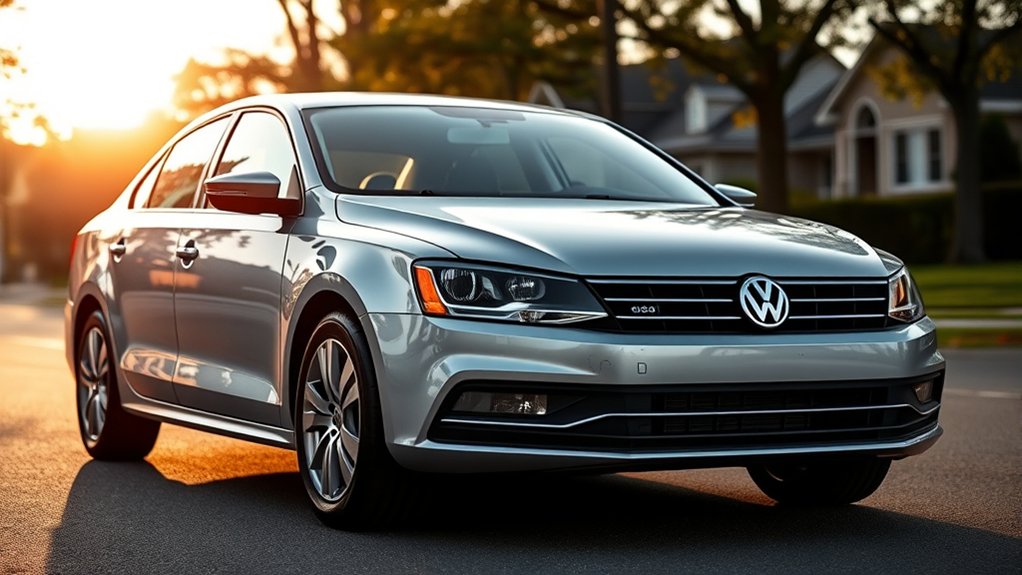
If you own or are considering a Volkswagen Jetta, you might wonder how long a Volkswagen Jetta lasts and can reliably serve you. With proper upkeep, many Jettas surpass 150,000 miles, and some even reach beyond 200,000.
However, its lifespan depends on factors like maintenance habits, driving conditions, and specific model characteristics. Understanding these elements can help you make informed decisions about care and longevity.
Let’s explore what influences your Jetta’s durability.
Key Takeaways
- Volkswagen Jettas typically last between 150,000 to over 200,000 miles with proper maintenance.
- Regular oil changes and smooth driving habits significantly enhance Jetta longevity.
- Engine and transmission issues are common factors that can reduce Jetta lifespan if not addressed early.
- Newer Jetta models (post-2016) have improved durability due to refined timing components and design updates.
- Routine maintenance, including brake, tire, and fluid inspections, is essential for sustained performance and lifespan.
How Long Do Volkswagen Jettas Last?
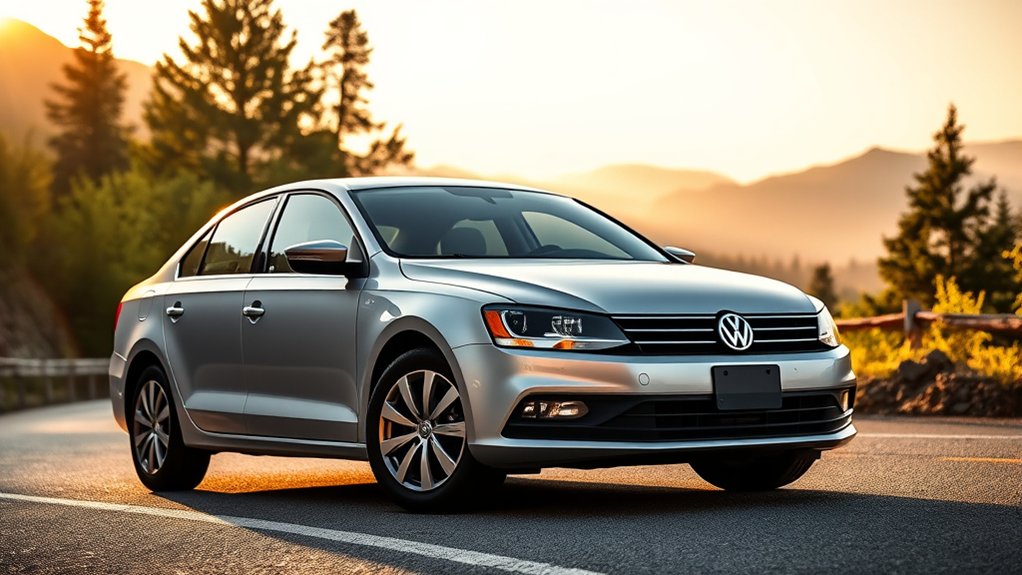
A Volkswagen Jetta can last anywhere from 150,000 to over 200,000 miles with proper maintenance and care. You’ll find that the Jetta’s reliable interiors contribute to a comfortable driving experience over its lifespan, maintaining durability without frequent repairs.
Additionally, the Jetta’s fuel economy plays a significant role in its overall value, helping you save money on gas while reducing wear on the engine. When you keep up with routine service, the vehicle’s performance remains steady, supporting longevity.
The combination of efficient fuel consumption and quality interior components means you can depend on the Jetta for daily commutes and longer trips alike. Understanding these aspects helps you appreciate how the model balances durability and cost-effectiveness over time.
Factors That Affect Volkswagen Jetta Longevity
What determines how long your Volkswagen Jetta will last? Several key factors influence its longevity. Regular maintenance plays a crucial role; consistent oil changes and timely servicing keep components functioning optimally.
Your driving habits also matter. Smooth acceleration and braking reduce wear. Fuel efficiency impacts not only operating costs but also engine health, as a well-tuned engine running efficiently experiences less strain.
Additionally, the interior quality reflects overall build standards, which can be an indirect indicator of the vehicle’s durability. Environmental conditions, like extreme temperatures or road salt exposure, can accelerate wear and corrosion.
Finally, how you store and protect your Jetta affects its lifespan. By understanding and managing these factors, you can help ensure your Volkswagen Jetta remains reliable and efficient for many miles.
Common Issues That Can Shorten Your Jetta’s Life
You should watch for engine problems and transmission failures, as these are common issues that can profoundly reduce your Jetta’s lifespan. Ignoring early warning signs may lead to costly repairs or complete component failure.
Staying proactive with maintenance helps you avoid these pitfalls and extend your car’s life.
Engine Problems
How do engine problems impact the longevity of your Volkswagen Jetta? Engine reliability plays a critical role in how long your Jetta lasts. Common engine issues like timing chain wear, coolant leaks, and oil consumption can reduce engine performance and fuel efficiency, ultimately shortening the vehicle’s lifespan.
If these problems go unnoticed, they may cause severe damage, leading to costly repairs or engine failure. Maintaining proper oil levels, timely servicing, and addressing warning signs promptly help preserve engine reliability.
Transmission Failures
Why do transmission failures substantially affect your Volkswagen Jetta’s lifespan? Transmission failures can drastically reduce your vehicle’s reliability and overall durability benchmarks.
When your Jetta experiences transmission issues, shifting becomes erratic or unresponsive, which can lead to increased wear on other drivetrain components. Common causes include low transmission fluid, worn clutch plates, or faulty sensors, all of which compromise performance and longevity.
Ignoring early warning signs often results in costly repairs or complete transmission replacement, significantly shortening your car’s life. To maintain durability benchmarks, regular transmission fluid changes and timely diagnostics are crucial.
Key Maintenance Tasks to Keep Your Volkswagen Jetta Running Longer
When should you perform routine maintenance to ensure your Volkswagen Jetta remains reliable over time? Regular maintenance at manufacturer-recommended intervals is essential; neglecting it can lead to costly repairs and reduced reliability. No vehicle lasts long without scheduled oil changes, filter replacements, and fluid checks.
Prioritize timely inspections of the brakes, tires, and suspension to avoid unexpected failures. Maintaining the timing belt or chain according to the service schedule prevents engine damage. Don’t overlook the cooling system; flushing and refilling coolant helps prevent overheating.
Practical Tips to Maximize Your Volkswagen Jetta’s Mileage
Maintaining your Volkswagen Jetta properly lays the foundation for getting the most miles out of it. To maximize mileage, focus on key driving and upkeep strategies rather than veering into unrelated topics or off topic discussion that don’t directly impact your car’s longevity.
Here are three practical tips:
- Drive Smoothly: Avoid rapid acceleration and sudden braking to reduce engine strain and wear.
- Regular Maintenance: Stick to scheduled oil changes, tire rotations, and brake inspections to ensure peak performance.
- Monitor Tire Pressure: Keeping tires properly inflated improves fuel efficiency and extends tire life.
Comparing Lifespan Across Volkswagen Jetta Model Years
How does the lifespan of Volkswagen Jetta models vary across different years? Generally, newer Jettas offer improved durability thanks to advancements in engine timing and materials.
For example, models from the 2011 to 2015 range often face timing chain issues, which can reduce engine longevity if not addressed. In contrast, Jettas produced after 2016 feature refined engine timing components that enhance reliability.
Paint durability has also improved over time, with older models showing more susceptibility to fading and chipping compared to recent releases. When comparing model years, you should consider these mechanical and cosmetic factors, as they directly impact how long your Jetta will maintain performance and appearance.
Ultimately, staying informed about specific year-related issues helps you make a better choice in terms of lifespan expectations.
When Is It Time to Replace Your Volkswagen Jetta?
Why should you consider replacing your Volkswagen Jetta instead of continuing repairs? Over time, repair costs may outweigh the vehicle’s value, making replacement a smarter financial choice. Here are three key indicators:
- Repair expenses consistently exceed 50% of your Jetta’s market value, even with affordable aftermarket parts.
- Frequent breakdowns reduce reliability, affecting your daily commute and safety.
- The Jetta’s high resale value has diminished significantly, limiting potential trade-in or sale benefits.
If you notice these signs, replacing your Jetta can save money and stress in the long run. Balancing repair costs against a vehicle’s lifespan and resale value helps you make a well-informed decision about when to invest in a newer model.
Frequently Asked Questions
What Is the Average Resale Value of a Used Volkswagen Jetta?
You’ll find the average resale value of a used Volkswagen Jetta ranges between $8,000 and $15,000, depending on condition and year.
Keep in mind, maintenance costs can impact its resale value appreciably over time.
How Fuel-Efficient Is the Volkswagen Jetta Compared to Similar Cars?
You’ll find the Volkswagen Jetta’s fuel economy competitive among similar cars, balancing ride comfort and performance handling well.
Its strong safety features and solid resale value make it a practical, efficient choice overall.
What Safety Features Are Standard on Recent Volkswagen Jetta Models?
Want to prioritize safe driving? Recent Volkswagen Jettas come standard with passive safety features like multiple airbags, electronic stability control, and automatic emergency braking. These features ensure you stay protected while enjoying a confident, secure driving experience every time.
Are Volkswagen Jettas Known for Good Performance and Handling?
You won’t find Volkswagen Jettas known for strong performance, as they often suffer from poor acceleration.
Plus, you’ll face high maintenance costs, which can make the handling feel less responsive compared to sportier rivals.
How Does Volkswagen’s Warranty Coverage Work for the Jetta?
Volkswagen’s warranty coverage for the Jetta includes a 4-year/50,000-mile limited warranty.
You’ll need to follow recommended maintenance schedules to keep coverage valid and guarantee the car’s performance and reliability stay intact throughout the warranty period.
Conclusion
Think of your Volkswagen Jetta as a well-tended garden. With regular care—oil changes, timely repairs, and mindful driving—you’ll watch it thrive well beyond 150,000 miles, blossoming into a reliable companion.
Neglect those essentials, and the garden wilts, its life shortened by avoidable issues. By nurturing your Jetta thoughtfully, you ensure it remains strong and vibrant.
Making every mile a testament to your commitment and smart maintenance choices will ultimately extend how long Volkswagen Jettas last.