How to Shorten a Tonneau Cover
If you need to shorten your tonneau cover, you’ll want to start by measuring your truck bed accurately, accounting for any curves or tapers. Using the right tools and marking precise cut lines is essential to avoid costly mistakes.
Cutting the material carefully and sealing edges properly will maintain your cover’s durability and weatherproofing. But before you make any cuts, understanding how to adjust the frame and reinstall the cover can save you time and frustration.
Key Takeaways
- Measure the truck bed length and width precisely before cutting, accounting for tapering and curves without rounding measurements.
- Identify the tonneau cover material to select suitable cutting tools and techniques tailored to its thickness and flexibility.
- Mark the cut line slightly inside the desired length using a straightedge, allowing seam allowances and preventing uneven edges.
- Cut slowly with a sharp utility knife or heavy-duty scissors, securing the cover firmly and applying painter’s tape to minimize fraying.
- Seal and reinforce cut edges with waterproof adhesive, edge binding tape, or fabric protectant spray to maintain weatherproofing and durability.
How to Measure Your Tonneau Cover for Shortening
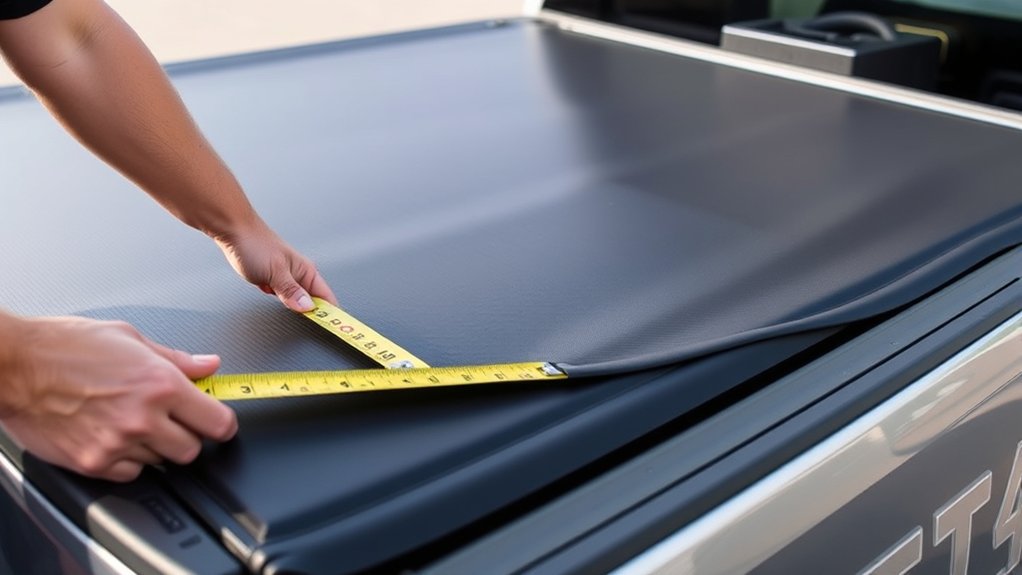
How do you ensure your tonneau cover fits perfectly after shortening? Start by accurately measuring the bed’s length from the bulkhead to the tailgate edge. Use a reliable tape measure, noting dimensions in inches for precision.
Record width as well, measuring at multiple points to account for any tapering. Accurate measurements enable effective cost optimization by preventing material waste and minimizing rework, aligning well with a strategic marketing approach that emphasizes product quality and customer satisfaction.
Avoid estimating or rounding off figures, as this compromises fit and durability. Document your measurements clearly before proceeding to trimming. This methodical measurement process supports both product performance and business goals, ensuring your tonneau cover modification meets functional requirements without unnecessary expenses or delays.
What Tools You Need to Trim Your Tonneau Cover
Which tools do you need to trim your tonneau cover accurately and cleanly? Selecting the right equipment is essential to avoid damage and guarantee a professional finish. When gathering your tools, keep in mind topic ideas like precision and material compatibility, while avoiding unrelated considerations such as decorative tools or heavy machinery.
Here’s a concise list of essentials:
- Measuring tape: for exact dimensions.
- Marker or chalk: to outline your cut line precisely.
- Straight edge or ruler: ensures a straight and accurate cut.
- Utility knife or heavy-duty scissors: depending on your cover material.
- Clamps or weights: to hold the cover steady during cutting.
Using these tools will help you achieve a clean, precise trim, minimizing errors and waste.
How to Mark the Cut Line for a Perfect Fit
Where exactly should you place your cut line to guarantee a perfect fit? Begin by ensuring the tonneau cover’s current dimensions in relation to your truck bed, accounting for any curves or framing.
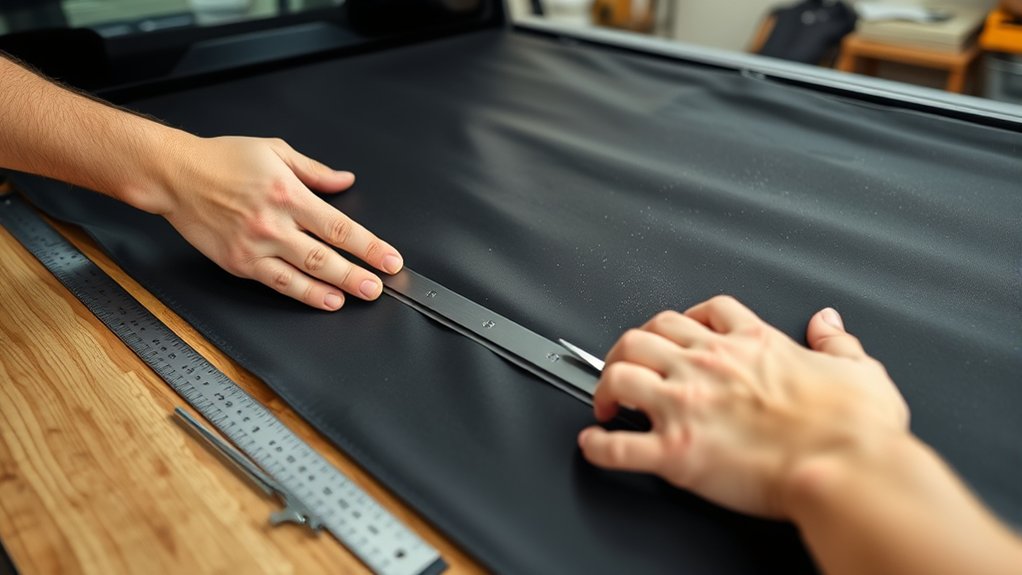
Mark the cut line slightly inside the intended final size to accommodate design considerations such as seam allowances and edge reinforcements. Use a straightedge or flexible ruler to ensure the line is precise and continuous, preventing uneven edges that compromise fit and durability.
How to Cut Your Tonneau Cover Without Damage
Before you begin cutting, guarantee you have selected the proper tools and prepared a clean, stable workspace to prevent accidental damage. Precision is key when shortening your tonneau cover, so avoid unrelated chatter that might distract you during this critical step. Follow these technical guidelines:
Use a sharp utility knife or heavy-duty scissors for clean cuts. Secure the cover firmly with clamps or weights to prevent shifting. Cut slowly along the marked line to maintain accuracy.
Apply painter’s tape along the cut line to minimize fraying. Inspect the edges post-cut for any irregularities and trim as needed.
Stick to the plan without deviating into unrelated topic ideas to ensure a seamless, damage-free cut tailored perfectly to your truck bed.
How to Adjust Your Tonneau Cover Frame and Rails
How exactly do you guarantee your tonneau cover fits perfectly after shortening it? Start by carefully adjusting the frame and rails to match the new dimensions.
Loosen the tapping screws securing the rails, then slide the rails inward to align with the shortened cover. Ensure that the frame remains square and properly seated against the truck bed.
Pay close attention to the vinyl seams; they must align smoothly with the adjusted frame to avoid stress or distortion. After repositioning, tighten the tapping screws firmly to maintain structural integrity.
Test the cover’s tension and fit by rolling it open and closed several times, confirming no interference or sagging occurs. Precise adjustments here ensure a snug, secure fit, preventing damage and maintaining functionality.
How to Seal Edges to Prevent Fraying and Maintain Weatherproofing
Once you’ve ensured the frame and rails fit perfectly, focus on sealing the edges to prevent fraying and maintain weatherproofing. Proper sealing extends your cover’s lifespan and preserves its warranty.
Use budget materials that offer durability without compromising quality. Here’s how to proceed:
- Apply a high-quality fabric adhesive or seam sealer along raw edges.
- Use waterproof tape designed for automotive applications to reinforce seams.
- Heat-seal synthetic edges with a low-temperature heat gun to fuse fibers.
- Install edge binding or trim strips for mechanical protection.
- Inspect sealed edges regularly to spot wear and reapply sealant if needed.
These steps help maintain weatherproofing and uphold any long term warranty, ensuring your shortened tonneau cover performs reliably over time.
How to Reinstall Your Shortened Tonneau Cover
Where should you begin when reinstalling your shortened tonneau cover to secure a firm fit and prime function? Start by carefully aligning the cover with the truck bed’s edges, accounting for any shortening nuances introduced during the modification.
Secure the front clamps first to maintain tension, then methodically attach the side rails, ensuring that the cover lies flat without wrinkles. Avoid common maintenance myths, such as overtightening fasteners, which can warp the frame or damage the sealing.
Check that all snaps, Velcro, or clips engage properly to preserve weatherproofing and prevent fraying. Finally, test the cover’s operation by rolling or folding it to confirm smooth movement and a tight seal. Precise reinstallation ensures durability and peak performance after shortening.
Common Mistakes to Avoid When Shortening a Tonneau Cover
You need to measure your tonneau cover accurately to ensure a proper fit after shortening. Using improper tools can damage the material or result in uneven cuts.
Always consider the type of material before modifying, as different fabrics and metals require specific handling techniques.
Measuring Inaccurately
Although measuring may seem straightforward, inaccuracies can lead to costly errors when shortening a tonneau cover. Ensuring measuring accuracy is critical to achieve a proper fit and avoid material waste.
You need to focus on precise measurements and proper tool selection before cutting.
Common pitfalls include:
- Relying on rough estimates instead of exact measurements
- Measuring only once without verification
- Ignoring the cover’s material stretch or flexibility
- Skipping calibration of measuring tools
- Overlooking the impact of truck bed irregularities on measurements
To maintain measuring accuracy, always double-check dimensions and consider environmental factors.
This approach minimizes mistakes and ensures your shortened tonneau cover fits securely, maintaining its functional and aesthetic integrity.
Using Improper Tools
Accurate measurements only lead to a proper fit when paired with the right tools for shortening your tonneau cover. Using improper tools compromises cutting precision and can cause jagged edges or frayed material, undermining the cover’s durability.
Avoid makeshift cutting devices or dull blades; instead, use sharp rotary cutters or specialized fabric scissors designed for heavy-duty materials. Improper tools also increase the risk of deviating from your measured lines, resulting in incorrect measurements being translated into your cuts.
This error can lead to an ill-fitting cover that fails to seal properly. Additionally, ensure your measuring instruments are calibrated correctly and functional, as relying on worn or inaccurate rulers contributes to mistakes.
Prioritize proper tools to maintain measurement integrity and achieve a clean, professional finish on your shortened tonneau cover.
Ignoring Material Type
How do you ensure your tonneau cover maintains its integrity after shortening? Ignoring material type can compromise durability and fit. Different materials, such as vinyl, canvas, and aluminum, require specific shorten methods tailored to their properties. To avoid costly errors, focus on material compatibility when planning your cut.
Consider these key points:
- Identify the exact material before starting.
- Use cutting tools suited for the material’s thickness and flexibility.
- Select fastening methods compatible with the material’s structure.
- Account for material shrinkage or expansion after modification.
- Test a small, inconspicuous area to verify cutting and sealing effectiveness.
How to Maintain Your Tonneau Cover’s Weatherproofing After Cutting
Why is preserving weatherproofing essential after you cut your tonneau cover? Maintaining weatherproofing longevity ensures your cover continues to protect your truck bed from water, dust, and UV damage.
After cutting, the exposed edges become vulnerable, compromising fabric durability and overall performance. To maintain weatherproofing, immediately seal cut edges with a high-quality, waterproof adhesive or seam sealer designed for your cover’s material.
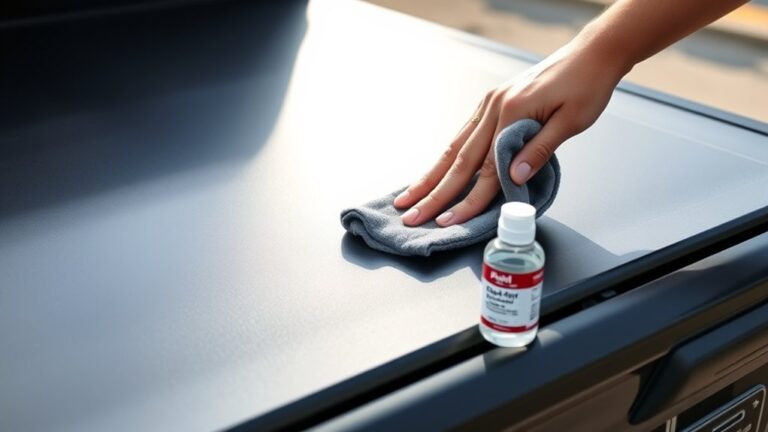
Use edge binding tape or trim to reinforce the cut area, preventing fraying and moisture infiltration. Additionally, apply a fabric protectant spray to restore water repellency.
Regularly inspect the modified edges for signs of wear or sealant degradation and reapply treatments as needed. By following these steps, you’ll extend your tonneau cover’s lifespan and preserve its protective qualities despite the alteration.
Frequently Asked Questions
What Types of Tonneau Covers Can Be Shortened?
You can shorten soft roll-up and tri-fold types of tonneau covers using cutting or trimming methods, while hard folding and retractable types generally require frame adjustments.
Each type demands specific shortening methods for proper fit and function.
Can Shortening a Tonneau Cover Void Its Warranty?
Yes, shortening a tonneau cover can void its warranty due to alteration. You should review warranty terms carefully, as shortening implications often include denial of claims related to fit, function, or damage caused by modifications.
How Long Does the Shortening Process Typically Take?
Like tuning a fine instrument, the shortening duration usually takes about one to two hours. The typical time commitment depends on your tools and skill but expect precise cutting, resealing, and refitting to ensure a perfect fit.
Are Professional Services Recommended for Shortening Tonneau Covers?
Yes, you should consider professional services for shortening tonneau covers to ensure precise adjustments and maintain safety considerations. Experts use specialized tools, reducing risks of damage and guaranteeing a secure, properly fitted cover for your vehicle.
Will Shortening Affect the Cover’s Durability or Lifespan?
Shortening a tonneau cover can be a double-edged sword; if done improperly, the shortening impact may compromise its waterproof seals and stitching, raising durability concerns.
Precision and quality materials are essential to maintain lifespan and performance.
Conclusion
Shortening your tonneau cover is like tailoring a fine suit—precision and patience ensure a flawless fit. By carefully measuring, cutting, sealing, and adjusting, you transform a bulky cover into a sleek, weatherproof shield tailored to your truck bed’s exact dimensions.
Remember, each step safeguards durability and function, so take your time to avoid common pitfalls. With your cover perfectly trimmed and sealed, you’ll enjoy reliable protection, like a custom-fitted armor for your cargo.
Mastering how to shorten a tonneau cover will give you a tailored solution that combines style and functionality for your truck.