Do You Need to Change Oil Filter Every Time
You might wonder if you need to change your oil filter every time you change your oil. The oil filter plays a critical role in trapping contaminants that degrade oil and harm your engine. Skipping this step can lead to buildup and premature wear.
However, some manufacturers suggest extended intervals with quality filters. Understanding when and why to replace your oil filter can protect your engine’s longevity. Yet, the nuances behind these recommendations are often overlooked.
Key Takeaways
- Changing the oil filter with every oil change maintains filtration efficiency and protects the engine from contaminants.
- Clogged filters reduce lubrication quality, increasing engine wear and risk of damage if not replaced regularly.
- Manufacturer guidelines typically recommend oil filter changes every 7,500 to 10,000 miles or with every oil change.
- Skipping filter changes is only advisable if explicitly approved by the manufacturer and after thorough filter inspection.
- Professional replacement ensures proper fit, disposal, and maximizes engine protection compared to DIY changes.
What Does an Oil Filter Do in Your Engine?
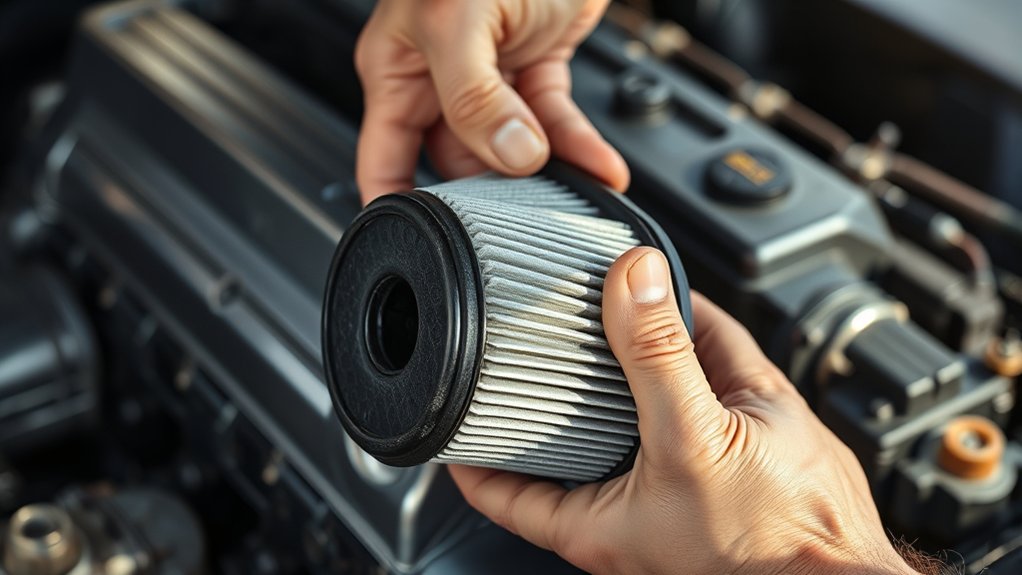
How exactly does an oil filter protect your engine? It traps contaminants like dirt, metal particles, and sludge, preventing them from circulating through your engine’s essential components. This filtration ensures smooth lubrication, reducing wear and extending engine life.
You might encounter irrelevant topics or a random tangent about oil types or additives, but those don’t explain the filter’s core function. The oil filter’s mesh or synthetic media captures harmful debris, maintaining oil cleanliness under high pressure and temperature.
Without it, abrasive particles would cause accelerated engine wear and possible failure. Understanding this precise role helps you appreciate why the oil filter is crucial, not just an accessory. So, focusing on its filtration efficiency clarifies its indispensable protective function for your engine.
Why You Should Change Your Oil Filter Every Time
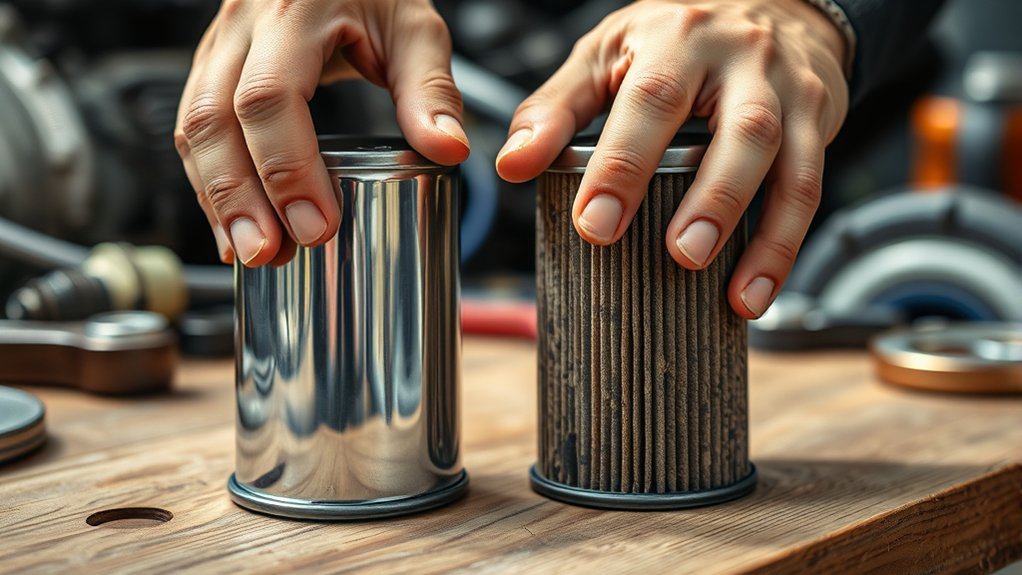
Replacing your oil filter every time you change your oil is essential to maintain optimal engine performance. The oil filter traps contaminants that degrade oil chemistry, such as dirt, metal particles, and combustion byproducts.
Over time, these impurities accumulate, reducing the filter’s efficiency and allowing contaminants to circulate, which compromises engine lubrication. Continued use of a clogged filter leads to increased engine wear, reduced oil flow, and higher operating temperatures.
When Is It Safe to Skip Changing the Oil Filter?
You can skip changing the oil filter if your vehicle’s manufacturer explicitly allows it under certain conditions. Always inspect the filter’s condition for damage or excessive debris before deciding.
Additionally, extended oil change intervals with high-quality filters may permit less frequent replacements without compromising engine protection.
Manufacturer Recommendations Matter
Although skipping an oil filter change might seem convenient, adhering to your vehicle manufacturer’s recommendations ensures optimal engine performance and longevity. Manufacturers design oil filtration systems specific to engine lubrication requirements, accounting for factors like oil type, driving conditions, and engine design.
Following their maintenance intervals guarantees the filter effectively traps contaminants, preserving oil cleanliness and protecting engine components. Ignoring these guidelines risks reduced filtration efficiency, leading to increased wear and potential engine damage.
While some modern engines and synthetic oils allow extended oil change intervals, the oil filter’s condition remains critical. Therefore, you should always consult your owner’s manual or manufacturer advisories before deciding to skip an oil filter change. Trusting expert recommendations maintains your engine’s reliability and maximizes its service life.
Filter Condition Inspection
How can you determine if skipping an oil filter change is safe? First, inspect the filter condition carefully. Examine the filter material for clogging or damage and verify vehicle compatibility.
High-quality filters with superior materials may tolerate extended use, but degradation signs mean replacement is necessary.
| Inspection Aspect | Criteria for Skipping Change |
|---|---|
| Filter Material | Durable synthetic; no visible damage |
| Contaminant Level | Minimal sludge or debris |
| Filter Housing | Intact, no cracks or leaks |
| Vehicle Compatibility | Approved for extended intervals |
| Oil Analysis | Shows low contaminants and wear metals |
Perform this inspection every oil change to ensure your filter functions optimally before deciding to skip replacement.
Extended Oil Change Intervals
When can you safely extend oil change intervals without replacing the oil filter? You can consider skipping the filter replacement only if you use high-quality synthetic oil with extended life ratings and drive under ideal conditions: steady speeds, moderate temperatures, and minimal stop-and-go traffic.
Modern filters designed for extended intervals can maintain filtration efficiency, preventing contaminants that cause irreversible wear. However, neglecting filter changes risks particle buildup, which undermines fuel efficiency and accelerates engine wear.
Always consult your vehicle manufacturer’s guidelines and monitor oil condition regularly. If the oil remains clean and the filter shows no clogging during inspections, you might extend intervals cautiously. But remember, the oil filter’s role in trapping debris is critical. Skipping its replacement increases the risk of engine damage despite prolonged oil use.
Recommended Oil Filter Change Intervals
You should follow the oil filter change intervals specified in your vehicle’s manufacturer guidelines to maintain optimal engine performance.
Keep in mind that severe driving conditions, like frequent short trips or dusty environments, can necessitate more frequent changes. Understanding these factors helps you decide the best schedule for replacing your oil filter.
Manufacturer Guidelines Overview
Why do manufacturers set specific intervals for changing oil filters? The answer lies in ensuring optimal engine performance and longevity. They base these intervals on rigorous testing. The first idea involves assessing filter efficiency degradation over time, while the second examines contaminant accumulation impacting oil flow.
Following manufacturer guidelines helps you maintain proper filtration, preventing premature engine wear. Typically, these intervals range from 7,500 to 10,000 miles, but they can vary depending on the engine design and oil type used.
Driving Conditions Impact
Manufacturer guidelines provide a baseline for oil filter change intervals, but driving conditions considerably influence how often you should replace the filter. Ignoring these factors and focusing on an irrelevant topic or unrelated subject can lead to premature engine wear. Consider these key conditions:
- Frequent short trips prevent oil from reaching optimal temperature, increasing contaminant buildup.
- Driving in dusty or sandy environments accelerates filter clogging.
- Stop-and-go traffic results in higher engine stress and oil degradation.
- Towing heavy loads or driving uphill raises engine temperature, demanding more frequent filter changes.
Warning Signs Your Oil Filter Needs Immediate Replacement
How can you tell when your oil filter demands immediate replacement? Key warning signs include a sudden drop in oil pressure, engine overheating, and unusual engine noises. These symptoms indicate the filter is clogged, restricting oil flow and risking irreversible damage to engine components.
You might also notice dark, dirty oil on the dipstick, signaling the filter’s failure to trap contaminants effectively. Don’t let brand loyalty tempt you to delay replacement; even trusted filters degrade over time.
Prioritize timely changes based on these technical indicators rather than relying solely on mileage or preferred brands. Acting promptly prevents costly engine repairs and maintains optimal performance. Recognizing these signs helps you avoid permanent damage and keeps your vehicle running smoothly.
Risks of Not Replacing Your Oil Filter Regularly
Ignoring the warning signs of a failing oil filter can lead to serious consequences for your engine’s health. Many oil filter myths suggest you can extend filter use without harm, but reduced filtration efficiency tells a different story.
Here are key risks you face by not replacing your oil filter regularly:
- Contaminant buildup: Dirty filters clog, allowing debris to circulate and damage engine components.
- Reduced oil flow: A clogged filter restricts oil circulation, causing increased engine wear and overheating.
- Bypass valve activation: When pressure rises, the valve opens, letting unfiltered oil flow, defeating filtration purpose.
- Engine failure risk: Prolonged neglect leads to severe engine damage and costly repairs.
Replacing your oil filter maintains optimal filtration efficiency, protecting your engine from these avoidable risks.
How Changing Your Oil Filter Saves You Money
Why should you prioritize changing your oil filter regularly? Maintaining optimal oil filtration is critical for your engine’s longevity and performance. Over time, a clogged filter reduces filter efficiency, allowing contaminants to circulate, which accelerates engine wear.
By changing your oil filter at each oil change, you ensure consistent filtration, protecting vital engine components from abrasive particles. This preventive step minimizes costly repairs caused by sludge buildup and premature engine failure.
Moreover, maintaining filter efficiency helps your engine run smoothly, improving fuel economy and reducing operational costs. Ultimately, investing in timely oil filter replacement saves you money by extending engine life, maximizing engine performance, and avoiding expensive maintenance.
Prioritizing oil filtration isn’t just maintenance; it’s a financially sound strategy to protect your vehicle.
DIY or Professional Oil Filter Replacement: Which Is Better?
Maintaining your oil filter regularly protects your engine, but deciding whether to replace it yourself or hire a professional can impact both cost and quality. If you choose DIY, be mindful of novice mistakes like improper seal installation or over-tightening.
Professionals have the expertise and tools to ensure a precise fit and proper disposal. Consider these points:
- DIY saves money but risks errors affecting engine performance.
- Professionals handle filter recycling responsibly, reducing environmental impact.
- DIY requires time, skills, and access to correct tools.
- Professionals provide warranty coverage and quality assurance.
Weigh your comfort with mechanical tasks against the benefits of expert service to make the best choice for your vehicle’s longevity.
How to Choose the Right Oil Filter for Your Vehicle
You need to select an oil filter that matches your vehicle’s specifications to ensure proper fit and function. Pay close attention to the filter material, as synthetic fibers typically offer better filtration and durability compared to cellulose.
Choosing the right combination protects your engine and optimizes performance.
Vehicle Compatibility Matters
How do you guarantee the oil filter you choose matches your vehicle’s specifications? Ensuring compatibility is essential to maintain engine aesthetics and performance. Follow these steps:
- Consult Manufacturer Specs: Always reference your vehicle’s manual for recommended filter models and dimensions.
- Check Thread Size and Seal Compatibility: Confirm the filter’s thread pitch and sealing surface match your engine to prevent leaks.
- Evaluate Filter Packaging: Opt for filters with secure packaging to avoid damage during shipping, which can affect filter integrity.
- Consider Engine Aesthetics: Choose a filter design that fits seamlessly without obstructing surrounding components, preserving your engine bay’s layout.
Filter Material Types
Why does the choice of filter material matter when selecting an oil filter for your vehicle? Oil filter materials directly impact filtration efficiency, which determines how effectively contaminants are removed from engine oil.
Common materials include cellulose, synthetic fibers, and blends. Cellulose filters offer cost-effective basic filtration but degrade faster and have lower efficiency. Synthetic fiber filters provide superior filtration efficiency, capturing smaller particles and lasting longer under high temperatures.
Blended materials balance cost and performance, improving durability while maintaining good filtration. When choosing, consider your vehicle’s engine demands and operating conditions.
Higher-performance engines benefit from synthetic media due to enhanced contaminant capture and extended service life. Understanding oil filter materials ensures you select an oil filter that maintains engine health by optimizing filtration efficiency and durability.
Tips to Maintain Your Oil Filter Between Changes
When exactly should you intervene to prolong your oil filter’s efficiency between changes? Avoid addressing this from an irrelevant topic or unrelated angle; focus strictly on maintenance.
Here are four precise tips:
- Monitor Oil Quality: Use a dipstick or oil analyzer to detect contamination early, preventing filter overload.
- Inspect for Leaks: Regularly check the filter housing for signs of oil leaks, which indicate compromised seals or improper installation.
- Maintain Engine Cleanliness: Keep your engine clean to reduce debris entering the oil system, easing the filter’s workload.
- Use High-Quality Oil: Choose oil compatible with your filter type to minimize residue buildup and extend filter life.
These targeted actions help maintain your oil filter’s performance efficiently between scheduled changes.
Frequently Asked Questions
Can Using a Reusable Oil Filter Save Money?
Yes, using reusable filters can save you money by reducing waste and replacement frequency. Their durable design offers cost savings over time, but you must clean and maintain them properly to ensure optimal engine performance and filtration efficiency.
Does Oil Filter Brand Affect Engine Performance?
Yes, oil filter branding affects engine performance because high-quality brands use superior materials and filtration technology. This ensures efficient contaminant removal and optimal oil flow, which helps maintain engine health and performance over time.
How to Dispose of Used Oil Filters Properly?
You should drain used oil filters completely, then store them in sealed containers. Disposing oil filters safely means taking them to recycling centers that handle automotive waste.
Ensuring recycling used filters prevents environmental contamination and recovers valuable metals.
Are Oil Filters the Same for All Engine Types?
When you swap a V6 for a turbocharged four-cylinder, you’ll notice oil filter compatibility varies due to engine type differences.
Filters are designed specifically, so using the wrong one risks poor filtration and engine damage.
Can a Clogged Oil Filter Cause Engine Noise?
Yes, a clogged oil filter can cause engine noise by restricting oil flow. Regular oil filter testing and timely replacement of replaceable filters are essential for accurate noise diagnosis and optimal maintenance timing to protect your engine.
Conclusion
You shouldn’t skip swapping your oil filter at every oil change. Consistently changing the filter captures contaminants, curbs corrosion, and keeps your engine’s efficiency excellent. While some scenarios allow skipping, sticking to scheduled swaps safeguards smooth system performance and saves substantial repair costs.
Stay sharp—select superior filters, spot signs swiftly, and service smartly. By prioritizing proper filter maintenance, you preserve power, prevent premature problems, and promote peak performance throughout your vehicle’s lifespan.
In conclusion, changing your oil filter every time is essential to maintain your engine’s health and ensure optimal operation.