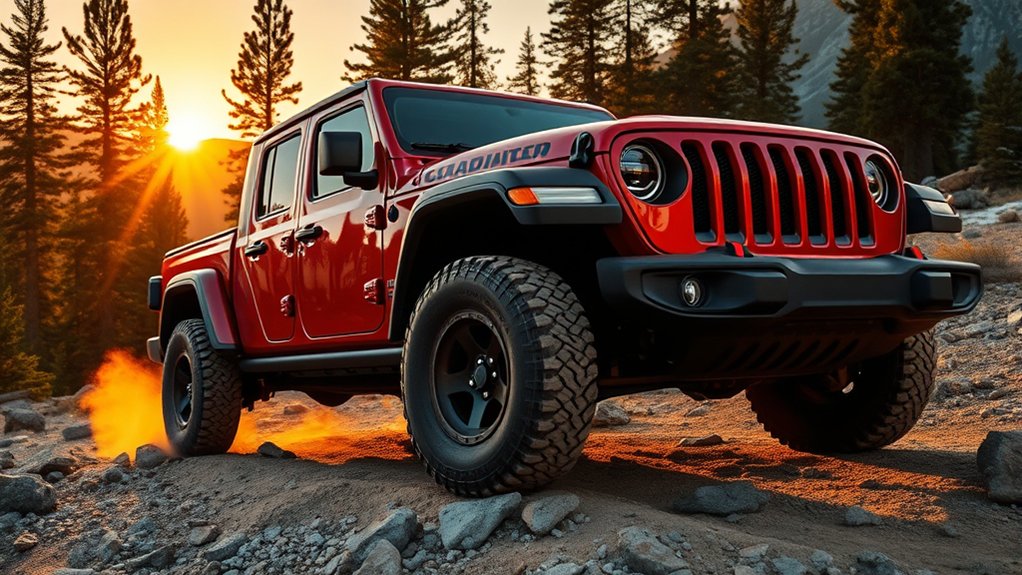
Are Jeep Gladiators Reliable
Imagine relying on a tool that performs steadily but occasionally demands extra care to keep it in top shape—that’s much like owning a Jeep Gladiator.
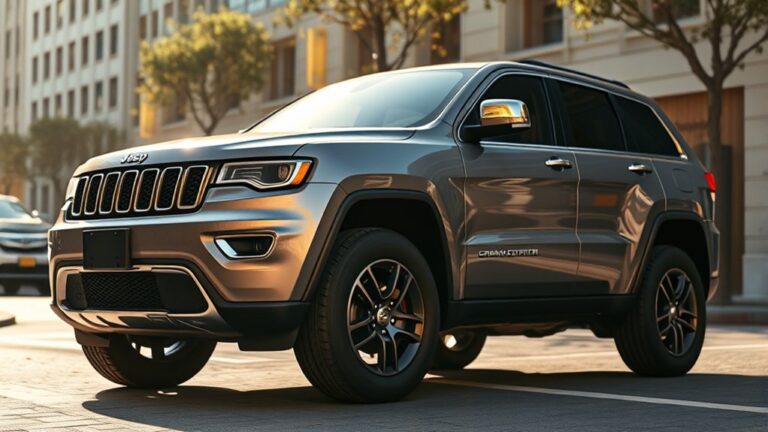
When considering if Jeep Gladiators are reliable, it’s important to note that these trucks score around average in reliability ratings and boast a rugged build suited for both city streets and off-road trails.
They’re not without quirks, such as engine vibrations and suspension wear, which can require attention over time.
Understanding these details can help you decide if a Gladiator fits your needs and how to manage its upkeep effectively.
Key Takeaways
- Jeep Gladiator reliability is rated average among midsize trucks by Consumer Reports and J.D. Power, with balanced build quality and durability assessments.
- The Gladiator’s reliability record is limited due to its recent release, so long-term dependability is still being established.
- Common issues include engine vibrations, lower fuel efficiency, occasional transmission shifting problems, and suspension or brake wear with heavy use.
- Routine maintenance every 6,000 to 10,000 miles, including oil changes and brake inspections, supports Gladiator reliability and longevity.
- Versatile features like the convertible roof and removable doors add practical value but require mindful upkeep to maintain durability.
Jeep Gladiator Reliability: What the Ratings Say
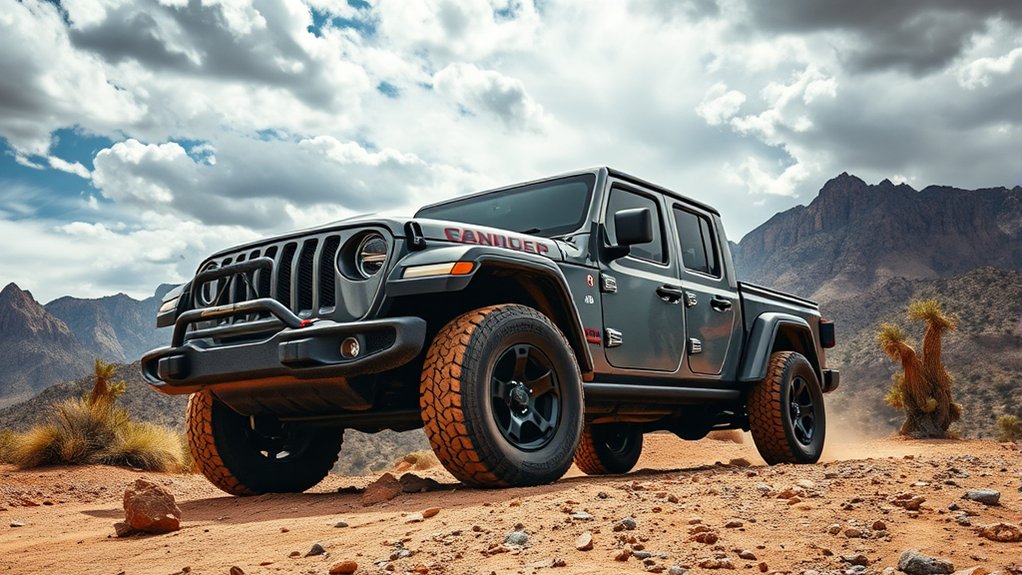
How reliable is the Jeep Gladiator according to industry ratings? You’ll find that it performs moderately well, with reliability scores often rated as average compared to other midsize trucks.
Consumer Reports and J.D. Power highlight a few two word ideas like “build quality” and “durability ratings” to assess the Gladiator’s reliability. While some ratings praise its rugged design and off-road capability, they also note that it hasn’t yet established a long-term reliability track record due to its relatively recent release.
You shouldn’t take these ratings as definitive but rather as a balanced overview. Avoid getting off topic by focusing on the ratings themselves rather than specific mechanical issues, which are covered separately, to understand how the Gladiator stacks up reliability-wise.
Common Mechanical Issues in Jeep Gladiators
You might notice some engine performance concerns that affect acceleration and fuel efficiency in Jeep Gladiators. Transmission problems, including rough shifting or delayed engagement, have also been reported.
Additionally, suspension and brake issues can impact ride comfort and stopping power, so it’s important to stay informed about these common mechanical challenges.
Engine Performance Concerns
Why do some Jeep Gladiator owners report engine performance concerns? Many point to noticeable engine vibration during idling or acceleration, which can indicate issues like misfires or unbalanced components. This vibration not only affects driving comfort but may signal deeper mechanical problems requiring prompt attention.
Additionally, some owners experience lower fuel economy than expected, often linked to factors such as engine tuning, air intake restrictions, or sensor malfunctions. These issues can cause the engine to work harder, reducing efficiency and increasing fuel consumption.
While the Gladiator’s engine generally offers solid performance, staying alert to changes in vibration and fuel economy helps you address potential problems early, ensuring your vehicle runs smoothly and maintains reliability over time.
Transmission Problems Overview
When do transmission issues typically arise in Jeep Gladiators, and what should you watch for? Transmission problems often surface after prolonged use or under heavy towing conditions. You might notice delayed shifting, slipping gears, or unusual noises. These symptoms can indicate concerns with transmission reliability, which is essential for maintaining smooth vehicle operation.
One common cause is inadequate gear lubrication, leading to increased wear and heat buildup. Ensuring proper maintenance, such as regular fluid checks and timely replacements, helps preserve transmission function.
Additionally, some Gladiator owners report occasional rough shifts in specific models, highlighting the need for attentive monitoring. By staying alert to these signs and adhering to maintenance schedules, you can minimize transmission-related issues and extend the life of your Jeep Gladiator’s drivetrain.
Suspension And Brake Issues
How do suspension and brake issues affect the overall performance of Jeep Gladiators? Suspension problems can lead to reduced ride comfort, poor handling, and uneven tire wear, directly impacting your driving experience and safety.
Many Gladiator owners opt for suspension upgrades to improve durability and off-road capability, addressing factory limitations.
Brake concerns often revolve around brake rotor durability, as some users report premature wear or warping under heavy use. This can cause vibrations during braking and decreased stopping power, which compromises safety.
Regular inspection and timely replacement of brake components are crucial to maintaining optimal performance. By staying proactive with suspension maintenance and monitoring brake rotor condition, you can ensure your Jeep Gladiator remains reliable, safe, and capable across various driving conditions.
Daily Driving Reliability of the Jeep Gladiator
Although the Jeep Gladiator is primarily designed for off-road performance, it holds up well as a daily driver thanks to its solid build quality and dependable powertrain. You’ll find that its reliability ratings reflect consistent performance in everyday conditions, making it a practical choice for daily usability.
The Gladiator’s comfortable cabin, user-friendly controls, and manageable ride quality contribute to a smooth driving experience during commutes or errands. While it’s larger than typical daily drivers, its handling remains predictable on paved roads.
Routine maintenance is straightforward, supporting dependable operation over time. However, be aware that fuel economy and ride stiffness may differ from conventional trucks, factors worth considering if daily comfort is a priority.
How Tough Is the Jeep Gladiator Off-Road?
What makes the Jeep Gladiator stand out in off-road conditions is its combination of rugged design and advanced features tailored for challenging terrain. You’ll appreciate its solid axle setup, high ground clearance, and locking differentials that help maintain traction on uneven surfaces.
The suspension system absorbs shocks effectively, allowing you to tackle rocky trails and muddy paths with confidence. While navigating off-road, you should remain mindful of soil erosion risks, especially in sensitive environments, to minimize environmental impact.
Urban planning increasingly considers the balance between recreational off-roading and conservation efforts, promoting responsible trail use. The Gladiator’s durable build and off-road capabilities make it a reliable choice for enthusiasts who demand toughness without compromising environmental awareness.
Maintenance Costs and Service Intervals for Jeep Gladiators
You’ll need to keep up with routine maintenance like oil changes, brake inspections, and tire rotations to ensure your Jeep Gladiator runs smoothly. Typical service costs vary but generally align with other midsize trucks, balancing quality and affordability.
Following the recommended service schedule, usually every 6,000 to 10,000 miles, helps prevent costly repairs and maintains reliability over time.
Routine Maintenance Requirements
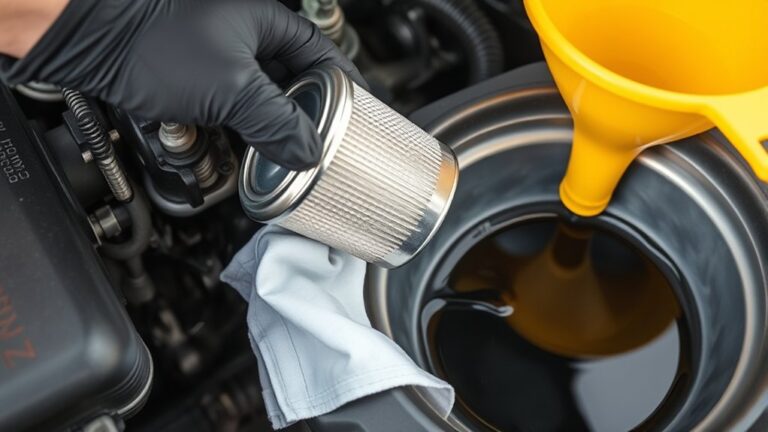
How often should you service a Jeep Gladiator to keep it running smoothly? Generally, you’ll want to follow the manufacturer’s recommended service intervals, which typically suggest oil changes every 6,000 miles and comprehensive inspections every 12,000 miles.
Because of certain Gladiator quirks, like its unique suspension and drivetrain components, it’s crucial to stick to these schedules to avoid premature wear. If you’re buying used, pay close attention to prior ownership and maintenance records since skipped services can lead to costly repairs.
Routine checks should include fluid levels, brake conditions, and tire wear, especially if you use your Gladiator off-road frequently. Staying on top of routine maintenance not only ensures reliability but also helps preserve the vehicle’s value and performance over time.
Typical Service Costs
Wondering about the typical service costs for a Jeep Gladiator? You can expect maintenance expenses to align closely with other midsize pickup trucks. Regular oil changes, tire rotations, and brake inspections usually fall within reasonable price ranges, making upkeep manageable.
Discussion idea one involves understanding that service intervals typically occur every 6,000 to 8,000 miles, depending on your driving habits and conditions. Discussion idea two focuses on potential repair costs, which tend to be moderate unless you face unusual wear from off-roading or heavy towing.
Recommended Service Schedule
When should you schedule maintenance to keep your Jeep Gladiator running smoothly? Following the manufacturer’s recommended service schedule is key. Typically, you’ll want oil changes every 6,000 miles and tire rotations every 7,500 miles.
Brake inspections and fluid checks should occur at least once a year or every 15,000 miles. Addressing these intervals helps debunk common reliability myths that Gladiators require excessive upkeep.
Regular maintenance prevents costly repairs and disproves maintenance myths suggesting high expenses. Staying on schedule ensures your Gladiator performs reliably over time.
Make certain to consult your owner’s manual for specific recommendations tailored to your model and driving habits. Keeping up with routine service not only extends your truck’s life but also maintains its resale value and safety.
How the Jeep Gladiator Compares to Other Midsize Trucks
Why should you consider the Jeep Gladiator among midsize trucks? When analyzing interior features, the Gladiator offers a unique blend of ruggedness and comfort, with durable materials and user-friendly technology that rivals competitors like the Toyota Tacoma and Ford Ranger.
Its convertible roof and removable doors provide versatility unmatched in this segment. Regarding exterior colorways, the Gladiator shines with a variety of bold and classic options, giving you more choices to match your style compared to some midsize trucks that offer limited palettes.
While it may not lead in towing capacity or fuel efficiency, the Gladiator stands out for its off-road capability and distinctive design. Overall, it’s a strong contender if you want a midsize truck that balances utility with iconic Jeep character.
What Owners Say About Jeep Gladiator Reliability Over Time
Beyond its standout features and design, the real test of the Jeep Gladiator’s reliability comes from those who own and drive it daily. Many owners appreciate how the Gladiator aesthetics combine rugged looks with practical durability, making it a versatile truck for both urban and off-road use.
Feedback often highlights that, over time, the vehicle maintains its structural integrity and performance, even when equipped with various off road accessories. Some users report minor issues related to electronics or wear on suspension components, but these don’t significantly impact overall reliability.
You’ll find that regular maintenance and mindful use help preserve the Gladiator’s longevity. Overall, owner experiences suggest the Gladiator balances style and toughness well, earning a solid reputation for dependability in diverse conditions.
Tips to Keep Your Jeep Gladiator Running Smoothly
How can you ensure your Jeep Gladiator stays in peak condition for years to come? Regular maintenance is key. Change the oil and filters as recommended, and inspect the brakes, suspension, and tires frequently, especially if you use off road accessories that stress these components.
Keep an eye on fluid levels, including coolant, transmission, and differential fluids, to prevent overheating and wear. Clean and protect your Gladiator aesthetics by washing off mud and debris promptly to avoid corrosion and preserve its appearance.
When installing off road accessories, choose quality parts designed for your model and have them professionally installed to maintain reliability. Lastly, follow the manufacturer’s service schedule and address unusual noises or performance issues immediately to keep your Jeep Gladiator running smoothly and reliably.
Frequently Asked Questions
What Is the Fuel Economy of the Jeep Gladiator?
You’ll get around 17-23 MPG in the Jeep Gladiator, depending on engine options. The V6 offers better fuel economy, while the diesel engine improves efficiency, so choose based on your driving needs and fuel economy priorities.
Does the Jeep Gladiator Have Advanced Safety Features?
You’ll find the Jeep Gladiator offers some advanced safety features, though it might not lead the pack. While it includes essentials like blind spot monitoring, reliability concerns mean you should weigh these benefits carefully before deciding.
How Customizable Is the Jeep Gladiator’s Interior?
You’ll find the Jeep Gladiator’s interior highly customizable, with premium interior materials and options to reduce cabin noise.
You can tailor trims, seating, and tech features to create a comfortable, quieter driving experience that suits you.
What Are the Available Engine Options for the Jeep Gladiator?
You’ll find the Jeep Gladiator offers two main engine options: a 3.6L V6 and a 3.0L EcoDiesel V6.
This engine options discussion highlights ongoing reliability improvements to enhance performance and durability.
Is the Jeep Gladiator Suitable for Towing Heavy Loads?
You’ll find Gladiator towing capabilities strong, handling up to 7,650 pounds. Plus, its interior customization lets you tailor comfort and utility, making it a versatile choice for hauling heavy loads confidently and comfortably.
Conclusion
If you’re considering a Jeep Gladiator, expect steady strength and solid performance, especially off-road. While some common concerns like engine vibration and suspension wear surface, staying sharp with scheduled service safeguards your ride.
Compared to other midsize trucks, the Gladiator delivers dependable daily driving and durable design. By prioritizing proper maintenance, you’ll preserve its power and prolong its promise.
This approach ensures your Gladiator remains a reliable, rugged companion for every adventure, confirming that Jeep Gladiators are reliable vehicles you can count on.