What Is Volkswagen 4motion
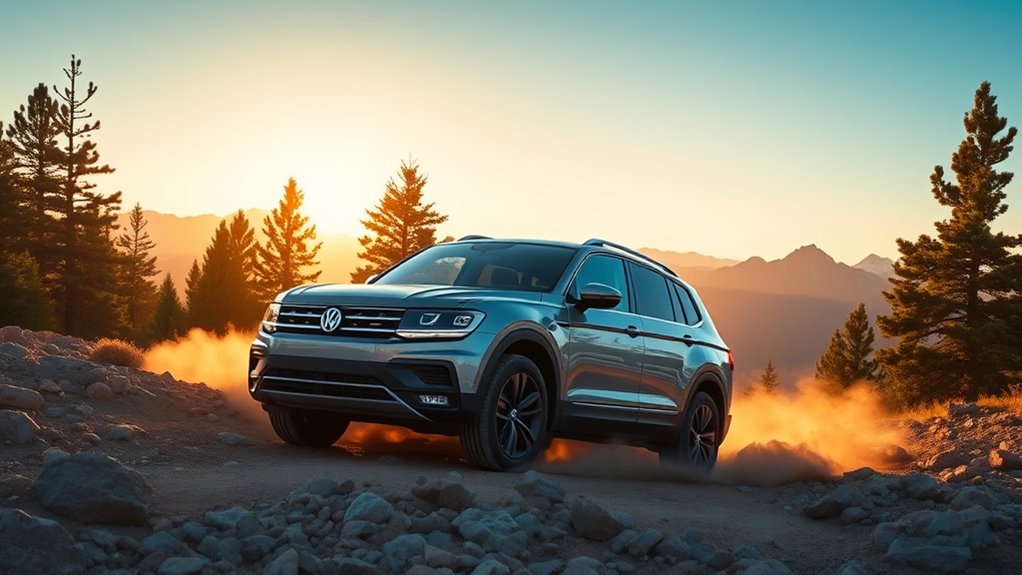
Volkswagen 4MOTION is more than just a simple all-wheel-drive system. It actively monitors road conditions and redistributes torque between axles in milliseconds.
This precise control relies on advanced sensors and a specialized coupling to optimize grip without any input from you. Understanding how this technology works reveals why it stands apart in enhancing vehicle stability and traction under varying conditions.
Ultimately, Volkswagen 4MOTION sets the stage for safer, more confident driving.
Key Takeaways
- Volkswagen 4MOTION is an electronically controlled all-wheel-drive system that dynamically distributes torque between front and rear wheels.
- It uses a Haldex clutch and sensors to detect wheel slip and send power to the rear axle when needed.
- The system enhances vehicle stability, traction, and handling on varying road surfaces without driver intervention.
- 4MOTION integrates with electronic stability control and drivetrain components for seamless torque adjustment during cornering and slippery conditions.
- Available on multiple Volkswagen models, it improves safety and driver confidence by optimizing grip and preventing skidding.
What Is Volkswagen 4MOTION?
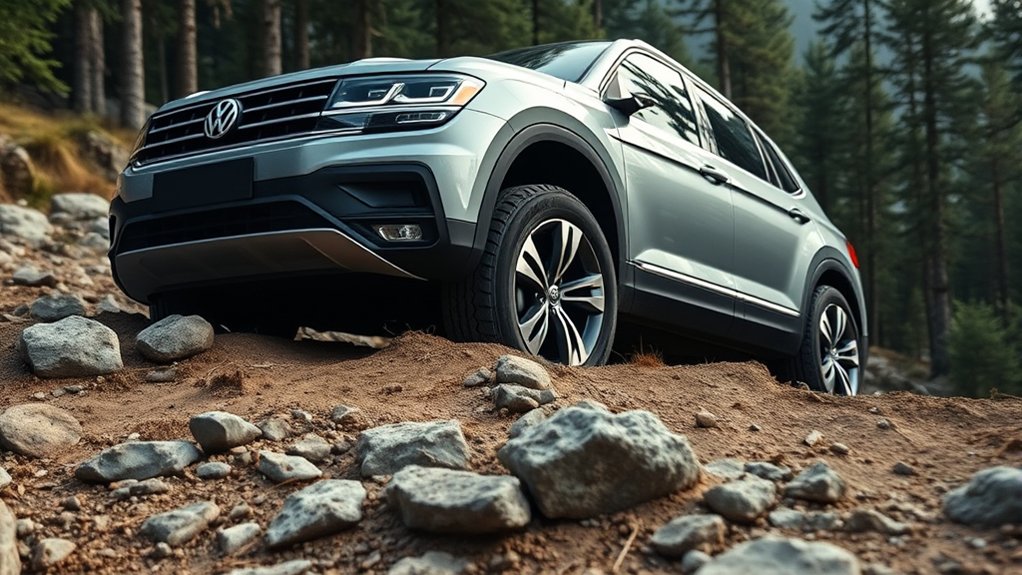
Although many all-wheel-drive systems exist, Volkswagen 4MOTION stands out as a sophisticated, electronically controlled four-wheel-drive technology designed to optimize traction and stability. When you engage with 4MOTION, you experience innovative branding that reflects Volkswagen’s commitment to precision engineering.
This system intelligently distributes torque between the front and rear axles, enhancing grip on various surfaces without driver intervention. If you’re considering aftermarket upgrades, 4MOTION-compatible components maintain system integrity, ensuring performance gains without compromising reliability.
This approach supports seamless integration with suspension and drivetrain modifications, enabling you to tailor your vehicle for diverse driving conditions. By choosing Volkswagen’s 4MOTION, you leverage a well-calibrated, dynamic system that balances efficiency, control, and safety for an optimized driving experience.
How Does 4MOTION Work?
How exactly does Volkswagen’s 4MOTION system manage power distribution to optimize traction? At its core, 4MOTION uses a sophisticated coupling mechanism that constantly monitors wheel slip and adjusts torque accordingly.
Here’s how 4MOTION works to keep you stable and in control:
A Haldex clutch engages and disengages to send power to the rear wheels when front-wheel slip is detected.
Sensors continuously track wheel speed, throttle input, and steering angle to determine optimal torque distribution.
The system reacts within milliseconds, shifting torque seamlessly to the wheels with the most grip, enhancing stability on varying surfaces.
4MOTION vs. Other AWD Systems: What Makes It Different
When comparing 4MOTION to other AWD systems, you’ll notice differences in torque distribution techniques that optimize traction and efficiency. 4MOTION adjusts torque proactively, responding faster to changing road conditions than many competitors.
Understanding these response times helps you appreciate how Volkswagen balances performance and safety.
Torque Distribution Techniques
What sets Volkswagen’s 4MOTION apart from other all-wheel-drive systems lies in its sophisticated torque distribution techniques. Through detailed analysis and discussion, you’ll find that 4MOTION uses an intelligent system combining mechanical and electronic components to optimize traction. Unlike some AWD systems that rely solely on fixed torque splits, 4MOTION dynamically adjusts torque based on driving conditions.
Key features include:
- A Haldex clutch system that actively modulates torque between front and rear axles for improved stability.
- Electronic sensors that continuously monitor wheel slip, enabling precise torque redistribution.
- Integration with vehicle stability control to adapt torque delivery during cornering and slippery surfaces.
This means you get enhanced grip and better handling, setting 4MOTION apart in the AWD landscape.
System Response Time
Why does system response time matter so much in all-wheel-drive performance? It directly impacts how quickly your vehicle adapts to changing traction conditions.
Volkswagen 4motion’s system boasts a notably faster response time compared to many AWD competitors, thanks to its advanced sensors and real-time vehicle diagnostics. These diagnostics continuously monitor wheel slip, steering angle, and throttle input, enabling near-instant torque redistribution.
This rapid system response time minimizes power loss and enhances stability, giving you confident handling on slippery or uneven surfaces. Unlike some AWD systems that rely on mechanical clutches, 4motion’s electronically controlled setup ensures quicker engagement and adjustment.
When you drive a vehicle equipped with 4motion, you benefit from a precisely calibrated system that reacts swiftly, maintaining optimal traction and control without delay.
How 4MOTION Improves Traction and Stability
You’ll notice 4MOTION enhances grip control by constantly monitoring wheel slip and adjusting torque accordingly. It dynamically distributes power between the front and rear axles to optimize traction under varying conditions.
This system also improves cornering stability by managing torque delivery during turns, helping you maintain precise control.
Enhanced Grip Control
How does Volkswagen’s 4MOTION system enhance traction and stability under varying road conditions? It actively manages enhanced grip by continuously monitoring wheel speeds and adjusting power delivery through advanced traction control algorithms. This real-time response minimizes wheel slip, ensuring you maintain control even on slippery surfaces.
Key technical features include:
- Multi-sensor integration: Combines data from wheel speed sensors, throttle position, and yaw rate to optimize grip.
- Selective brake application: Applies braking force to slipping wheels, redirecting torque to wheels with better traction.
- Adaptive response timing: Adjusts traction control sensitivity based on speed and terrain for optimal stability.
Dynamic Power Distribution
What makes Volkswagen’s 4MOTION system stand out in maintaining traction is its dynamic power distribution capability. It continuously adjusts torque between front and rear axles based on real-time road conditions, enhancing grip and preventing wheel slip. This dynamic styling of power allocation optimizes stability without driver intervention, supporting confident handling in diverse environments.
As market adoption grows, 4MOTION remains a benchmark for advanced all-wheel-drive systems.
| Condition | Torque Distribution | Traction Benefit |
|---|---|---|
| Slippery surfaces | More torque to rear wheels | Prevents front-wheel slip |
| Dry pavement | Balanced front/rear torque | Maximizes efficiency |
| Variable terrain | Adaptive power shift | Maintains optimal traction |
This precision ensures you stay in control, regardless of driving challenges.
Improved Cornering Stability
Why does cornering feel more controlled with Volkswagen’s 4MOTION system? It actively counteracts the imprecise design tendencies common in conventional drivetrains by dynamically distributing torque to the wheels with the most grip. This precise torque vectoring improves traction and reduces understeer or oversteer during turns, providing you with enhanced stability.
Key mechanisms include:
- Real-time torque adjustment to individual wheels based on sensor input
- Integration with stability control systems to preemptively correct slip
- Efficient power transfer that maintains fuel economy despite increased traction
Volkswagen Models Equipped With 4MOTION
Which Volkswagen models come equipped with the 4MOTION all-wheel-drive system? You’ll find 4MOTION in several key Volkswagen vehicles, including the Tiguan, Atlas, Golf R, and Passat Alltrack.
Each model integrates a sophisticated Haldex-based or Torsen differential system, depending on the platform, providing dynamic torque distribution that enhances traction and performance. Despite some conspiracy theories questioning the system’s efficacy, Volkswagen’s engineering rigor and brand loyalty speak to 4MOTION’s reliability and precision.
For example, the Golf R uses a high-performance 4MOTION system that actively manages power between front and rear axles for optimal cornering and acceleration. Meanwhile, SUVs like the Atlas employ 4MOTION to handle diverse terrains with stability.
Understanding your specific model’s 4MOTION setup helps you appreciate the technology’s tailored functionality.
Safety and Confidence Benefits of 4MOTION
How does Volkswagen’s 4MOTION system enhance your driving safety and confidence? By intelligently distributing torque between all four wheels, 4MOTION optimizes traction and stability, indispensable for navigating diverse road conditions.
This advanced all-wheel-drive system integrates principles aligned with exploration ethics and AI safety, ensuring reliable performance without compromising responsible innovation.
Key safety and confidence benefits include:
- Enhanced grip on slippery or uneven surfaces, reducing slip risk.
- Dynamic torque vectoring that adapts in real time to maintain control during cornering or sudden maneuvers.
- Seamless integration with electronic stability control and braking systems to prevent skidding.
Frequently Asked Questions
Is 4MOTION Available on Electric Volkswagen Vehicles?
Yes, you’ll find 4motion on select electric Volkswagens, enhancing off road traction and AWD efficiency. This system actively manages torque distribution, ensuring optimal grip and stability in diverse driving conditions, maximizing electric AWD performance.
How Does 4MOTION Affect Fuel Efficiency?
4Motion typically reduces fuel efficiency due to additional drivetrain components increasing weight and mechanical drag.
You shouldn’t confuse this two word discussion ideas with irrelevant topic details; it’s a precise trade-off favoring traction and control over economy.
Can 4MOTION Be Added to Non-Equipped Volkswagen Models?
You can’t simply snap 4motion onto your Volkswagen like a new badge. Add on feasibility is low due to complex drivetrain integration, and aftermarket compatibility is limited, requiring extensive modifications beyond typical upgrades.
What Maintenance Does the 4MOTION System Require?
You’ll follow Volkswagen’s maintenance schedule for 4Motion, focusing on regular transfer case fluid changes and differential inspections.
Staying current reduces service costs by preventing wear, ensuring optimal all-wheel-drive performance and system longevity.
Does 4MOTION Improve Off-Road Driving Capabilities?
Sure, 4motion doesn’t magically turn you into an off-road legend, but it considerably boosts off-road handling by distributing torque precisely. Its advanced traction control system tackles slippery terrain, giving you much better grip and confidence on rough trails.
Conclusion
You’ll experience enhanced traction on slippery roads, improved stability through sharp corners, and seamless power distribution without effort. Volkswagen 4MOTION actively senses, dynamically adjusts, and precisely controls torque to keep you confident in any condition.
Whether you’re facing rain, snow, or uneven terrain, 4MOTION delivers reliable grip, optimized handling, and heightened safety. Trust this advanced AWD system to support your driving performance, protect your journey, and elevate your control every mile you drive.
Experience the difference that Volkswagen 4MOTION makes, combining innovative technology with dependable performance to keep you secure and in command on every road.