Will Volkswagen Bring Back the Beetle
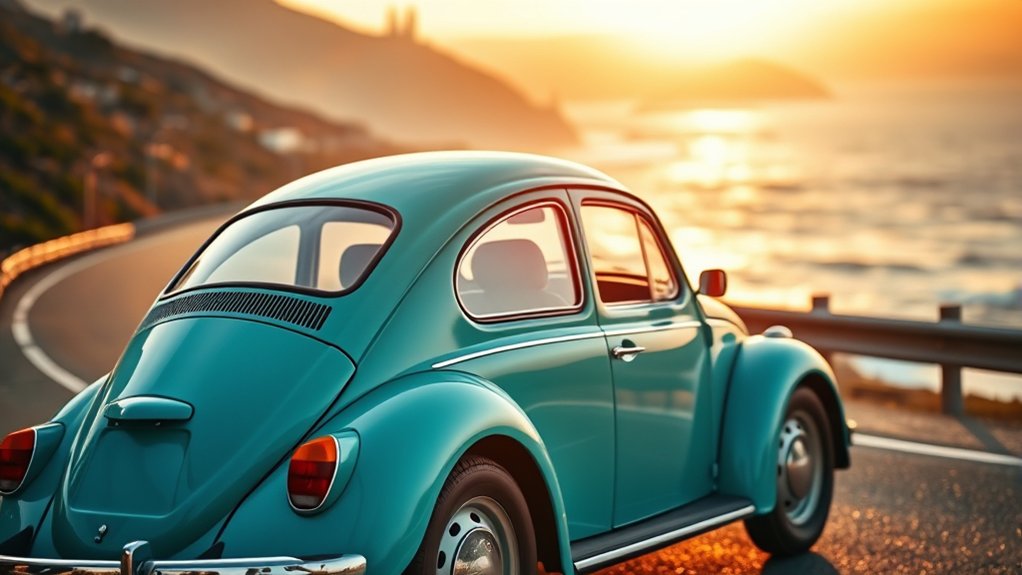
Imagine the iconic curves of the Volkswagen Beetle reimagined with a sleek, electric powertrain under its hood. Will Volkswagen bring back the Beetle as part of its new electric vehicle lineup? This blend of nostalgia and innovation sparks curiosity about its potential return in today’s EV-driven market.
Volkswagen’s shift to electrification presents exciting opportunities but also raises questions about design, safety, and brand focus. The answer isn’t straightforward, but exploring these factors reveals what a Beetle revival might really look like.
Key Takeaways
- Volkswagen discontinued the Beetle in 2019 due to declining sales and costly updates amid shifting automotive trends.
- Rumors suggest a new electric Beetle could debut around 2025, blending classic design with modern EV technology.
- Fans desire a Beetle revival that honors iconic styling while integrating advanced safety, infotainment, and sustainable features.
- The new Beetle would align with VW’s electric strategy, targeting eco-conscious buyers with a retro-inspired, zero-emission model.
- Marketing challenges include balancing nostalgia with innovation to attract both longtime fans and younger, tech-savvy consumers.
Why Volkswagen Discontinued the Beetle in 2019
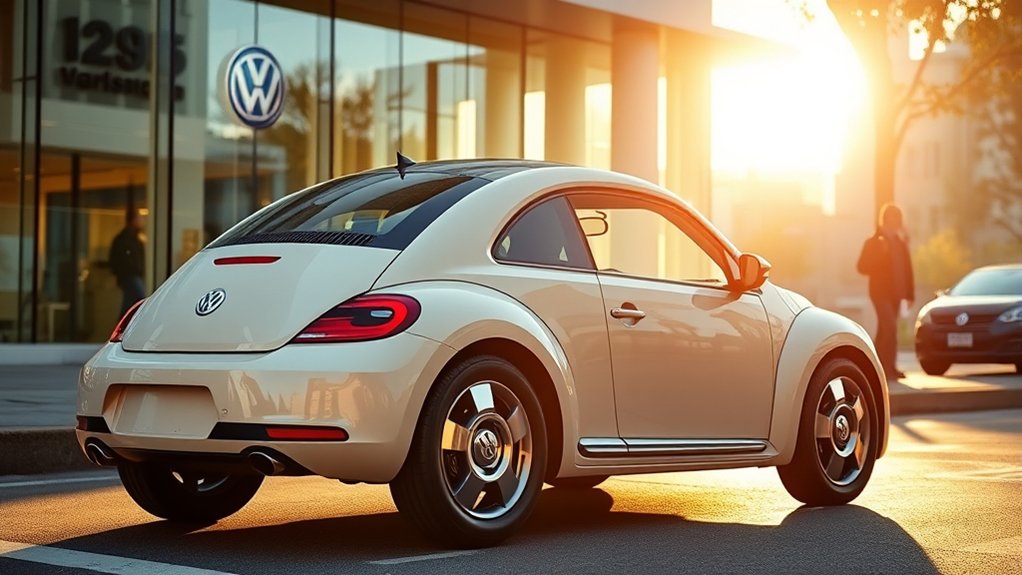
Why did Volkswagen decide to discontinue the Beetle in 2019? You have to contemplate the shifting automotive landscape and changing consumer preferences. Despite strong beetle nostalgia and a vintage revival that kept fans emotionally connected, Volkswagen faced declining sales.
The Beetle’s retro charm couldn’t fully offset its aging design and lack of modern features compared to competitors. You’d also see that stricter safety and environmental regulations made updating the Beetle costly.
While its iconic status held sentimental value, Volkswagen needed to focus resources on more profitable and future-ready models. Ultimately, discontinuing the Beetle allowed the company to streamline its lineup without relying solely on nostalgia, which, although powerful, wasn’t enough to sustain the model in a rapidly evolving market.
How the Shift to Electric Vehicles Affects the Volkswagen Beetle
While Volkswagen’s decision to discontinue the Beetle was influenced by market trends and regulatory challenges, the rise of electric vehicles (EVs) adds a new layer to the discussion about the model’s future. You can see how nostalgia economics plays a paramount role here: reviving the Beetle as an EV could tap into emotional connections while aligning with modern sustainability demands.
From a marketing strategy perspective, Volkswagen has the chance to position the Beetle as a retro-inspired, eco-friendly icon, attracting both longtime fans and new buyers. However, you must consider the balance between preserving the Beetle’s classic appeal and integrating advanced EV technology.
This shift challenges Volkswagen to innovate without losing the charm that made the Beetle a cultural symbol.
What Fans Really Want From a Volkswagen Beetle Comeback
You want the new Beetle to honor its iconic design while embracing modern technology that enhances your driving experience. Fans expect smart features like advanced infotainment and safety systems seamlessly integrated without losing the car’s classic charm.
At the same time, eco-friendly performance options are essential to meet today’s environmental standards and your desire for sustainable driving.
Classic Design Elements
How can Volkswagen capture the essence of the Beetle in a modern revival? You want nostalgic remakes that honor the Beetle’s iconic curves, rounded fenders, and distinctive silhouette. These classic design elements evoke strong emotional ties and set the Beetle apart from other cars.
At the same time, you expect retro safety features integrated seamlessly, ensuring the car meets today’s stringent standards without compromising its vintage appeal. Volkswagen must balance heritage with practicality, preserving the Beetle’s playful charm while upgrading structural integrity and crash protection.
Fans won’t settle for a mere replica; they want a thoughtful blend of old-school aesthetics and modern safety. By focusing on these classic design elements, Volkswagen can deliver a Beetle that feels both timeless and trustworthy on the road.
Modern Technology Integration
What modern technologies must Volkswagen incorporate to make the Beetle relevant for today’s drivers? You’ll expect advanced infotainment systems with seamless smartphone integration and digital instrument clusters for a modern driving experience.
Safety features like adaptive cruise control, lane-keeping assist, and automated emergency braking are essential to meet current standards. Given Volkswagen’s commitment to historic pricing, balancing these tech upgrades with affordability is crucial to retain loyal fans.
However, supply chain constraints could challenge timely integration of cutting-edge components without inflating costs. Efficiently navigating these issues ensures the Beetle offers contemporary conveniences while honoring its legacy.
Ultimately, you want a Beetle that combines nostalgic charm with smart, user-friendly technology that fits today’s lifestyle, without sacrificing the approachable price point that made it iconic.
Eco-Friendly Performance Options
Why does the Beetle’s comeback hinge on eco-friendly performance? You want a vehicle that respects the environment while delivering spirited driving. Volkswagen must integrate advanced electric or hybrid powertrains that minimize emissions, much like reducing the environmental damage caused by industrial farming.
Fans expect efficiency without sacrificing the Beetle’s iconic character. Think of it like applying principles from quantum physics—innovative, precise, and transformative technologies that optimize energy use at a fundamental level.
You’d appreciate a Beetle that embraces sustainable materials and regenerative braking, showing a commitment to reducing its carbon footprint. Eco-friendly performance isn’t just a trend; it’s essential for the Beetle’s relevance today.
Volkswagen’s challenge is clear: balance heritage with cutting-edge green engineering to meet your expectations.
What the Latest Rumors Say About a New Volkswagen Beetle
You’ve probably heard the latest rumors hinting at a sleek, modern redesign for the new Volkswagen Beetle, blending classic elements with electric powertrains. Experts suggest a possible release within the next few years, aiming to capture growing market demand for compact EVs.
Understanding these developments can help you gauge if the Beetle’s return will meet both nostalgic fans and today’s eco-conscious drivers.
Rumored Design Features
How might Volkswagen capture the spirit of the original Beetle in a modern design? Rumor based speculation and marketing buzz suggest the new Beetle will blend nostalgia with contemporary flair. You can expect sleek curves reminiscent of the classic shape but updated with sharper lines and an aerodynamic profile.
Inside, the cabin might feature minimalist digital displays while preserving retro elements like round air vents. Here are four rumored design highlights:
- LED headlights shaped like the original Beetle’s iconic round lamps
- Compact electric powertrain hidden beneath a lightweight chassis
- Customizable exterior colors inspired by vintage palettes
- Enhanced connectivity with touchscreen interfaces and smartphone integration
These features aim to attract both longtime fans and new drivers seeking style and modern tech.
Possible Release Timeline
When can fans expect Volkswagen to reveal the new Beetle? Latest rumors suggest a 2025 unveiling, timed to maximize impact with a surprise collaboration that could bring fresh design elements and tech innovations.
Volkswagen seems to be carefully planning this launch, balancing modern appeal with classic charm. You should anticipate announcements in late 2024, building hype through teaser campaigns.
The release might also feature nostalgia pricing, targeting enthusiasts eager for a blend of retro style and contemporary performance without breaking the bank. While details remain under wraps, insiders hint that Volkswagen wants to reignite the Beetle’s iconic status thoughtfully, avoiding rushed introductions.
Staying tuned to official channels will keep you ahead of updates on this highly anticipated return.
Market Demand Insights
Why does the market seem ready for a new Volkswagen Beetle? Recent rumors suggest growing consumer interest, but it’s crucial to separate genuine demand from unrelated brainstorming and off topic speculation. Here’s what the latest insights reveal:
- Nostalgia drives a segment eager for retro-inspired models.
- Electric vehicle trends push for a modern, eco-friendly Beetle.
- Competitor releases influence Volkswagen’s potential timing.
- Social media buzz amplifies both realistic and exaggerated expectations.
You should note that while enthusiasm is high, some conversations blur lines between informed guesses and unrelated brainstorming. Staying focused on verified data helps you understand actual market demand.
How a Modern Beetle Could Blend Classic Design With Electric Innovation
What would happen if Volkswagen merged the Beetle’s iconic silhouette with cutting-edge electric technology? You’d get a vehicle that taps into nostalgia marketing while meeting modern emissions standards.
By preserving the Beetle’s recognizable curves and playful charm, Volkswagen could attract enthusiasts who cherish its legacy. At the same time, integrating an electric powertrain would guarantee zero tailpipe emissions, aligning with stricter environmental regulations.
You’d enjoy a car that balances heritage with innovation, offering a sustainable driving experience without sacrificing style. This fusion could revitalize the Beetle’s appeal, making it relevant for today’s eco-conscious drivers.
In doing so, Volkswagen would cleverly connect emotional design cues with advanced technology, creating a product that honors the past and embraces the future.
Challenges Volkswagen Faces Relaunching the Beetle
Although blending the Beetle’s classic design with electric innovation sounds promising, Volkswagen faces significant hurdles in bringing this vision to life. You must recognize these key challenges:
- Nostalgia marketing limits – While nostalgia attracts buyers, relying too much on past designs can stifle innovation and alienate younger customers seeking modern features.
- Overcoming the diesel scandal – Volkswagen’s reputation still bears the diesel scandal’s weight, making trust rebuilding essential before launching a new icon.
- Meeting strict emissions standards – The Beetle must align with evolving environmental regulations, especially as an electric vehicle, to stay competitive.
- Market competition – The EV market is crowded, so Volkswagen needs a distinct value proposition beyond heritage appeal to stand out.
You’ll see Volkswagen must balance legacy with future demands carefully to succeed.
Where the New Beetle Fits in Volkswagen’s Current Lineup
Where does the new Beetle fit within Volkswagen’s evolving lineup? It slots in as a niche model blending classic charm with modern demands. Volkswagen leverages the Beetle’s iconic retro styling to attract buyers seeking distinctive design, setting it apart from the more conventional Golf and Jetta.
You’ll find the new Beetle prioritizes passenger comfort, offering a refined interior that meets today’s expectations without sacrificing its nostalgic appeal. While Volkswagen focuses heavily on electric and SUV segments, the Beetle serves as a unique option for those who value style and a fun driving experience.
It complements the lineup by targeting a specialized audience rather than competing directly with mainstream or performance models, maintaining the Beetle’s legacy while adapting to current market trends.
When and Where Could the New Beetle Launch?
When might Volkswagen reveal the new Beetle, and in which markets will it first appear? Given the trend toward electric vehicles, the launch could align with major auto shows in 2025, targeting markets where retro tech resonates despite questionable nostalgia around legacy designs.
You should watch for these key launch details:
- Initial reveal likely at the Frankfurt Motor Show or CES, highlighting electric and retro tech features.
- Primary market focus on Europe and North America, where Beetle heritage holds sentimental value.
- Limited early production runs to gauge consumer demand amid skepticism over the Beetle’s revival.
- Possible staggered global rollout, with Asia-Pacific markets following after initial feedback.
You’ll want to see how Volkswagen balances nostalgic appeal with modern innovation in these strategic markets.
Frequently Asked Questions
What Were the Original Beetle’s Most Popular Features?
You’ll appreciate the original Beetle’s standout features like excellent fuel economy and simple design. Despite some reliability challenges, its durability and ease of maintenance made it a beloved, practical choice for everyday driving worldwide.
How Did the Beetle Impact Automotive Culture Globally?
Imagine a small, friendly turtle crossing continents. That’s how the Beetle design philosophy shaped automotive culture.
Its global distribution impact made reliable, affordable cars a universal symbol of freedom and innovation you still appreciate today.
Are There Collectible Beetle Models Worth Investing In?
Yes, certain collectible Bugs hold strong investment potential, especially early models and limited editions. You’ll want to research condition, rarity, and provenance to make informed choices that could appreciate as iconic automotive culture continues valuing these classics.
What Are Common Maintenance Issues With Vintage Beetles?
You’ll face common rust in wheel wells and floor pans, which demands regular checks.
Engine reliability varies; older Beetles need frequent tune-ups and oil changes to keep running smoothly, so staying proactive prevents costly repairs.
How Does the Beetle Compare to Other Classic Volkswagen Models?
You’ll find the Beetle stands out among classic Volkswagens due to its iconic redesigns and cultural impact. While other models focus on utility, the Beetle’s EV conversion highlights its evolving appeal and timeless charm.
Conclusion
You might not see the Beetle roaring back full throttle just yet, but Volkswagen’s subtle nods suggest it’s quietly considering a fresh spin. Balancing nostalgia with modern electric demands isn’t a walk in the park, yet the charm of a reinvented Beetle could still find a cozy spot in VW’s evolving lineup.
Keep an eye on major auto events—this classic icon may just glide back into the spotlight when the time feels just right. Ultimately, whether Volkswagen will bring back the Beetle remains an exciting possibility to watch for in the near future.