Will a Back Rack Work With a Tonneau Cover
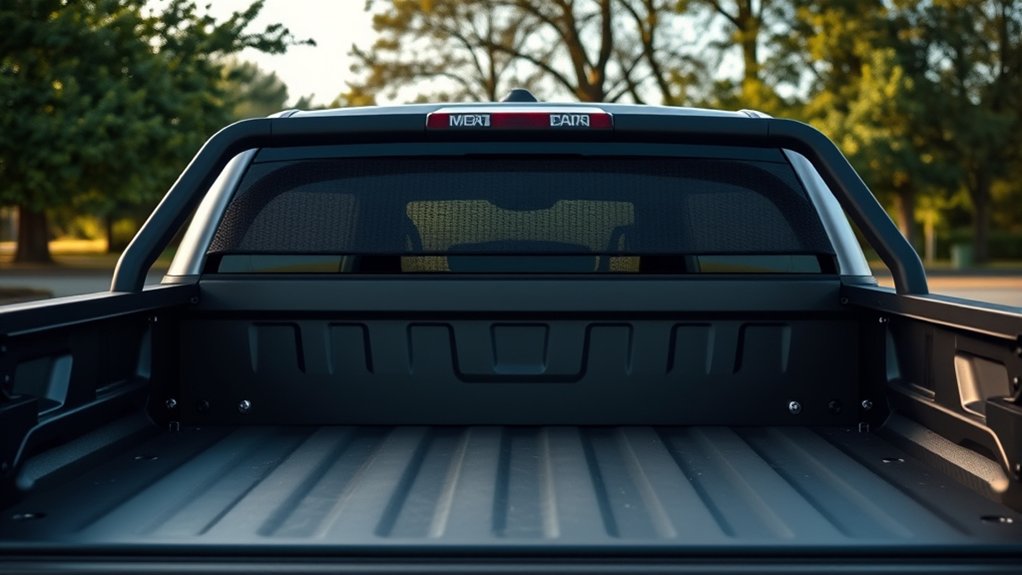
Imagine your truck bed outfitted with a sleek back rack that works perfectly with a low-profile tonneau cover, both enhancing utility without compromise.
Will a back rack work with a tonneau cover? This question is common among truck owners looking to maximize their vehicle’s functionality.
Achieving this balance depends on precise measurements, mounting compatibility, and material choices.
If you’ve ever wondered whether these two accessories can coexist without interference or damage, understanding their interaction is essential.
Before making adjustments or purchases, ensure you consider how each component fits and functions together to avoid issues.
Proper planning will help you enjoy the benefits of both the back rack and tonneau cover seamlessly.
Key Takeaways
- Back racks and tonneau covers often coexist due to spatial separation and different mounting locations behind the cab and on bed rails.
- Compatibility depends on matching mounting systems, dimensions, and ensuring the back rack does not obstruct tonneau cover operation.
- Common issues include shared bolt locations, rail overlaps, and mount height differences that can interfere with installation and fit.
- Proper installation involves padding, verifying clearance, and following manufacturer guidelines to avoid damage and maintain functionality.
- Selecting adjustable, steel or aluminum back racks designed for tonneau compatibility enhances load management, cargo organization, and weather protection.
Will a Back Rack Work With Your Tonneau Cover?
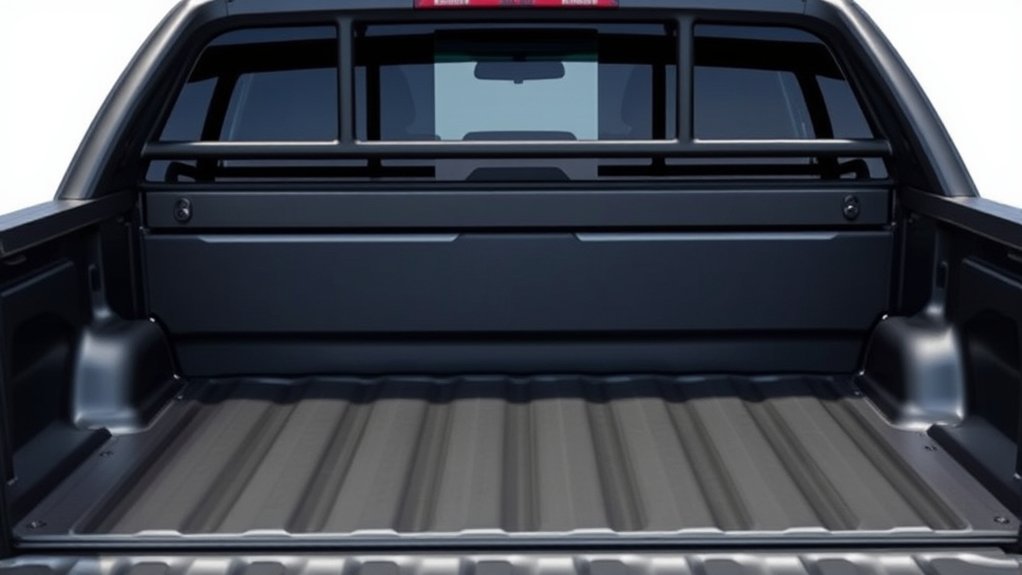
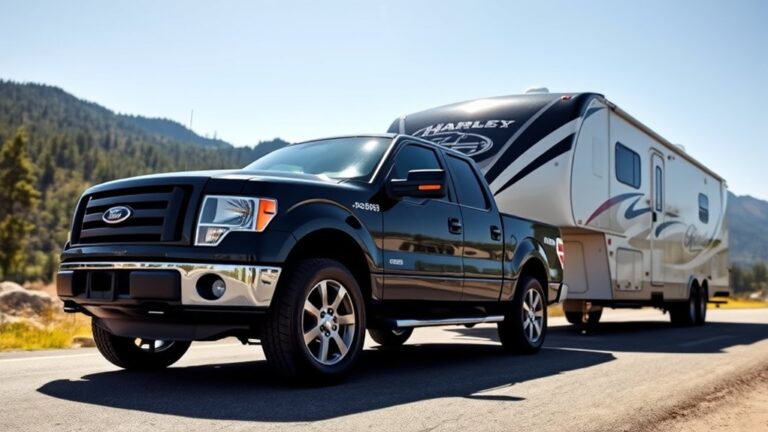
How compatible is a back rack with your tonneau cover? In most cases, a back rack can work seamlessly with a tonneau cover, provided you select compatible models. Back racks mount behind the truck’s cab and usually sit above the bed rails, while tonneau covers typically attach directly to the bed rails or sides.
This spatial separation often allows both accessories to coexist without interference. However, compatibility depends on the mounting systems and dimensions of both components. You’ll want to verify that the back rack’s height and width do not obstruct the tonneau cover’s operation, especially if it’s a roll-up or folding type.
Checking manufacturer specifications and installation guides helps ensure that your back rack and tonneau cover can function together effectively without compromising utility or security.
Common Compatibility Problems Between Back Racks and Tonneau Covers
You’ll often face mounting point conflicts when installing a back rack alongside a tonneau cover, as both require secure attachment to the truck bed. Clearance and fit issues can arise, limiting how well the two components integrate without interference.
Additionally, you need to contemplate load capacity limitations to ensure your setup supports the intended weight safely.
Mounting Point Conflicts
Where do back racks and tonneau covers typically clash? The answer lies primarily in their mounting points. When considering back rack and tonneau compatibility, you’ll often face conflicts because both require secure attachment areas on the truck bed.
Here are key mounting point conflicts you might encounter:
- Shared Bolt Locations – Both accessories may need the same factory bolt holes, causing installation interference.
- Rail Overlap – Back racks can overlap the bed rails where tonneau covers clamp, preventing proper sealing.
- Structural Reinforcement Needs – Back racks often require reinforced mounts that may disrupt tonneau cover brackets.
- Mount Height Differences – Varying elevation demands of racks and covers can misalign mounting surfaces, complicating installation.
Understanding these conflicts helps you evaluate your setup’s back rack and tonneau compatibility accurately.
Clearance And Fit Issues
After identifying mounting point conflicts between back racks and tonneau covers, clearance and fit issues often emerge as the next challenge. You’ll frequently encounter discrepant dimensions where the back rack’s height or width interferes with the tonneau cover’s operation or closure. It’s crucial to measure both components precisely to assess spatial compatibility.
Additionally, paint compatibility can become a concern if the back rack’s finish rubs against the tonneau cover, potentially causing scratches or wear over time. Ensuring a protective buffer or selecting materials with matching hardness and surface treatments can mitigate damage.
Ultimately, addressing clearance and fit issues requires careful evaluation of physical dimensions and finishes to maintain functionality and aesthetics when integrating a back rack with a tonneau cover.
Load Capacity Limitations
Although back racks and tonneau covers both enhance your truck’s utility, their combined load capacity often presents limitations that demand careful consideration. When you install both, you must account for potential back torque and load shift that affect stability and safety.
Here are key load capacity limitations to keep in mind:
- Reduced Maximum Load The combined system often supports less weight than each component individually.
- Back Torque Impact Heavy loads on the back rack generate torque that can stress mounting points, risking structural integrity.
- Load Shift Risks Uneven or shifting cargo can destabilize the tonneau cover, leading to damage or loss.
- Weight Distribution Constraints You need to balance loads carefully to prevent overloading either the rack or the cover.
Understanding these factors helps you optimize performance and safety.
Benefits of Combining Back Racks With Tonneau Covers
When you combine a back rack with a tonneau cover, you enhance cargo organization by creating distinct storage zones. This setup also improves weather protection, shielding your gear from rain, dust, and UV exposure.
Understanding these benefits helps you optimize your truck bed’s functionality and durability.
Enhanced Cargo Organization
How can combining a back rack with a tonneau cover improve your cargo organization? Using both components creates a structured and versatile storage system that maximizes space and accessibility. Here’s how:
- Segmentation: The back rack allows you to separate bulky items from smaller cargo secured under the tonneau cover, preventing clutter.
- Accessibility: You can store frequently used tools on the back rack while keeping less urgent items covered.
- Load Stability: The back rack anchors heavy equipment, reducing movement that could disrupt organized cargo beneath the tonneau cover.
- Maximized Space: Utilizing vertical space on the back rack complements the flat storage area under the tonneau cover, optimizing overall truck bed capacity.
Together, the back rack and tonneau cover streamline your cargo arrangement, enhancing efficiency and ease of loading.
Improved Weather Protection
Why risk exposing your cargo to unpredictable weather when you can enhance protection by combining a back rack with a tonneau cover? Back racks, designed for durability and strength, provide structural support without compromising the tonneau compatibility.
When correctly installed, the tonneau cover seals the truck bed, preventing water, dust, and debris from infiltrating. This combination creates a weather-resistant barrier, safeguarding your cargo from rain, snow, and UV exposure.
Moreover, back racks with integrated mounting points ensure the tonneau cover fits securely without gaps, maintaining a tight seal essential for weather protection. By choosing compatible back racks and tonneau covers engineered to work together, you optimize your truck bed’s defense against environmental elements, ensuring your cargo stays dry and protected regardless of changing weather conditions.
Installing a Back Rack Without Damaging Your Tonneau Cover
Where should you position the back rack to avoid compromising your tonneau cover’s integrity? To protect both the cover and the rack while maintaining optimal function, follow these steps:
- Mount the back rack behind the cab, ensuring it doesn’t interfere with the tonneau cover’s lid mechanics to prevent operational issues.
- Secure the rack to the truck bed rails, avoiding direct contact with the cover to aid dust management and minimize abrasion.
- Use appropriate rubber or foam padding between the rack and mounting points to reduce vibration and protect the cover’s surface.
- Verify clearance by opening and closing the tonneau cover several times post-installation to ensure smooth lid operation without obstruction or damage.
This precise positioning protects the tonneau’s durability and maintains effective dust management around your truck bed.
Choosing the Right Back Rack for Your Tonneau Cover
Selecting the right back rack for your tonneau cover requires careful consideration of compatibility, material strength, and mounting design. You need to ensure the back racks you choose offer full tonneau compatibility, allowing the cover to close and seal properly without obstruction.
Focus on materials like steel or aluminum that provide adequate strength to support loads without warping or bending. Mounting design is crucial; opt for racks with adjustable or clamp-style mounts to avoid drilling into your truck bed, preserving the tonneau cover’s integrity.
Additionally, verify the rack’s height and width dimensions align with your tonneau cover’s profile to prevent interference during operation. Prioritize models that specify compatibility with your tonneau cover type, soft roll-up, hard folding, or retractable, to guarantee seamless integration.
Common Mistakes to Avoid When Using Back Racks and Tonneau Covers
How can you prevent damage and guarantee optimal performance when using back racks with tonneau covers? Avoid common mistakes that compromise function and safety.
- Ignoring Compatibility: Ensure your back rack is designed to work with your specific tonneau cover type to prevent fit issues.
- Improper Installation: Follow manufacturer instructions carefully; incorrect mounting can lead to frame stress and cover misalignment.
- Overloading the Rack: Exceeding weight limits strains both the back rack and tonneau cover, reducing lifespan and risking failure.
- Neglecting Maintenance: Regularly inspect and tighten bolts, clean components, and check cover seals to maintain integrity and performance.
Frequently Asked Questions
How Do Back Racks Affect Fuel Efficiency?
You’ll notice that a back rack efficiency slightly decreases fuel economy due to added drag. However, if you guarantee tonneau compatibility, minimizing aerodynamic disruption, you can reduce fuel loss and maintain better overall efficiency while using both.
Can Back Racks Support Heavy Loads Safely?
You’ll feel confident hauling heavy loads with a back rack designed for heavy duty considerations, but be mindful of wind resistance implications at speed. Ensure secure mounting and weight limits to keep your load safe and stable.
Are Back Racks Compatible With All Truck Models?
Back racks aren’t compatible with all truck models due to varying frame designs, materials, and mounting systems. You should check tonneau compatibility, fuel efficiency impact, load safety, and maintenance requirements to ensure proper fit and performance.
What Materials Are Back Racks Typically Made From?
Back racks are typically made from steel or aluminum for optimal back rack durability. These materials ensure strength without tonneau interference compatibility issues.
They let you securely mount gear while maintaining your truck bed’s functionality and protection.
Do Back Racks Require Regular Maintenance?
Yes, back racks require regular maintenance. You should follow maintenance tips like cleaning, tightening bolts, and applying rust prevention treatments to keep the rack durable and corrosion-free.
This ensures optimal performance and longevity over time.
Conclusion
You can successfully use a back rack with your tonneau cover by carefully checking dimensions and mounting compatibility. For example, a truck owner found that an adjustable aluminum back rack with clamp mounts avoided interference with his roll-up cover clamps, preserving full access and weather protection.
By measuring bolt placements and ensuring protective padding, you’ll prevent damage and maintain functionality. Always consult manufacturer specs to choose the right rack, avoiding common installation mistakes and ensuring a secure, efficient setup.
In conclusion, a back rack can work well with a tonneau cover when selected and installed properly, providing both utility and protection without compromising your truck bed’s usability.