What Type of Brake Fluid for 2004 Ford f150
Choosing the right brake fluid for your 2004 Ford F-150 is more critical than you might realize. Using the correct type guarantees optimal braking performance and prevents damage to your brake system. Ford specifically recommends glycol-based fluids like DOT 3 or DOT 4 for this model.
Understanding the differences between these fluids and why some are unsuitable can save you from costly repairs. DOT 3 and DOT 4 brake fluids have different boiling points and chemical properties that affect their performance and longevity. Let’s explore what makes these brake fluids the best choice for your truck.
Key Takeaways
- Use DOT 3 or DOT 4 glycol-based brake fluid as recommended for the 2004 Ford F-150 to ensure compatibility with rubber components.
- Avoid DOT 5 silicone-based fluid, as it is incompatible with DOT 3/4 systems and may cause brake system damage.
- DOT 4 brake fluid offers higher boiling points than DOT 3, enhancing performance under high heat conditions.
- Replace brake fluid every 2 years or 24,000 miles, and check for discoloration or low levels indicating maintenance needs.
- Trusted brands like Castrol, Prestone, and ATE provide DOT 3/4 fluids meeting Ford’s specifications for the 2004 F-150.
Brake Fluid Specifications for the 2004 Ford F150
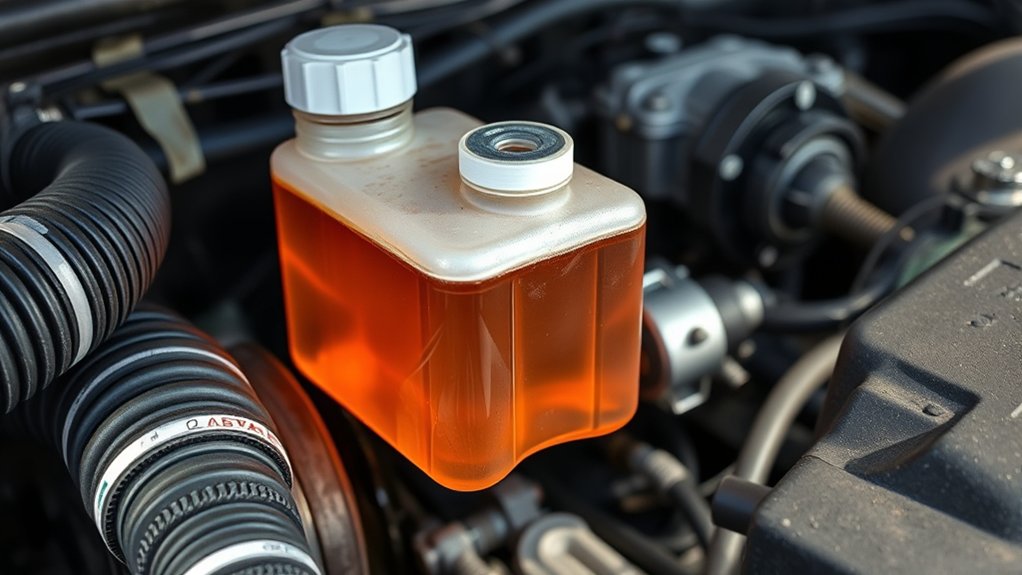
When choosing brake fluid for your 2004 Ford F-150, what specifications should you prioritize? Focus on the DOT rating, boiling point, and compatibility with your vehicle’s braking system. The 2004 F-150 typically requires DOT 3 or DOT 4 brake fluid, both glycol-based but with different performance thresholds.
Avoid random speculation about alternative fluids or unrelated topics like engine oil types, as these don’t impact braking performance. Ensure the fluid meets or exceeds the manufacturer’s minimum boiling point standards, wet and dry, to maintain safety under various conditions.
Also, verify that the fluid resists moisture absorption to reduce corrosion risks. Sticking to these precise specifications ensures optimal brake function without confusion from unrelated topic discussions or unsupported claims that could compromise your truck’s braking system.
Why the Right Brake Fluid Matters for Your 2004 Ford F150’s Brakes
Selecting brake fluid that meets the correct specifications directly impacts your 2004 Ford F-150’s braking efficiency and safety. Using the wrong fluid can lead to decreased performance, corrosion, and system failure. It’s essential to avoid irrelevant topic or unrelated discussion about fluids not designed for your truck’s braking system.
Here’s why the right brake fluid matters:
- Maintains optimal hydraulic pressure for precise braking response
- Resists moisture absorption, preventing vapor lock and brake fade
- Protects metal components from corrosion, extending system lifespan
Ignoring proper fluid type risks compromised braking, increased repair costs, and potential safety hazards. Stick to manufacturer-recommended brake fluid to ensure reliable stopping power and avoid issues caused by irrelevant topic or unrelated discussion about incompatible fluids.
Differences Between DOT 3, DOT 4, and DOT 5 Brake Fluids for the 2004 Ford F150
How do DOT 3, DOT 4, and DOT 5 brake fluids differ, and which is best suited for your 2004 Ford F-150? DOT 3 and DOT 4 are glycol-based fluids, with DOT 4 offering a higher boiling point, enhancing performance under extreme heat.
DOT 5 is silicone-based, non-hygroscopic, and incompatible with your truck’s braking system due to brake fluid compatibility issues and potential seal damage. For your 2004 Ford F-150, the DOT grade selection should prioritize compatibility with the vehicle’s rubber components and hydraulic system.
DOT 3 meets standard requirements, but DOT 4 provides improved thermal resistance, making it preferable if higher performance is needed. Avoid mixing glycol and silicone fluids, as this compromises system integrity.
Always adhere to manufacturer recommendations for optimal brake function.
Checking and Changing Brake Fluid on Your 2004 Ford F150
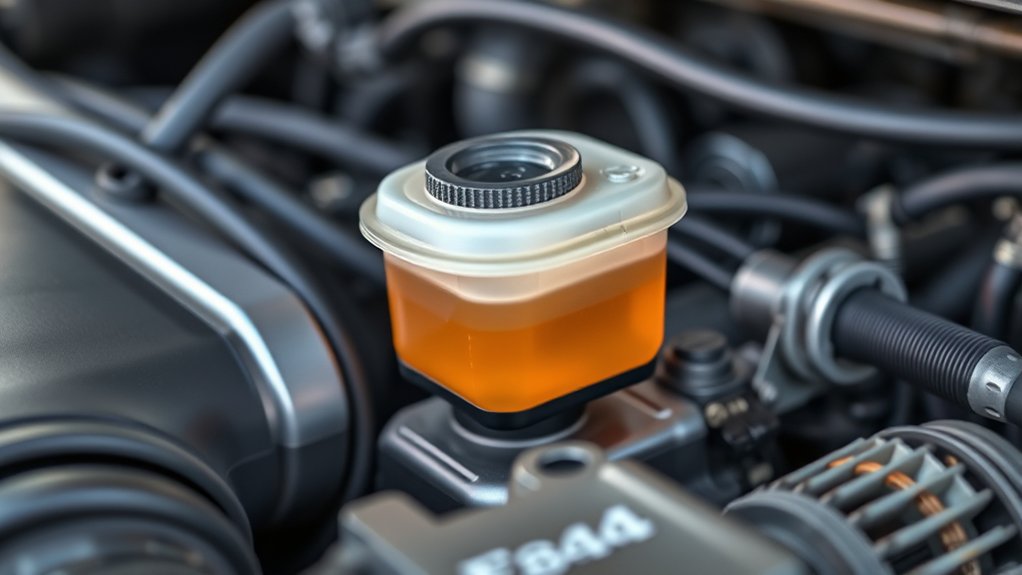
Why should you regularly check and change the brake fluid in your 2004 Ford F-150? Proper brake maintenance ensures optimal braking performance and safety. Brake fluid absorbs moisture over time, reducing its boiling point and leading to brake fade or failure.
When performing brake fluid maintenance, focus on these two word discussion ideas:
- Fluid level: Check the reservoir regularly; low levels indicate leaks or worn pads.
- Fluid condition: Inspect for discoloration or contamination, signaling the need for replacement.
- Fluid replacement: Flush and refill brake fluid every 2 years or 24,000 miles to maintain system integrity.
Following these steps helps prevent corrosion inside the brake system and preserves reliable stopping power under all driving conditions.
Top Brake Fluid Brands for the 2004 Ford F150
Which brake fluid brands deliver the best performance and reliability for your 2004 Ford F-150? Brands like Castrol, Prestone, and ATE stand out due to their strict adherence to DOT 3 and DOT 4 specifications, ensuring optimal brake fluid compatibility with your truck’s braking system.
Castrol’s SRF offers exceptional thermal stability, while Prestone’s DOT 3 fluid balances performance and affordability. ATE’s Super Blue is favored for its high boiling points and moisture resistance. When selecting a brand, confirm it meets Ford’s recommended standards to maintain system integrity.
Additionally, following a proper maintenance scheduling routine, typically every two years or 24,000 miles, prevents fluid degradation and ensures consistent braking performance. Choosing reputable brands helps you avoid contamination and corrosion, safeguarding your F-150’s brake system longevity.
Frequently Asked Questions
How Often Should I Bleed the Brake Lines on My 2004 Ford F150?
You should bleed your brake lines every two years or when replacing brake fluid to guarantee brake fluid compatibility and contamination prevention.
Regular bleeding maintains system efficiency and prevents moisture buildup that degrades braking performance.
Can Brake Fluid Affect ABS Performance in a 2004 Ford F150?
You might not realize it, but old or contaminated brake fluid can cause brake drag and interfere with the ABS sensor’s signals, leading to reduced ABS performance.
Keeping fluid fresh guarantees your 2004 Ford F150’s braking system runs smoothly.
What Are the Symptoms of Contaminated Brake Fluid in My 2004 Ford F150?
You’ll notice symptoms like a spongy brake pedal, reduced braking efficiency, ABS warning light illumination, brake fluid discoloration, and moisture accumulation. These signs indicate contaminated fluid, which compromises your 2004 Ford F150’s braking performance and safety.
Is It Safe to Mix Different Brands of Brake Fluid in My 2004 Ford F150?
You shouldn’t mix different brands of brake fluid unless they share the same DOT rating and chemical composition. For brake fluid safety, always check brand compatibility to avoid contamination, which can reduce braking performance and system integrity.
How Does Temperature Affect Brake Fluid Performance in a 2004 Ford F150?
Isn’t it thrilling when temperature influence causes your brake fluid’s viscosity change? In your 2004 Ford F150, heat thins fluid, risking vapor lock, while cold thickens it, reducing responsiveness. Always affecting braking precision and safety.
Conclusion
So, you want your 2004 Ford F-150’s brakes to actually *stop* your truck, right? Stick to glycol-based DOT 3 or DOT 4 brake fluid—because mixing in DOT 5 or silicone is like inviting chaos to your stopping party.
Remember, reputable brands and regular changes every two years keep your brakes sharp, not soggy. Ignore this, and you might as well rely on hope and prayer instead of science and specs.
Don’t be that driver. Always use the correct type of brake fluid for 2004 Ford F-150 to ensure safe and reliable braking performance.