
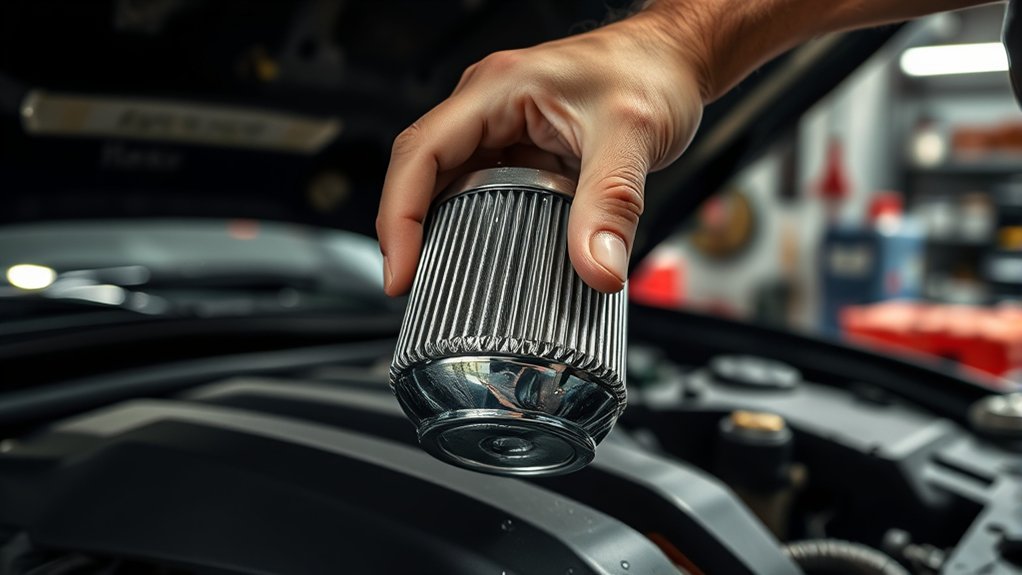
How Often to Change Oil Filter
You might think changing your oil filter only when the engine oil looks dirty is enough, but that approach can risk engine damage. The oil filter plays a critical role in trapping contaminants, ensuring your engine runs smoothly and efficiently.
How often you should replace the oil filter depends on several factors like your driving habits, oil type, and manufacturer recommendations. Understanding these variables can help you maintain your engine’s health and avoid costly repairs.
Key Takeaways
- Replace the oil filter every time you change the engine oil, typically between 3,000 to 7,500 miles depending on vehicle and oil type.
- Synthetic oils may extend oil filter change intervals due to their stable viscosity and reduced sludge formation.
- Adjust filter change frequency based on driving habits like stop-and-go traffic and short trips, which accelerate contaminant buildup.
- Look for signs like reduced engine power, unusual noises, or dark gritty oil on the dipstick to indicate filter replacement needs.
- Keep a maintenance log and set reminders to track oil filter changes and ensure timely replacements per manufacturer guidelines.
How Often Should You Change Your Oil Filter?
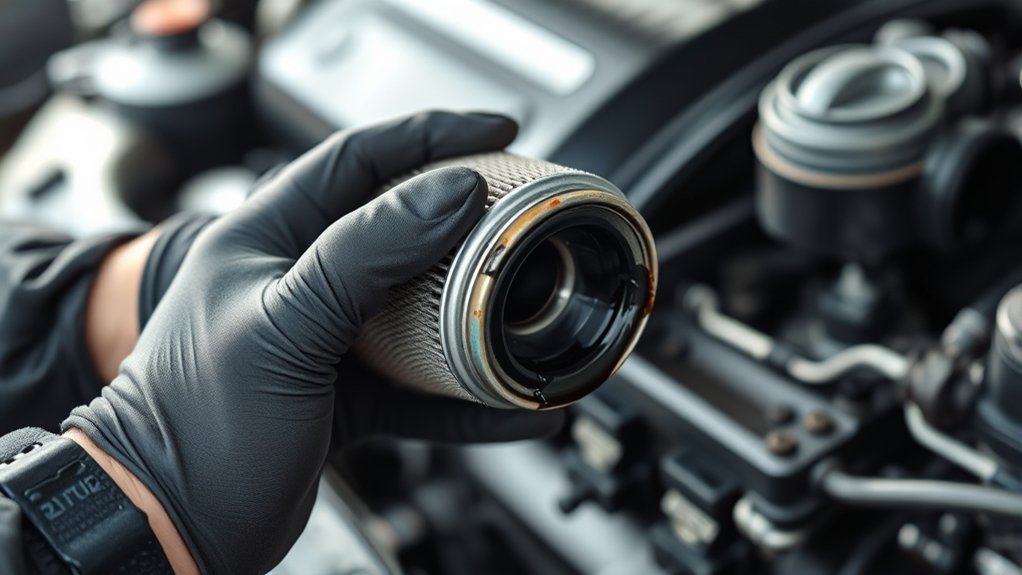
How often should you change your oil filter? The standard recommendation is to replace it every time you change your engine oil, typically every 3,000 to 7,500 miles, depending on your vehicle and oil type.
Avoid getting distracted by irrelevant topics or off topic details, such as unrelated maintenance tasks or aftermarket product claims, which don’t affect this schedule. Sticking to manufacturer guidelines ensures optimal filtration performance and prevents premature clogging.
Modern synthetic oils may extend intervals, but always confirm with your vehicle’s manual. Changing your oil filter less frequently risks contamination, while changing it too often is unnecessary.
Why Your Oil Filter Matters for Engine Health
Replacing your oil filter at recommended intervals directly impacts your engine’s longevity and performance. The oil filter traps contaminants like metal shavings, dirt, and sludge that accumulate during operation. Without a clean filter, these particles circulate freely, accelerating wear on critical engine components.
Ignoring this vital function by veering into irrelevant tangent or unrelated topic discussions about oil brand or color doesn’t address the core issue: filtration efficiency. Your engine relies on consistent oil cleanliness to maintain optimal lubrication, reduce friction, and prevent overheating.
A clogged or degraded filter restricts oil flow, causing pressure drops and potential engine damage. Prioritizing timely oil filter changes ensures your engine runs smoothly, preserves mechanical integrity, and maximizes service life without distractions from irrelevant tangent subjects.
How Driving Habits Affect Oil Filter Life
Your driving habits considerably influence the lifespan of your oil filter. High driving frequency, especially in stop-and-go traffic or short trips, increases the accumulation of contaminants, accelerating filter clogging.
Driving often in stop-and-go traffic or short trips speeds up oil filter clogging due to contaminant buildup.
Conversely, consistent highway driving at steady speeds produces fewer particulates, extending filter life and improving fuel economy. Aggressive driving, such as rapid acceleration and heavy braking, generates more engine byproducts, further stressing the oil filter.
Regular maintenance intervals must adjust to these habits to ensure optimal engine protection. If you drive frequently under harsh conditions, expect to replace your oil filter more often than the standard recommendation.
Monitoring how your driving frequency and style impact filter performance helps maintain fuel economy and engine efficiency. Tailoring filter change intervals to your driving patterns maximizes both durability and cost-effectiveness.
How Your Oil Type Affects Oil Filter Change Frequency
Why does the type of oil you use impact the oil filter’s change frequency? It comes down to oil viscosity and formulation differences between synthetic vs conventional oils. Synthetic oils have more stable oil viscosity across temperature ranges, reducing sludge and deposit formation.
This means your oil filter encounters fewer contaminants, allowing longer service intervals. Conventional oils, however, break down faster and create more residues, which can clog the filter sooner. If you use synthetic oil, you can generally extend your oil filter change interval beyond that of conventional oil, but always follow manufacturer recommendations.
Additionally, synthetic blends offer a middle ground, slightly prolonging filter life compared to conventional. Understanding your oil’s properties helps you optimize oil filter maintenance and ensures your engine stays protected without unnecessary filter changes.
Signs You Need to Change Your Oil Filter Now
How can you tell when it’s time to change your oil filter? Contrary to common oil filter myths, the need to change it isn’t solely tied to mileage or time. You should watch for specific signs indicating decreased filtration efficiency.
If you notice engine performance issues like reduced power or unusual noises, your oil filter might be compromised. Dark, gritty oil during a dipstick check also signals contamination buildup. Ignoring these signs can lead to clogged filters, causing oil starvation and engine wear.
Changing frequency misconceptions often lead to premature or delayed changes, both harmful. Trust manufacturer guidelines but prioritize observable symptoms. By recognizing these indicators, you’ll avoid damage and maintain essential engine health, ensuring your oil filter performs its vital role effectively.
How to Check If Your Oil Filter Is Clogged
Regularly assessing the condition of an oil filter is crucial to prevent engine damage. You can check if your oil filter is clogged by monitoring engine performance, oil pressure, and visual inspection. Reduced oil flow due to clogging impairs oil filtration and shortens filter lifespan.
Use this checklist to identify a clogged oil filter:
| Indicator | Description |
|---|---|
| Oil Pressure Gauge | Drops below normal operating range |
| Engine Noise | Increased knocking or ticking |
| Oil Filter Inspection | Visible dirt accumulation or damage |
If you notice any signs, change the filter immediately to maintain optimal oil filtration. Regular checks ensure you don’t exceed the filter lifespan, protecting your engine from premature wear.
How to Pick the Right Oil Filter for Your Car
You need to choose an oil filter type that matches your car’s engine requirements, such as spin-on or cartridge styles. Check the manufacturer’s specifications to ensure compatibility with your vehicle model and oil viscosity.
Using the correct filter maintains optimal filtration efficiency and engine protection.
Filter Types Explained
Why does choosing the right oil filter matter? Because effective oil filtration directly impacts your engine’s longevity and performance. You’ll encounter several filter types: mechanical, magnetic, and centrifugal.
Mechanical filters use a paper or synthetic media to trap contaminants. This is the most common and relies on precise filter filtration efficiency. Magnetic filters attract metal particles but don’t remove sludge or other debris, so they’re supplementary, not standalone.
Centrifugal filters spin oil to separate impurities but are less common in everyday vehicles. You want a filter that balances high oil filtration with minimal restriction to flow, ensuring clean oil circulates efficiently.
Selecting the wrong type compromises oil filtration quality, risking engine wear. Understanding these types helps you pick one that maintains optimal oil cleanliness and engine health.
Compatibility With Vehicle
Choosing the right oil filter type is only part of the equation; ensuring it fits your vehicle’s specifications is equally important. You need to verify the filter’s compatibility with your engine model and size to maintain optimal performance.
Start by consulting your owner’s manual or using online lookup tools that match two word ideas1, like filter dimensions and thread size, to your vehicle’s requirements. Ignoring compatibility risks oil leaks or poor filtration, which can damage your engine.
Additionally, consider two word ideas2 such as pressure ratings and bypass valves, ensuring they align with your car’s design. By selecting an oil filter tailored to your vehicle, you’ll protect engine components effectively and extend oil change intervals safely.
Always double-check fitment before purchase for reliable, trouble-free operation.
How to Change Your Oil Filter Yourself
To change your oil filter yourself, you’ll need basic tools like a wrench, an oil filter removal tool, and a drain pan. Follow a step-by-step process: drain the old oil, remove the filter, lubricate and install the new one, then refill the oil.
This method guarantees proper maintenance and extends your engine’s life.
Tools Needed
What tools do you need to change your oil filter efficiently? Precise tools ensure optimal oil filtration and maintain filter efficiency. Here’s what you’ll require for a smooth process:
| Tool | Purpose |
|---|---|
| Oil Filter Wrench | Loosens and removes old filter |
| Drain Pan | Catches draining oil |
| Socket Set | Removes drain plug |
| Clean Rag | Wipes surfaces for seal contact |
Each tool plays a critical role in maintaining oil filtration integrity. The wrench lets you grip the filter firmly without damage, preserving filter efficiency. The drain pan prevents spills, while the socket set ensures secure plug removal.
A clean rag is essential to wipe the sealing surface, ensuring a proper seal with the new filter. Having these tools ready will streamline your oil filter change and help maintain your engine’s performance.
Step-by-Step Process
Regularly changing your oil filter is essential for maintaining engine health, and following a precise procedure guarantees effectiveness. Begin by warming your engine slightly to allow oil to drain smoothly.
Secure your vehicle with jack stands and place a drain pan beneath the oil pan. Remove the drain plug carefully, letting all oil drain out.
Next, use an oil filter wrench to loosen and remove the old filter. Before installing the new filter, apply a thin layer of fresh oil to its gasket to ensure a proper seal.
Screw the new filter in by hand until snug, then tighten it an additional three-quarters turn. Finally, replace the drain plug securely, refill with the correct oil type, and check for leaks.
This precise method supports consistent oil changes and optimal engine maintenance.
Easy Tips to Keep Track of Your Oil Filter Changes
How can you guarantee you never miss an oil filter change? Implementing effective maintenance scheduling is key. Start by recording each oil filter replacement date and mileage in a dedicated log, either digital or physical.
Use reminders on your phone or vehicle’s onboard system to alert you when the next change is due, typically every 3,000 to 7,500 miles depending on your car’s specifications. Consider applying a small sticker on the engine bay or inside the door frame noting the date and mileage of the last oil filter swap.
This visual cue helps during quick inspections. Consistent tracking prevents premature oil filter wear and optimizes engine performance. By integrating these simple, precise methods into your routine, you maintain systematic oversight that safeguards your vehicle’s longevity.
Frequently Asked Questions
Can Using a Reusable Oil Filter Save Money?
Yes, using a reusable filter cuts reusable filter costs over time, saving you money. Though initial costs are higher, long-term maintenance reduces replacement frequency.
This makes it a cost-effective, environmentally friendly choice for your vehicle’s oil filtration system.
Do Synthetic Oils Require Special Oil Filters?
About 70% of synthetic oils need synthetic filters for optimal performance. You’ll want to ensure filter compatibility since synthetic filters better handle synthetic oil’s additives.
This helps maintain engine protection and filtration efficiency under higher stress and temperatures.
How Does Oil Filter Size Vary by Vehicle Type?
Oil filter size varies by vehicle type due to engine design and oil flow requirements. You’ll find smaller filters on compact cars and larger ones on trucks or SUVs to handle higher oil volumes efficiently.
Are There Environmental Benefits to Changing Oil Filters Regularly?
You’ll reduce environmental impact by changing oil filters regularly; studies show 70% of used filters can be recycled. Proper recycling benefits conserve resources and prevent toxic waste, making your maintenance routine eco-friendly and technically efficient.
Can a Dirty Oil Filter Affect Fuel Efficiency?
Yes, a dirty filter restricts oil flow, causing your engine to work harder and lowering fuel economy.
You’ll notice reduced efficiency and increased fuel consumption if you don’t replace the oil filter regularly.
Conclusion
You might think changing your oil filter every time you change oil is unnecessary, but skipping it risks engine damage from contaminants. Sticking to recommended intervals, aligned with your oil type and driving habits, guarantees optimal filtration and engine longevity.
Regular checks and using the right filter matter more than you realize. By tracking changes diligently, you protect your engine’s health and performance, ultimately saving costly repairs down the road.
Don’t cut corners—maintain precision for lasting results. Remember, how often to change oil filter plays a crucial role in keeping your engine running smoothly.