How to Stretch a Tonneau Cover
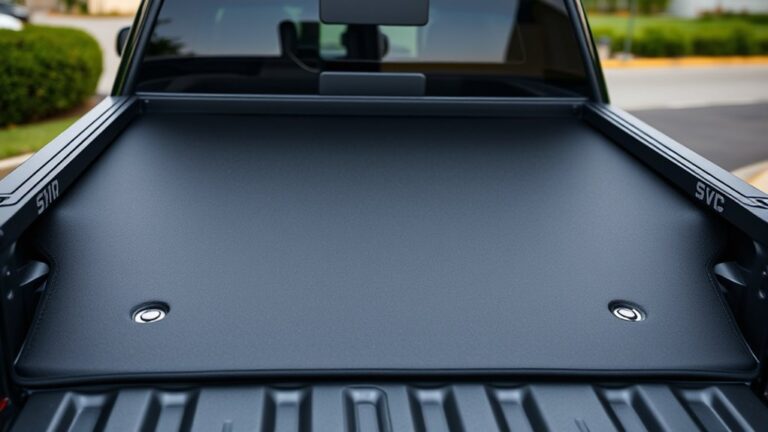
You might not realize that even a slight misalignment or uneven tension can cause your tonneau cover to wear out prematurely. Stretching a tonneau cover properly is key to maintaining its durability and appearance.
Before you start tightening, it’s essential to inspect the cover and bed for damage and make certain the surface is clean and dry. Applying tension incorrectly can lead to wrinkles or hardware strain, so understanding the proper technique will help you achieve a smooth, secure fit that lasts.
Here’s what you need to know to get it right.
Key Takeaways
- Loosen clamps or tension rods before stretching to allow even adjustment without damaging the tonneau cover.
- Use a heat gun or hairdryer to soften the material for easier stretching, especially after cold exposure.
- Apply gradual, uniform tension from the center outward, using ratchet straps or tensioning tools to prevent wrinkles or sagging.
- Keep adjustment tools clean and calibrated to ensure precise, even tension across the cover surface.
- Avoid overstretching, stretching a wet or dirty cover, and frame misalignment to prevent damage and premature wear.
How to Tell If Your Tonneau Cover Needs Stretching
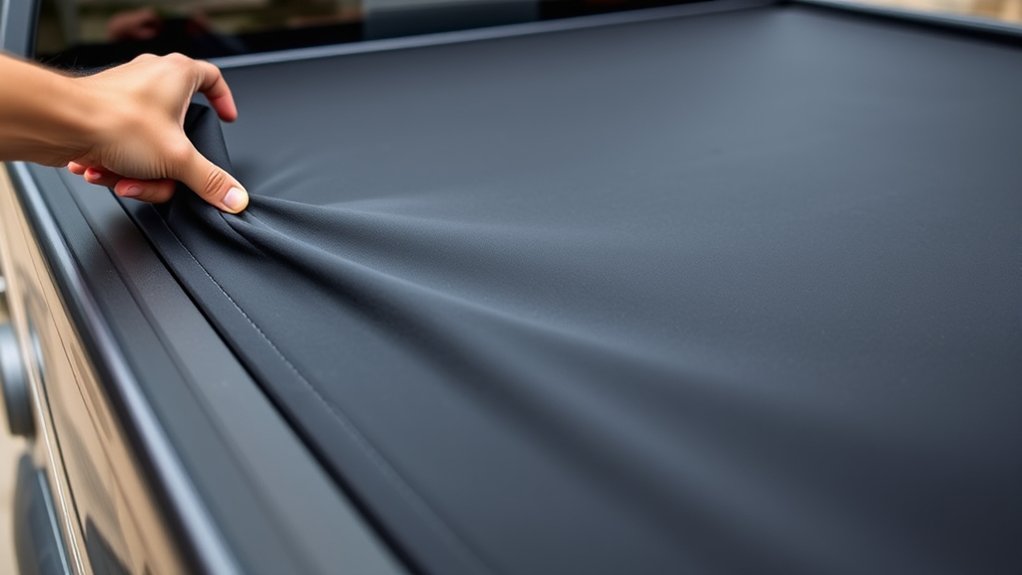
A tonneau cover needs stretching when it no longer fits snugly over your truck bed, causing wrinkles or sagging. To determine if stretching is necessary, inspect the cover’s tension evenly across the surface. Uneven tension compromises stretch longevity and may indicate material fatigue.
Check for any looseness around the edges or corners; these areas often reveal material compatibility issues if the cover doesn’t respond well to environmental changes like temperature fluctuations. You should also verify that the cover’s fabric remains flexible and intact without cracks or brittleness, as incompatible materials won’t stretch effectively and risk damage.
Addressing these signs early preserves the cover’s protective function and maximizes its lifespan, ensuring a secure, tight fit over your truck bed.
Tools You’ll Need to Stretch Your Tonneau Cover
To stretch your tonneau cover effectively, you’ll need a few essential tools like a heat gun or hairdryer and a rubber mallet. Optional accessories such as clamps or straps can help hold the cover in place and make the process smoother.
Preparing these tools beforehand will ensure you work efficiently and achieve the best results.
Essential Stretching Tools
Which tools will ensure you stretch your tonneau cover effectively? First, select a high-quality ratchet strap with ergonomic handles to maximize grip and reduce hand fatigue. Tool ergonomics matter for sustained tension.
Avoid relying on stretching myths that suggest manual pulling alone suffices; mechanical advantage is key. A rubber mallet helps adjust the frame without damaging the cover, while clamps secure the edges during tensioning.
Use a tension gauge if available to monitor applied force precisely, preventing over-stretching. Each tool must provide control and accuracy, enabling even, consistent stretching.
Optional Accessories for Ease
How can you make stretching your tonneau cover more efficient and less physically demanding? Consider using optional accessories like a tensioning tool or a ratchet strap. These devices help evenly distribute force, reducing strain on your hands and improving the cover’s fit.
A heat gun can also assist by warming the material, making it more pliable and easier to stretch, especially after exposure to cold weather impact. Additionally, using clamps or adjustable brackets can secure the cover during the stretching process, preventing slippage and ensuring a tight seal.
Incorporating these accessories enhances your car care routine by maintaining the cover’s integrity and prolonging its lifespan. Always select tools compatible with your specific tonneau cover material for optimal results.
Preparing Your Truck Bed and Cover for Stretching
Start by cleaning your truck bed thoroughly to remove dirt and debris that can interfere with the cover’s fit.
Next, inspect the tonneau cover for any damage or wear that might affect its flexibility during stretching. Address any issues before proceeding to guarantee an even and secure stretch.
Clean Truck Bed Thoroughly
Why is cleaning your truck bed essential before stretching the tonneau cover? Dirt, debris, and residues can interfere with the cover’s fit and tension. Begin by removing all loose materials using a broom or vacuum.
Next, apply a mild detergent solution similar to those used in laundry routines to break down grime without damaging surfaces. Use a soft brush or sponge to scrub the truck bed evenly, focusing on corners and seams where dirt accumulates.
Rinse thoroughly with water to eliminate all cleaning agents. Allow the bed to dry completely to prevent moisture from affecting the cover’s material or causing mold. Employing these precise cleaning methods ensures a smooth, debris-free surface that facilitates proper stretching and secures your tonneau cover effectively.
Inspect Cover Condition
A thorough inspection of your tonneau cover is essential before stretching it over the truck bed. Begin by measuring the cover dimension to confirm it matches your truck bed size precisely. Any discrepancy can cause uneven tension or damage.
Next, examine all seams carefully, focusing on signs of seam fatigue such as fraying, loose threads, or weakened stitching. These issues compromise the cover’s integrity when stretched.
Check the cover material for cracks, tears, or warping that could affect performance. If you identify any damage, repair or replace the cover before proceeding.
A proper inspection ensures the cover will stretch evenly, maintain a secure fit, and extend its lifespan without risking further damage during installation.
How to Stretch a Soft Tonneau Cover
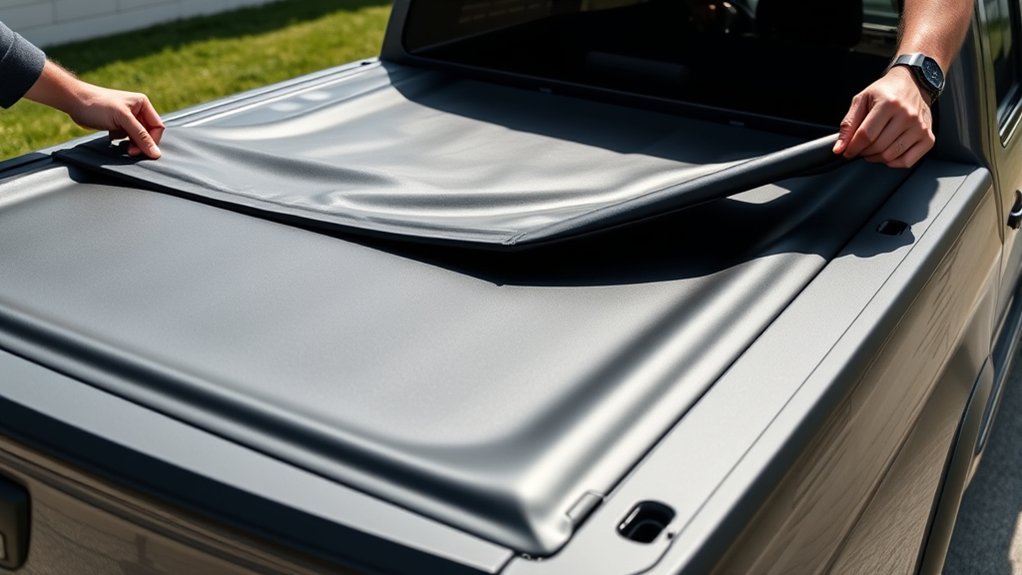
Properly stretching a soft tonneau cover guarantees a tight, secure fit that protects your truck bed from weather and debris. Start by loosening the clamps or fasteners to relieve initial fabric tension.
Properly stretching a soft tonneau cover ensures a secure fit that shields your truck bed from the elements.
Avoid common stretching myths. Do not pull excessively or apply heat, as this can damage the fabric. Instead, evenly distribute tension by gradually tightening clamps from the center outward, ensuring uniform tension across the surface.
Check for wrinkles or slack, adjusting clamps incrementally until the cover lies flat. Use a fabric-safe tensioning tool if available to maintain consistent pressure without overstressing fibers.
After tensioning, verify that the cover remains taut during normal use and adjust as needed. This method maintains fabric integrity while achieving optimal stretch and fit.
Tightening Hard or Folding Tonneau Covers for a Better Fit
How do you guarantee a hard or folding tonneau cover fits snugly without gaps? Start by loosening the clamps or latches securing the cover. Then, evenly adjust the tension rods or straps to tighten the cover, focusing on eliminating slack across all segments.
Ensure the cover aligns flush against the truck bed rails to prevent water intrusion and maintain aerodynamic efficiency, which is crucial if you use your truck for landscape photography gear or solar power equipment. Check that the folding panels lock firmly in place without warping.
Once tightened, secure all clamps and test for any movement by gently pressing on the cover. A properly tightened hard or folding tonneau cover protects your cargo and enhances your vehicle’s overall performance and appearance.
How Weather Affects Your Tonneau Cover’s Fit
Why does your tonneau cover sometimes feel loose or overly tight after changing weather conditions? Temperature fluctuations cause materials like vinyl or fabric to expand or contract, directly affecting the cover’s tension.
Warm weather typically causes the cover to stretch, making it loose, while cold weather contracts the material, resulting in a tight fit. It’s important to distinguish these natural changes from issues caused by unrelated installation errors, which might mimic tension problems but require different solutions.
Understanding that unrelated weather factors, such as humidity and UV exposure, also gradually degrade elasticity helps you diagnose fit issues accurately. By recognizing how weather impacts your tonneau cover’s material properties, you can avoid misattributing tension problems to unrelated installation mistakes and focus on appropriate stretching or adjustment techniques.
Tips for Keeping Your Tonneau Cover Tight and Secure
When should you check and adjust your tonneau cover to maintain a secure fit? Regular inspection is essential, especially after extreme weather changes. To keep your cover tight and secure, follow these steps:
- Inspect fasteners and clamps. Confirm all are firmly engaged and free from corrosion. Replace any worn parts promptly.
- Address stretching myths. Avoid over-tightening; excessive force can damage the cover. Use gradual adjustments to achieve ideal tension.
- Perform tool maintenance. Keep adjustment tools clean and calibrated. Proper tools prevent uneven stretching and prolong cover life.
Avoid These Common Stretching Mistakes
Several common mistakes can compromise the integrity and fit of your tonneau cover during stretching. First, avoid applying uneven tension; this causes warping and weak spots. Always stretch uniformly across the surface.
Don’t skip steps by relying on an unused topic or unrelated idea you’ve read elsewhere. Stick to proven methods specific to your cover type. Avoid overstretching, which can lead to permanent damage or tearing.
Also, never stretch the cover when it’s wet or dirty, as contaminants can embed into the material, reducing lifespan. Lastly, don’t ignore frame alignment; an improperly aligned frame will prevent proper tension and cause premature wear.
When It’s Time to Replace Your Tonneau Cover
How do you know if your tonneau cover has reached the end of its service life? Despite common stretching myths and maintenance myths, some signs indicate replacement is necessary rather than further stretching or repairs. Evaluate these technical indicators:
- Material Degradation: Check for cracks, brittleness, or excessive wear that no stretching can reverse.
- Persistent Sagging: If repeated stretching fails to restore tautness, structural integrity is compromised.
- Hardware Failure: Broken or corroded clamps, rails, or fasteners that impair proper fit require replacement.
If you observe any of these issues, continuing to stretch or attempting maintenance won’t restore functionality. Replacing your tonneau cover ensures optimal protection and performance, avoiding wasted effort on ineffective stretching techniques or misunderstood maintenance myths.
Frequently Asked Questions
Can Stretching My Tonneau Cover Improve Fuel Efficiency?
Stretching your tonneau cover properly enhances its durability and guarantees a tight fit, which can slightly improve fuel efficiency by reducing aerodynamic drag.
Avoid over-stretching to maintain cover integrity and maximize these benefits effectively.
Are There Specific Brands Better Suited for Stretching?
Like a knight choosing armor, you want specific brands known for material compatibility when stretching. Brands like Retrax and Extang offer covers engineered to flex without damage, ensuring a snug fit and durability during installation.
How Often Should I Check the Tension of My Tonneau Cover?
You should check your tonneau cover’s tension maintenance monthly to ensure best performance. Follow the stretch guidelines in your manual, adjusting tension as needed to prevent sagging, wear, or damage from environmental changes and usage.
Can Stretching Damage the Waterproof Coating on My Cover?
Stretching your tonneau cover is like tuning a delicate instrument; if you overdo it, you risk compromising the coating integrity.
For proper domestic maintenance, always apply gradual tension to preserve the waterproof coating’s durability.
Is Professional Stretching Service Recommended for Beginners?
Yes, professional stretching services are recommended for beginners to ensure proper tension and prevent damage. They prioritize beginner safety by using specialized tools and techniques, reducing risks and securing your tonneau cover effectively.
Conclusion
Don’t worry if stretching your tonneau cover feels intimidating; with the right tools and careful technique, you can achieve a tight, wrinkle-free fit that protects your truck bed effectively. Avoid rushing or using excessive heat, as this can damage the cover. Instead, apply even tension gradually and inspect seams regularly.
Proper stretching not only enhances appearance but extends cover life, saving you money and effort in the long run. Stay consistent for the best results when stretching a tonneau cover.