Are Jeep Wranglers Reliable
If you’re considering a Jeep Wrangler, reliability is likely top of mind. Jeep Wranglers are known for their rugged design and impressive off-road capability. However, they do have some common issues, such as corrosion and electrical glitches, especially in older models.
Understanding how Wranglers hold up compared to other off-road vehicles can help you make an informed decision. It’s also important to know what owners typically experience with maintenance and repairs.
But what exactly makes Jeep Wranglers tough? And how can you keep one running smoothly for years to come?
Key Takeaways
- Jeep Wranglers are known for strong off-road durability and a rugged, reinforced chassis built for tough environments.
- Common reliability issues include corrosion in older models and electrical system problems like faulty wiring or sensor failures.
- Owners appreciate Wrangler’s durability and aftermarket support but have mixed views on reliability, especially with aging vehicles.
- Wrangler’s drivetrain and suspension are reliable, but maintenance costs and electrical reliability may be higher than some competitors.
- Regular maintenance, including oil changes, brake checks, and suspension care, is essential to keep Wranglers running smoothly longer.
Common Reliability Issues in Jeep Wranglers
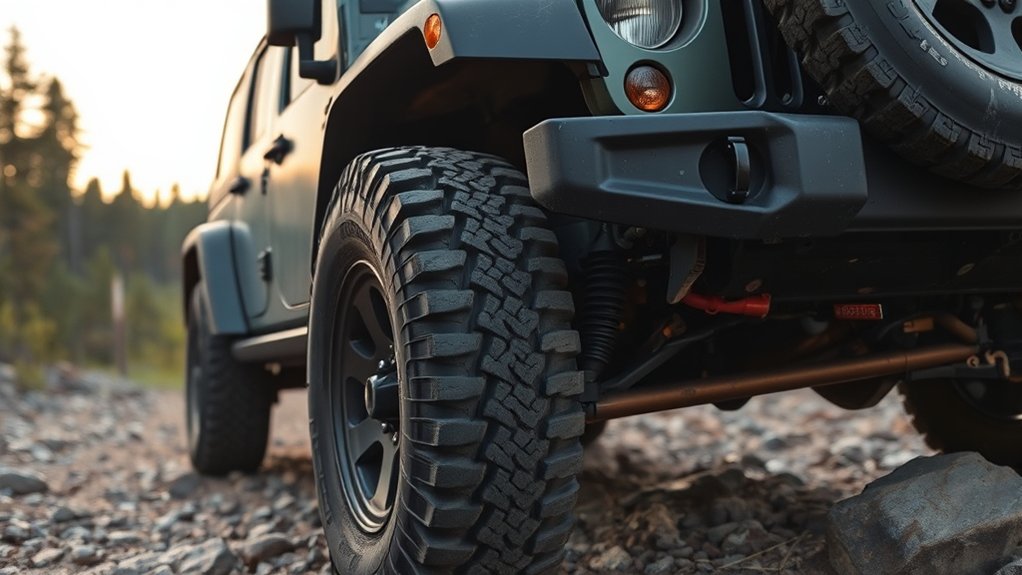
What are the common reliability issues in Jeep Wranglers that you should be aware of? One of the main concerns involves common corrosion, especially in older models. Frequent rust often appears around the frame, undercarriage, and door hinges due to exposure to moisture and road salt. This can compromise structural integrity if not addressed promptly.
Additionally, you might encounter problems with the electrical system, such as faulty wiring or sensor failures. Suspension components also tend to wear prematurely, causing noise and reduced ride quality. While the engine and transmission are generally dependable, leaks and overheating issues have been reported occasionally.
What Owners Really Think About Wrangler Reliability
How do Jeep Wrangler owners feel about their vehicle’s reliability? Many appreciate the Wrangler’s rugged design and strong aftermarket support, which helps address common issues and customize their rides.
Owners often mention the vehicle’s quirky interiors, which, while unique, sometimes feel less refined compared to other SUVs. You might notice mixed opinions: some praise the Wrangler’s durability in off-road conditions, while others report frequent maintenance needs, especially in older models.
The availability of aftermarket parts makes repairs and upgrades easier, which owners value highly. If you’re considering a Wrangler, you should weigh the trade-off between its distinctive style and the occasional mechanical quirks.
Jeep Wrangler Reliability Compared to Other Off-Road Vehicles
When you compare Jeep Wranglers to other off-road vehicles, their reliability stands out in specific areas but falls short in others. In reliability comparisons, Wranglers generally perform well regarding drivetrain durability and off-road capability, thanks to robust axles and proven four-wheel-drive systems.
However, they may lag behind some competitors in terms of electrical system issues and routine maintenance costs. Vehicles like the Toyota 4Runner or Land Rover Defender might offer fewer mechanical hiccups but often can’t match the Wrangler’s rugged off-road performance or aftermarket customization options.
If you prioritize consistent off-road capability, the Wrangler remains a strong contender, though you should weigh this against potential reliability trade-offs compared to other models. Understanding these nuances helps you make a balanced decision based on your specific needs.
Why Jeep Wranglers Are Built Tough
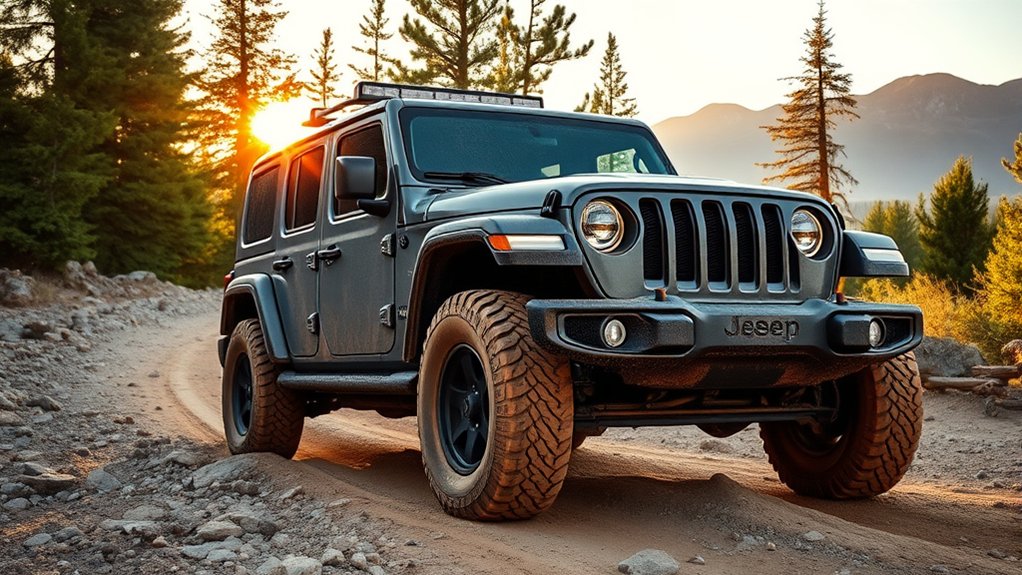
Why do Jeep Wranglers consistently earn a reputation for toughness? It’s primarily because of their tough build, designed to endure harsh conditions. You’ll find a robust frame and reinforced chassis that work together to provide strength and rigidity.
This foundation supports the Wrangler’s off-road durability, allowing it to tackle rocks, mud, and uneven terrain without compromising performance. The suspension system is engineered to absorb shocks effectively, ensuring stability and control on rough trails.
Additionally, Jeep uses high-quality materials and rigorous testing standards to guarantee durability under extreme stress. When you choose a Wrangler, you’re getting a vehicle purpose-built for resilience, capable of handling demanding environments while maintaining reliability over time, qualities that make it a favorite among off-road enthusiasts.
Tips to Keep Your Jeep Wrangler Running Smoothly Longer
Maintaining your Jeep Wrangler’s performance over time requires consistent care and attention to key components. To combat common reliability myths, focus on regular oil changes, fluid checks, and timely brake inspections.
Keeping your suspension and drivetrain in good shape helps prevent costly repairs and extends your vehicle’s lifespan. Don’t overlook tire maintenance; proper inflation and rotation improve handling and fuel efficiency.
Long term maintenance also means addressing minor issues before they escalate. Small leaks or unusual noises shouldn’t be ignored. Using quality parts and adhering to the manufacturer’s service schedule ensures your Wrangler stays dependable.
Frequently Asked Questions
What Is the Average Fuel Economy of a Jeep Wrangler?
You’ll find the average MPG of a Jeep Wrangler ranges from 17 to 25, depending on the engine. Be prepared for noticeable engine noise, especially during acceleration, which can affect your overall driving experience.
How Much Does a Jeep Wrangler Typically Cost New?
When it comes to the price range, Jeep Wranglers typically start around $30,000, but adding factory options can quickly push costs past $45,000. You’ll want to weigh those choices carefully to get the best fit.
Are Jeep Wranglers Good for Daily City Driving?
Jeep Wranglers can handle city driving and daily commuting, but you’ll notice a stiffer ride and lower fuel efficiency compared to sedans. Their size may challenge parking, so weigh comfort and convenience before choosing one for urban use.
What Are the Best Aftermarket Upgrades for Jeep Wranglers?
Think of your Jeep as a wild stallion. Upgrading with the best suspension tames rough trails, while oversized tires grip like claws on rocks.
These mods boost performance, durability, and off-road confidence, transforming your ride into a beast.
How Does Jeep Wrangler Resale Value Hold Over Time?
You’ll find Jeep Wrangler resale value longevity is strong compared to many SUVs, but depreciation factors like mileage, condition, and model year still impact it. Proper maintenance helps you retain more value over time.
Conclusion
If you’re drawn to a Jeep Wrangler’s rugged charm, you’ll find its reliability matches the adventure—though like any tough vehicle, it needs regular care to avoid common issues like corrosion and electrical glitches.
Coincidentally, the very durability that handles off-road challenges can demand higher maintenance costs. But with timely upkeep, your Wrangler will reward you with years of dependable performance.
Staying proactive keeps your Jeep ready for whatever the trail throws your way. Overall, understanding how to maintain your vehicle is key to ensuring Jeep Wranglers are reliable companions on and off the road.