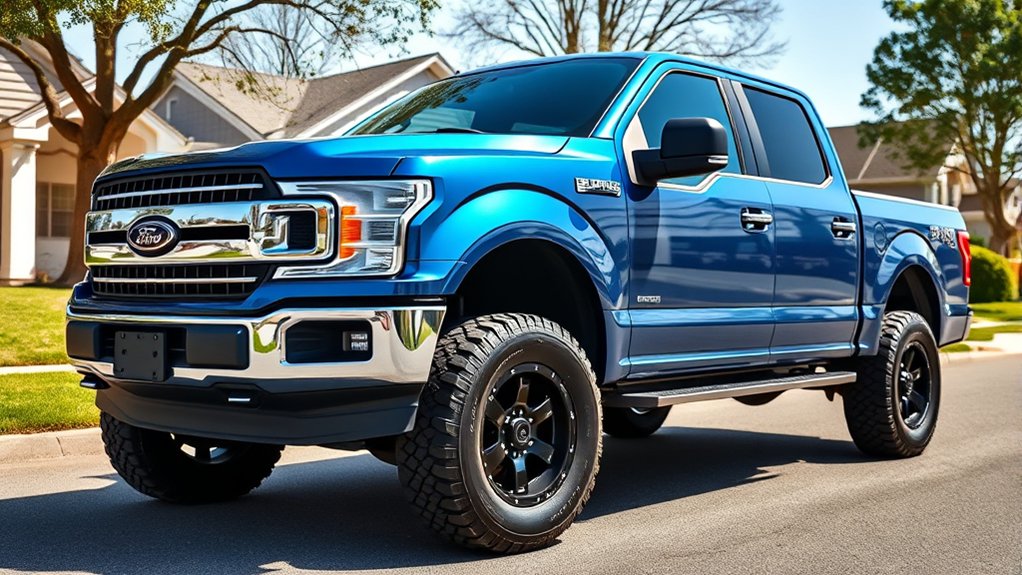
Is f150 a Half Ton
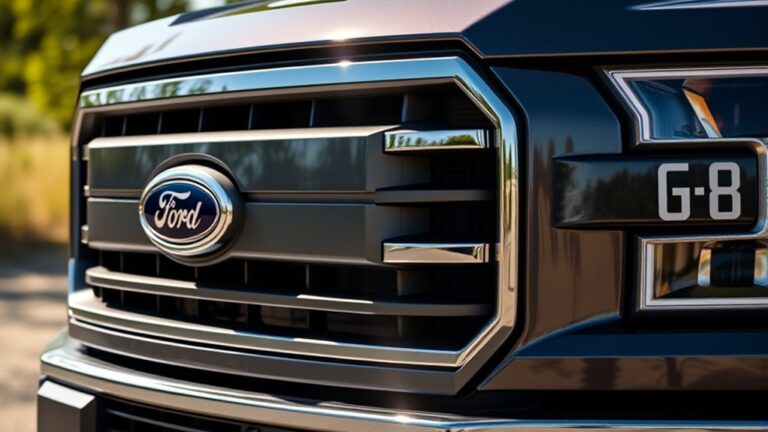
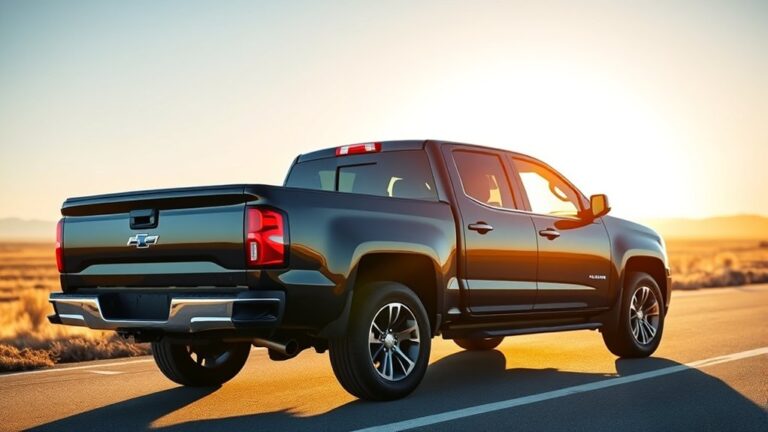
When you hear “half-ton” pickup, you might assume it means a strict 1,000-pound payload limit, but the Ford F-150 challenges that notion. The F-150 is commonly referred to as a half-ton truck, yet it often carries well beyond traditional half-ton figures depending on its setup.
Understanding how the F-150 fits into this classification requires looking at its varied configurations and capabilities. These details reveal why the half-ton label might not tell the whole story.
Key Takeaways
- The F-150 is traditionally classified as a half-ton truck, originating from a 1,000-pound payload concept.
- Modern F-150 payloads typically range from 1,500 to over 3,000 pounds, exceeding traditional half-ton limits.
- Payload includes passengers, cargo, and equipment, varying by model and configuration.
- Advanced engineering and stronger frames enable the F-150 to surpass classic half-ton payload capabilities.
- The half-ton label is a general classification, not a strict limit, with actual capacity depending on specific models.
What Does “Half Ton” Mean for Pickup Trucks?
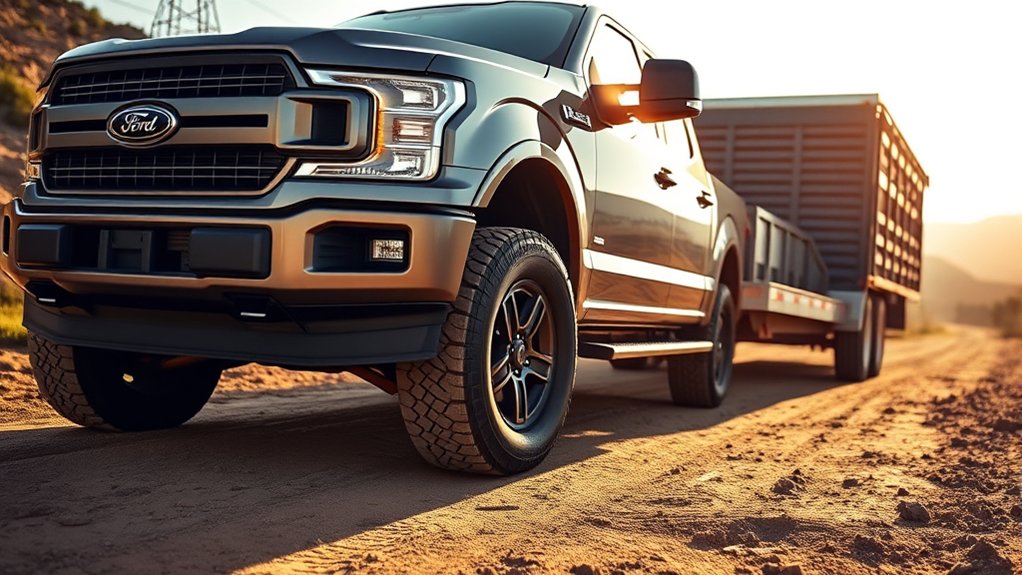
What exactly does “half ton” mean when it comes to pickup trucks? The half ton definition originally referred to a truck’s ability to carry 1,000 pounds of payload. However, this term now serves more as a general classification rather than an exact measurement.
When you consider payload limits, half-ton trucks typically handle between 1,500 and 2,000 pounds, depending on the model and configuration. These limits include the weight of passengers, cargo, and any additional equipment.
Understanding this helps you choose a truck that matches your hauling needs without overloading. Keep in mind, the half ton definition is traditional, so always check the specific payload limits for the truck you’re interested in, rather than relying solely on the “half ton” label.
How Does the F-150’s Payload Stack Up Against Half-Ton Trucks?
How does the F-150’s payload capacity compare to typical half-ton trucks? When you look at payload comparisons, the F-150 consistently ranks near the top in its class. It often delivers a payload capacity ranging from about 1,500 to over 3,000 pounds, depending on the model and configuration.
This aligns well with what you’d expect from half-ton trucks, which generally fall within a similar payload range. Regarding towing metrics, the F-150 also holds its own, offering competitive towing capabilities that complement its payload strengths.
If you’re evaluating trucks based on what they can carry and tow, the F-150’s figures show it’s a strong contender in the half-ton category. This makes it a practical choice if payload and towing are your priorities.
How Do Ford’s F-150 Models Vary in Capability and Towing?
The F-150 lineup offers a range of models that cater to different levels of capability and towing needs, ensuring you can find a truck that matches your specific requirements. From the base XL to the powerful Raptor, each model varies in engine options, suspension, and towing capacity.
For example, the XL suits everyday tasks, while the Lariat and King Ranch provide enhanced towing features. The Platinum and Limited trim levels add luxury without compromising capability. When exploring discussion ideas, it’s important to focus on these distinctions rather than unrelated topics like interior technology or fuel economy.
Understanding how each model’s towing capacity and payload differ helps you make an informed decision based on your hauling demands, ensuring you choose the right F-150 for your needs.
Why Does the F-150 Exceed Traditional Half-Ton Payload and Towing Limits?
Why does the Ford F-150 consistently outperform traditional half-ton trucks in payload and towing capacity? It’s all about what makes a truck capable: advanced engineering, stronger frames, and efficient powertrains.
The F-150’s design balances payload vs towing, allowing it to carry heavy loads without compromising towing performance.
| Capability Aspect | F-150 Advantage |
|---|---|
| Frame Strength | High-strength steel frame |
| Engine Options | Multiple high-torque engines |
| Suspension System | Optimized for heavy loads |
These factors enable the F-150 to exceed typical half-ton limits. When you compare payload vs towing, the truck’s versatility shines, making it a reliable choice for demanding tasks beyond traditional classifications.
What the Half-Ton Label Means for Your F-150 Choice
When choosing an F-150, what does the half-ton label really tell you? The term “half-ton” is more of a traditional classification than an exact measurement. It serves as a general guide rather than a strict payload limit, blending bold marketing vs practical use.
Truck manufacturers, including Ford, often exceed this benchmark, especially with factory special editions designed for enhanced capability.
Understanding the half-ton label helps you make informed choices:
- It indicates a baseline payload capacity around 1,000 pounds
- Marketing may exaggerate capabilities beyond practical daily use
- Factory special editions offer upgrades that surpass standard half-ton specs
- Payload and towing depend on configuration, not just the label
Frequently Asked Questions
What Engine Options Are Available for the Ford F-150?
You can choose from several engine options for the Ford F-150, including V6, V8, and hybrid variants. Each engine balances power and fuel economy differently, letting you pick the best fit for your driving needs.
How Does the F-150’s Fuel Economy Compare to Other Trucks?
Think of your F-150 as a steadfast ship; its fuel economy sails competitively among trucks. Balancing upholstery durability and tire rotation cadence helps maintain efficiency, ensuring your journey stays smooth without sacrificing power or comfort.
What Safety Features Come Standard on the F-150?
You get advanced safety features like Pre-Collision Assist and Blind Spot Monitoring standard on the F-150, reflecting its strong build quality.
Electric options add tech upgrades, while capability details ensure secure, confident driving every time.
Are There Hybrid or Electric Versions of the F-150?
Yes, you can choose the F-150 PowerBoost hybrid or the all-electric F-150 Lightning. Don’t buy into hybrid myths or electric myths. They’re powerful, efficient options that blend performance with lower emissions.
What Are the Common Maintenance Costs for an F-150?
You’ll typically spend on oil changes, brake pads, and tire rotations for your F-150. Unrelated maintenance like cabin filters varies.
Compared to non-F series trucks, costs are moderate, reflecting its durable yet practical design.
Conclusion
So, is your F-150 really a half-ton? Well, only if you enjoy nostalgia and ignoring modern engineering feats. Ford’s F-150 laughs at the old 1,000-pound limit, hauling well beyond it without breaking a sweat.
You might call it a “half-ton” for tradition’s sake, but in reality, it’s more like a heavyweight champ in a half-ton’s clothing. Choose wisely, but don’t let outdated labels weigh down your decision.
In conclusion, while the F-150 carries the half-ton name, its capabilities far exceed what the term originally meant.