How Long Does an Oil Filter Last
Think of your oil filter like a coffee filter—it works quietly but eventually clogs, affecting performance. An oil filter typically lasts between 3,000 and 7,500 miles, depending on factors like your vehicle type and driving habits.
If you overlook this component, you risk reduced engine efficiency and potential damage. Understanding how to gauge its lifespan can save you time and money while protecting your engine’s health.
Key Takeaways
- Oil filters typically last between 3,000 and 7,500 miles, depending on vehicle type and oil quality.
- Replacement is generally recommended with every oil change to maintain optimal engine performance.
- Driving conditions like stop-and-go traffic and dusty environments can shorten oil filter lifespan.
- Signs to change include reduced oil filtration, increased engine noise, and decreased fuel efficiency.
- Always follow the vehicle manufacturer’s recommended oil filter replacement interval for best results.
How Long Does an Oil Filter Typically Last?
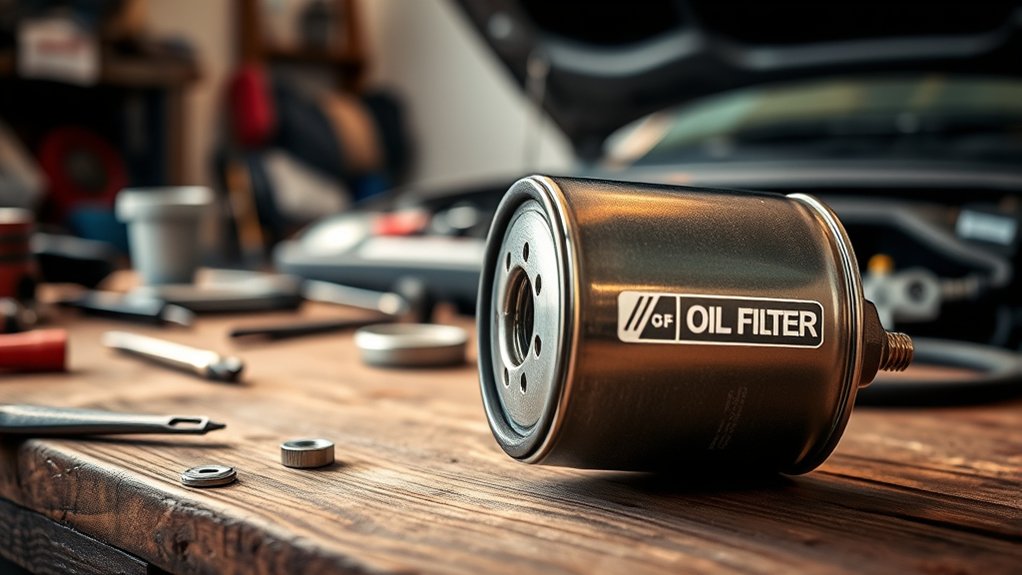
How long should you expect your oil filter to last before it needs replacement? Typically, oil filters are designed to last between 3,000 to 7,500 miles, depending on vehicle type and oil quality.
Oil filters generally last 3,000 to 7,500 miles, varying by vehicle and oil quality.
This range stems from extensive testing in oil filtration efficiency and contaminant retention. When you consider two word discussion ideas like “filter lifespan” or “maintenance interval,” you’ll find manufacturers often recommend replacement every oil change to ensure optimal engine performance.
The oil filtration process traps particulates and prevents engine wear, but over time, the filter media becomes saturated and less effective. If you stick to manufacturer guidelines, you maintain proper oil flow and filtration, safeguarding engine components.
Understanding typical oil filter longevity helps you plan timely replacements without guesswork.
What Affects How Long Your Oil Filter Lasts?
Why does the lifespan of your oil filter vary so much? Several factors influence it, including driving conditions, oil quality, and engine type.
If you frequently drive in stop-and-go traffic or dusty environments, your filter works harder, reducing its effective life. High-quality oil and filters with advanced filtration media extend filter efficiency by capturing smaller contaminants longer.
Modern oil filters often feature recyclable packaging, which supports environmental responsibility without compromising durability. Additionally, some filters incorporate design elements that contribute to noise reduction by dampening vibrations during operation, indirectly affecting overall engine performance and filter longevity.
Understanding these variables helps you choose the right filter and maintenance schedule tailored to your vehicle’s needs, ensuring optimal oil cleanliness and engine protection over time.
How to Know When to Change Your Oil Filter
When should you replace your oil filter to maintain peak engine performance? You should change your oil filter based on the manufacturer’s recommended interval, typically every 3,000 to 7,500 miles, depending on your vehicle and oil type.
Monitor your oil’s viscosity and filtration capacity. Deterioration in these can signal the need for a filter change. Lower oil viscosity or visible contamination indicates the filter is no longer effectively trapping particles.
Additionally, if you notice increased engine noise or reduced fuel efficiency, these may reflect compromised filtration capacity. Using high-quality oil and filters designed for your engine ensures optimal viscosity retention and particle removal.
Regularly checking your oil condition and adhering to scheduled maintenance helps you avoid premature filter clogging and protects your engine’s longevity.
What Happens If You Don’t Change Your Oil Filter
If you neglect to change your oil filter, contaminants and debris will accumulate, reducing its ability to effectively trap particles. This leads to contaminated oil circulating through your engine, accelerating wear and potentially causing damage to critical components.
Over time, a clogged filter can create increased oil pressure, risking seal leaks or even filter rupture. You might notice reduced engine performance or unusual noises as symptoms.
Proper maintenance includes timely filter replacement and responsible filter disposal to prevent environmental harm. Used oil filters contain hazardous materials that require special handling; improper disposal can contaminate soil and water.
Always follow local regulations for filter disposal and take advantage of recycling oil programs to minimize environmental impact and promote sustainable vehicle maintenance.
How Often to Replace Your Oil Filter
How frequently should you replace your oil filter to maintain optimal engine performance? Typically, you should replace your oil filter every time you change your oil, which is usually between 3,000 to 7,500 miles, depending on your vehicle and oil type.
Sticking to this interval ensures the filter efficiently traps contaminants, preventing engine wear. Avoid engaging in irrelevant discussion about extending filter life beyond manufacturer recommendations, as this risks clogging and reduced oil flow.
While exploring topic ideas, focus strictly on the scheduled maintenance intervals rather than unconventional practices. Consistent replacement keeps your engine running smoothly and avoids costly damage.
Consult your vehicle’s manual for precise intervals, as some modern engines allow longer periods, but always prioritize manufacturer guidelines over anecdotal advice or experimentation.
How to Pick the Right Oil Filter for Your Car
Why does choosing the right oil filter matter for your car’s engine? Selecting the correct oil filter ensures optimal protection by efficiently trapping contaminants without restricting oil flow.
First, verify engine compatibility by consulting your vehicle’s manual or manufacturer recommendations; an incompatible filter can cause leaks or poor filtration. Next, evaluate filtration materials—synthetic media typically offers superior particle retention and durability compared to cellulose.
Consider the micron rating as well; lower ratings capture finer debris, enhancing engine longevity. Additionally, check the filter’s construction quality, including gasket material and anti-drainback valves, to prevent oil starvation during startup.
How to Change Your Oil Filter Safely
Before you start, gather the necessary tools like a wrench, drain pan, and new oil filter to guarantee a smooth process. Make certain the engine is cool and the vehicle is securely elevated to avoid accidents.
Follow a step-by-step method to remove the old filter carefully, preventing spills and damage to the engine.
Necessary Tools Preparation
Although changing your oil filter might seem straightforward, preparing the right tools assures the process goes smoothly and safely. First, gather an oil filter wrench designed to fit your vehicle’s oil filter size. Understanding oil filter terminology like “spin-on” or “cartridge” helps you choose correctly.
You’ll also need a drain pan to catch residual oil, preventing spills and potential leaks. Have a clean rag or paper towels ready to wipe away any drips. Use gloves to protect your hands from hot oil and contaminants.
Additionally, prepare a socket set or adjustable wrench for loosening bolts if required. Finally, keep a new oil filter and fresh oil nearby. Proper tool preparation minimizes mistakes and ensures a secure, leak-free filter installation.
Step-by-Step Removal
How exactly do you remove an oil filter without causing spills or damage? First, ensure the engine is cool to prevent burns. Position an oil drain pan beneath the filter to catch residual oil.
Use an oil filter wrench to grip and turn the filter counterclockwise carefully. Avoid sudden or excessive force that could damage the mounting surface.
Once loosened, remove the filter by hand, keeping it upright to prevent oil spillage. Inspect the mounting area and remove the old rubber gasket if it remains attached.
Before installing a new filter, apply a thin layer of fresh oil to the gasket to ensure a proper seal. Proper oil filtration maintenance during this process is critical for engine longevity and optimal performance.
Dispose of the used filter and oil responsibly.
How Oil Filter Maintenance Extends Engine Life
You’ll extend your engine’s life by regularly maintaining the oil filter, which prevents abrasive particles from causing wear. Proper maintenance ensures ideal oil flow, keeping lubrication consistent and effective.
It also reduces contaminant build-up that can degrade engine components over time.
Preventing Engine Wear
Why does maintaining your oil filter matter so much for engine longevity? An effective oil filter traps contaminants that degrade oil viscosity, preventing abrasive particles from accelerating engine wear.
Regular filter changes ensure consistent oil quality, reducing friction and extending component life. Additionally, responsible filter recycling minimizes environmental impact while promoting sustainable maintenance.
| Maintenance Aspect | Impact on Engine Wear | Benefit |
|---|---|---|
| Timely Filter Change | Removes debris, maintains oil viscosity | Reduces friction, wear |
| Quality Filter Use | Efficient contaminant capture | Protects engine parts |
| Proper Disposal | Enables filter recycling | Supports environmental health |
| Regular Inspection | Detects filter degradation | Prevents premature failure |
Enhancing Oil Flow
Maintaining your oil filter not only prevents engine wear but also optimizes oil flow throughout the system. By regularly performing flow maintenance, you ensure that oil circulates efficiently, delivering essential lubrication to all critical engine components.
A clean, well-maintained filter reduces resistance, allowing the oil pump to operate at optimal pressure and volume. This enhances oil flow, preventing oil starvation and overheating, which can cause premature engine failure.
Neglecting oil filter maintenance leads to clogging, restricting oil passage and forcing the system to work harder. By staying proactive with filter changes, you maintain consistent oil flow rates, improving engine performance and longevity.
Ultimately, enhancing oil flow through diligent filter care supports the engine’s mechanical integrity and reliable operation under varied driving conditions.
Reducing Contaminant Build-Up
How does an oil filter effectively reduce contaminant build-up within your engine? It captures and retains particles like dirt, metal shavings, and carbon deposits suspended in the oil, preventing them from circulating and causing wear.
Maintaining optimal filter efficiency is crucial because as contaminants accumulate, the filter’s ability to trap new particles diminishes. You should replace the oil filter according to manufacturer recommendations to sustain this efficiency.
Neglecting maintenance allows contaminants to bypass the filter, accelerating engine wear and reducing lifespan. By regularly replacing your oil filter, you ensure consistent reducing contaminants, which protects engine components, improves lubrication, and prevents sludge formation.
This proactive approach minimizes friction and corrosion, ultimately extending your engine’s operational life through cleaner oil flow and enhanced mechanical reliability.
Frequently Asked Questions
Can Using a Reusable Oil Filter Save Money?
Yes, using a reusable filter can save you money by reducing waste and replacement costs. Its durable design allows cleaning rather than buying new filters, providing significant cost savings over time with proper maintenance and care.
Do Synthetic Oils Require Different Oil Filters?
You don’t usually need synthetic filters specifically for synthetic oils, but you should check compatibility questions carefully. Some synthetic oils may require filters with enhanced filtration media to handle different additive packages effectively.
How Do Oil Filters Differ Between Car Brands?
You’ll notice oil filter differences mainly in brand specific housing designs, filtration media, and bypass valves. These variations ensure compatibility with each car’s engine, optimizing oil flow and protection tailored to manufacturer specifications and performance standards.
Can a Dirty Oil Filter Affect Fuel Efficiency?
Yes, a dirty oil filter restricts oil flow, causing dirty oil buildup that increases engine friction. This reduces fuel economy because your engine works harder, so you’ll notice decreased fuel efficiency until you replace the filter.
Are There Environmental Concerns With Disposing Oil Filters?
Yes, you must follow strict disposal regulations since improper oil filter disposal causes serious environmental impact, contaminating soil and water. Recycling used filters reduces pollution, so always dispose of them at authorized collection centers to protect ecosystems effectively.
Conclusion
You might think oil filters last as long as your oil, but that’s not always true. Factors like driving conditions and oil quality can shorten their lifespan, so changing your filter every oil change is crucial. Ignoring this can lead to clogged filters, reduced oil flow, and engine damage.
By staying vigilant and replacing your oil filter regularly, you ensure optimal engine performance and longevity. Proper maintenance of your oil filter isn’t just routine—it’s essential for the health of your vehicle. Remember, knowing how long an oil filter lasts helps you keep your engine running smoothly.