How Splice Jeep Renegade Door Plug Wires
When you splice Jeep Renegade door plug wires, precision and safety are key. You’ll need to start by carefully inspecting the wires for damage and disconnecting the battery to avoid electrical hazards. Properly stripping, matching, and securing the wires ensures reliable connections that won’t fail over time.
But getting these steps right requires attention to detail and the right tools—skip or rush them, and you risk more than just a faulty connection. Taking your time helps maintain the integrity of your vehicle’s electrical system and keeps everything functioning smoothly.
Key Takeaways
- Disconnect the battery and inspect Jeep Renegade door plug wires for damage before starting the splice process.
- Strip about a quarter inch of insulation from wires using wire strippers without nicking copper strands.
- Twist matching wire colors tightly, solder the splice, and insulate with adhesive heat shrink tubing for durability.
- Test each splice with a multimeter to confirm continuity and proper polarity before reassembly.
- Secure splices along factory wire routing, using color-coded materials to maintain correct wire alignment and prevent corrosion.
Prepare Your Jeep Renegade Door Plug Wires
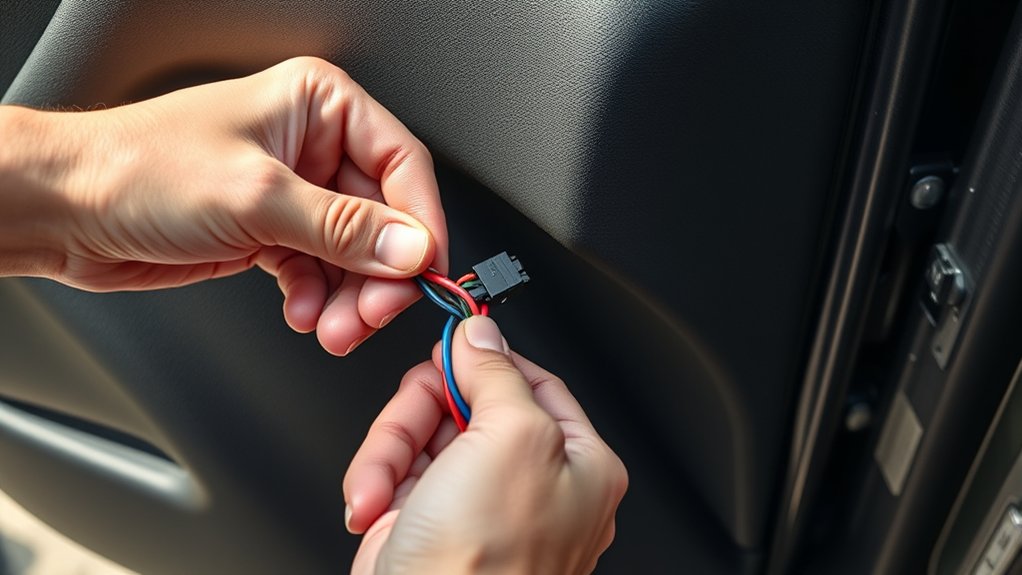
How do you guarantee your Jeep Renegade door plug wires are ready for splicing? First, avoid the wrong approach by not assuming wires are in perfect condition. Inspect each wire carefully for damage, corrosion, or fraying.
Never assume Jeep Renegade door plug wires are flawless; always inspect for damage, corrosion, or fraying before splicing.
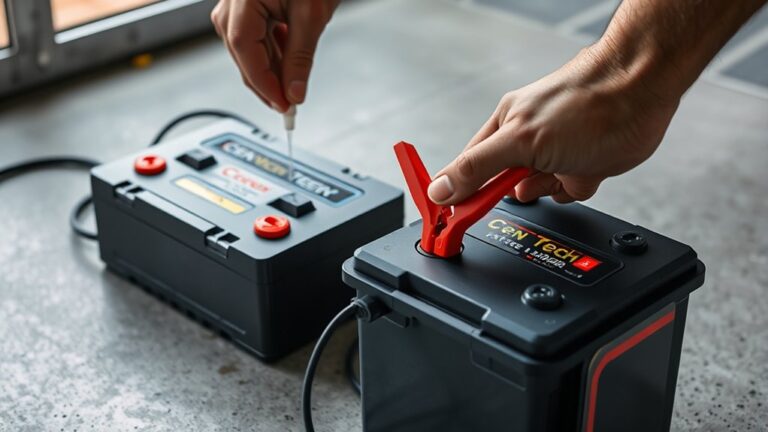
Next, disconnect the battery to prevent electrical hazards. Strip the wire insulation precisely, exposing about a quarter inch of copper without nicking the strands.
Don’t get sidetracked by irrelevant ideas like guessing wire functions without a wiring diagram; this is unrelated to preparing the wires themselves. Clean the exposed wire with a contact cleaner to ensure optimal conductivity.
Organize wires by color and position to maintain correct alignment during splicing. Proper preparation sets a solid foundation. Neglecting this step leads to unreliable connections and potential electrical failures.
Pick the Right Tools and Materials
After ensuring your Jeep Renegade door plug wires are clean, organized, and properly stripped, selecting the right tools and materials becomes the next step to achieve a secure splice. Using proper equipment ensures durability and prevents electrical faults.
- Wire strippers: precisely remove insulation without damaging copper strands.
- Soldering iron or crimping tool: depending on your preferred splice method.
- Heat shrink tubing with adhesive: provides reliable anti-corrosion protection and mechanical strength.
- Color-coded electrical tape or heat shrink: maintain color coding integrity for easy identification and troubleshooting.
Choose materials rated for automotive use to withstand temperature fluctuations and vibration. Prioritize tools that offer precision to avoid wire damage. This preparation ensures your splice is secure, corrosion-resistant, and organized.
How to Splice Jeep Renegade Door Plug Wires
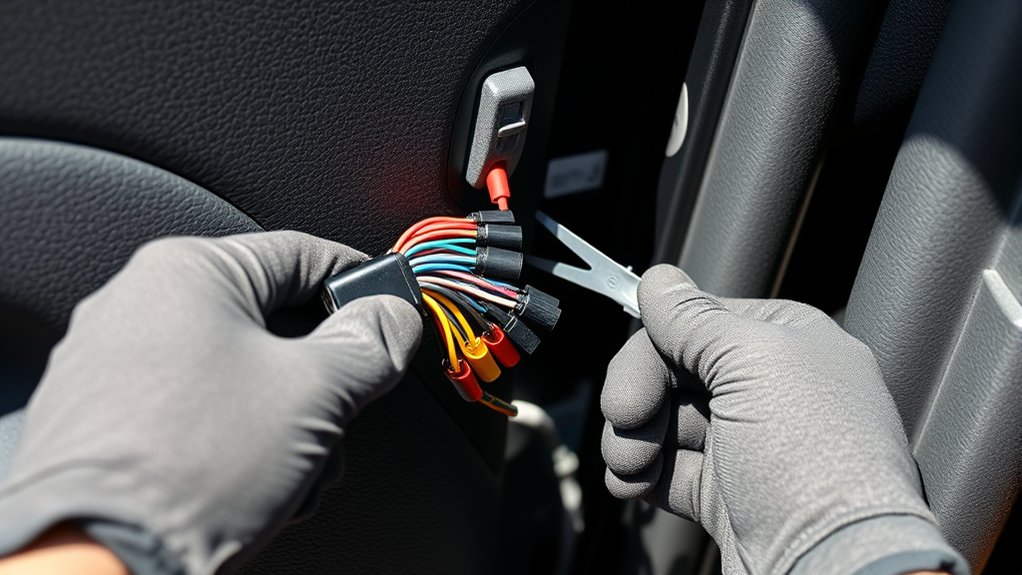
When you start splicing the Jeep Renegade door plug wires, you’ll want to ensure each wire is properly aligned and securely connected to maintain electrical integrity. Begin by stripping a short section of insulation from both wire ends without nicking the copper strands.
Twist the exposed strands tightly together, matching wire colors precisely to avoid confusion. Avoid introducing any irrelevant topic or unrelated concept that could complicate the process. Once twisted, solder the connection to ensure a solid electrical bond.
After cooling, insulate each splice with heat shrink tubing or electrical tape to prevent shorts. Keep wire routing consistent with factory paths to preserve functionality. Stay focused on the task; distractions or incorporating irrelevant topic details can lead to faulty splices and electrical issues.
Test and Secure Your Spliced Wires
Why is it essential to test your spliced wires before finalizing the installation? Testing ensures each connection maintains signal integrity, preventing selective hearing issues in door electronics. Use color coding diagrams to verify correct wire pairing and orientation.
Follow these steps:
- Connect a multimeter to confirm continuity and absence of shorts.
- Use the Jeep Renegade’s diagnostic tool or audio system to check signal reception on each wire.
- Inspect each splice visually for secure crimps or solder joints, ensuring no exposed copper.
- Apply electrical tape or heat shrink tubing over splices to protect against moisture and mechanical stress.
Fix Common Issues After Splicing
How do you address common problems that arise after splicing your Jeep Renegade door plug wires? First, verify all connections with a multimeter to ensure continuity and correct polarity.
If you detect intermittent signals or no power, re-examine your splice for loose or corroded contacts. Avoid introducing unrelated topic distractions or off topic ideas during troubleshooting; focus strictly on wiring integrity and connector seating.
Replace damaged insulation with heat shrink tubing to prevent shorts. If issues persist, consult wiring diagrams specific to the Renegade to rule out downstream faults.
Document your repair steps clearly, keeping unrelated topic notes separate, which helps maintain focus. By systematically isolating faults without diverging into off topic ideas, you’ll restore reliable door plug wire functionality efficiently and professionally.
Frequently Asked Questions
Can Splicing Door Plug Wires Void My Jeep Renegade Warranty?
Yes, splicing door plug wires can void your Jeep Renegade warranty due to warranty implications. Manufacturers may view unauthorized modifications as privacy concerns, potentially leading to denied claims or repairs related to electrical system faults.
What Are the Best Wire Types for Jeep Renegade Door Plugs?
You should use high-quality, automotive-grade stranded copper wire with proper insulation to maintain door aesthetics and prevent corrosion.
Don’t worry about warranty myths; using the right wire won’t void your Jeep Renegade’s warranty if done correctly.
How Long Does the Splicing Process Usually Take?
The splicing process usually takes 15-30 minutes, depending on timing considerations like wire complexity and access. Choose proper tools, such as wire strippers, crimpers, and heat shrink, to ensure precision and efficiency throughout the procedure.
Are There Safety Risks When Splicing Door Plug Wires?
Yes, taking dangerous shortcuts with nonstandard wiring increases risks like shorts or fires. You must avoid sloppy splices and use proper tools to assure secure connections, preventing electrical failures and maintaining your Jeep’s safety.
Can I Splice Door Plug Wires Without Professional Help?
You can splice door plug wires without professional help if you’re precise and cautious, like following cooking tips. Treat it like jury duty: focus, avoid mistakes, and ensure secure connections to prevent electrical issues or failures.
Conclusion
Splicing your Jeep Renegade door plug wires is like weaving a strong lifeline—each connection must be precise and secure to assure flawless function. By carefully preparing, matching colors, and protecting your splices, you create a seamless circuit that withstands the road’s twists and turns.
Test thoroughly and fix issues promptly to keep your vehicle’s electrical system humming reliably. With attention to detail, your repairs will drive confidence every time you hit the road.
Mastering how to splice Jeep Renegade door plug wires ensures a durable and dependable electrical connection that supports your vehicle’s performance.