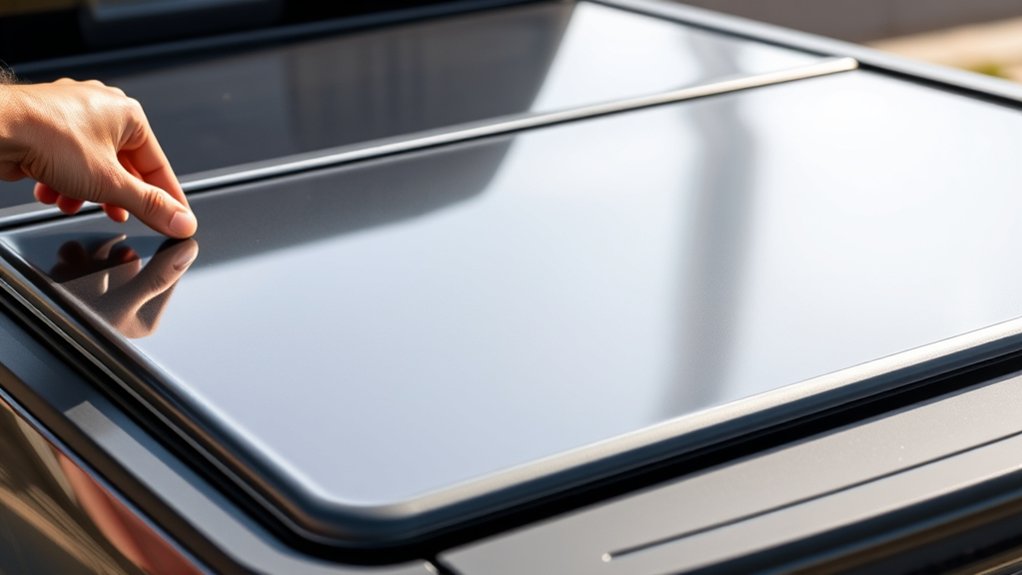
How Much Does a Fiberglass Tonneau Cover Weigh
When considering a fiberglass tonneau cover, you’ll find its weight varies substantially based on design and materials. Fiberglass tonneau covers generally weigh between 25 and 60 pounds, depending on whether they are single-piece or multi-piece models. Lighter, single-piece covers weigh closer to 25 pounds, while multi-piece or locking models can exceed 60 pounds.
Understanding these differences is key, as weight impacts fuel efficiency, installation ease, and overall performance. But what design factors most influence this weight, and how does fiberglass compare to other materials?
Key Takeaways
- Fiberglass tonneau covers typically weigh between 25 and 60 pounds, depending on design and features.
- Single-piece, thinner fiberglass covers weigh less, while multi-piece or clamshell designs with locks are heavier.
- Material density, thickness, and added hardware significantly influence the overall weight of fiberglass covers.
- Fiberglass is heavier than vinyl but lighter than some aluminum covers, balancing durability and weight.
- Weight affects installation ease, vehicle fuel efficiency, and cover performance, requiring design trade-offs.
How Fiberglass Cover Design and Materials Affect Weight
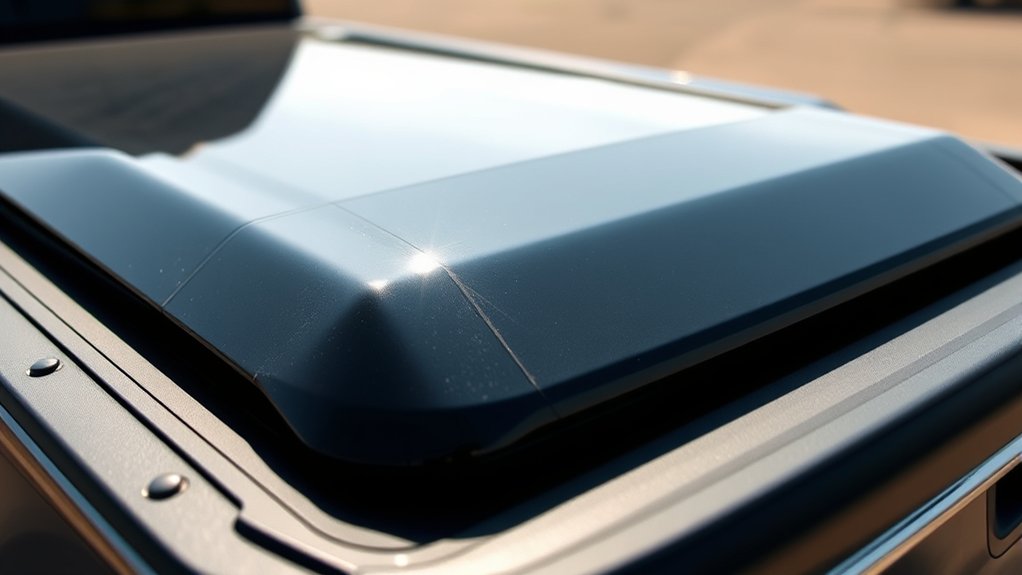
How exactly do design choices and material selection influence the weight of a fiberglass tonneau cover? When you choose lightweight composites for the cover’s construction, you substantially reduce its overall mass without compromising durability. These advanced materials offer high strength-to-weight ratios, making the cover easier to handle and install.
Design elements such as thickness, contouring, and reinforcement strategically balance structural integrity and weight savings. Additionally, aerodynamic shaping minimizes wind resistance, which not only improves fuel efficiency but also reduces stress on mounting points.
Fiberglass Tonneau Cover Weight Range
What range of weight should you expect when selecting a fiberglass tonneau cover? Typically, these covers weigh between 25 and 60 pounds. This weight range depends largely on the design impact, including thickness, reinforcement methods, and added features such as hinges or latches.
For instance, a thinner, single-piece cover without additional hardware sits at the lower end of the weight range. Conversely, multi-piece or clamshell designs with integrated locking mechanisms tend to approach the higher limit.
Understanding this weight range helps you assess installation ease and vehicle compatibility. Keep in mind that even small adjustments in design impact can shift the cover’s weight considerably, so comparing specific models is crucial when making your selection.
Fiberglass vs. Other Tonneau Cover Materials: Weight Comparison
You’ll find fiberglass covers weigh more than vinyl but less than some aluminum options, offering a balanced weight profile.
When comparing materials, consider that aluminum is lightweight yet may sacrifice some durability, while vinyl is light but less robust. Understanding the tradeoff between durability and weight helps you choose the best material for your needs.
Fiberglass Weight Overview
When comparing tonneau cover materials, understanding the weight differences is essential for performance and handling. Fiberglass provides a balanced option, combining durability with moderate weight that benefits weight distribution and enhances vehicle stability. Its rigid structure also contributes to superior fiberglass aesthetics, maintaining a sleek, polished look without excessive bulk.
| Material | Average Weight (lbs) | Impact on Weight Distribution |
|---|---|---|
| Fiberglass | 40-60 | Moderate, improves stability |
| Hard Plastic | 30-50 | Light, less impact |
| Steel | 70-90 | Heavy, can affect handling |
Choosing fiberglass means you get a cover that’s not too heavy yet sturdy, optimizing both functionality and appearance.
Aluminum And Vinyl Comparison
Fiberglass offers a solid balance between weight and durability, but it’s important to compare how it stacks up against aluminum and vinyl options. Aluminum tonneau covers typically weigh less than fiberglass, often around 20-30 pounds, due to aluminum’s lightweight nature.
Vinyl covers are the lightest, sometimes under 15 pounds, as they use flexible materials with minimal structural support. However, making an unrelated topic or random comparison between these materials can mislead you; weight differences are just one factor.
Unlike an unrelated topic, here the focus is on material density and construction. You’ll find aluminum excels in lightness but may sacrifice rigidity, while vinyl covers prioritize ease of handling over structural integrity.
Understanding these distinctions helps you choose the right tonneau cover without confusing unrelated or random comparisons.
Durability Versus Weight Tradeoff
How does durability impact the weight you’re willing to carry with your tonneau cover? When choosing between fiberglass and other materials, you face durability tradeoffs that affect weight optimization. Fiberglass offers high strength but adds weight, while aluminum and vinyl reduce weight but vary in resilience.
Consider these factors:
- Fiberglass provides robust impact resistance but increases cover weight.
- Aluminum offers lightweight durability with corrosion resistance.
- Vinyl is the lightest but less resistant to punctures and weathering.
- Weight optimization requires balancing material strength against ease of handling and fuel efficiency.
Why Fiberglass Tonneau Cover Weight Matters for Fuel Efficiency
Why does the weight of a tonneau cover impact your truck’s fuel efficiency? Heavier covers increase your vehicle’s overall mass, requiring more engine power and fuel consumption. Fiberglass covers, while known for their durability and lightweight aesthetics, strike a balance between weight and aerodynamic benefits.
Understanding price versus weight helps you choose a cover that optimizes fuel savings without compromising quality.
| Cover Type | Weight (lbs) | Estimated MPG Impact |
|---|---|---|
| Lightweight Vinyl | 15-20 | +1 to +2 MPG |
| Fiberglass | 30-40 | +0.5 to +1 MPG |
| Steel | 50+ | 0 to -1 MPG |
Selecting a fiberglass cover can improve aerodynamics and reduce drag, contributing positively to fuel efficiency despite moderate weight.
How Cover Weight Influences Installation and Handling
When installing a fiberglass tonneau cover, its weight directly affects how easily you can position and secure it onto your truck bed. Heavier covers may require extra hands or tools to maneuver safely, while lighter ones allow for quicker, solo installation.
Understanding this balance helps you anticipate the effort and equipment needed for proper handling.
Installation Ease Factors
What impact does the weight of a fiberglass tonneau cover have on its installation and handling? The cover’s weight, influenced by fiberglass manufacturing techniques, directly affects how easily you can install it and manage it on your vehicle. Lighter covers streamline installation but must maintain structural integrity for optimal vehicle aerodynamics.
Consider these factors:
- Material Density: Higher density fiberglass increases weight, complicating installation.
- Mounting Hardware Compatibility: Heavier covers may require reinforced brackets for secure attachment.
- Single vs. Multi-Piece Design: Multi-piece covers distribute weight, easing installation.
- Support Tools: Heavier covers often necessitate additional support or multiple people during installation.
Understanding these factors helps you anticipate installation challenges, ensuring a secure fit without compromising your vehicle’s aerodynamic profile.
Handling and Maneuverability
A fiberglass tonneau cover’s weight directly affects how you handle and maneuver it during installation and routine use. Heavier covers demand more effort, potentially complicating alignment and increasing installation time. However, many models utilize flexible mounting systems, which accommodate slight adjustments despite the cover’s mass, improving ease of installation.
When handling the cover regularly, its weight influences your ability to lift and secure it quickly, impacting convenience.
Additionally, the cover’s weight contributes to subtle aerodynamics by maintaining stability at higher speeds without excessive movement or lift. This balance between weight and design ensures the cover remains firmly in place, protecting your cargo while minimizing drag.
Understanding these factors helps you select a cover that matches your handling preferences and installation capabilities efficiently.
Tips for Choosing a Lightweight Fiberglass Cover
How can you guarantee your fiberglass tonneau cover is lightweight without sacrificing durability? Focus on materials and design that optimize weight while maintaining strength and an aesthetic finish. Consider these tips:
Choose covers with advanced resin formulations that reduce weight but enhance structural integrity.
Look for models featuring a gel coat surface to ensure superior paint compatibility and a smooth, durable finish.
Opt for covers designed with aerodynamic contours; they minimize drag and reduce unnecessary bulk.
Select covers reinforced with lightweight core materials like foam, which add rigidity without excess mass.
How to Balance Durability and Weight in Your Truck Cover
Balancing durability and weight in your truck cover requires careful consideration of material properties and structural design. You need to weigh durability considerations against material costs and weight constraints to find the optimal balance.
Fiberglass offers excellent strength-to-weight ratio but tends to be heavier and pricier than alternatives like aluminum or composite materials. To help you decide, here’s a quick comparison:
| Material | Durability Considerations | Weight Impact |
|---|---|---|
| Fiberglass | High resistance to dents | Heavier (~30 lbs) |
| Aluminum | Moderate corrosion risk | Light (~15 lbs) |
| Composite | Good UV & impact resistance | Moderate (~20 lbs) |
Frequently Asked Questions
Can Fiberglass Tonneau Covers Be Painted to Match My Truck?
Yes, you can paint fiberglass tonneau covers to match your truck. Proper fiberglass painting requires cleaning, sanding, priming, and using compatible automotive paint.
This process ensures durability and a seamless, professional finish that perfectly complements your truck’s color.
Are Fiberglass Covers Weather-Resistant and Waterproof?
Yes, fiberglass covers offer excellent weather resistance and waterproofing due to their fiberglass durability. They’ve undergone rigorous weatherproof testing, ensuring they protect your truck bed from rain, snow, UV rays, and harsh environmental conditions effectively.
How Do I Clean and Maintain a Fiberglass Tonneau Cover?
You’ll want to clean your fiberglass tonneau cover every 2-3 months; regular fiberglass maintenance involves using mild soap, soft cloths, and avoiding harsh chemicals.
These cleaning tips preserve its finish and prevent damage from UV exposure.
Do Fiberglass Covers Come With a Warranty?
Yes, fiberglass covers typically come with warranty coverage that protects you against defects in material durability and workmanship. This ensures your investment stays secure for several years under normal use conditions.
Can I Lock a Fiberglass Tonneau Cover for Security?
You can bet your bottom dollar that fiberglass tonneau covers offer locking security features, ensuring your cargo stays safe.
Plus, with customizable paint options, you get both protection and style tailored to your truck’s look.
Conclusion
When choosing a fiberglass tonneau cover, you’ll want to strike the right balance between durability and weight. Lighter designs make installation easier and can improve fuel efficiency, but don’t sacrifice strength.
Remember, every ounce counts when it comes to performance and handling. By understanding how materials and design affect weight, you’ll avoid carrying dead weight and get the most out of your truck cover’s benefits.
Keep in mind that how much does a fiberglass tonneau cover weigh will vary depending on the model and build, so always check the specifications before making a decision.