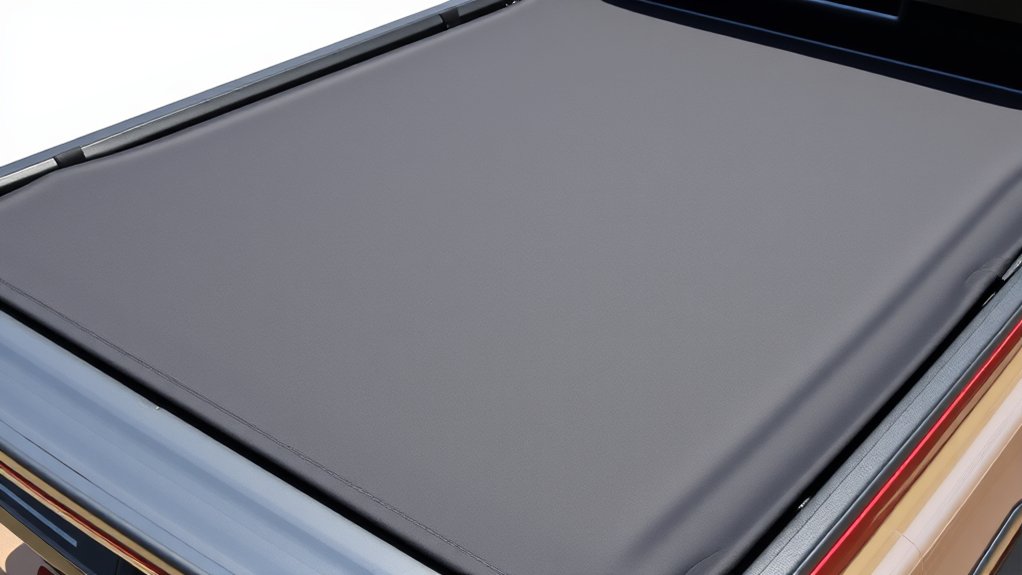
How Tight Should a Tonneau Cover Be
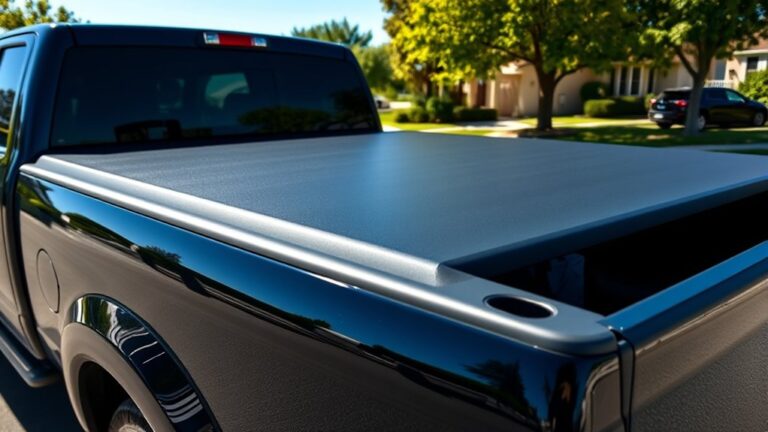
Interestingly, if you’ve ever noticed your tonneau cover flapping loudly on a windy day, you’re witnessing the effects of improper tension firsthand. How tight should a tonneau cover be is an important question to consider for optimal performance.
Getting the right tightness is crucial—it should be firm enough to prevent movement and water pooling, yet not so tight that it damages seams or warps the frame. Striking this balance isn’t always obvious, and knowing how to gauge it can make all the difference in protecting your truck bed.
Key Takeaways
- A tonneau cover should be taut enough to prevent sagging, flapping, and water pooling but not so tight that it stresses seams or warps the frame.
- The cover should feel firm with slight pressure and minimal give, maintaining a balanced tension to ensure durability and functionality.
- Temperature changes affect tension; expect tightening in cold weather and loosening in heat, requiring seasonal adjustments to maintain optimal tautness.
- Visible wrinkles, bubbles, or difficulty securing latches indicate improper tension needing adjustment for proper fit and performance.
- Regularly check and retighten tension after heavy use, extreme weather, and every 1-2 months to preserve cover integrity and warranty compliance.
Why Proper Tonneau Cover Tension Matters
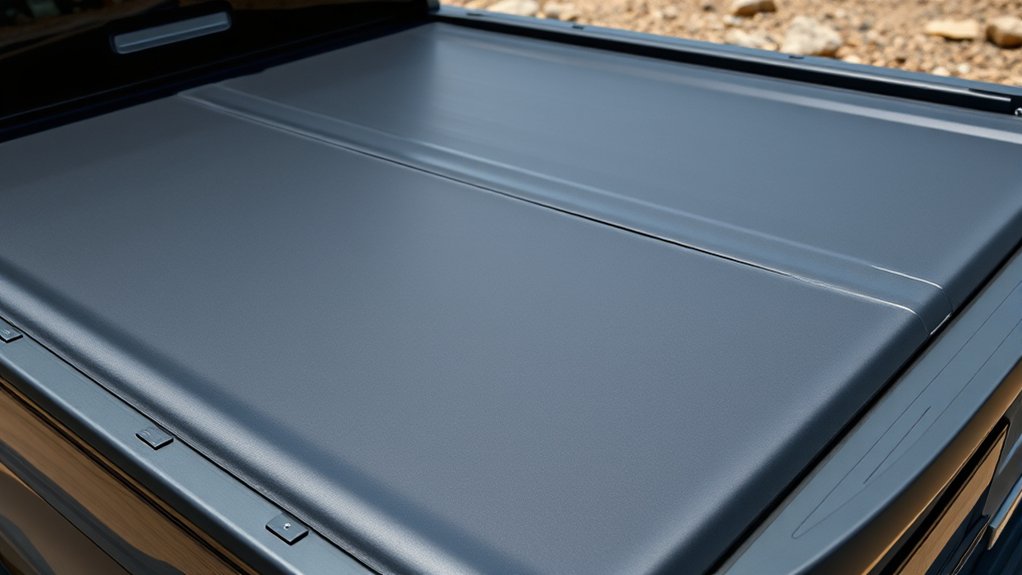
Why does the tension of your tonneau cover matter so much? Proper tension ensures the cover maintains its aesthetic durability, preventing sagging or wrinkles that compromise both appearance and function. When you keep the cover taut, it resists wind lift and water pooling, extending its lifespan considerably.
Additionally, correct tension plays a pivotal role in your warranty coverage. Manufacturers often specify tension requirements to validate claims. Neglecting these guidelines might void your warranty if damage results from improper tension.
How Tight Should Your Tonneau Cover Be?
Maintaining the correct tension on your tonneau cover means finding the balance between too loose and overly tight. You want the cover taut enough to prevent flapping and water pooling but not so tight that it stresses seams or warps the frame.
A properly tensioned cover should feel firm under slight pressure yet allow minimal give when pulled. Consider how environmental factors like temperature changes can affect tension.
Just as you select the right paint color and wheel style to complement your vehicle’s aesthetics, your cover’s tension impacts both function and appearance. Too loose, and dirt and debris accumulate; too tight, and material fatigue accelerates.
Regularly check and adjust tension to maintain optimal performance and preserve your tonneau cover’s lifespan.
Tools for Measuring Tonneau Cover Tension
How can you accurately gauge the tension of your tonneau cover to ensure optimal performance? Using specialized tools like a tension gauge or a digital force meter provides precise readings of the cover’s tautness. These devices measure the force applied to the cover, allowing you to adjust it within manufacturer-recommended parameters.
Avoid relying on unrelated topics or irrelevant concepts such as guessing tension by sight or using household scales, as these methods lack accuracy. A tension gauge designed for fabric or vinyl covers offers consistent, repeatable measurements crucial for maintaining durability and weather resistance.
Signs Your Tonneau Cover Is Too Loose or Tight
You’ll notice visible wrinkles or bubbles if your tonneau cover is too loose, while excessive tension often makes securing the latches difficult. Both conditions can lead to water pooling or leaks, compromising protection.
Monitoring these signs helps you adjust the cover to the optimal tightness for durability and performance.
Visible Wrinkles Or Bubbles
Why do visible wrinkles or bubbles appear on your tonneau cover? These signs indicate improper tension, affecting both appearance and function. Visible wrinkles and air bubbles often mean your cover is either too loose or too tight.
Here’s what causes them:
- Uneven tension distribution across the cover’s surface.
- Incorrect installation leading to slack or overstretched material.
- Exposure to temperature changes causing material expansion or contraction.
- Wear or damage to the cover’s fastening system reducing tautness.
If you notice these wrinkles or bubbles, adjust the cover’s tension by tightening or loosening straps or clamps as needed. Maintaining proper tension ensures a smooth, secure fit, preventing water pooling and wind noise while extending the cover’s lifespan.
Difficulty Securing Latches
When do you notice difficulty securing the latches on your tonneau cover? This issue often signals that your cover is either too tight or too loose. If the cover is overly tight, the latches might strain or refuse to lock properly due to excessive tension.
Conversely, a loose cover can cause the latches to misalign, making them hard to secure. Addressing this isn’t an irrelevant topic or a random tangent; it’s a critical indication of improper tension that affects functionality and security.
To fix this, adjust the cover tension gradually and test latch engagement after each adjustment. Ensuring correct latch operation maintains your tonneau cover’s integrity and prevents premature wear or damage caused by forcing or misaligning latches.
Water Pooling Or Leaks
Difficulty securing latches often points to improper tension, which can also lead to water pooling or leaks on your tonneau cover. When your cover is too loose, water accumulates in low spots, causing persistent water pooling. Conversely, an overly tight cover stresses seams and seals, increasing leak risk.
To address these two word discussion ideas, consider:
- Inspect tension evenly across the cover.
- Adjust tightening mechanisms incrementally.
- Check for water pooling after rain.
- Examine seams and seals for damage.
How to Adjust Tonneau Cover Tension
You’ll start by inspecting the cover for even tightness across the surface, ensuring there are no wrinkles or sagging areas.
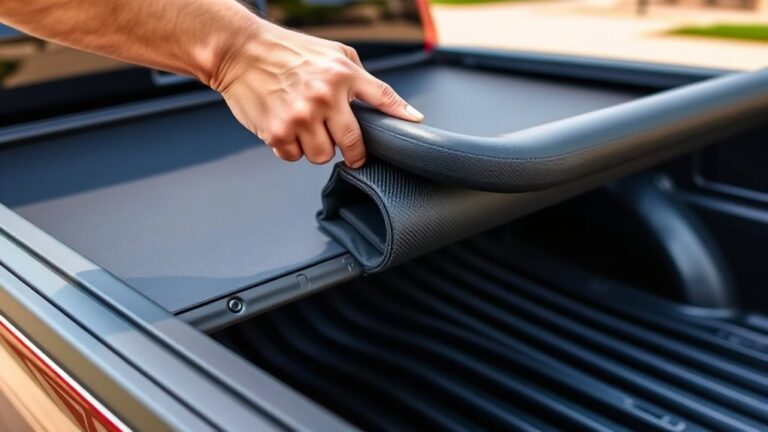
Next, locate the tension adjustment mechanism, which typically involves turnbuckles or straps, and make incremental changes. Always recheck the tension after each adjustment to maintain the ideal balance between secure fit and material stress.
Checking Cover Tightness
How do you determine if your tonneau cover is tight enough? Proper tension ergonomics ensure the cover resists wind lift and water infiltration, while respecting manufacturing tolerances to avoid material strain.
To check cover tightness:
- Visually inspect for visible sagging or wrinkles across the surface.
- Press gently on the cover; it should feel taut but yield slightly under firm pressure.
- Listen for flapping noises during a test drive, indicating insufficient tension.
- Confirm the cover aligns flush with the truck bed rails without gaps.
If the cover passes these checks, it maintains optimal tension within design specifications, ensuring durability and functionality. If not, adjust tension accordingly before further use to prevent premature wear.
Adjusting Tension Mechanism
After confirming your tonneau cover isn’t sagging or flapping, the next step involves adjusting its tension mechanism to achieve the proper fit. Begin by locating the tension adjustment points, typically near the cover’s latches or rails.
Use the manufacturer’s recommended tools to incrementally tighten or loosen these points, ensuring even tension across the cover surface. Perform tension calibration carefully; overtightening can cause damage, while undertightening allows movement.
Once adjusted, check latch alignment to confirm the cover seals properly without gaps. Misaligned latches may compromise tension and security, so gently realign them if necessary.
Finally, test the cover by closing and reopening it several times, verifying consistent tension and smooth latch operation. This precise adjustment ensures optimal protection and durability for your tonneau cover.
Mistakes to Avoid When Tightening Your Tonneau Cover
Why does improper tightening of a tonneau cover compromise its performance? Incorrect tension weakens material durability and can lead to leaks or premature wear. Avoid these common mistakes to maintain optimal cover function:
- Over-tightening: Contrary to tension myths, too much tightness strains seams and fabric, reducing lifespan.
- Under-tightening: Loose covers flap in wind, causing noise and potential damage.
- Ignoring uneven tension: Unequal pressure distorts the cover, compromising seal integrity.
- Skipping material checks: Failing to inspect for wear before tightening risks exacerbating existing damage.
When to Check and Retighten Your Tonneau Cover
You should check and retighten your tonneau cover shortly after the initial installation to guarantee proper tension.
Also, inspect it during seasonal temperature changes since materials can expand or contract. Finally, retighten the cover following heavy use or exposure to strong winds to maintain ideal fit and protection.
After Initial Installation
Regularly inspecting your tonneau cover following its initial installation ensures it maintains optimal tension and functionality. Avoid focusing on irrelevant topics or off-topic issues during your checks to keep maintenance efficient.
Here’s when you should check and retighten the cover:
- After the first week of driving, vibrations may loosen fasteners or stretch the cover.
- Following heavy rain or car washes, moisture can affect tension.
- After carrying heavy loads, which might stress the cover’s material and frame.
- Regularly every 1-2 months to catch gradual loosening or material stretch before it affects performance.
Seasonal Temperature Changes
How do seasonal temperature fluctuations impact your tonneau cover’s tension? Seasonal shifts cause materials to expand and contract, altering your cover’s tightness. Cold temperatures contract the fabric and frame, potentially loosening the fit, while heat causes expansion, which can overstretch or warp components.
Regular checks prevent slackness or over-tensioning, preserving integrity and preventing color fading from UV exposure.
| Season | Temperature Effect | Impact on Tension | Recommended Action |
|---|---|---|---|
| Winter | Contraction | Loosens cover | Retighten after cold spells |
| Spring | Moderate fluctuations | Slight tension changes | Inspect monthly |
| Summer | Expansion & UV exposure | Over-tension, fading | Adjust tension; UV protect |
| Fall | Cooling, moisture increase | Variable tension | Check and adjust as needed |
Check your cover at each seasonal transition to maintain optimal tension and appearance.
Following Heavy Use
When should you check your tonneau cover after heavy use? Regular inspection is essential to maintain peak driving dynamics and cargo security. Here’s when to retighten:
- Immediately after loading or unloading heavy cargo to guarantee the cover remains taut.
- Following long trips, especially on rough roads, where vibrations may loosen fasteners.
- After exposure to extreme weather, which can cause material expansion or contraction.
- If you notice any flapping sounds or visible slack during driving, indicating reduced tension.
Addressing these points promptly helps preserve the cover’s integrity and prevents damage to the truck bed or cargo. Maintaining proper tension ensures your tonneau cover contributes positively to aerodynamics and prevents cargo shifting, improving overall safety and efficiency.
How Weather Changes Your Tonneau Cover’s Tightness
In response to shifts in temperature and humidity, your tonneau cover’s material expands or contracts, directly affecting its tightness. Weather variation causes the vinyl to stretch slightly during heat and shrink in cold, altering the tension you initially set.
Temperature and humidity changes cause your tonneau cover’s vinyl to expand and contract, affecting its tightness.
Over time, vinyl aging reduces elasticity, making the material less responsive to these fluctuations. You’ll notice your cover loosens in hot weather and tightens in cold conditions, which can compromise its protective function or cause stress on attachment points.
Regularly check your cover’s fit across seasons to accommodate these changes. Adjusting tension as needed ensures a secure seal and prevents premature wear, especially since aged vinyl becomes more brittle and less forgiving to environmental stressors.
Understanding these dynamics helps you maintain optimal cover performance year-round.
How Proper Tension Helps Your Cover Last Longer
Why does maintaining proper tension on your tonneau cover matter? Proper tension ensures durability by evenly distributing stress and preventing wear. Here’s why you should keep it right:
- Prevents Material Fatigue: Consistent tension avoids overstretching or sagging, reducing fabric fatigue.
- Enhances Seal Integrity: A taut cover maintains a tight seal, protecting against moisture and debris.
- Reduces Frame Stress: Proper tension minimizes undue pressure on the frame, extending its lifespan.
- Improves Aesthetic and Function: A well-tensioned cover looks sleek and functions smoothly, avoiding flapping noises.
Just like crafting creative writing or developing fiction ideas requires balance and precision, so does adjusting your tonneau cover tension. Getting it right helps your cover last longer, saving you time and money on replacements or repairs.
Troubleshooting Tonneau Cover Flapping, Leaks, and Damage
How can you quickly identify and fix common issues like flapping, leaks, and damage in your tonneau cover? Start by inspecting the cover’s tension; loose tension often causes flapping during driving. Adjust the tensioning mechanism according to the product design specifications to restore optimal tightness.
For leaks, examine seals and seams for wear or gaps. Replace or reseal compromised areas promptly to maintain water resistance. Damage such as tears or punctures requires patching with manufacturer-approved repair kits or, if extensive, cover replacement.
Regular car maintenance includes cleaning the cover and checking fasteners to prevent premature wear. Understanding your cover’s product design helps you troubleshoot issues effectively, ensuring durability and functionality. Addressing problems early preserves your cover’s integrity and protects your truck bed efficiently.
Frequently Asked Questions
What Materials Are Tonneau Covers Typically Made From?
Tonneau covers typically use materials like vinyl, aluminum, fiberglass, and canvas. You’ll find various fabrication options, including soft and hard types, each offering different durability, flexibility, and weather resistance to suit your specific needs.
Can a Tonneau Cover Improve My Truck’s Fuel Efficiency?
Yes, a tonneau cover can slightly improve your truck’s fuel efficiency by reducing drag. Aerodynamic testing debunks fuel economy myths, showing streamlined covers help airflow.
This improvement lowers fuel consumption during highway driving.
Are Tonneau Covers Compatible With All Truck Models?
You won’t believe how many truck models exist! While tonneau covers offer universal appeal, you need a custom fit or adjustable design.
Prioritize vehicle compatibility and installation method to ensure secure attachment and optimal coverage performance.
How Do I Clean and Maintain My Tonneau Cover?
You should follow a regular maintenance schedule, cleaning your tonneau cover with mild soap and water. Avoid harsh chemicals and use a soft cloth.
Inspect seals frequently. These cleaning tips ensure durability and optimal performance.
Can I Install a Tonneau Cover by Myself or Need a Professional?
You can tackle installation basics yourself or hire a professional. DIY saves money and offers control, while pros ensure precision and warranty support.
Weigh your skills, tools, and time before deciding between professional vs DIY installation options.
Conclusion
Keeping your tonneau cover just right—not too loose, not overly tight—ensures it performs smoothly without unnecessary strain. Think of it as finding the perfect handshake: firm enough to hold, gentle enough to avoid discomfort.
Regular checks and subtle tweaks, especially after weather shifts, will keep your cover looking sharp and lasting longer. With careful attention, you’ll avoid common hiccups like flapping or leaks.
Maintaining the proper fit is key to both protection and warranty peace of mind. Remember, how tight should a tonneau cover be is essential to its effectiveness and durability.