Is Audi q7 Spacious Like Volkswagen Atlas
Did you know the Audi Q7 is spacious, but how does it compare to the Volkswagen Atlas?
The Volkswagen Atlas offers up to 96.8 cubic feet of cargo space, notably more than the Audi Q7’s 69.9 cubic feet.
If you’re weighing spaciousness, this difference hints at the Atlas’s advantage in roominess, especially in the second and third rows.
Yet, the Q7’s interior focuses on luxury and driver comfort, which changes the experience.
Understanding these distinctions can help you decide which SUV suits your needs best.
Key Takeaways
- Volkswagen Atlas offers a more spacious cabin with greater shoulder, hip, and legroom compared to the cozier Audi Q7 interior.
- Atlas provides easier third-row access and more generous legroom in both second and third rows than the tighter Q7.
- Audi Q7 emphasizes a premium, driver-focused interior with better headroom but less overall space and more complex rear access.
- Atlas has significantly larger cargo capacity behind all rows and more under-floor storage than the Q7’s smaller cargo space and bins.
- Overall, Atlas prioritizes roomy practicality and passenger comfort, while Q7 focuses on upscale materials and sophisticated styling.
Audi Q7 vs Volkswagen Atlas: Seating Capacity Comparison
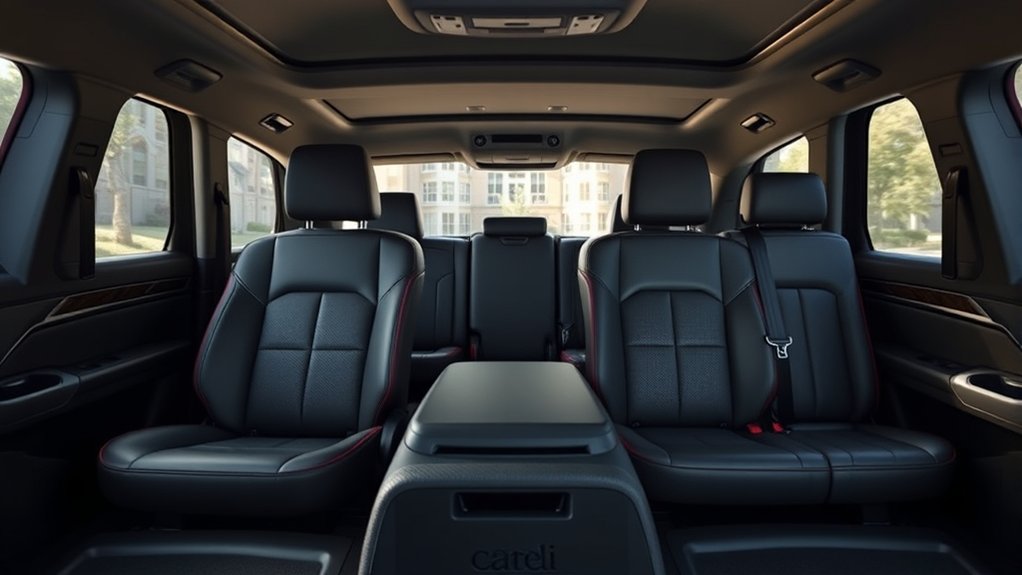
How do the Audi Q7 and Volkswagen Atlas stack up when it comes to seating capacity? You’ll find the Atlas offers a straightforward seven-passenger layout, ideal if you regularly carry a full crew.
The Q7 seats seven as well but tends to feel cozier, partly due to its more luxurious interior colorways that emphasize elegance over maximum space. Both SUVs provide three rows, but the Q7 focuses more on refined materials and a driver-centric cockpit, enhancing infotainment ergonomics.
This means your interaction with controls is intuitive, even if the seating is slightly less spacious than the Atlas. If you prioritize a balance between passenger capacity and upscale interior details, the Q7 impresses, but the Atlas clearly edges out on accommodating more people comfortably.
Interior Dimensions Compared for Passenger Comfort
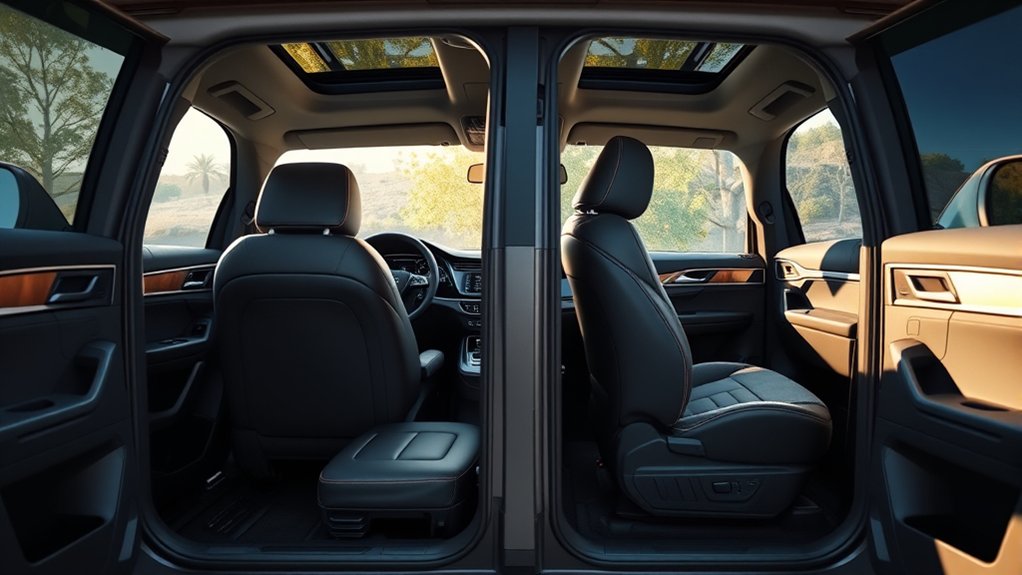
What sets the Audi Q7 and Volkswagen Atlas apart when it comes to interior dimensions directly impacts passenger comfort on longer drives. The Atlas offers a more expansive cabin, providing generous shoulder and hip room that benefits families needing extra space.
In contrast, the Q7’s slightly narrower interior feels cozier but maintains a premium atmosphere with refined materials. Both SUVs include family amenities like multiple USB ports and rear climate controls, enhancing comfort for all passengers.
When it comes to color options, the Atlas presents a broader palette of vibrant and practical choices, while the Q7 leans toward understated, elegant hues that complement its luxury appeal. Ultimately, your preference will depend on whether you prioritize spaciousness or sophisticated interior styling.
Second- and Third-Row Legroom and Access in Both SUVs
When you compare second- and third-row legroom, the Volkswagen Atlas generally offers more spacious measurements, especially in the third row. You’ll also notice that the Atlas provides easier access to the third row thanks to wider door openings and a more straightforward seat fold mechanism.
In contrast, the Audi Q7’s tighter rear space and more complex access can feel less accommodating for adults or frequent third-row use.
Legroom Comparison Metrics
Why does legroom matter so much when comparing the Audi Q7 and Volkswagen Atlas? It directly impacts comfort during long drives, especially in the second and third rows. The Q7 offers slightly less shoulder room but compensates with better headroom, which benefits taller passengers.
In contrast, the Atlas provides more generous shoulder space but slightly reduced headroom. When you consider cargo floor height versus seat height, the Atlas features a higher cargo floor, making loading bulky items easier, while its seat height aligns well with second-row legroom, enhancing ease of seating.
The Q7’s lower cargo floor aids in cargo management but may limit legroom flexibility. Ultimately, these differences affect how spacious each SUV feels, so evaluating both headroom versus shoulder room and cargo floor versus seat height helps you determine which suits your needs better.
Third-Row Entry Ease
How easily you can access the third row plays a pivotal role in overall passenger comfort, especially on longer trips. The Volkswagen Atlas offers a straightforward third-row entry, thanks to its wider second-row seats that slide and recline with minimal effort.
In contrast, the Audi Q7’s more compact second-row design makes third-row access tighter, demanding more maneuvering. This isn’t an unrelated topic or off topic debate; it directly affects usability. Consider these factors:
- Atlas provides more legroom in the second row, easing movement to the back.
- Q7’s tighter aisle requires passengers to fold and slide seats in a more confined space.
- Both SUVs offer power-folding seats, but the Atlas’s larger cabin benefits overall access.
Your choice depends on prioritizing space or luxury features.
Cargo Space and Storage Options in the Q7 and Atlas
Where can you expect to stash your gear more efficiently: in the Audi Q7 or the Volkswagen Atlas? The Atlas offers more cargo space, making it ideal for hauling larger loads, while the Q7 balances cargo capacity with refined performance metrics and eco features. Both SUVs provide versatile storage options, but their dimensions and design priorities differ.
| Feature | Audi Q7 | Volkswagen Atlas |
|---|---|---|
| Cargo Space (behind 3rd row) | 14.2 cubic feet | 20.6 cubic feet |
| Cargo Space (behind 2nd row) | 35.7 cubic feet | 55.5 cubic feet |
| Maximum Cargo Space | 69.6 cubic feet | 96.8 cubic feet |
| Storage Compartments | Multiple small bins | Larger under-floor storage |
You’ll find the Atlas better for bulk storage, while the Q7 integrates eco features without sacrificing utility.
Space-Enhancing Features in the Audi Q7 and Volkswagen Atlas
What sets the Audi Q7 and Volkswagen Atlas apart when it comes to maximizing interior space? Both SUVs employ smart space optimization, but their approaches differ. The Q7 focuses on refined noise control and a flexible seating layout, enhancing passenger comfort without sacrificing room.
The Atlas, meanwhile, prioritizes straightforward, roomy design with adjustable second-row seats that slide and recline extensively.
Key space-enhancing features include:
- Audi Q7’s power-folding third row, allowing easy expansion of cargo space.
- Volkswagen Atlas’s wide-opening doors and flat load floor for better accessibility.
- Advanced noise control in the Q7, which maintains cabin tranquility, indirectly enhancing perceived spaciousness.
Your choice depends on whether you value technologically refined space usage or practical, accessible roominess.
Which SUV Offers Better Overall Comfort for Families?
While both the Audi Q7 and Volkswagen Atlas offer impressive space-enhancing features, comfort for families goes beyond just roominess. The Audi Q7 excels with its premium leather quality, providing a more luxurious feel that families will appreciate on long drives. Its advanced sound system delivers crisp, immersive audio, enhancing the overall ride experience.
On the other hand, the Volkswagen Atlas prioritizes practicality with spacious seating and user-friendly controls, though its leather and sound system don’t match Audi’s refinement. If you value upscale materials and a superior audio setup, the Q7 stands out. However, if you want straightforward comfort with ample space and easier access, the Atlas may suit your family better. Ultimately, the Q7 offers a more refined comfort experience, while the Atlas focuses on functional family needs.
Frequently Asked Questions
How Do Audi Q7 and Volkswagen Atlas Compare in Fuel Efficiency?
You’ll find the Audi Q7 offers better fuel economy than the Volkswagen Atlas, though both have spacious cabins. The Q7 balances efficiency with luxury, while the Atlas prioritizes roominess but consumes more fuel overall.
What Are the Safety Ratings for Audi Q7 and Volkswagen Atlas?
You might spot some red flags in design quirks, but both Audi Q7 and Volkswagen Atlas earn strong safety ratings. The Q7 edges ahead with advanced features, while the Atlas offers solid protection, making both reliable choices.
Which SUV Has Better Technology and Infotainment Features?
You’ll find the Audi Q7 offers more advanced tech gadgets and a sleeker interior design, while the Volkswagen Atlas provides user-friendly infotainment.
How Do the Maintenance Costs Compare Between Audi Q7 and Volkswagen Atlas?
Maintenance costs for the Audi Q7 hit your wallet like a thunderbolt, higher than the Volkswagen Atlas. You’ll find the Atlas more budget-friendly with better reliability comparisons, making it easier to maintain over time.
What Are the Warranty Options for Audi Q7 Versus Volkswagen Atlas?
You get a 4-year/50,000-mile warranty with the Audi Q7 and a similar 4-year/50,000-mile coverage on the Volkswagen Atlas.
Both offer comparable warranty options, but maintenance costs tend to be higher for the Q7.
Conclusion
While the Audi Q7 wraps you in a cozy, refined embrace with its premium finishes and driver-focused design, the Volkswagen Atlas gently invites you to stretch out with its generous legroom and practical cargo space.
If you’re after spaciousness and easy access for the whole family, the Atlas quietly leads. But if luxury and a snug, sophisticated cabin are your priorities, the Q7 subtly sets the tone.
Your choice depends on which comfort feels like home. When comparing the two, the Audi Q7 is less spacious like the Volkswagen Atlas but offers a more luxurious experience.