What Does an Oil Filter Do
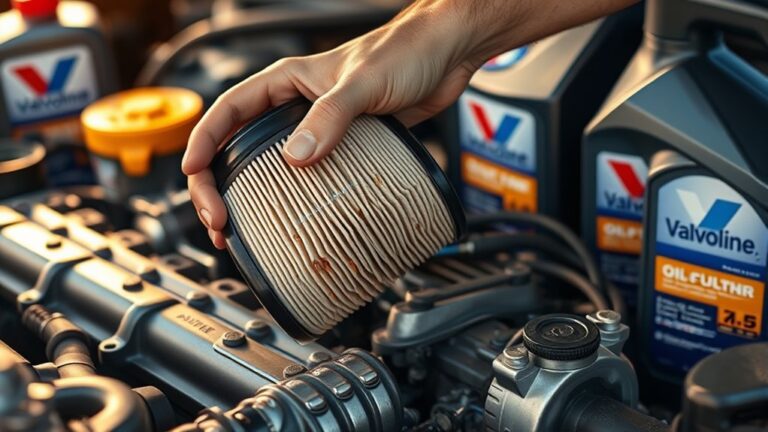
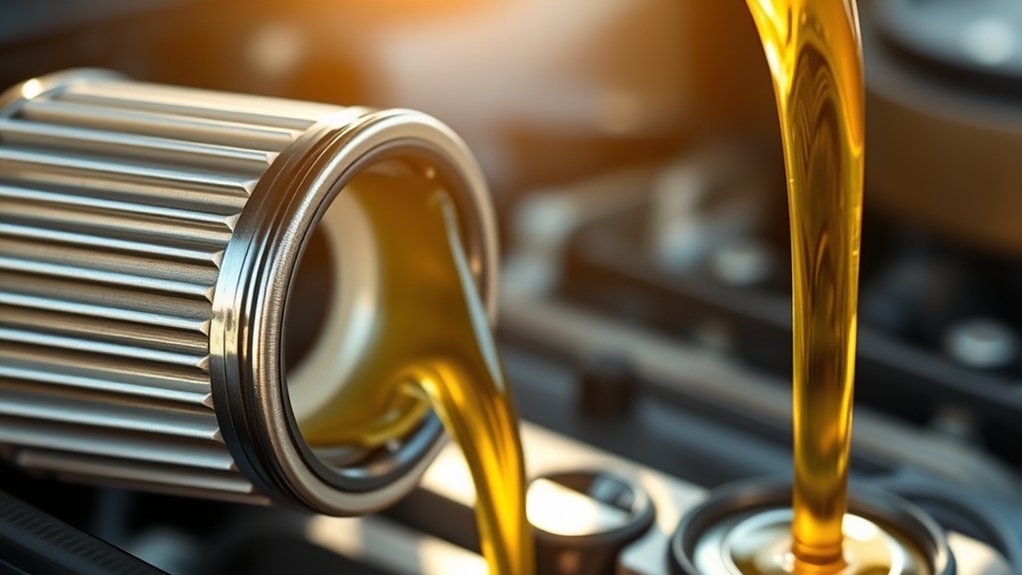
Think of your oil filter as the engine’s silent gatekeeper, tirelessly catching harmful particles before they can cause damage. The oil filter traps dirt, metal shavings, and sludge that accumulate during operation, keeping your oil clean and your engine protected.
You rely on it to maintain the quality of your engine oil, which is essential for smooth performance and longevity. But what happens when this essential component is compromised or neglected?
Understanding the role of the oil filter is key to maintaining your engine’s health and performance. Regular maintenance ensures your engine runs efficiently and avoids costly repairs.
Key Takeaways
- An oil filter traps contaminants like dirt and metal particles from engine oil to prevent internal wear.
- It contains special media that captures impurities while allowing oil to flow smoothly.
- The filter’s bypass valve opens if clogged, ensuring continuous oil circulation but temporarily unfiltered.
- Effective filtration maintains engine durability, reduces friction, and supports optimal oil pressure.
- Regular oil filter changes prevent engine damage caused by clogged or failing filters.
What Does an Oil Filter Do?
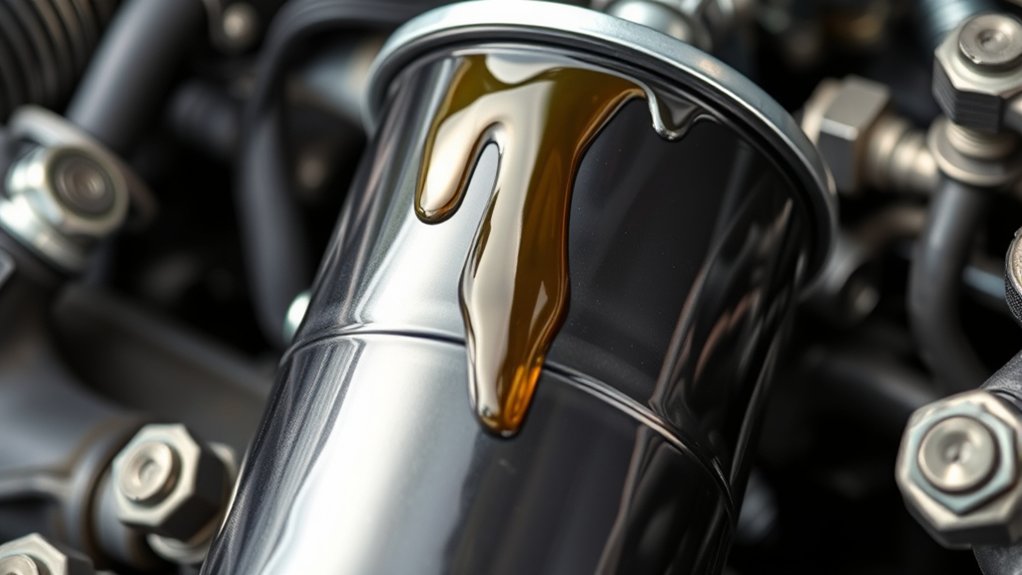
How does an oil filter protect your engine? It performs critical oil filtration by trapping contaminants like dirt, metal particles, and sludge from the circulating engine oil. This process prevents abrasive particles from causing wear to internal components, ensuring smooth engine operation.
The filter contains a specially designed media that captures impurities while allowing oil flow. However, in cases where the filter becomes clogged or oil is too viscous, a filter bypass valve opens to maintain oil circulation and prevent engine starvation.
This bypass mechanism ensures continuous lubrication but allows unfiltered oil through temporarily, which is preferable to engine damage from oil starvation. Understanding this precise balance helps you appreciate the oil filter’s role in maintaining engine longevity and performance.
Why Your Engine Needs a Good Oil Filter
The oil filter’s ability to trap contaminants and regulate oil flow directly impacts your engine’s durability and efficiency. Without effective oil filtration, abrasive particles and sludge circulate within your engine lubrication system, accelerating wear and reducing performance.
Effective oil filtration prevents harmful particles from damaging your engine, ensuring durability and optimal performance.
A high-quality oil filter captures these harmful debris while maintaining optimal oil pressure, ensuring consistent lubrication of critical components. This precise filtration prevents engine parts from grinding against each other, minimizing friction and heat generation.
Moreover, it supports the oil’s ability to protect against corrosion and maintain viscosity under varying temperatures. By choosing a good oil filter, you safeguard your engine’s internal mechanisms, extend its service life, and maintain smooth operation.
In essence, robust oil filtration is indispensable for sustaining the integrity and reliability of your engine lubrication system.
How to Tell When Your Oil Filter Needs Changing
When should you replace your oil filter to maintain optimum engine performance? Generally, you should change your oil filter every time you perform an oil change, typically every 3,000 to 7,500 miles, depending on your vehicle and oil type.
To know how to tell if changes are needed sooner, monitor your engine’s oil pressure gauge and look for signs like dirt or metal particles in the oil. Additionally, a clogged oil filter can cause a drop in oil pressure or unusual engine noises.
Consult your vehicle’s manual for specific intervals and inspect the filter during routine maintenance. Staying proactive with oil filter replacement ensures efficient filtration, safeguarding your engine from contaminants and maintaining proper lubrication.
What Happens If Your Oil Filter Fails
Neglecting timely oil filter changes can lead to filter failure, which directly impacts engine performance and longevity. An oil filter malfunction disrupts proper oil flow and contaminant removal, risking severe engine damage. Staying on top of replacement intervals is critical to avoid these issues.
If your oil filter fails, you may experience:
- Reduced oil pressure, causing inadequate lubrication and increased friction.
- Circulation of unfiltered oil, leading to accelerated engine wear and potential component failure.
- Clogging that can trigger bypass valves, allowing dirty oil to circulate.
- Overheating due to impaired oil flow, risking engine seizure.
Choosing the Right Oil Filter for Your Vehicle
How do you guarantee your engine stays protected with the right oil filter? First, dismiss common oil filter myths, such as bigger filters always being better or premium brands being the only reliable choice.
Instead, focus on meeting your vehicle manufacturer’s specifications for size, micron rating, and flow rate. Use filter brand comparisons to evaluate filtration efficiency, build quality, and bypass valve performance. Check independent test results to avoid biased claims.
Remember, a proper oil filter traps contaminants without restricting oil flow, ensuring optimal engine lubrication. Always select a filter designed specifically for your engine model and oil type.
Frequently Asked Questions
Can I Use a Generic Oil Filter Instead of a Brand-Specific One?
You can use a generic oil filter if it matches your engine’s specifications, but watch for filter compatibility issues.
Brand filters often ensure optimal fit and performance, so weigh discussion ideas carefully before deciding.
How Often Should I Replace My Oil Filter During Oil Changes?
Though some skip it, you should replace your oil filter every oil change, typically every 3,000 to 7,500 miles. This ensures optimal filter integrity and maintains your engine’s performance within the recommended replace interval.
Are Oil Filters Recyclable After Use?
Yes, you can recycle used oil filters, but you’ll need to follow specific recycling considerations to remove residual oil. Proper recycling reduces environmental impact by preventing hazardous waste contamination and recovering valuable metals efficiently.
Can a Clogged Oil Filter Cause Engine Overheating?
Yes, a clogged oil filter restricts oil flow, impairing the oil filter function and reducing lubrication, which can increase engine friction and heat. This compromises engine cooling, potentially causing your engine to overheat and suffer damage.
What Materials Are Oil Filters Typically Made From?
You might imagine oil filters made like a knight’s armor, but they use advanced synthetic blends and cellulose or synthetic filtration media. These materials assure efficient contaminant trapping and durability under high engine temperatures and pressures.
Conclusion
Just like a trusted gatekeeper, your oil filter stands guard, ensuring only clean oil nourishes your engine’s essential parts. Neglecting it is like ignoring a warning light—risky and costly.
By choosing the right filter and changing it regularly, you keep your engine running smoothly, preventing wear and tear.
Remember, a well-maintained oil filter is the unsung hero that helps your engine perform at its peak, mile after mile. The oil filter plays a crucial role in maintaining engine health and longevity.