What Is the Bolt Pattern on a Ford f150
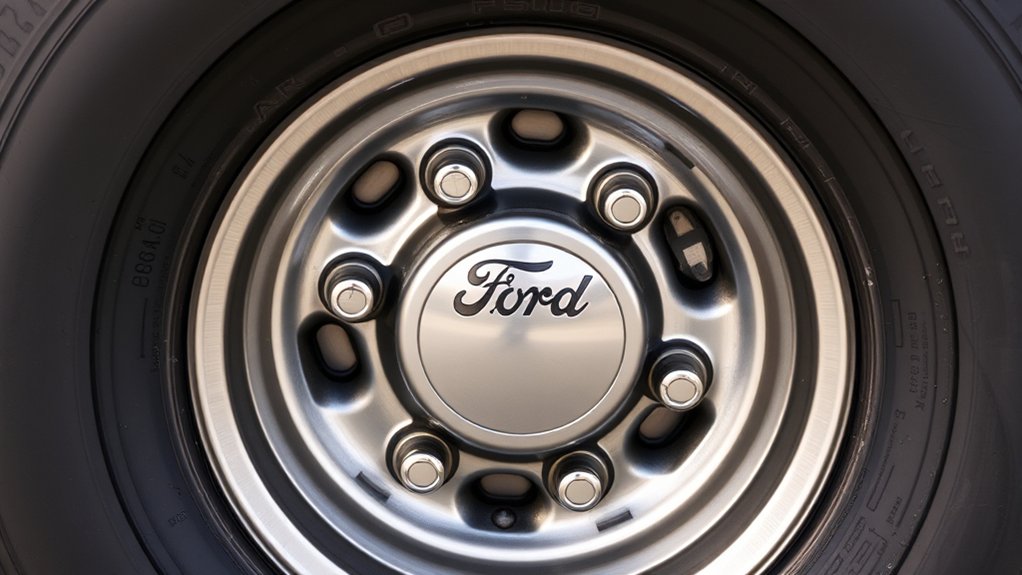
You might assume all Ford F-150 trucks share the same bolt pattern, but the specifics are more nuanced. Most models use a 6×135 mm bolt pattern, yet the center bore size varies depending on the year, influencing wheel compatibility.
Understanding these differences is vital to avoid mounting issues or safety risks. To get it right, you’ll need to consider more than just the lug arrangement—there’s a bit more to uncover about your F-150’s wheel fitment.
Key Takeaways
- The Ford F-150 typically uses a 6×135 mm bolt pattern, indicating 6 lug holes on a 135 mm diameter circle.
- From 1997 to 2014, the center bore size is 106.1 mm, while 2015 and newer models have a 110.0 mm center bore.
- The bolt pattern ensures proper wheel fitment, safety, and performance by matching lug holes and wheel hub dimensions.
- Pre-1997 F-150s used a different 5×139.7 mm (5×5.5 inch) bolt pattern, requiring verification for compatibility.
- Always verify exact bolt pattern and center bore with manufacturer specs before selecting replacement or aftermarket wheels.
What Is a Bolt Pattern and Why It Matters for Your Ford F-150
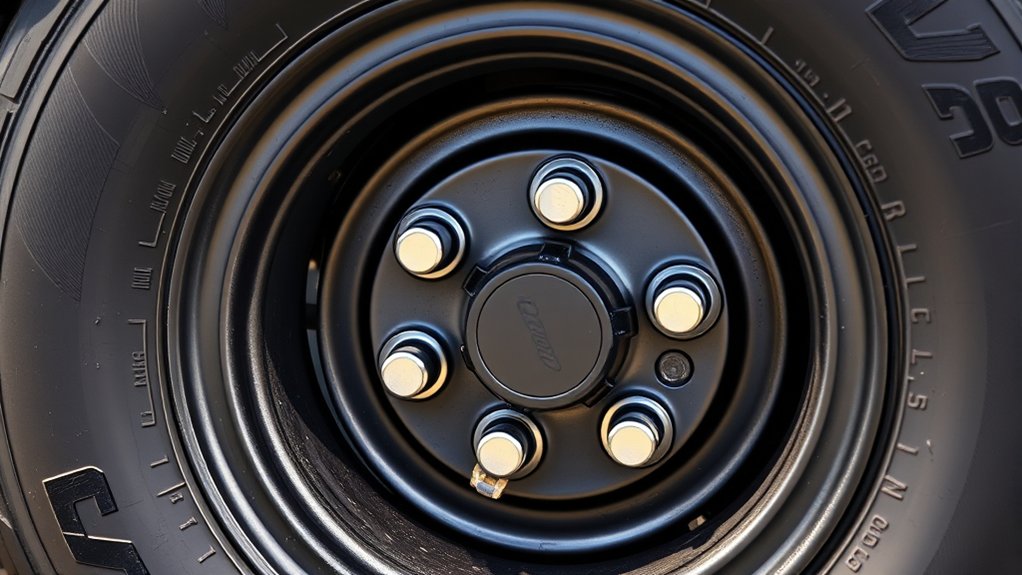
Why does the bolt pattern matter when selecting wheels for your Ford F-150? The bolt pattern ensures proper fitment by defining the number of lug holes and the diameter of the circle they form. This directly affects bolt compatibility between wheels and your vehicle’s hub.
If the pattern doesn’t match, you can’t securely mount the wheel, which compromises safety and performance. When considering sizing, it’s essential to understand that bolt pattern is one of several factors, including wheel diameter, width, and offset, that work together to provide optimal handling and stress distribution.
Ignoring bolt compatibility during wheel selection can lead to improper installation, increased wear, or even wheel failure. Therefore, precise measurement and matching of bolt patterns are crucial for your F-150’s reliability.
What Is the Standard Bolt Pattern for Ford F-150 Models?
You’ll find that most Ford F-150 models use a 6×135 mm bolt pattern, which is standard for many full-size trucks. However, this measurement can vary slightly depending on the model year and specific trim.
Understanding these variations is essential when selecting compatible wheels or replacement parts.
Common Bolt Pattern Sizes
How do you identify the standard bolt pattern for Ford F-150 models? Understanding bolt pattern basics is essential. Most Ford F-150 trucks use a 6×135 mm bolt pattern, meaning six lug nuts spaced evenly on a 135-millimeter diameter circle.
This specification directly affects wheel compatibility and sizing. When selecting aftermarket wheels, you’ll face wheel sizing challenges if the bolt pattern doesn’t match precisely, leading to fitment issues or unsafe driving conditions.
It’s important to measure the bolt circle diameter correctly or consult manufacturer specifications to avoid costly mistakes. While 6×135 mm is standard, some older or specialized models might differ, so confirming the pattern before purchasing wheels is crucial to ensure proper installation and performance.
Variations by Model Year
While the 6×135 mm bolt pattern is common on many Ford F-150 models, variations exist depending on the model year and specific configurations. You should note these differences to avoid bolt pattern misconceptions, especially when selecting aftermarket wheels or replacements.
Additionally, the wheel center bore size can vary and affects proper fitment. Below is a summary of standard bolt patterns and wheel center bores by model year:
| Model Year Range | Bolt Pattern (mm) | Wheel Center Bore (mm) |
|---|---|---|
| 1997 – 2003 | 6×135 | 106.1 |
| 2004 – 2014 | 6×135 | 106.1 |
| 2015 – Present | 6×135 | 110.0 |
Confirming these specs ensures compatibility and prevents installation issues.
How Ford F-150 Bolt Patterns Have Changed Over the Years
When did the Ford F-150 start changing its bolt patterns, and why does it matter for your vehicle maintenance? Understanding these changes is essential because bolt patterns affect wheel geometry and suspension clearance, impacting overall vehicle performance.
Over the years, Ford adjusted bolt patterns to optimize these factors, reflecting advances in design and engineering. Key changes include:
- Pre-1997 models primarily used a 5×5.5-inch (5×139.7mm) pattern to balance durability and wheel fit.
- Between 1997 and 2014, Ford standardized the 5×5.5-inch bolt pattern but modified hub sizes to improve suspension clearance.
- Post-2015 models introduced subtle variations to accommodate new wheel geometries, enhancing ride quality and handling.
Knowing these shifts ensures you select compatible wheels, maintaining your F-150’s mechanical integrity and safety.
Tools You’ll Need to Measure Your F-150’s Bolt Pattern
What tools do you need to accurately measure your Ford F-150’s bolt pattern? To get precise bolt pattern definitions, you’ll rely on specific measurement tools designed for accuracy.
A caliper or ruler helps measure the distance between bolt holes, while a bolt pattern gauge can directly indicate the pattern type. A socket wrench or lug nut tool may assist in removing wheels for measurement access.
| Tool Name | Purpose | Measurement Detail |
|---|---|---|
| Caliper/Ruler | Measures distance between holes | Diameter or center-to-center |
| Bolt Pattern Gauge | Identifies bolt pattern directly | Matches bolt hole spacing |
| Socket Wrench | Removes lug nuts for access | Enables wheel removal |
These tools ensure you capture exact bolt pattern definitions for your F-150.
How to Identify the Bolt Pattern on Your Ford F-150
After gathering the necessary tools to measure your Ford F-150’s bolt pattern, you can proceed to identify the specific pattern accurately. Start by cleaning the wheel surface to expose all lug holes clearly. Then, follow these steps:
- Measure the distance between the center of one lug hole and the center of the lug hole directly across from it, if applicable. For odd-numbered lug patterns, measure from the center of one lug hole to the outer edge of the lug hole directly across.
- Note the number of lug holes; this, combined with your measurement, determines the bolt pattern.
- Confirm wheel sizing compatibility by cross-referencing bolt patterns with wheel diameter and offset specifications.
This method ensures you identify the correct bolt patterns critical for proper wheel fitment on your Ford F-150.
Common Bolt Patterns for Ford F-150 Aftermarket Wheels
You’ll find that the most common bolt pattern for Ford F-150 aftermarket wheels is 6x135mm, which fits models from 1997 onward. It’s essential to match this pattern to guarantee compatibility with popular wheel brands like American Racing and Fuel Off-Road.
Using the correct bolt pattern assures proper fitment and safe performance on your truck.
Popular Bolt Pattern Sizes
Which bolt pattern sizes are most common for Ford F-150 aftermarket wheels? You’ll find three primary bolt patterns dominate the market, each designed to ensure a secure fit and optimal performance.
Avoid falling for misleading marketing that promotes unrelated accessories claiming universal compatibility. Focus on these precise patterns instead:
- 5×135 mm The standard for most F-150 models, offering a robust fit for stock and aftermarket wheels.
- 6×135 mm Used in heavier-duty variants, providing additional lug strength for increased load capacity.
- 5×150 mm Less common but found on some newer or specialized trims requiring distinct wheel geometry.
Selecting the correct bolt pattern size is critical to avoid installation issues and maintain vehicle safety.
Compatibility With Wheel Brands
Understanding the common bolt patterns for Ford F-150 wheels helps you identify compatible aftermarket brands quickly. The standard Ford F-150 bolt pattern is 6x135mm, but you might encounter bolt pattern misconceptions that lead to purchasing incompatible wheels.
Many aftermarket wheel brands design wheels specifically to fit this pattern, ensuring proper alignment and safety. When selecting wheels, avoid wheel sizing myths that suggest any 6-lug pattern will fit your truck; precise measurements matter.
Brands like American Racing and Fuel Off-Road offer wheels tailored to these specifications. Always verify the bolt pattern, center bore, and offset to confirm compatibility.
What Happens If You Use the Wrong Bolt Pattern on Your F-150
What issues arise when you use the wrong bolt pattern on your Ford F-150? Ignoring bolt pattern specifications can lead to critical problems, often stemming from common bolt pattern misconceptions. Using mismatched wheels compromises wheel stud safety and overall vehicle integrity.
Specifically:
- Improper fitment causes uneven stress on wheel studs, increasing the risk of stud failure or wheel detachment.
- Misalignment leads to vibration and handling issues, reducing driving stability and safety.
- It can cause premature wear on suspension components due to uneven load distribution.
You must respect the exact bolt pattern to maintain structural reliability and ensure wheel stud safety. Overlooking this detail can result in costly repairs and hazardous driving conditions.
How to Match Wheels to Your Ford F-150 Bolt Pattern
How do you guarantee your wheels properly fit your Ford F-150’s bolt pattern? First, understand the bolt pattern basics: it’s defined by the number of lug holes and the diameter of the circle they form, typically noted as “6×135” for many F-150 models. You must measure this precisely to avoid wheel compatibility challenges.
Next, verify that the replacement wheels match this pattern exactly. Even minor deviations can cause fitment issues or safety risks. Additionally, consider the wheel’s center bore and lug nut specifications to ensure a secure fit.
Using a bolt pattern gauge or consulting manufacturer specifications helps prevent errors. Following these steps ensures your new wheels align perfectly with your Ford F-150’s bolt pattern, maintaining performance and safety.
Tips for Choosing Wheels That Fit Your Ford F-150
After confirming your Ford F-150’s bolt pattern, focus on selecting wheels that complement both fitment and performance requirements. Avoid common bolt pattern myths by verifying exact specifications rather than relying on assumptions. Consider these key factors:
- Wheel Offset and Backspacing: Ensure proper clearance for suspension and brake components, preventing rubbing or handling issues.
- Tire Sizing Quirks: Match tire dimensions to maintain speedometer accuracy, load capacity, and overall vehicle stability.
- Material and Load Rating: Choose wheels rated for your F-150’s weight and driving conditions, balancing durability with weight for optimal performance.
Addressing these points helps you avoid fitment problems and maintain safety, ensuring your wheels perform reliably under varying loads and terrains.
Frequently Asked Questions
Can I Change My Ford F-150’s Bolt Pattern for Custom Wheels?
You can’t directly change your Ford F-150’s bolt pattern, but you can explore customization options like adapters or aftermarket hubs to ensure wheel compatibility with custom wheels. This approach helps maintain safety and performance standards effectively.
Do Different Ford F-150 Trims Have Unique Bolt Patterns?
Think of bolt patterns like puzzle pieces. Each Ford F-150 trim shares a standard 6x135mm pattern. Avoid unrelated topics; focus on discussion ideas around compatibility to guarantee your wheels fit perfectly without surprises.
How Does Bolt Pattern Affect Tire Rotation on a Ford F-150?
You’ll find bolt pattern basics essential when planning tire rotation on your Ford F-150, as mismatched patterns can cause improper fitment. Use discussion ideas focusing on matching bolt patterns to guarantee safe, efficient wheel swaps during rotation.
Are Bolt Patterns Different Between 2WD and 4WD Ford F-150s?
You’ll find that 99% of 2WD and 4WD Ford F-150s share the same bolt patterns, ensuring consistent wheel compatibility. This uniformity simplifies upgrades or replacements, maintaining precise fitment regardless of drivetrain configuration.
Can I Use Adapter Kits to Fit Wheels With a Different Bolt Pattern?
Yes, you can use adapter kits to address bolt pattern compatibility, but you must prioritize wheel adapter safety by selecting high-quality adapters designed for your vehicle’s load and speed ratings. This helps avoid compromising performance or structural integrity.
Conclusion
Now that you know the ins and outs of your Ford F-150’s bolt pattern, you’re well-equipped to avoid the pitfalls of mismatched wheels. Skipping this essential step could lead to less-than-ideal performance or safety concerns.
By paying close attention to bolt pattern, center bore, and lug type, you guarantee your wheels fit like a glove—keeping your truck running smoothly and safely, mile after mile.
Don’t settle for anything less than precision when it comes to the bolt pattern on a Ford F-150.