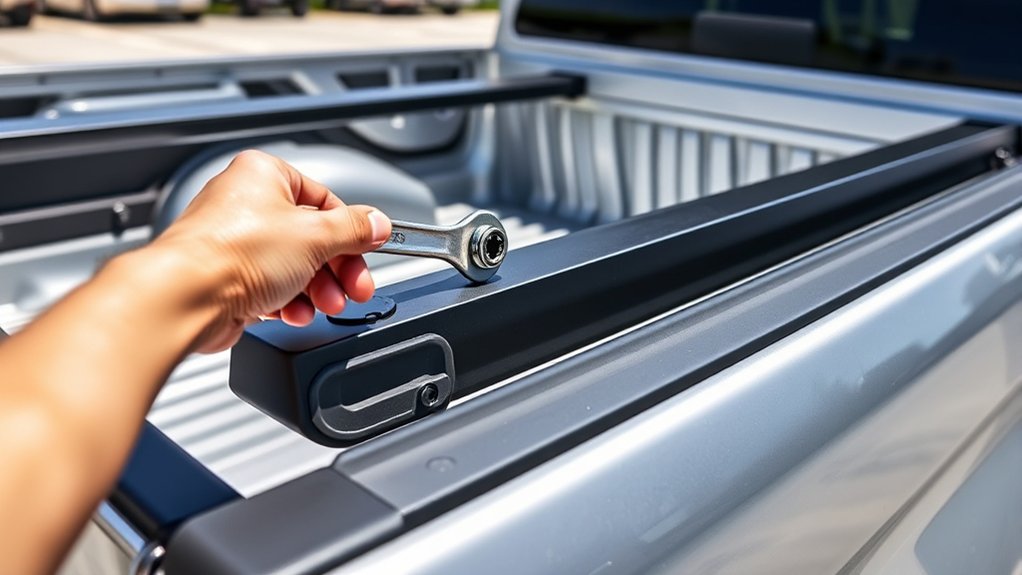
How to Remove Tonneau Cover Rails
Removing tonneau cover rails can feel like unraveling a puzzle you didn’t know you signed up for. Before you reach for tools, you’ll need to identify whether you’re dealing with soft or hard cover types and understand their mounting systems. Skipping these steps can lead to damage or frustration.
Let’s walk through the essential process to remove those rails efficiently and safely, so you’re prepared for what’s next.
Key Takeaways
- Identify your tonneau cover type and mounting hardware to select appropriate removal tools and methods.
- Inspect rails and fasteners for damage or wear before loosening to plan for replacements if needed.
- Protect bed surfaces with tape or cloth and work on a stable surface to avoid scratches and damage.
- Loosen fasteners step-by-step using the correct tools, applying penetrating lubricant or heat if rails are stuck.
- Carefully lift rails away from the bed, keeping hardware organized for reinstallation or maintenance.
Identify Your Tonneau Cover Type
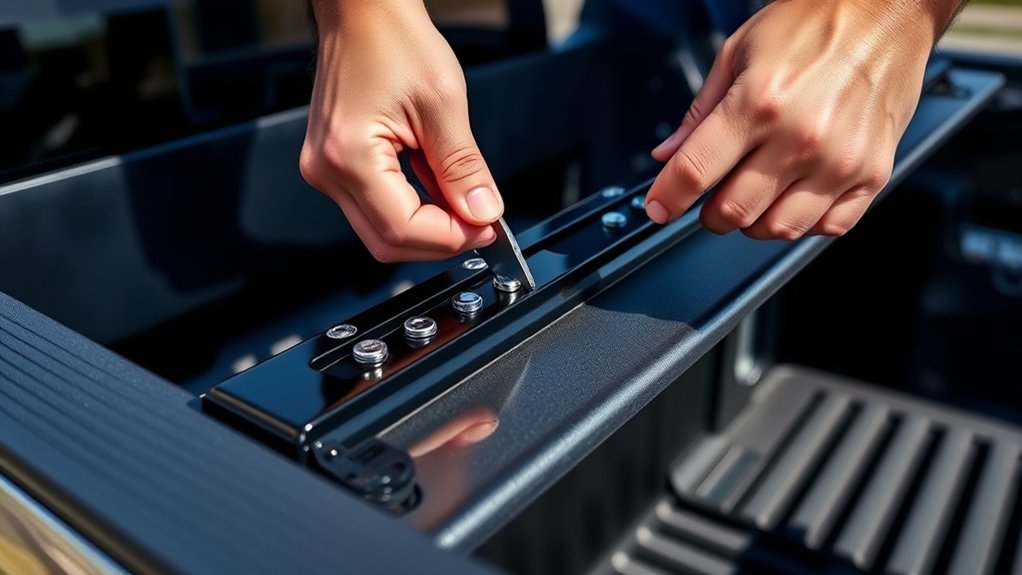
How do you determine which type of tonneau cover you have? Start by visually inspecting the cover’s design and material. Common types include roll-up, folding, retractable, and hinged covers.
Next, focus on identifying cover types through the mounting hardware. Check if the rails are clamped onto the bed rails or bolted through the truck bed.
Roll-up covers typically have clamps, while retractable covers often feature tracks with bolts. Folding covers may have hinges attached to rails or the bed.
Inspecting mounting hardware precisely reveals how the cover is secured and guides removal steps. Document the hardware configuration and cover style before proceeding.
This technical approach ensures you accurately identify your tonneau cover type, preventing damage during removal.
Gather Tools for Removing Rails
Where do you start when preparing to remove tonneau cover rails? First, gather tools essential for the task. Typically, you’ll need a socket wrench set, screwdrivers (both Phillips and flathead), and possibly an Allen wrench or Torx driver, depending on your truck’s mounting hardware.
Before proceeding, identify mounting hardware types securing the rails, such as bolts, screws, or clamps. This step ensures you select the correct tools, avoiding damage or delays. Additionally, have a flashlight or work light handy to see fasteners clearly, especially in low light.
Keep a container nearby to store removed hardware safely. By systematically gathering tools and identifying mounting hardware, you set a solid foundation for efficient, damage-free rail removal. Don’t skip this prep; it’s critical to streamline the process.
Prevent Damage During Rail Removal
To prevent damage during rail removal, use protective materials like tape or cloth to shield surfaces. Don’t apply excessive force, which can warp or crack the rails.
Always work on a stable, flat surface to maintain control throughout the process.
Use Protective Materials
Why should you use protective materials when Removing tonneau cover rails? Using protective padding and surface protection prevents scratches, dents, and paint damage on your truck bed and rails. Protective materials act as a buffer between tools, rails, and the truck surface, reducing the risk of costly repairs.
| Protective Material | Purpose | Application Area |
|---|---|---|
| Foam Pads | Cushion impact | Under rails |
| Rubber Mats | Prevent slipping | Truck bed surface |
| Microfiber Cloths | Avoid surface scratches | Contact points |
| Cardboard Sheets | Temporary barrier | Between tools and paint |
Apply these materials strategically before loosening rails. Proper use guarantees surface protection and maintains your truck’s appearance throughout the removal process.
Avoid Excessive Force
How much force should you apply when removing tonneau cover rails? The answer is moderate, controlled pressure, never excessive force. Applying too much strain is the wrong approach, as it risks damaging the rails, mounting points, or your truck bed.
Start by loosening fasteners and gently prying the rails with appropriate tools, ensuring you don’t bend or crack components. Listen for resistance cues; if something won’t budge, reassess your method rather than forcing it.
Keep safety considerations in mind. Excessive force can cause tools to slip, leading to injury or damage. Use slow, deliberate movements and avoid sudden jerks.
This approach protects both your equipment and your personal safety, ensuring a damage-free, efficient rail removal process.
Work on Stable Surface
Where you perform the rail removal plays a vital role in preventing damage. Always choose a stable surface that supports the weight of the tonneau cover and rails.
Setting up a safe workspace minimizes risks and ensures smooth removal. Follow these steps:
- Park your vehicle on level ground to maintain stability.
- Clear the area of debris and obstacles to create a safe workspace.
- Use a sturdy workbench or flat surface to place removed parts temporarily.
- Avoid working on uneven or slippery surfaces to prevent slips or damage.
Remove Rails From Soft Tonneau Covers
Removing the rails from soft tonneau covers requires careful attention to the attachment points along your truck bed. First, locate the clamps or screws securing the rails. Use appropriate tools, like a screwdriver or wrench, to loosen and remove them.
Keep track of all hardware for reinstallation or maintenance. Next, gently lift the rails away from the bed rails, avoiding damage to the paint or bed surface. This preserves aesthetic considerations.
Inspect the rails and clamps for wear or corrosion as part of routine maintenance tips. Clean any dirt or debris from the mounting areas before reinstalling or storing the cover.
Following these steps ensures a smooth removal process and helps maintain the integrity and appearance of both your tonneau cover and truck bed.
Safely Remove Rails From Hard Tonneau Covers
Unlike soft tonneau covers, hard tonneau covers often have more complex rail systems that require specific tools and careful handling. To safely remove rails from hard tonneau covers, follow these steps:
- Review safety precautions: Wear gloves and eye protection to avoid injury from sharp edges or debris.
- Select appropriate tools: Use a socket wrench, screwdriver, and possibly a trim removal tool based on your cover’s rail type.
- Loosen fasteners systematically: Start by removing screws or bolts securing the rails, keeping track of hardware for reinstallation.
- Gently detach rails: Pry rails carefully to avoid damaging the truck bed or cover components.
Remove Stuck or Difficult Rails
Why do some rails resist removal despite following standard procedures? Stuck rails often result from corrosion, debris buildup, or paint adhesion.
To tackle stuck rails, first apply a penetrating lubricant along the rail edges and mounting points. Let it soak for 10-15 minutes to loosen rust or grime.
Use a plastic trim tool to gently pry without damaging the rail or truck bed. Avoid metal tools that can scratch surfaces.
If rails remain stuck, tap lightly with a rubber mallet to break the bond. For persistent cases, heat the rail area with a heat gun to expand metal slightly, easing removal.
Always wear gloves and safety glasses. These removal tips help you safely and effectively free stuck rails without causing damage or excessive force.
Replace or Reinstall Tonneau Cover Rails
After removing the existing rails, inspect and prepare them for reinstallation by cleaning and checking for damage. Align the rails carefully to ensure a proper fit on your truck bed. Use the correct fasteners and torque specifications to secure the rails firmly in place.
Removing Existing Rails
Removing existing tonneau cover rails requires careful attention to avoid damaging the truck bed or mounting hardware. To ensure a smooth removal process, follow these steps:
- Inspect the rails and fasteners to identify removal hazards such as rust or stripped screws.
- Select tools compatible with the fasteners; using incorrect tools can cause damage or injury.
- Loosen bolts or screws methodically, applying penetrating oil if necessary to ease stubborn fasteners.
- Gently lift and detach the rails, avoiding excessive force that could warp the truck bed or mounting points.
Preparing Rails For Installation
How do you guarantee the rails are ready for a secure and proper installation? Start by inspecting the rails for damage or debris left from removals hazards. Clean mounting surfaces thoroughly to ensure a flush fit.
Use tools with proper ergonomics to avoid strain and maintain control during handling. Check for missing or worn fasteners and replace them as needed. Align rails carefully before proceeding.
| Step | Action |
|---|---|
| Inspection | Check for damage and debris |
| Cleaning | Remove residue and dirt |
| Fastener Check | Replace worn or missing parts |
Following these steps minimizes risks and prepares the rails for effective reinstallation, ensuring durability and safety without compromising tool ergonomics or exposing you to unnecessary removals hazards.
Secure Reinstallation Tips
Where should you focus to ensure a secure reinstallation of tonneau cover rails? Prioritize alignment, fastening integrity, and sealing to maintain secure storage and optimal weatherproofing. Follow these steps:
- Align Rails Precisely: Position rails parallel to the bed edges, ensuring they sit flush without gaps to prevent water intrusion.
- Check and Replace Fasteners: Use corrosion-resistant screws or bolts, tightening them evenly for consistent pressure.
- Apply Weatherproofing Sealant: Add a bead of high-quality sealant along rail edges to enhance weatherproofing and prevent leaks.
- Test Secure Fit: After installation, verify rails don’t shift under pressure, ensuring your cover locks securely and protects contents.
Following these tips will guarantee a durable, weather-resistant setup that safeguards your tonneau cover’s secure storage capability.
Frequently Asked Questions
Can I Remove Tonneau Cover Rails Without Any Tools?
You can’t remove rails without tools since they’re secured with screws or bolts. For efficient removal, follow installation tips, apply finishing touches carefully, and maintain maintenance routines to avoid damage during removing rails or reinstallation.
How Do I Clean Rails After Removal?
You’ll clean rails like a pro by scrubbing with a soft brush and mild detergent, enough to remove decades of grime! Use cleaning tips like drying thoroughly and applying rust prevention spray to keep them pristine and rust-free.
Will Removing Rails Affect My Truck Bed Warranty?
Removing rails may affect your truck bed warranty depending on removal timing and manufacturer policies. Always check your warranty terms before removal.
Delayed or improper removal might void coverage, so follow instructions precisely to minimize warranty impact.
Are Tonneau Cover Rails Compatible With All Truck Models?
You can’t assume tonneau compatibility with all truck models since rail installation duration varies by design and fit. Always check specific model guidelines to ensure rails match your truck’s dimensions and mounting points for proper installation and performance.
How Long Does Rail Removal Typically Take?
The removal duration typically takes 20 to 45 minutes, depending on your experience. You’ll need basic hand tools like screwdrivers and wrenches.
Staying organized and following steps precisely speeds up the process considerably.
Conclusion
Removing tonneau cover rails is like unraveling a well-stitched seam—precision and patience are your best tools. By identifying your cover type, using the right tools, and protecting your truck’s finish, you’ll navigate fasteners smoothly and avoid damage.
When rails resist, gentle persuasion with lubricants and trim tools keeps the process clean. Follow these steps carefully, and you’ll have your rails off and ready for replacement or reinstallation without a hitch.
With these tips in mind, removing tonneau cover rails becomes a straightforward task, ensuring your truck stays in great shape throughout the process.