What Kind of Gas Mileage Does the Volkswagen
When you consider Volkswagen’s lineup, what kind of gas mileage does the Volkswagen offer? Gas mileage can vary quite a bit depending on the model and powertrain you choose.
Whether you’re eyeing a fuel-efficient sedan like the Jetta, a diesel Golf TDI with strong highway mpg, or one of the brand’s SUVs, understanding how each vehicle performs in real-world conditions is key.
You’ll also want to factor in how driving habits and engine technology influence overall efficiency before making a decision.
Key Takeaways
- Volkswagen Golf base models prioritize fuel efficiency, while sportier versions balance power with moderate gas mileage.
- The Jetta offers balanced fuel economy suitable for mixed driving, benefiting from advanced engine and aerodynamic design.
- Volkswagen SUVs like the Tiguan and Atlas provide respectable MPG aided by start-stop systems and aerodynamic improvements.
- The Golf TDI diesel variant excels in highway fuel economy, delivering strong mileage for long-distance driving.
- The ID.4 electric vehicle offers zero-emission efficiency, benefiting from EV incentives compared to traditional combustion models.
What Gas Mileage Does the Volkswagen Golf Deliver?
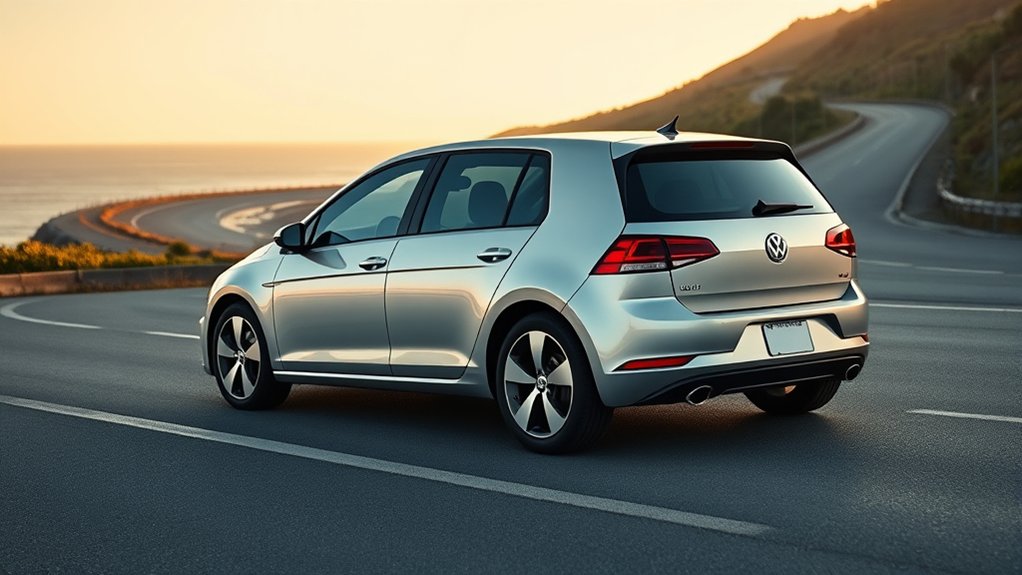
How efficiently does the Volkswagen Golf use fuel? You’ll find that the Golf offers competitive gas mileage, largely influenced by its engine tuning variants. Depending on the model, ranging from standard trims to performance-oriented versions, fuel economy varies.
The base variants focus on maximizing efficiency, delivering solid miles per gallon figures suitable for everyday driving. Meanwhile, sportier tuning variants prioritize power but still maintain reasonable fuel use.
Gasoline availability is generally not an issue, as the Golf’s engines are designed to run on commonly accessible fuel grades, ensuring practical refueling options wherever you go. By balancing performance and economy, the Golf appeals to drivers seeking reliable mileage without sacrificing driving dynamics or convenience in fuel accessibility.
How Efficient Is the Volkswagen Jetta on the Road?
When you consider fuel efficiency on the road, the Volkswagen Jetta stands out as a practical choice for many drivers. Its on road efficiency balances power with economy, delivering impressive gas mileage that suits both city and highway driving.
You’ll appreciate how the Jetta’s design and engine technology contribute to reduced fuel consumption without sacrificing performance.
| Feature | Impact on Gas Mileage |
|---|---|
| Turbocharged Engine | Enhances fuel efficiency |
| Aerodynamic Design | Reduces drag, saves fuel |
| Lightweight Frame | Improves overall mileage |
| Advanced Transmission | Optimizes power use |
What Gas Mileage Can You Expect From Volkswagen SUVS?
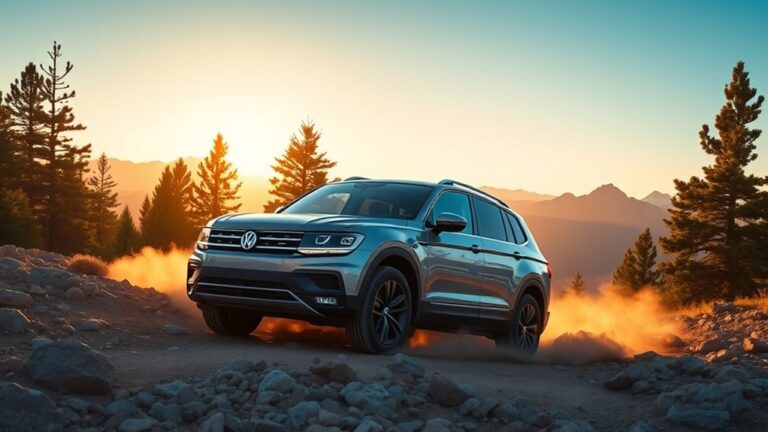
Wondering what kind of gas mileage Volkswagen SUVs deliver? You can expect a balanced mix of fuel economy and engine efficiency across their lineup. Volkswagen designs its SUVs with advanced turbocharged engines and lightweight materials, aiming to optimize fuel consumption without sacrificing power.
For example, models like the Tiguan and Atlas provide respectable miles per gallon ratings, especially in city and highway driving. They also incorporate features such as start-stop systems and aerodynamic designs to improve overall efficiency.
However, fuel economy can vary depending on factors like engine size, drivetrain configuration, and driving habits. By choosing a Volkswagen SUV, you’re likely to benefit from a vehicle engineered to offer competitive fuel economy alongside the performance and versatility typical of this segment.
Comparing Gas Mileage Across Volkswagen Models
Which Volkswagen model offers the best gas mileage depends largely on your priorities and driving conditions. If you prioritize zero emissions and low operating costs, the ID.4 electric SUV benefits from EV incentives, making it an efficient choice.
Those looking for traditional fuel options might consider Volkswagen’s diesel dynamics, particularly in models like the Golf TDI, which delivers impressive fuel economy on highways. Gasoline-powered models such as the Jetta offer balanced mileage for mixed driving.
Comparing these options requires you to weigh factors like daily commute length, fuel availability, and environmental impact. Ultimately, choosing between EV incentives and diesel dynamics hinges on your driving habits and budget, ensuring you select a Volkswagen that meets your efficiency and performance needs.
How Volkswagen’s Engines Help Improve Fuel Economy
How do Volkswagen’s engines achieve notable improvements in fuel economy? They incorporate advanced engine technology designed to optimize combustion efficiency and reduce energy loss. Features like turbocharging allow smaller engines to deliver power comparable to larger ones while consuming less fuel.
Additionally, Volkswagen employs direct fuel injection, which precisely controls fuel delivery to improve fuel atomization and combustion, enhancing overall efficiency. Variable valve timing further adjusts engine performance to match driving conditions, minimizing wasted fuel.
How Driving Habits Impact Volkswagen Gas Mileage
You can substantially affect your Volkswagen’s gas mileage by adjusting how you drive. Rapid acceleration, maintaining high speeds, and excessive idling all reduce fuel efficiency.
Understanding these habits helps you optimize fuel consumption on every trip.
Acceleration and Fuel Efficiency
Why does acceleration play a pivotal role in determining your Volkswagen’s fuel efficiency? When you accelerate rapidly, your engine sound intensifies, signaling increased fuel consumption. Smooth, gradual acceleration helps maintain optimal fuel flow, reducing unnecessary fuel use.
Paying attention to the engine sound allows you to gauge when to ease off the throttle, promoting efficiency. Similarly, your braking feel impacts mileage. Abrupt braking indicates aggressive driving, which often follows hard acceleration, both worsening fuel economy.
Speed Influence on Mileage
Maintaining steady acceleration and gentle braking sets the stage for better fuel efficiency, but the speed at which you drive heavily influences your Volkswagen’s gas mileage. The speed influence on fuel consumption becomes apparent as you increase velocity; driving above 60 mph typically results in a noticeable drop in miles per gallon due to aerodynamic drag.
While higher speeds get you to destinations faster, they create mileage tradeoffs, reducing overall fuel economy. Conversely, driving at moderate speeds, usually between 45 and 60 mph, optimizes your Volkswagen’s efficiency by balancing engine load and aerodynamic resistance.
Understanding these mileage tradeoffs helps you make informed decisions about driving habits, allowing you to maximize fuel economy without compromising travel time more than necessary.
Idling Effects on Gas
How does idling impact your Volkswagen’s gas mileage? When your engine runs without moving, it consumes fuel without adding mileage, reducing overall efficiency.
During a cold start, your Volkswagen uses extra fuel to warm the engine, increasing idle emissions and fuel consumption. Prolonged idling, especially in cold weather, leads to higher fuel use and unnecessary wear on engine components.
While brief idling for a few seconds might not severely affect mileage, extended periods notably lower your miles per gallon. To optimize your Volkswagen’s gas mileage, avoid idling whenever possible by turning off the engine during long stops.
This habit reduces idle emissions and conserves fuel, contributing to better fuel economy and fewer environmental impacts over time.
Factors Affecting Real-World Volkswagen Gas Mileage
What influences the gas mileage you get from your Volkswagen? Several factors come into play, affecting your real-world fuel economy. First, engine choices markedly impact mileage; smaller, turbocharged engines often deliver better fuel efficiency than larger, naturally aspirated ones.
Engine type plays a key role in your Volkswagen’s fuel efficiency, with smaller turbocharged engines typically offering better mileage.
Your driving habits also matter. Aggressive acceleration and high speeds increase fuel consumption. Road conditions and terrain influence mileage as well, with hilly or rough roads requiring more energy.
Additionally, proper vehicle maintenance, such as regular oil changes and correct tire pressure, guarantees optimal engine performance. Environmental factors like temperature and weather can affect fuel efficiency too.
Since fuel costs vary, understanding these factors helps you manage expenses and choose the right Volkswagen model tailored to your driving needs and budget.
Frequently Asked Questions
What Type of Fuel Is Best for Volkswagen Vehicles?
You should use high-quality gasoline for optimal gasoline efficiency in your Volkswagen. Avoid unnecessary fuel additives unless recommended, as they can affect performance.
Always follow your owner’s manual to maintain fuel system health and maximize efficiency.
How Often Should I Perform Maintenance for Optimal Gas Mileage?
You don’t need to perform maintenance often said no one aiming for peak mpg tips ever. Stick to the recommended maintenance cadence, usually every 5,000 to 10,000 miles, to keep your Volkswagen’s gas mileage efficient and steady.
Do Volkswagen Hybrids Have Better Mileage Than Gasoline Models?
Yes, Volkswagen hybrids deliver better gasoline efficiency than their gasoline-only models. When you review hybrid comparisons, you’ll see hybrids reduce fuel consumption substantially, especially in city driving.
This makes them a smarter choice if you want to save on gas.
Are There Any Volkswagen Models With Alternative Fuel Options?
Yes, Volkswagen offers alternative fuel concepts like electric and hybrid models featuring turbocharged efficiency. You’ll find options balancing performance and eco-friendliness, letting you choose vehicles designed for reduced emissions and improved fuel economy.
How Does Volkswagen’s Warranty Cover Fuel System Repairs?
Don’t worry if you think fuel system repairs won’t be covered. Volkswagen’s warranty coverage typically includes these repairs for defects within the limited warranty period, protecting you from costly fixes related to fuel system components.
Conclusion
You might think all Volkswagens offer similar gas mileage, but the reality is more nuanced. Depending on your model choice—be it the fuel-efficient Golf TDI, the practical Jetta, or the versatile SUVs—your experience will vary.
What truly shapes your fuel economy isn’t just the engine technology but how you drive and maintain your vehicle. Ready to uncover which Volkswagen fits your mileage needs best?
The answer could redefine your expectations and help you understand what kind of gas mileage does the Volkswagen lineup really offer.