How to Remove Tree Sap From Tonneau Cover
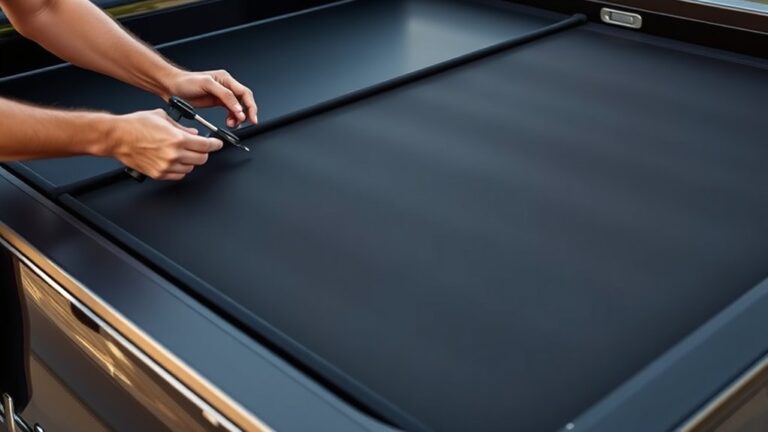
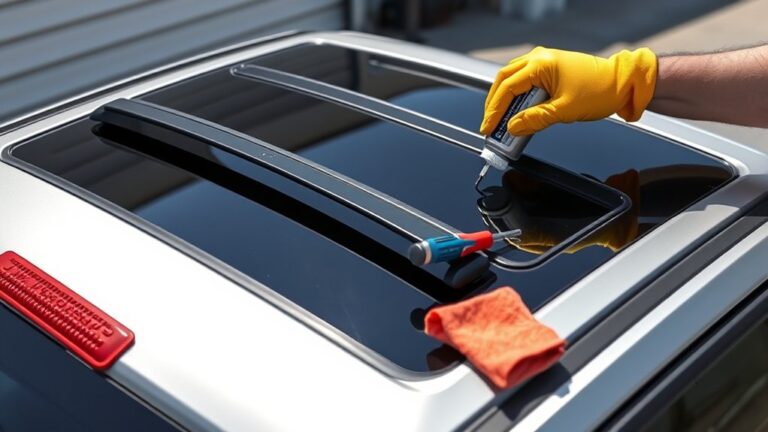
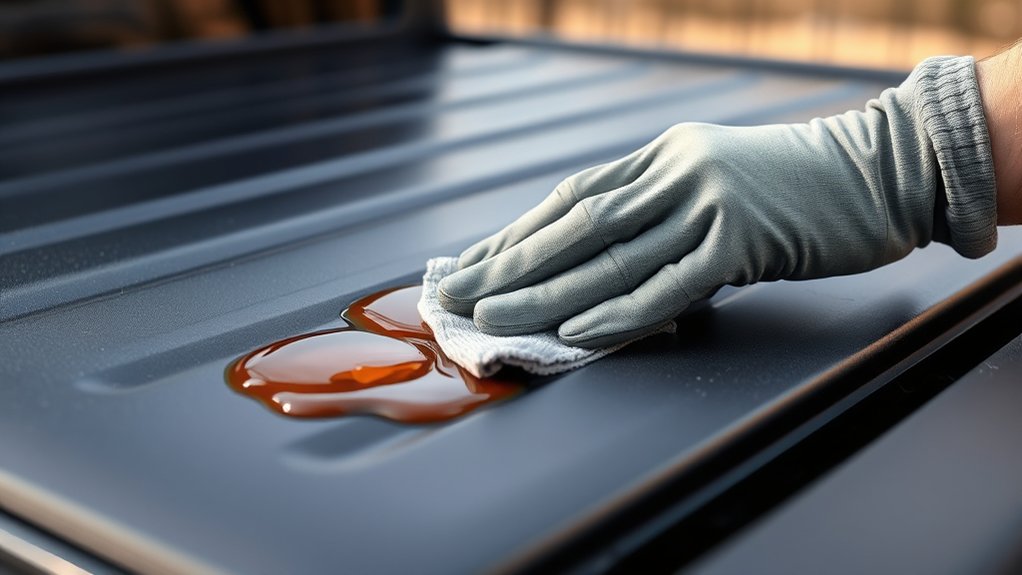
When tree sap lands on your tonneau cover, it can quickly harden and become stubborn to remove. Removing tree sap from tonneau cover requires a careful approach to avoid damaging the material.
Start by softening the sap using controlled heat, which makes it easier to handle. Then, employ safe scraping techniques to gently lift the sap without harming the surface.
It’s equally important to understand which cleaning agents are safe for your cover. Applying these products effectively will help restore your tonneau cover without causing unintended wear.
Key Takeaways
- Soften sap with gentle heat using a hairdryer held 6–8 inches away, warming for 30–60 seconds to ease removal.
- Use a plastic scraper or old credit card to gently lift softened sap without damaging the tonneau cover’s surface.
- Apply isopropyl alcohol or a mild, pH-balanced automotive soap on a microfiber cloth to break down sap residue.
- Always spot test cleaning products on a small, hidden area to ensure compatibility and prevent damage.
- After removal, wash with mild soap, rinse thoroughly, and apply a UV protectant to maintain cover durability and prevent future sap buildup.
Why Tree Sap Sticks to Your Tonneau Cover
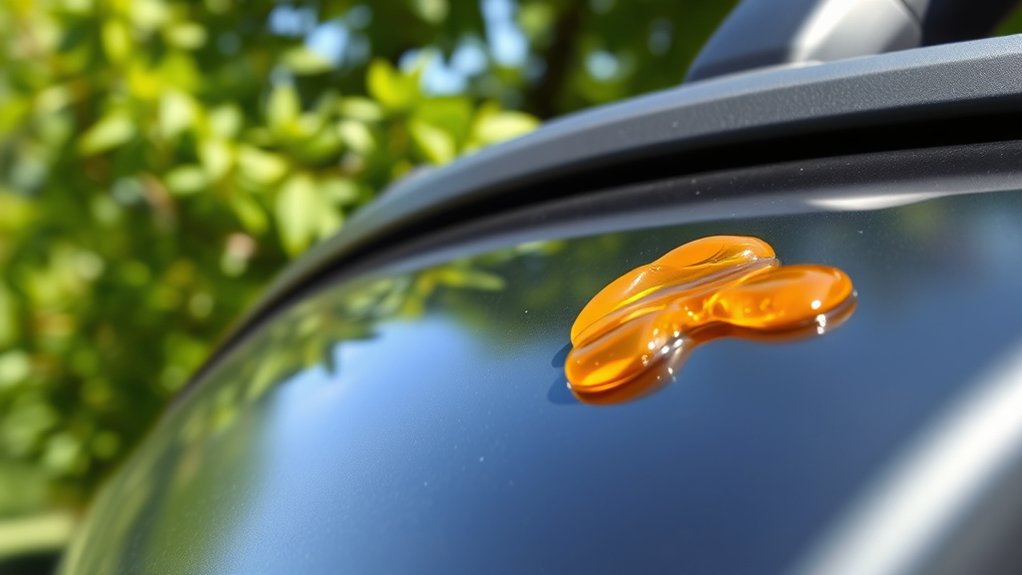
Why does tree sap cling so stubbornly to your tonneau cover? Understanding this involves tree science and the nature of urban flora. Sap is a viscous, sticky substance produced by trees to transport nutrients and seal wounds.
Tree sap clings stubbornly due to its sticky nature and the protective role it plays in trees.
In urban environments, trees often face stress from pollution and physical damage, causing them to exude more sap as a defense mechanism. This sap contains a complex mixture of resins, sugars, and phenolic compounds, which makes it highly adhesive.
When sap lands on your tonneau cover, its sticky resins bond firmly with the cover’s material, especially vinyl or fabric surfaces. The sap’s chemical composition and the cover’s texture create a strong attachment, making sap removal challenging without damaging the cover.
Understanding this helps you approach sap removal more effectively.
Essential Supplies for Removing Tree Sap
Knowing how firmly tree sap bonds with your tonneau cover helps you select the right tools to tackle the residue without causing damage. Start with a soft microfiber cloth to prevent scratching the surface.
Use a plastic scraper or credit card for gentle sap removal. Avoid metal tools to minimize risk. You’ll need a mild automotive soap formulated for exterior surfaces; prioritize soap safety by choosing pH-balanced, non-corrosive options.
Isopropyl alcohol or specialized sap removers can be effective but require careful tool handling to avoid spreading sap or damaging the cover’s finish. Gloves protect your skin during application.
Have a bucket of warm water ready for rinsing. Selecting these essential supplies ensures you efficiently remove sap while preserving your tonneau cover’s integrity.
How to Safely Test Cleaning Products on Your Tonneau Cover
Before applying any cleaning product broadly, you should perform a spot test on a small, inconspicuous area of your tonneau cover. Apply a minimal amount of the product and wait several minutes to observe any adverse reactions like discoloration or material degradation.
This step ensures the product’s compatibility and prevents potential damage during full cleaning.
Spot Test Procedure
How can you assure a cleaning product won’t damage your tonneau cover? Begin by performing a spot test in an inconspicuous area. Apply a small amount of the chosen product using a clean, soft cloth or cotton swab.
Allow it to sit for 5-10 minutes to penetrate the surface without rinsing immediately. This limited exposure helps isolate the product’s effect on the material. Avoid saturating the area, as excessive liquid can skew results.
After the dwell time, gently blot the spot; don’t rub aggressively. This procedure lets you monitor any immediate or subtle changes in color, texture, or integrity without risking larger damage.
Conducting a spot test is critical for preventing adverse material reaction and ensures safe, effective sap removal.
Observe Material Reaction
Observing the material reaction after applying a cleaning product is essential to ensure your tonneau cover remains intact and undamaged. Begin by applying a small amount of the cleaner to an inconspicuous area. Monitor the interaction closely, focusing on any discoloration, swelling, or texture changes.
Understanding tree sap dynamics helps you anticipate how sap residues interact with the cleaner and the cover’s surface chemistry. Some solvents may alter the polymer matrix or degrade protective coatings.
Allow the test spot to dry completely, then examine it under good lighting. If the material shows no adverse effects, you can proceed safely with full application. This methodical approach preserves your tonneau cover’s integrity while effectively targeting sap without compromising its surface.
Remove Tree Sap by Hand: Step-by-Step
First, gather all necessary cleaning supplies, including a heat source and a plastic scraper. Next, soften the sap by applying controlled heat to prevent damage to your tonneau cover.
Finally, gently scrape off the residue, taking care not to scratch the surface.
Gather Necessary Cleaning Supplies
What tools do you need to effectively remove tree sap from your tonneau cover by hand? Start with isopropyl alcohol or a specialized sap remover, as these dissolve sap without compromising cover durability.
Use microfiber cloths to prevent surface abrasion and maintain the cover’s finish. A plastic scraper can help gently lift hardened sap without damaging the material.
Gloves are essential for sap safety, protecting your skin from irritants and chemical exposure. Have a bucket of warm water and mild soap ready for rinsing residue.
Avoid harsh solvents or abrasive tools that degrade the cover. Preparing these precise supplies ensures efficient sap removal while preserving your tonneau cover’s integrity and your safety throughout the cleaning process.
Soften Sap With Heat
After gathering the right cleaning supplies, the next step involves softening the tree sap to make removal easier. To soften sap, use controlled heat application, which reduces its hardness and adhesive strength.
You can employ a heat gun set on low or a hairdryer held about 6–8 inches from the sap spot. Move the heat source evenly around the affected area for 30–60 seconds to avoid damaging the tonneau cover material.
The heat use loosens the sap’s grip without melting or warping the cover. Ensure the surface is warm to the touch but not excessively hot. This technique prepares the sap for more effective removal in subsequent steps.
Always test heat on a small, inconspicuous area first to confirm material tolerance.
Gently Scrape Off Residue
How should you approach removing softened sap without damaging your tonneau cover? Start by selecting a plastic scraper or an old credit card to gently lift the sap. Avoid metal tools, which can scratch or tear the cover material.
With steady, controlled motions, carefully scrape off the softened residue, ensuring you don’t apply excessive pressure. This subtopic idea 1 emphasizes patience to prevent damage.
If some sap remains, reapply gentle heat to soften it again before scraping. Subtopic idea 2 involves working in small sections, allowing you to maintain control and minimize risk.
Always test a small hidden area first to confirm that your method won’t harm the tonneau cover’s finish. This step-by-step approach ensures effective sap removal while preserving the cover’s integrity.
Break Down Tree Sap With Household Items
Start by applying common household items that can effectively break down tree sap without damaging your tonneau cover. These eclectic helpers work by softening the sap’s sticky composition, allowing you to wipe it away gently.
Quirky hacks include using substances like rubbing alcohol or vegetable oil, which dissolve sap residues efficiently. Apply the item with a soft cloth, let it sit briefly, then wipe the sap off.
| Household Item | Application Method |
|---|---|
| Rubbing Alcohol | Dab on sap, wait 2 minutes, wipe |
| Vegetable Oil | Rub gently, let sit 5 minutes, wipe |
| Hand Sanitizer | Apply, allow to penetrate, wipe |
| WD-40 | Spray lightly, wait, wipe off |
Use these techniques carefully to protect your cover’s finish.
How to Pick the Best Commercial Tree Sap Remover
When selecting a commercial tree sap remover, what key factors should you consider to ensure effectiveness and safety for your tonneau cover? First, prioritize products specifically formulated for sap removal that won’t damage vinyl or fabric surfaces. Check the label for compatibility with your tonneau material.
Choose sap removers designed for your tonneau cover’s material to ensure safe and effective cleaning.
Next, opt for eco friendly cleaners to minimize environmental impact, especially if you frequently clean outdoors. These formulations often use biodegradable solvents, reducing chemical residue.
Also, evaluate the remover’s ease of application and removal. Efficient products save time and reduce the risk of surface abrasion.
Finally, review user feedback for proven performance on similar covers. By focusing on these criteria, you’ll select a sap remover that balances powerful cleaning with protection for your tonneau cover and the environment.
Protect Your Tonneau Cover While Removing Sap
Why is it essential to protect your tonneau cover during sap removal? Because improper handling can damage the material’s finish or compromise its weather resistance. To ensure sap safety, always test your solvent choice on a small, inconspicuous area first.
Select solvents formulated specifically for your cover’s material, vinyl, fabric, or hard plastic, to avoid discoloration or degradation. Use soft cloths or sponges rather than abrasive tools to prevent surface scratches.
Work gently and avoid excessive rubbing, which can embed sap deeper or damage coatings. Additionally, wear gloves to protect your skin and prevent contaminating the cover with oils or dirt. Following these precautions ensures effective sap removal while maintaining your tonneau cover’s durability and appearance.
Best Ways to Prevent Tree Sap Buildup on Your Cover
How can you effectively minimize tree sap accumulation on your tonneau cover? Reducing sap adhesion and mitigating UV effects are key strategies. Regular cleaning and protective coatings help prevent sap from bonding firmly to the surface. Additionally, parking away from overhanging trees reduces direct sap contact.
| Prevention Method | Description |
|---|---|
| Regular Washing | Removes early sap deposits before adhesion |
| Protective Coatings | Creates a barrier reducing sap adhesion |
| UV Protectants | Shields cover from UV effects causing damage |
| Strategic Parking | Avoids areas with heavy sap-producing trees |
| Quick Sap Removal | Prevents sap hardening and difficult removal |
Implement these methods consistently to maintain your tonneau cover’s integrity and prevent persistent sap buildup.
How to Maintain Your Tonneau Cover After Removing Sap
After removing tree sap from your tonneau cover, maintaining its condition guarantees long-lasting protection and appearance. Sap chemistry involves sticky resins and acids that can degrade your cover’s coating if not properly cleaned.
Proper cleaning after sap removal is essential to protect your tonneau cover’s coating from damage.
To preserve coating durability, regularly wash the cover with mild soap and water to remove residual sap traces and environmental contaminants. Avoid harsh chemicals that can weaken the protective layer.
Apply a UV-resistant protectant designed for your cover’s material to reinforce the coating and prevent cracking or fading. Inspect the cover frequently for signs of wear or sap residue buildup, addressing issues promptly to avoid long-term damage.
Consistent maintenance after sap removal ensures your tonneau cover remains resilient against environmental stressors and retains its functional integrity.
Frequently Asked Questions
Can Tree Sap Damage the Paint Under My Tonneau Cover?
Yes, sap damage can occur under your tonneau cover if sap isn’t removed promptly. You’ll need effective cleaning methods like using isopropyl alcohol or specialized sap removers to prevent paint deterioration and maintain your truck’s finish.
Is It Safe to Remove Sap With a Pressure Washer?
You shouldn’t use a pressure washer for sap removal safety; high pressure can damage your tonneau cover’s material. Instead, try gentle solvents or specialized cleaners to ensure effective sap removal without risking surface damage.
How Long Does Tree Sap Take to Harden on a Cover?
Like glue drying on your hands, how long sap takes to harden depends on temperature and exposure but typically ranges from a few hours to 24 hours.
Sap hardening accelerates in heat and slows in cooler, shaded areas.
Will Removing Sap Affect My Tonneau Cover’s Warranty?
Removing sap usually won’t void your tonneau cover’s warranty, but you should check warranty considerations carefully. Use recommended cleaning methods to avoid damaging the material, as improper cleaning can have negative cleaning implications and affect coverage.
Can I Remove Sap From a Tonneau Cover in Cold Weather?
Imagine Mike, who used gentle removal techniques in cold weather by warming sap slightly with a hairdryer before wiping. You can remove sap in cold weather, but weather considerations like sap hardness affect technique effectiveness and care needed.
Conclusion
Now that you’ve mastered sap removal, think of your tonneau cover as a fortress—each gentle scrape and careful wipe chipping away the sticky invader. With the right tools and protective coatings, you’re not just cleaning; you’re shielding your cover from future attacks.
Stay vigilant, test wisely, and maintain regularly to keep your cover looking sharp and sap-free. By following these steps, you can turn a sticky situation into a smooth, effortless ride every time.
Remember, proper care and attention are key to effective tree sap removal from your tonneau cover.