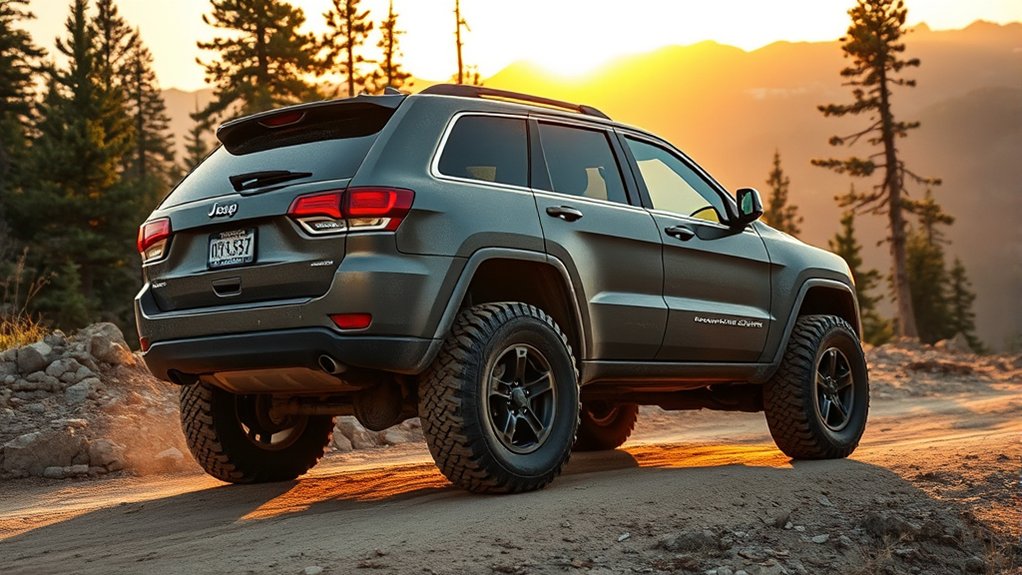
How Long Do Jeep Grand Cherokees Last
Like a dependable old friend, your Jeep Grand Cherokee can stick with you for the long haul—often well beyond 200,000 miles.
The longevity of a Jeep Grand Cherokee depends on more than just its sturdy design. Factors such as the model year, maintenance habits, and driving style all play vital roles.
Before you make any assumptions, it’s worth understanding which elements most influence your Jeep’s lifespan. Knowing these can help you get the most out of your vehicle.
Proper care and attention can significantly extend how long your Jeep Grand Cherokee lasts.
Key Takeaways
- Jeep Grand Cherokees typically last around 200,000 miles with proper maintenance and care.
- Model years 1999 to 2004 and 2011 to 2013 are known for superior durability and reliability.
- Regular maintenance, including oil changes and brake inspections, significantly extends vehicle lifespan.
- Gentle driving habits and avoiding excessive idling reduce wear and prolong engine life.
- Common longevity issues include transmission failures, electrical faults, and suspension wear.
How Long Do Jeep Grand Cherokees Typically Last?
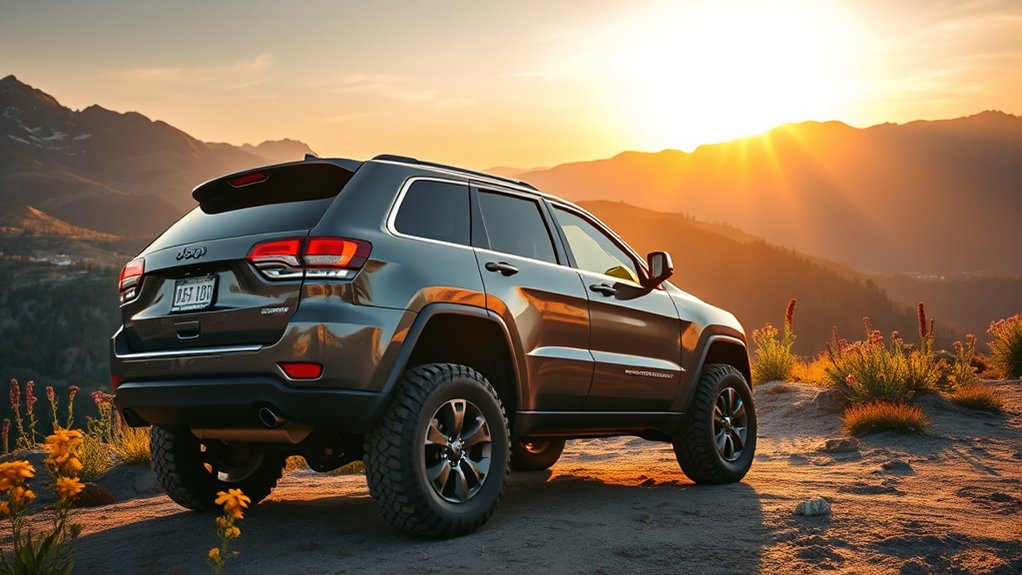
How long can you expect a Jeep Grand Cherokee to last under regular use? Typically, you can rely on these SUVs to reach around 200,000 miles with proper maintenance. Their reliability expectations are generally positive, especially when you keep up with routine service like oil changes, brake inspections, and fluid replacements.
However, some components, such as the air suspension and electrical systems, may require attention sooner. When it comes to resale value, Jeep Grand Cherokees hold their worth fairly well compared to other midsize SUVs, thanks to their strong brand reputation and off-road capability.
If you maintain your vehicle diligently, you not only extend its lifespan but also enhance its resale value, making it a more worthwhile investment over time.
Most Durable Jeep Grand Cherokee Model Years
Which Jeep Grand Cherokee model years stand out for their durability? The most durable model years often cited include 1999 to 2004, known for their robust inline-six engines and solid build quality. These models tend to have fewer major mechanical issues compared to others.
Additionally, the 2011 to 2013 model years receive praise for improved reliability due to updated powertrains and refined electronics. While newer models offer advanced features, some owners report higher maintenance costs and electronic glitches.
If you’re looking for the most durable Jeep Grand Cherokee model years, focusing on these ranges can provide a better balance of longevity and dependability. Remember, individual vehicle condition varies, but these model years generally stand out for lasting longer under typical driving conditions.
How Can Maintenance Help Your Jeep Last Longer?
Why does regular maintenance make such a difference in your Jeep Grand Cherokee’s lifespan? Consistent maintenance routines keep your vehicle’s durable components functioning optimally, preventing premature wear and costly repairs.
By regularly checking and replacing fluids, filters, and brake pads, you reduce strain on the engine and transmission. Timely inspections of suspension, tires, and belts ensure these parts remain reliable under various driving conditions.
Neglecting maintenance allows dirt buildup, corrosion, and mechanical issues to worsen, shortening your Jeep’s life. Following the manufacturer’s recommended schedule helps you catch problems early, preserving the integrity of vital systems.
Ultimately, staying proactive with maintenance routines extends your Jeep Grand Cherokee’s durability, ensuring it delivers dependable performance for many miles to come.
Which Driving Habits Keep Your Jeep Running Longer?
Maintaining your Jeep Grand Cherokee isn’t just about scheduled service; the way you drive also plays a significant role in its longevity. Adopting certain habits worth forming can reduce wear and tear, helping your Jeep run smoothly for years.
Gentle acceleration and braking prevent unnecessary stress on the engine and brakes. Using fuel economy tricks like steady speeds and avoiding excessive idling not only saves gas but also minimizes engine strain. Proper gear usage, especially in off-road or towing situations, ensures your drivetrain stays healthy. Additionally, keeping your RPMs moderate avoids overworking the engine.
- Accelerate and brake smoothly
- Maintain steady speeds
- Avoid excessive idling
- Use appropriate gears for conditions
- Limit high RPM driving
These driving habits keep your Jeep efficient and durable over time.
Common Jeep Grand Cherokee Issues That Affect Longevity
How do common mechanical and electrical issues impact your Jeep Grand Cherokee’s lifespan? While these vehicles are built with engineered longevity in mind, certain problems can shorten their usable life if not addressed promptly.
Regular maintenance routines help mitigate issues like transmission failures or electrical malfunctions that often arise in older models. Identifying these challenges early allows you to maintain your Jeep’s reliability and maximize its lifespan.
| Issue | Impact on Longevity |
|---|---|
| Transmission Problems | Can cause costly repairs, reduce performance |
| Electrical System Faults | Lead to starting issues and sensor errors |
| Suspension Wear | Affects ride quality and safety |
| Cooling System Failures | Risk of engine overheating |
| Fuel Injector Malfunctions | Decrease fuel efficiency and power |
Addressing these concerns through consistent maintenance routines preserves your Jeep’s engineered longevity.
Frequently Asked Questions
What Is the Average Fuel Economy of a Jeep Grand Cherokee?
You can expect the average MPG of a Jeep Grand Cherokee to range between 18 and 26, depending on the engine and model. Its fuel efficiency varies, so check specific trims for the best estimates.
How Much Does a Jeep Grand Cherokee Typically Cost?
You’ll typically pay between $35,000 and $60,000 for a Jeep Grand Cherokee.
Keep in mind, some models face frequent recalls and unreliable transmission issues, so factor maintenance costs into your budget when considering this SUV.
Are Jeep Grand Cherokees Good for Off-Roading?
You probably won’t find a Jeep Grand Cherokee stuck in a mud pit. They’ve got serious off-road durability.
Plus, with aftermarket upgrades, you can turn your ride into an unstoppable beast on any terrain, no sweat.
What Are the Warranty Options for Jeep Grand Cherokees?
Jeep Grand Cherokees come with warranty options including a 3-year/36,000-mile basic warranty and 5-year/60,000-mile powertrain coverage.
You can also add maintenance coverage for routine services, ensuring all-encompassing protection and peace of mind.
How Does the Jeep Grand Cherokee Compare to Other SUVS?
You’ll notice comparison trends favor Jeep Grand Cherokees for rugged capability, while reliability metrics show mixed results. They excel in off-road power, comfort, and tech, but may lag behind some rivals in long-term dependability.
Conclusion
If you maintain your Jeep Grand Cherokee well, it can easily last over 200,000 miles, with some models reaching even further. Regular oil changes, fluid checks, and gentle driving play a huge role in this longevity.
Remember, early model years like 1999–2004 and those from 2011–2013 are especially durable. By staying on top of maintenance and avoiding harsh driving habits, you’ll not only extend your Jeep’s life but also protect your investment for years to come.
With proper care and attention, a Jeep Grand Cherokee can provide reliable service and strong performance well beyond the 200,000-mile mark, making it a smart choice for long-term ownership.