How Much Does a Tonneau Cover Save on Gas
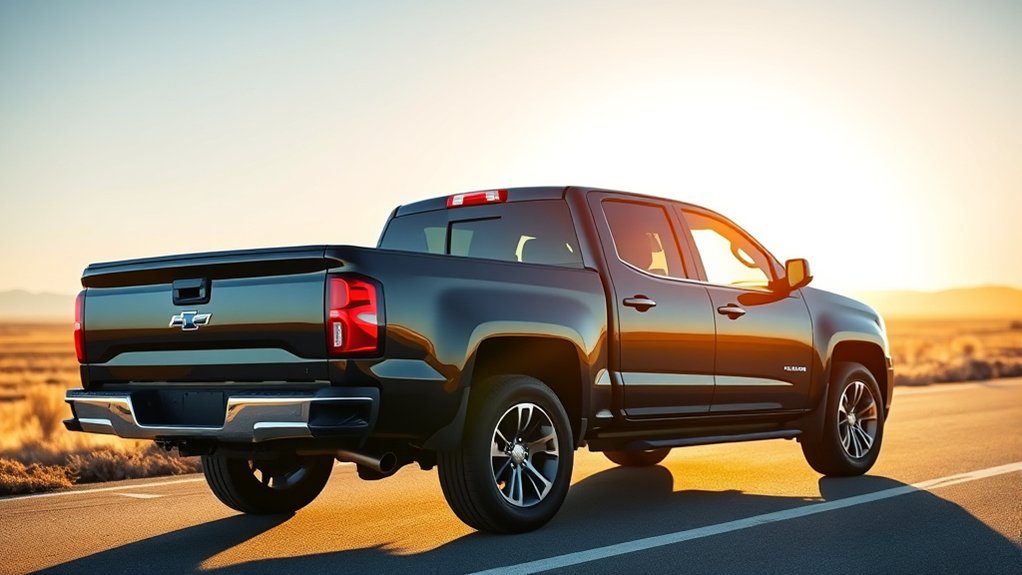
You might expect a tonneau cover to have a minimal effect on gas mileage, yet real-world data often show a 5% to 10% improvement in highway fuel efficiency when using a well-fitted, rigid tonneau cover. This improvement can make a noticeable difference over long distances.
However, the actual savings hinge on factors like cover type, installation quality, and driving speed. A soft cover may not offer the same benefits as a hard one, and improper installation can reduce effectiveness.
Understanding these variables is vital before deciding if a tonneau cover is a practical investment for your fuel economy goals. Considering your typical driving conditions will help determine the potential gas savings.
Key Takeaways
- Tonneau covers typically improve fuel economy by reducing aerodynamic drag, resulting in gas savings of about 5% to 10% on highways.
- Hard, rigid tonneau covers offer the most consistent and significant fuel savings compared to soft or snap-on types.
- Proper installation with a tight, flush fit is essential to maximize aerodynamic benefits and prevent drag-related fuel penalties.
- Lightweight, low-profile covers with smooth surfaces enhance airflow, further improving fuel efficiency.
- Real-world tests and consumer reports confirm measurable MPG gains when using tonneau covers during highway driving.
How Tonneau Covers Improve Fuel Efficiency
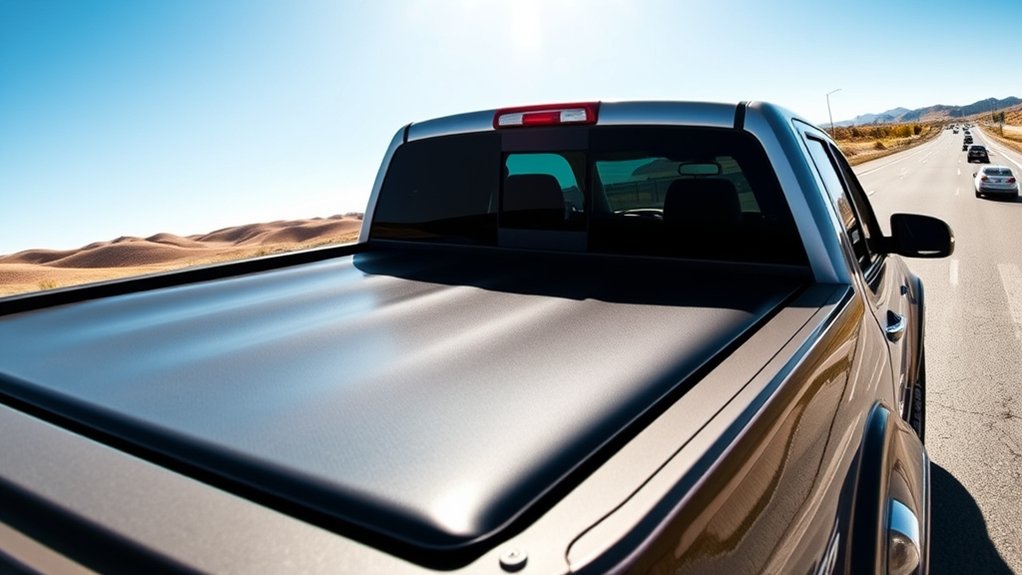
How exactly do tonneau covers improve fuel efficiency? By streamlining the airflow over your truck bed, these covers reduce aerodynamic drag, which directly lowers fuel consumption. When your truck bed is open, turbulent air creates resistance that forces your engine to work harder.
Installing a tonneau cover minimizes this turbulence, enhancing fuel economy. Beyond aerodynamics, weatherproofing considerations play a role. Sealing the bed prevents moisture buildup that could add weight and affect performance.
Additionally, the visual appeal of a sleek tonneau cover isn’t just cosmetic; it reflects a design optimized for airflow efficiency. By addressing both aerodynamic drag and environmental exposure, tonneau covers provide a practical solution for improving your vehicle’s gas mileage without compromising aesthetics or functionality.
Key Factors That Influence Your Tonneau Cover Fuel Savings
You’ll want to focus on how your tonneau cover’s aerodynamics and drag reduction impact fuel savings by minimizing airflow resistance.
The material and design also play critical roles, as lightweight, low-profile covers typically offer better efficiency gains. Understanding these factors helps you choose a cover that maximizes your gas mileage improvements.
Aerodynamics And Drag Reduction
Why does aerodynamics play a critical role in fuel savings with a tonneau cover? When you drive, your vehicle encounters aerodynamic drag, air resistance that forces the engine to work harder, reducing fuel economy.
A tonneau cover streamlines airflow over the truck bed, minimizing turbulence and drag caused by exposed cargo areas. By reducing aerodynamic drag, you lower the energy required to maintain speed, directly improving fuel economy.
The smoother airflow helps stabilize pressure differences behind the cab, which otherwise increase drag. Consequently, a well-fitted tonneau cover effectively optimizes the truck’s aerodynamics, translating to measurable fuel savings during highway driving.
Understanding this relationship clarifies why aerodynamic drag reduction is essential for maximizing the fuel economy benefits of your tonneau cover.
Cover Material And Design
Selecting the right cover material and design considerably impacts the fuel savings your tonneau cover can deliver. The effectiveness hinges on how these factors influence weight, rigidity, and aerodynamic profile. For instance, heavier materials may reduce savings by increasing overall vehicle weight, while flexible designs might not optimize airflow as effectively.
Key design considerations include:
- Material density and weight: Lightweight composites or aluminum reduce drag without adding bulk.
- Surface texture and finish: Smooth finishes minimize air resistance better than textured surfaces.
- Structural rigidity: Rigid covers maintain consistent airflow, preventing turbulence that increases drag.
Comparing Fuel Savings by Tonneau Cover Type
How do different types of tonneau covers impact fuel savings? When analyzing gas mileage improvements, soft roll-up and tri-fold covers typically offer moderate reductions in wind resistance due to their flexible design and partial sealing.
Hard folding and retractable covers, made from rigid materials, create a smoother airflow over the truck bed, minimizing turbulence more effectively. This reduction in drag directly correlates with improved gas mileage.
Rigid hard folding and retractable covers streamline airflow, reducing drag and enhancing fuel efficiency.
Snap-on covers, while easy to install, vary in their aerodynamic efficiency depending on fit and material stiffness. You’ll find that hard covers generally provide the most consistent wind resistance reduction, translating to better fuel economy under highway conditions.
Understanding these distinctions helps you select a tonneau cover type that optimizes your truck’s aerodynamics for measurable fuel savings.
Real-World Data on Tonneau Cover Gas Mileage Gains
Where can you find reliable data on the actual gas mileage improvements from tonneau covers? Real-world testing, consumer reports, and manufacturer data provide the most accurate insights. These sources measure practical fuel savings rather than theoretical estimates.
Controlled road tests comparing miles per gallon (MPG) with and without covers
User-submitted mileage logs analyzed over extended periods
Manufacturer specifications including warranty coverage and color options influencing material weight and aerodynamics
These datasets reveal that fuel economy gains typically range from 5% to 10%, depending on cover type and driving conditions. Warranty coverage often correlates with build quality, indirectly affecting durability and consistent fuel savings.
Additionally, color options impact heat absorption, potentially influencing aerodynamic efficiency. When analyzing real-world data, you should weigh these technical factors to understand how a tonneau cover might affect your vehicle’s gas mileage precisely.
Cost vs. Fuel Savings: Is a Tonneau Cover Worth It?
When evaluating whether a tonneau cover justifies its cost through fuel savings, you need to analyze the upfront investment against the measurable reduction in fuel consumption. Factors like your truck’s towing weight and even car color, which affects heat absorption and thus aerodynamic efficiency, influence the actual savings.
For example, heavier towing weights reduce fuel economy, potentially amplifying the cover’s benefit.
| Cost Factor | Fuel Savings Impact |
|---|---|
| Initial cover price | 5-10% improved MPG |
| Towing weight (high) | Greater fuel efficiency gain |
| Car color (dark vs. light) | Minor aerodynamic effect |
How to Choose the Best Tonneau Cover for Fuel Economy
You’ll want to focus on materials that balance durability with lightweight properties to improve fuel efficiency. Aerodynamics play a crucial role, so choose a design that minimizes drag and fits your truck bed precisely.
Proper installation ensures the cover maintains its shape and effectiveness, directly impacting gas savings.
Material Impact On Efficiency
How do different tonneau cover materials influence fuel economy? Understanding the material impact is essential when weighing two word discussion ideas like weight and durability. The choice directly affects your truck’s efficiency by altering load and drag characteristics.
Consider these factors to optimize material impact:
- Weight: Lightweight materials like vinyl reduce added mass, minimizing fuel consumption.
- Durability: Robust materials such as aluminum ensure longevity without compromising aerodynamic benefits.
- Flexibility: Soft covers conform better to the bed, potentially reducing turbulent airflow compared to rigid alternatives.
Aerodynamics And Design
Beyond material considerations, the aerodynamic profile and design of a tonneau cover play a significant role in improving fuel economy. You’ll want a cover that reduces drag by streamlining airflow over the truck bed, minimizing turbulence that increases fuel consumption.
Low-profile, flush-mounted designs typically offer superior aerodynamic efficiency compared to bulky or raised models. While aerodynamic efficiency is key, don’t overlook aesthetic appeal; a sleek, well-integrated cover enhances your vehicle’s overall look without sacrificing performance.
Additionally, consider storage versatility. Some aerodynamic covers provide flexible access options, allowing you to optimize cargo space without compromising airflow dynamics. Selecting a tonneau cover that balances aerodynamic design with practical storage solutions ensures you maximize gas savings while maintaining functionality and style.
Installation And Fit
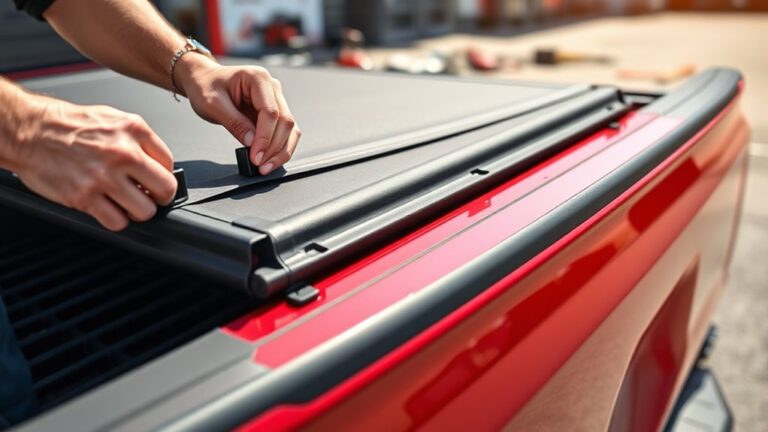
Where should you focus when installing a tonneau cover to maximize fuel efficiency? Primarily, ensure the installation fit is precise to reduce air turbulence over the truck bed. An improper fit creates gaps, increasing drag and negating fuel savings.
Mounting compatibility with your truck model is critical; mismatched mounts can compromise seal integrity and aerodynamic performance.
Consider these key factors for optimal installation and fit:
- Verify mounting compatibility with your truck’s make and bed dimensions.
- Ensure the cover aligns flush with the bed rails to eliminate airflow disruptions.
- Use manufacturer-recommended hardware and follow torque specifications to secure the cover tightly.
Frequently Asked Questions
Can a Tonneau Cover Protect My Truck Bed From Weather Damage?
Yes, a tonneau cover offers weatherproofing insights by shielding your truck bed from rain, snow, and UV damage. It also enhances theft deterrence, securing cargo while maintaining durability and reducing exposure to environmental elements effectively.
Are Tonneau Covers Easy to Install and Remove?
Like snapping puzzle pieces together, tonneau covers offer easy installation and quick removal. You’ll find precise fittings and minimal tools needed, ensuring efficient setup and takedown without compromising your truck’s functionality or your valuable time.
Do Tonneau Covers Affect Truck Bed Storage Capacity?
Tonneau covers minimally affect bed storage capacity; their effectiveness lies in securing cargo and improving aerodynamics. You won’t lose much space, but bulky or tall items might not fit under the cover, impacting storage flexibility.
What Materials Are Tonneau Covers Typically Made From?
Think of tonneau covers as shields crafted from materials like vinyl, aluminum, and fiberglass, designed for weather protection. This materials overview highlights their durability, flexibility, and resistance, ensuring your truck bed stays secure and dry under various conditions.
Can Tonneau Covers Improve Truck Security Against Theft?
Yes, tonneau covers improve your truck’s security impact by concealing cargo and deterring theft. Evaluating the cost benefit, you gain affordable protection that reduces risk without expensive alarm systems or locks, enhancing overall cargo safety effectively.
Conclusion
Imagine slicing through highway air with a sleek tonneau cover, cutting drag and boosting your MPG by up to 10%. Your savings hinge on fit, seal, and speed—tight installation and rigid materials maximize gains, while gaps erode them.
By choosing the right cover and maintaining it properly, you transform your truck bed into an aerodynamic asset. In the balance of cost versus fuel economy, a well-selected tonneau cover offers measurable, efficient returns on the road.
When considering how much does a tonneau cover save on gas, remember that the key factors are fit and maintenance, which directly impact your vehicle’s fuel efficiency.