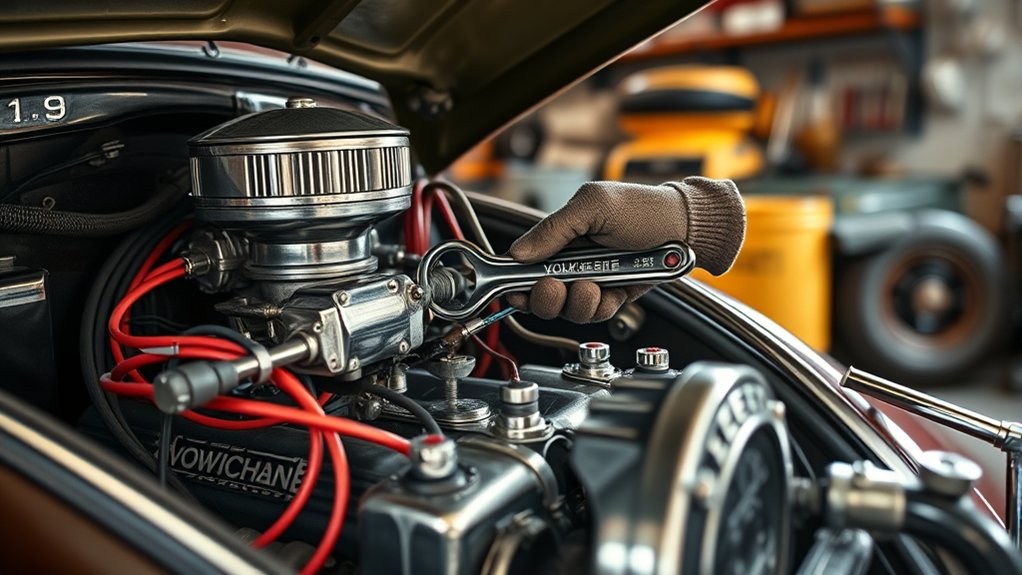
How to Keep Your Volkswagen Alive
If your Volkswagen’s engine light comes on unexpectedly, it’s a clear sign you need to act quickly to avoid costly repairs. Keeping your Volkswagen alive means pairing regular oil and filter changes with routine fluid checks and careful inspections of wiring and electrical systems.
By staying ahead of common issues and knowing when to bring in a professional, you’ll help your car run smoothly for years. Understanding these steps will make all the difference.
Key Takeaways
- Regularly perform OBD-II diagnostics to detect engine issues early and maintain optimal performance.
- Change engine oil and filter every 5,000 to 7,500 miles using Volkswagen-specified oil grades.
- Inspect and maintain electrical wiring, battery connections, and fuse box to prevent electrical failures.
- Monitor and replace spark plugs, fluids, and timing belts at recommended intervals to avoid breakdowns.
- Protect the exterior with regular washes, rust inhibitors, and park in shaded areas to preserve paint and body.
How To Perform Basic Volkswagen Maintenance At Home
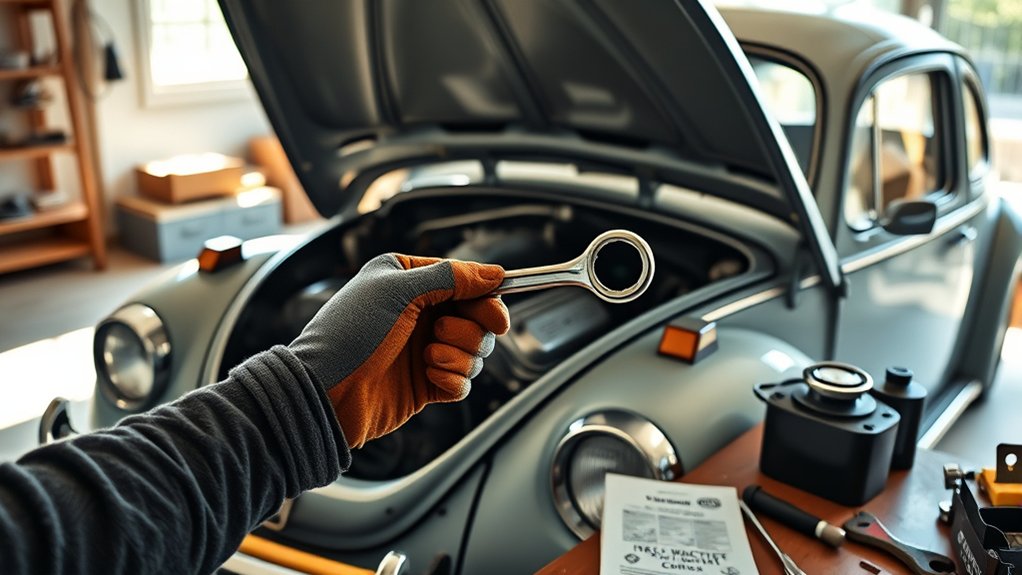
Where do you begin when it comes to maintaining your Volkswagen at home? Start by mastering basic diagnostics to identify common issues early. You don’t need advanced tools, just a reliable OBD-II scanner to read error codes and monitor engine performance.
Pay attention to owner ergonomics: choose a well-lit, spacious area where you can comfortably access the engine bay, battery, and other key components. Proper posture and tool placement reduce fatigue and improve efficiency during maintenance tasks.
Regularly inspect belts, hoses, and filters for wear or damage. By combining straightforward diagnostics with thoughtful ergonomics, you’ll catch potential problems before they escalate, ensuring your Volkswagen runs smoothly and reliably without unnecessary trips to the mechanic.
This approach saves time and money, keeping your car in top shape.
How To Check And Change Volkswagen Fluids
How often should you check and change the fluids in your Volkswagen to keep it running smoothly? Regular fluid checks are essential. You’ll want to inspect engine oil, coolant, brake fluid, transmission fluid, and power steering fluid every 3,000 to 5,000 miles or as specified in your owner’s manual.
For oil changes, use the recommended oil type and replace the oil filter simultaneously to maintain engine health. When checking fluids, ensure levels are within the marked ranges and look for discoloration or contamination, which signals the need for replacement.
Changing fluids at proper intervals prevents wear, overheating, and corrosion. Use appropriate tools and dispose of old fluids responsibly. Staying consistent with oil changes and fluid checks helps your Volkswagen perform reliably and extends its lifespan.
Common Volkswagen Problems And How To Spot Them Early
Identifying common Volkswagen problems early can save you time and money while preventing more serious damage. Keep an eye on these warning signs:
Engine oil issues: Dark, gritty oil or frequent low oil levels may indicate leaks or consumption problems. Check regularly to avoid engine damage.
Spark plugs wear: Misfires, rough idling, or reduced fuel efficiency often point to worn spark plugs. Inspect and replace them as needed to maintain performance.
Electrical glitches: Flickering dashboard lights or intermittent power window failures can signal wiring or sensor faults, common in older Volkswagens.
When To Schedule Professional Service For Your Volkswagen
When should you bring your Volkswagen to a professional mechanic? Schedule service when you notice warning lights, unusual noises, or performance changes. Regular checkups every 10,000 miles or annually help maintain your premium ride’s smooth operation. Addressing issues early prevents costly repairs and protects your vehicle’s resale value.
If you detect fluid leaks, braking problems, or irregular engine behavior, don’t delay professional evaluation. Mechanics provide precise diagnostics and ensure genuine parts fit correctly. Seasonal inspections, especially before winter, optimize safety and performance.
Keeping up with Volkswagen’s recommended service intervals guarantees your car runs efficiently and retains its value over time. By trusting experts, you avoid guesswork and prolong your Volkswagen’s lifespan, maintaining the quality you expect from a premium ride.
Essential Engine Care Tips For Your Volkswagen
To keep your Volkswagen’s engine running smoothly, you need to prioritize regular oil changes that match your model’s specifications.
Don’t overlook coolant system maintenance to prevent overheating and potential engine damage.
Also, inspect the timing belt regularly, as a failure can lead to costly repairs.
Regular Oil Change
How often should you change the oil in your Volkswagen? Typically, you’ll want to perform an oil change every 5,000 to 7,500 miles, but always consult your owner’s manual for the recommended interval. Using the correct oil grade is essential to maintain engine performance and longevity.
Here’s what to keep in mind for a proper oil change:
- Use the oil grade specified by Volkswagen to guarantee optimal viscosity and protection.
- Replace the oil filter simultaneously to prevent contaminants from circulating.
- Monitor driving conditions; frequent short trips or extreme climates may require more frequent oil changes.
Regular oil changes reduce engine wear, improve fuel efficiency, and prevent costly repairs. Staying consistent with this maintenance keeps your Volkswagen running smoothly.
Coolant System Maintenance
Why does maintaining your Volkswagen’s coolant system matter so much? It prevents engine overheating, protects components from corrosion, and ensures efficient performance.
Regular non technical maintenance, like checking coolant levels and inspecting hoses, keeps the system functioning well. Aftermarket modifications can affect coolant flow, so monitor the system closely if you’ve made changes.
Here’s a simple checklist:
| Task | Frequency |
|---|---|
| Check coolant level | Every 1,000 miles |
| Inspect hoses for cracks | Monthly |
| Flush and replace coolant | Every 2 years |
| Monitor aftermarket mods | After installation |
Staying on top of these tasks prevents costly repairs and keeps your Volkswagen’s engine in optimal condition.
Timing Belt Inspection
When should you inspect your Volkswagen’s timing belt to avoid engine damage? Following the manufacturer’s inspection schedule is critical. Typically, you should check the timing belt every 60,000 to 100,000 miles, depending on your model and driving conditions.
Regular timing belt inspection helps prevent catastrophic engine failure and costly repairs.
During your timing belt inspection, look for:
- Cracks, fraying, or glazing on the belt surface
- Proper tension to avoid slipping or excessive wear
- Signs of oil contamination that can degrade the belt material
Sticking to the inspection schedule ensures your timing belt functions reliably, maintaining engine synchronization and performance. Don’t wait for symptoms. Early detection is key to keeping your Volkswagen running smoothly and avoiding unexpected breakdowns.
Keep Your Volkswagen’s Electrical System In Top Shape
To keep your Volkswagen’s electrical system reliable, regularly check the battery for corrosion and guarantee a secure connection. Inspect wiring for any signs of wear or damage that could cause shorts or failures.
Don’t forget to examine the fuse box, replacing blown fuses promptly to maintain proper circuit protection.
Battery Maintenance Tips
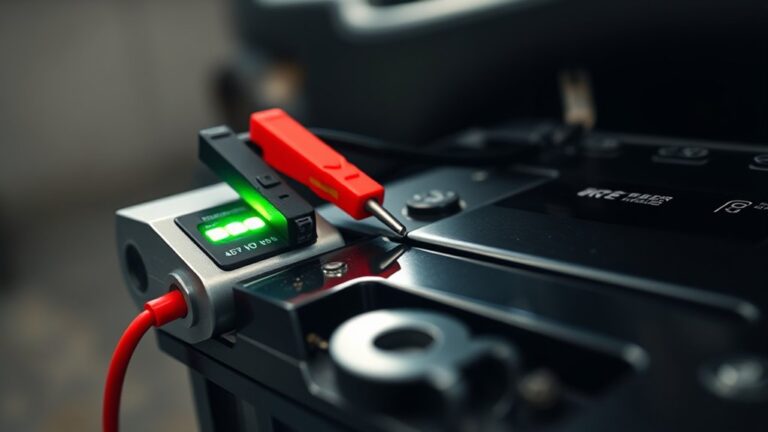
Maintaining your Volkswagen’s battery ensures the electrical system operates reliably and prevents unexpected breakdowns. To keep your battery in top condition, focus on proper battery charging and preventing battery corrosion.
Regularly check the battery terminals for any buildup and clean them promptly to avoid performance issues. Use a quality charger designed for automotive batteries if your car sits idle for extended periods.
Here are key maintenance tips:
- Inspect and clean battery terminals to prevent corrosion buildup.
- Assure battery charging is consistent, especially during infrequent use.
- Secure the battery firmly to minimize vibration damage.
Wiring Inspection Essentials
Battery health plays a significant role in your Volkswagen’s overall electrical performance, but the wiring system also demands regular attention to prevent faults and guarantee consistent operation. Performing routine wiring inspection helps you identify damaged insulation, corrosion, or loose connections early, ensuring reliable electrical continuity throughout the system.
Use a multimeter to test continuity and spot breaks or shorts in wires. Focus on critical areas like engine compartments and under-dash wiring.
| Inspection Area | Common Issues | Recommended Action |
|---|---|---|
| Engine Wiring | Heat damage, corrosion | Clean, replace damaged wires |
| Ground Connections | Loose, rusted terminals | Tighten, clean contacts |
| Dashboard Wiring | Frayed wires, wear | Inspect, repair insulation |
| Connector Plugs | Corrosion, poor fit | Clean, reseat or replace |
Regular wiring inspection safeguards your Volkswagen’s electrical system, avoiding unexpected failures.
Fuse Box Care
Although many drivers overlook it, the fuse box plays a vital role in protecting your Volkswagen’s electrical circuits from damage caused by overloads or short circuits. Proper fuse box care ensures your vehicle’s electrical safety and prevents costly repairs.
You should regularly inspect the fuse box for signs of corrosion, loose connections, or blown fuses. When replacing fuses, always use the correct amperage to maintain system integrity.
Keep these tips in mind for optimal fuse box care:
- Check the fuse box cover for a clear diagram to identify each fuse’s function.
- Clean the fuse box terminals with appropriate contact cleaner to prevent corrosion.
- Secure any loose wiring near the fuse box to avoid electrical shorts.
How To Protect Your Volkswagen’s Body And Paint
How can you guarantee your Volkswagen’s body and paint stay in top condition for years? Start by avoiding common carcare pitfalls like neglecting regular washes or using abrasive cleaning products. Always wash your car with pH-balanced soap to prevent paint damage.
Before applying any protective coating, focus on thorough paint prep: clay bar treatment removes contaminants, and polishing addresses minor imperfections. This prep ensures sealants or waxes adhere properly, providing a durable protective layer.
Park in shaded or covered areas when possible to minimize UV exposure, which fades paint over time. Promptly address chips or scratches to prevent rust formation.
Simple Maintenance Upgrades To Extend Your Volkswagen’s Life
Protecting your Volkswagen’s exterior is a crucial step, but maintaining the mechanical components plays an equally important role in extending its lifespan. Simple maintenance upgrades can significantly improve reliability and performance.
Focus on these areas:
- Engine cleanliness: Regularly clean your engine bay to prevent buildup that can cause overheating or component failure. Use appropriate degreasers and avoid high-pressure sprays to protect sensitive parts.
- Rust prevention: Apply rust inhibitors to vulnerable areas, especially undercarriages and wheel wells. Address chips and scratches promptly to stop corrosion from spreading.
- Fluid upgrades: Use high-quality synthetic oils and coolants to enhance lubrication and temperature control, reducing wear and tear.
Frequently Asked Questions
What Is the Best Volkswagen Model for Beginners?
The Volkswagen Jetta stands out as one of the best beginner options due to its reliability, fuel efficiency, and user-friendly features. It’s an affordable entry sedan that balances comfort, performance, and practicality for new drivers.
How Can I Improve My Volkswagen’s Fuel Efficiency?
You can improve your Volkswagen’s fuel efficiency by regularly checking tire pressure, using recommended motor oil, replacing air filters, and maintaining proper engine tuning.
Following these Volkswagen maintenance tips helps optimize fuel consumption and extend your car’s lifespan.
Are Volkswagen Parts Expensive to Replace?
Yes, Volkswagen parts can be expensive, especially genuine OEM ones. Replacement costs vary depending on the model and part complexity. You can save by choosing aftermarket options or sourcing parts from trusted suppliers.
What Are Common Signs of Volkswagen Transmission Issues?
You’ll notice common symptoms of transmission problems like slipping gears, delayed shifting, strange noises, or fluid leaks.
If your Volkswagen hesitates or jerks during acceleration, these signs indicate you should have the transmission inspected promptly.
How Do I Reset the Volkswagen Service Light?
Imagine Sarah, who completed her service and used the reset procedure by turning the ignition on, pressing the accelerator fully for 10 seconds, then off.
You can do this to clear the service interval light easily yourself.
Conclusion
Keeping your Volkswagen in top shape doesn’t have to be complicated. Did you know that regular oil changes can increase your engine’s lifespan by up to 40%? By staying on top of fluid checks, electrical upkeep, and timely professional services, you’ll avoid costly repairs and enjoy smoother rides.
Remember, consistent care not only preserves performance but also maintains your car’s value. Follow these tips, and your Volkswagen will reward you with reliability for years to come. Proper maintenance is the key to keeping your Volkswagen alive and running strong.