How to Remove Tonneau Cover
Like dismantling any specialized equipment, removing your tonneau cover requires careful attention to detail and the right approach. You’ll need to identify the type of tonneau cover you have and gather specific tools before proceeding. Skipping these steps can lead to damage or frustration.
Understanding the process thoroughly will help you avoid common pitfalls and ensure a smooth removal. Here’s what you need to know to get started.
Key Takeaways
- Identify your tonneau cover type (soft roll-up, folding, retractable, or hard) to determine the correct removal procedure.
- Gather necessary tools like ratchets, screwdrivers, pliers, and trim removal tools before starting removal.
- Follow manufacturer instructions closely to avoid damage and ensure proper removal sequence for your cover type.
- Use penetrating oil on stuck fasteners and replace damaged clips or screws with OEM parts during removal.
- Clean and store the cover in a cool, dry place with protective padding, and seek professional help for complex systems.
How to Remove Different Types of Tonneau Covers
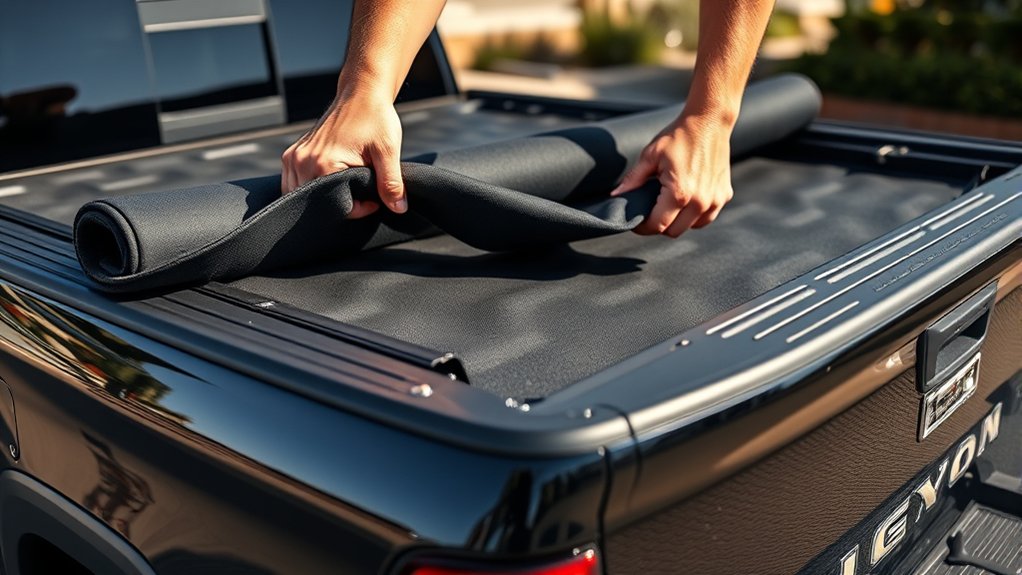
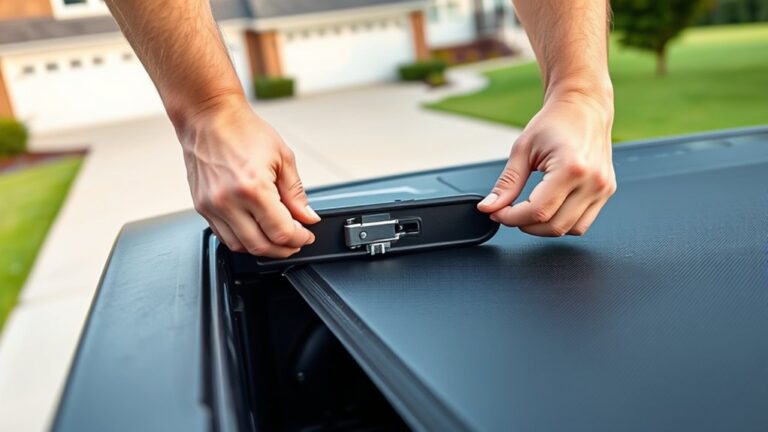
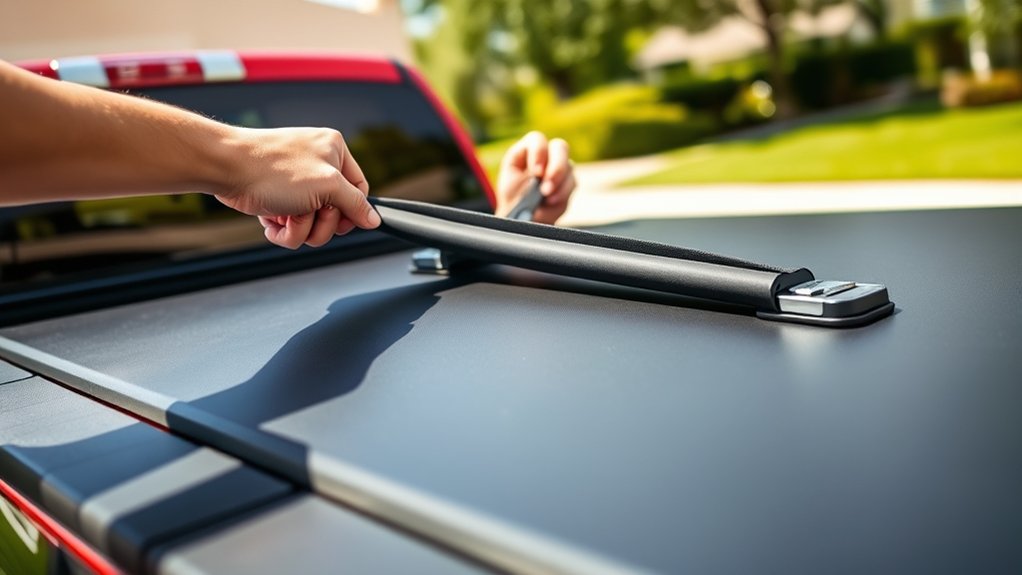
Start by identifying the type of tonneau cover you have, as removal methods vary considerably between soft roll-up, folding, retractable, and hard covers. Soft roll-up covers usually detach by unclipping or unsnapping clamps along the bed rails, while folding covers often require loosening clamps or bolts securing each panel.
Retractable covers typically involve unlocking and sliding the cover into the open position before releasing mounting brackets. Hard covers demand removal of bolts or screws, often requiring panel detachment. Understanding these removal techniques ensures you avoid damage and maintain accessory compatibility, especially if you plan to reinstall or switch covers.
Precise execution will protect your truck bed and accessories, making future installations smoother. Always check manufacturer instructions for your specific model to confirm proper procedures and accessory fit.
Tools Needed to Remove Your Tonneau Cover
Once you’ve identified the type of tonneau cover and its specific removal method, gathering the right tools will streamline the process and prevent damage. The essential tools needed for cover removal typically include a ratchet set with various socket sizes, screwdrivers (both Phillips and flathead), and pliers.
For some models, you might require an Allen wrench or hex key set to loosen bolts. Additionally, a trim removal tool can help pry off clips without scratching surfaces. Keep a utility knife handy if you need to cut any adhesive or seals carefully.
Having a clean workspace and protective gloves also enhances safety and efficiency. Using the correct tools needed for cover removal ensures you avoid stripping fasteners and maintain the integrity of your truck bed and tonneau cover components.
Troubleshooting Common Tonneau Cover Removal Issues
Although removing a tonneau cover can seem straightforward, you may encounter common issues like stuck fasteners, stripped screws, or damaged clips. First, assess removal timing; avoid removing the cover in extreme temperatures, as materials may contract or become brittle, increasing damage risk.
Use penetrating oil on stuck fasteners to ease removal without forcing parts, which can void warranty concerns. For stripped screws, employ a screw extractor or replace them with compatible hardware to maintain integrity.
Damaged clips often require replacement. Consult your cover’s manual to source OEM parts to prevent warranty invalidation. Always document the removal process and inspect components carefully to address issues promptly, ensuring smooth reinstallation and preserving warranty coverage.
Storing and Protecting Your Tonneau Cover
After addressing removal challenges, you’ll want to focus on storing and protecting your tonneau cover to maintain its condition and longevity. Proper storing tips ensure the cover stays free from damage and ready for use. Start by cleaning the cover thoroughly to remove dirt and debris that can degrade the material.
Next, store it in a cool, dry place away from direct sunlight and moisture to prevent warping and mildew. Use protective gear like soft covers or padded bags to shield the tonneau from abrasions.
- Fold or roll the cover loosely to avoid creases that weaken the material.
- Elevate storage off the floor to prevent exposure to dampness.
- Avoid stacking heavy objects on top to maintain structural integrity.
Implementing these steps preserves your cover’s functionality and extends its lifespan.
When to Get Professional Help Removing Your Tonneau Cover
How do you know when removing your tonneau cover requires professional assistance? You should seek a professional assessment if the cover has complex locking mechanisms, damaged mounting hardware, or if you lack proper tools. Professionals ensure safety precautions are met, preventing damage or injury.
| Condition | Action |
|---|---|
| Stubborn or corroded fasteners | Get professional help |
| Integrated locking system | Professional removal advised |
| Structural damage present | Require expert assessment |
| Lack of proper tools | Call a professional |
| Safety concerns arise | Seek professional assistance |
When in doubt, prioritize safety and efficiency by consulting a professional for cover removal.
Frequently Asked Questions
Can Removing a Tonneau Cover Affect My Truck’s Warranty?
You shouldn’t face warranty implications if you follow the correct removal procedure for your tonneau cover. Always check your truck’s warranty terms, as improper removal or damage during the process might void specific coverage parts.
How Does a Tonneau Cover Impact Fuel Efficiency?
Think of your tonneau cover as a shield against wind drag. By reducing turbulence, it boosts tonneau efficiency, helping you save fuel.
You’ll notice less resistance, which means your truck runs smoother and consumes less gas overall.
Are There Legal Restrictions on Tonneau Covers in Certain States?
You won’t find specific legal restrictions on tonneau covers, but states regulate tinted windows and loud exhaust. Ensure your cover doesn’t obstruct visibility or violate noise limits to stay compliant with local vehicle equipment laws.
Can Tonneau Covers Be Customized or Painted?
Yes, you can customize tonneau covers using custom paint or vinyl wrap. Both methods require proper surface preparation and curing time to ensure durability, weather resistance, and an even finish.
This helps the cover withstand daily wear and UV exposure.
What Are the Benefits of Having a Tonneau Cover?
Imagine safeguarding your truck’s cargo effortlessly; a tonneau cover enhances tonneau aesthetics and bed protection while improving cargo security. It weatherproofs your load from elements and theft, ensuring your truck bed stays clean, secure, and stylish.
Conclusion
Now that you know how to tackle each tonneau cover type and the tools required, you might think removal is straightforward—until a stubborn clamp or stripped screw halts your progress. Don’t rush; patience and the right technique prevent damage.
If you hit a wall, professional help is just a call away. Proper removal and storage keep your cover in top shape, ready for when you need it next.
Ready to start the removal process? Following the correct steps for how to remove tonneau cover ensures your cover remains in excellent condition.