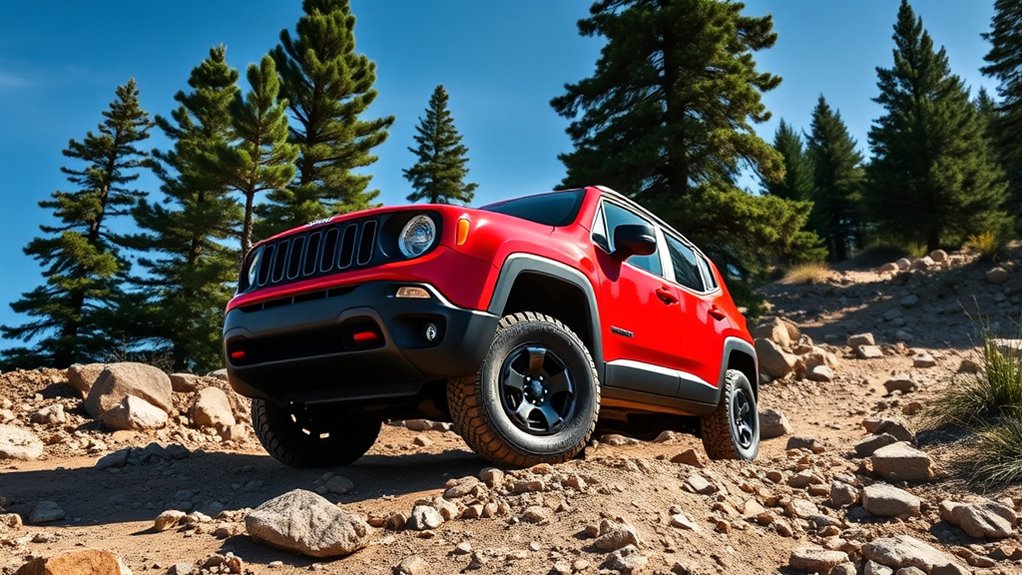
Are Jeep Renegades Reliable
Jeep Renegades are often expected to deliver reliable performance, but their reliability can be somewhat mixed. You might expect a rugged Jeep like the Renegade to offer unwavering reliability, yet it sometimes struggles with issues like its nine-speed transmission and occasional electrical glitches.
While post-2019 models show marked improvements, earlier versions reveal inconsistencies that could affect ownership satisfaction. Understanding these nuances and how maintenance plays a role is vital before deciding if this compact SUV fits your needs.
Key Takeaways
- Jeep Renegades offer decent overall reliability with generally durable construction and proven powertrains like the 1.3L turbo engine.
- The nine-speed automatic transmission is a common source of shifting issues, often requiring software updates and regular fluid maintenance.
- Electrical glitches and minor interior wear are occasional problems but not widespread or chronic within the first 50,000 miles.
- Post-2019 models show improved build quality and software reliability, addressing many earlier transmission and electrical concerns.
- Regular maintenance and adherence to service schedules greatly enhance the Renegade’s longevity and reduce costly repairs.
Is the Jeep Renegade Reliable? An Overview
How reliable is the Jeep Renegade when it comes to daily driving and long-term ownership? When evaluating this compact SUV, you’ll find that its sales pricing is competitive, offering solid value for the features included.
The Renegade’s fuel economy varies by engine type but generally falls within acceptable ranges for its class, with EPA ratings around 22-24 MPG city and 30 MPG highway. Mechanically, it uses proven powertrains, including a 1.3L turbocharged engine, which balances performance with efficiency.
The vehicle’s construction includes durable materials designed to withstand typical wear. For daily use, the Renegade provides dependable handling and adequate comfort. While it doesn’t lead in fuel economy, it remains practical for urban commuting and weekend adventures, making it a reasonable choice for those prioritizing affordability and moderate efficiency.
Common Problems Reported by Jeep Renegade Owners
You’ll often encounter transmission problems in Jeep Renegades, such as delayed shifting or slipping gears. Electrical system faults, including issues with the battery and wiring, are also frequently reported.
Additionally, some owners experience engine performance concerns like rough idling and reduced power output.
Transmission Issues
Why do Jeep Renegade owners frequently report transmission issues? Many drivers experience problems related to the nine-speed automatic transmission, including rough shifting, delayed engagement, and occasional hesitation.
These symptoms often stem from software glitches or mechanical wear impacting transmission durability over time. If you own a Renegade, it’s crucial to monitor transmission fluid levels and quality closely, as inadequate maintenance can accelerate component failure.
Planning your maintenance budgeting around potential transmission repairs is wise, given the complexity and cost of servicing this system. Regular software updates and timely fluid changes improve performance and longevity.
Electrical System Faults
Where do electrical faults typically arise in Jeep Renegades? Owners often encounter issues in the vehicle’s wiring harness and body control module, which can cause intermittent electrical quirks. These quirks manifest as malfunctioning interior lights, erratic dashboard displays, or non-responsive electronic accessories.
Another common problem involves frequent fuse replacements, indicating underlying circuit overloads or short circuits. You might notice blown fuses related to power windows, infotainment systems, or exterior lighting.
Diagnosing these faults requires systematic testing of wiring continuity and voltage levels, often using a multimeter. It’s essential to address these electrical problems promptly to avoid further component damage and ensure vehicle safety.
While not pervasive, these electrical system faults remain a notable concern among Jeep Renegade owners, warranting regular inspections and preventive maintenance.
Engine Performance Concerns
How does the Jeep Renegade handle under the hood? Some owners report engine performance concerns, particularly relating to unusual engine noise and inconsistent fuel economy. You might notice a knocking or ticking sound, often attributed to issues in the timing chain or valvetrain components.
This noise can indicate premature wear or insufficient lubrication. Additionally, the turbocharged 1.4L engines sometimes face fuel economy shortfalls compared to EPA estimates, possibly due to software calibration or sensor malfunctions affecting air-fuel mixture. These problems can lead to reduced power delivery and increased emissions.
Regular maintenance, including timely oil changes and software updates, helps mitigate these risks. If you experience persistent engine noise or fuel efficiency drops, diagnostic scans and mechanical inspections are advisable to prevent long-term damage and maintain optimal performance.
Maintenance Costs and Their Impact on Jeep Renegade Reliability
When evaluating the reliability of a Jeep Renegade, understanding its maintenance costs is essential. Routine upkeep involves standard expenses like oil changes, brake servicing, and tire replacements. You’ll find that the Renegade benefits from using cheap gas, which lowers fuel costs without compromising engine performance.
However, maintenance costs can increase if you opt for used tires, as they may wear unevenly and require more frequent replacement. Paying attention to scheduled maintenance intervals helps prevent costly repairs, directly impacting the vehicle’s long-term reliability.
Additionally, the availability of affordable parts and straightforward mechanical design contributes to manageable upkeep expenses. By maintaining the Renegade properly, you ensure consistent performance and avoid unexpected breakdowns, ultimately preserving its overall reliability.
How Different Model Years Affect Jeep Renegade Reliability
You’ll notice that Jeep Renegade reliability varies across different model years due to design updates and manufacturing changes. Some years show consistent performance, while others reveal recurring mechanical or electrical issues.
Understanding these trends helps you make a more informed decision when evaluating specific model years.
Reliability Trends Over Time
Why do some Jeep Renegade model years perform better in reliability than others? Variations arise primarily from changes in engine design and vendor reliability. Early models often faced teething issues as manufacturers refined components and supply chains.
Improvements in vendor quality control and engine redesigns in later years led to enhanced durability and fewer malfunctions.
| Model Year | Reliability Trend |
|---|---|
| 2015 | Initial issues, recalls |
| 2016 | Minor improvements |
| 2017 | Engine design update |
| 2018 | Vendor reliability rise |
| 2019 | Noticeable reliability gain |
Tracking these trends helps you anticipate potential concerns, guiding informed decisions based on the evolution of technical refinements and supplier performance over time.
Notable Model Year Issues
Examining specific model years reveals how distinct issues have shaped the overall reliability of the Jeep Renegade. For example, early models from 2015 and 2016 experienced frequent transmission problems, which affected drivability and long-term durability. Prospective buyers should note these early concerns when considering used vehicles.
In contrast, 2017 and 2018 models showed improvements in engine performance but suffered from electrical system glitches, occasionally impacting dashboard displays and interior design components like infotainment screens.
Later models, especially post-2019, addressed many of these issues through software updates and enhanced build quality, improving reliability scores. However, some owners report persistent minor issues with interior design materials wearing prematurely.
How the Jeep Renegade Compares to Other Compact SUVs
How does the Jeep Renegade stack up against other compact SUVs in terms of reliability, performance, and features? You’ll find its drivetrain durability is competitive, though some rivals offer smoother powertrains.
Cargo practicality is modest; the Renegade’s rear space is smaller than average, limiting load capacity. However, its off-road capability remains a strong point. Below is a concise comparison of key metrics:
| Feature | Jeep Renegade | Typical Competitor |
|---|---|---|
| Drivetrain Durability | Moderate-High | High |
| Cargo Practicality | 18.5 cu ft | 20-25 cu ft |
| Off-Road Capability | Excellent | Moderate |
| Engine Performance | 180 hp max | 170-190 hp |
| Interior Technology | Basic infotainment | Advanced options |
This data helps you weigh the Renegade’s strengths and limitations objectively.
What Owners Say About the Jeep Renegade’s Driving and Durability
What do Jeep Renegade owners report about the vehicle’s driving experience and long-term durability? Many highlight the driving feel as nimble and responsive for an SUV of its size, noting the precise steering and composed suspension contribute to confident handling on varied terrain. However, some mention that engine noise can be intrusive during acceleration.
Regarding interior quality, owners appreciate the durable materials and functional design, though a few report early signs of wear on upholstery and dashboard components. In terms of durability, feedback indicates that the Renegade holds up well under regular use, with few major mechanical issues reported within the first 50,000 miles.
Still, some owners have experienced occasional electrical glitches and minor trim rattles, suggesting variability in build consistency.
Tips to Keep Your Jeep Renegade Running Smoothly
When should you perform routine maintenance to keep your Jeep Renegade running smoothly? Follow the manufacturer’s recommended schedule closely, typically every 7,500 to 10,000 miles for oil changes and inspections.
Regularly check fluid levels, including engine oil, coolant, brake fluid, and transmission fluid, to prevent mechanical issues. Tire rotation and alignment every 6,000 to 8,000 miles ensure even wear and optimal handling.
Don’t overlook the air filter and spark plugs; replacing them on time sustains engine efficiency. While chatting with other Jeep owners, avoid drifting into unrelated topics or random chatter that distracts from maintenance facts.
Staying focused on technical upkeep and timely inspections reduces breakdown risk and extends your Renegade’s lifespan, keeping its performance reliable and smooth.
Frequently Asked Questions
What Are the Best Accessories for Customizing a Jeep Renegade?
You’ll want customization ideas like roof racks, LED light bars, and all-terrain tires. Aftermarket additions such as skid plates, upgraded suspension, and performance exhausts enhance functionality and style, improving your Jeep Renegade’s off-road capabilities and appearance.
How Fuel-Efficient Is the Jeep Renegade Compared to Other SUVS?
You’ll find the Jeep Renegade’s fuel economy competitive among subcompact crossovers, averaging around 22-32 MPG. Its turbocharged engine optimizes efficiency, though some rivals offer slightly better mileage due to lighter designs and advanced hybrid options.
What Safety Features Come Standard in the Jeep Renegade?
Wondering how the Jeep Renegade protects you on the road? You’ll get standard safety features like blind-spot monitoring, rear cross-traffic alert, and multiple airbags.
These features address reliability concerns with advanced, technical safety systems designed for your peace of mind.
Can the Jeep Renegade Handle Off-Road Trails Effectively?
You’ll find the Jeep Renegade offers solid off-road durability and trail capability, especially in Trailhawk trims with enhanced suspension, skid plates, and 4×4 systems. This lets you tackle moderate off-road trails confidently and efficiently.
What Financing Options Are Available for Purchasing a Jeep Renegade?
You’ll find financing options like dealer loans, bank loans, and credit union offers for the Jeep Renegade, with loan terms typically ranging from 36 to 72 months. These terms affect your monthly payments and overall interest costs.
Conclusion
So, if you’re hunting for a trouble-free ride, the Jeep Renegade might keep you on your toes with its nine-speed transmission quirks and occasional electrical glitches. But hey, with regular maintenance and a careful eye, you can dodge most issues and enjoy its rugged charm.
Just remember, post-2019 models play nicer, proving that patience (and updates) really do pay off in reliability. Who said adventure was ever easy?
When considering if Jeep Renegades are reliable, it’s clear that newer models offer improved dependability, making them a better choice for those seeking a capable and trustworthy vehicle.