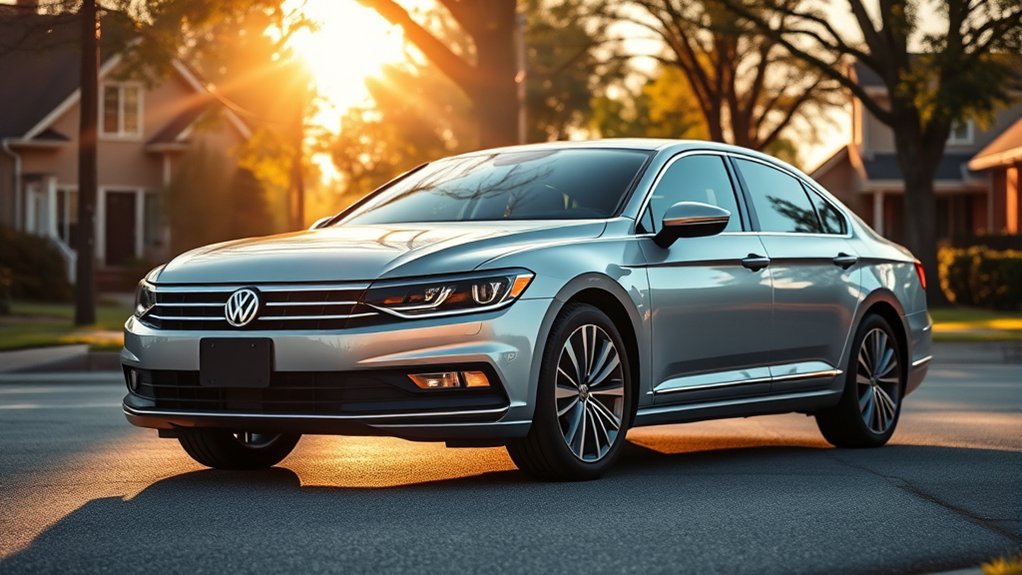
How Long Do Volkswagen Passats Last
Imagine your Volkswagen Passat as a well-tuned clock—its performance depends on every gear working in harmony over time. How long do Volkswagen Passats last? Typically, these vehicles can last between 150,000 and 200,000 miles with proper care, but longevity varies based on maintenance and driving habits.
Understanding which model years hold up best and the common issues that arise after 100,000 miles can help you make smarter decisions about ownership and upkeep. Regular maintenance is key to extending the life of your Passat. Paying attention to oil changes, brake inspections, and timing belt replacements can keep your car running smoothly for years to come.
Key Takeaways
- A well-maintained Volkswagen Passat can last between 150,000 and 200,000 miles.
- Regular maintenance and timely repairs are crucial to extending Passat longevity.
- Transmission and suspension components often require attention after 100,000 miles.
- Passat models from 2012 to 2015 are known for higher reliability and longer lifespan.
- Repair costs tend to increase as the Passat ages, especially beyond 100,000 miles.
How Long Do Volkswagen Passats Last?

How long can you expect a Volkswagen Passat to last? Generally, a well-maintained Passat can reach 150,000 to 200,000 miles, sometimes more. However, longevity depends on factors like maintenance habits and driving conditions.
You’ll need to anticipate repair bills as the vehicle ages, especially after 100,000 miles, when parts like the transmission and suspension might require attention. These repair costs can impact your overall ownership experience.
Expect rising repair costs after 100,000 miles, particularly for transmission and suspension components.
Additionally, the Passat’s resale value tends to decline faster than some competitors due to repair frequency and perceived reliability concerns. If you maintain your Passat regularly and address issues promptly, you can maximize its lifespan and potentially improve resale value.
Still, you should budget for moderate repair expenses as the car ages.
Which Passat Model Years Are Most Reliable?
Determining which Volkswagen Passat model years are most reliable can help you make a smarter purchase or maintenance decision. Generally, Passats from 2012 to 2015 meet higher reliability benchmarks, showing fewer mechanical issues and better overall build quality compared to earlier models.
These years also offer improved fuel efficiency, balancing performance with economy. Models after 2016 introduced new technology but showed mixed reliability results, so weighing updates against potential repair costs is essential.
If you prioritize consistent reliability and lower ownership expenses, focusing on the 2012–2015 range aligns well with those goals. By analyzing consumer reports and reliability ratings, you can better predict which Passat model years will deliver dependable performance and efficient fuel use over time.
What Common Problems Affect Passat Longevity?
What factors commonly undermine the longevity of Volkswagen Passats? Several issues can impact their lifespan, including mechanical and cosmetic problems. For instance, badging quirks, such as inconsistent emblem placement or fading, don’t affect performance but may reduce resale value and reflect underlying quality control concerns.
More critically, upholstery wear tends to appear prematurely, especially on seats, leading to a worn interior that can affect comfort and driver satisfaction. Mechanically, common problems include timing chain tensioner failures and coolant leaks, which, if unaddressed, can cause significant engine damage. Electrical gremlins also surface in some models, impacting reliability.
Understanding these typical issues helps you anticipate challenges that might reduce your Passat’s durability, allowing you to make informed decisions about ownership and care.
How Regular Maintenance Extends Passat Lifespan
Maintaining your Volkswagen Passat regularly plays a pivotal role in extending its lifespan by preventing minor issues from escalating into costly repairs. By adhering to a consistent maintenance scheduling, you ensure each component functions optimally, reducing wear and tear.
Regular maintenance also helps identify potential problems early, allowing timely intervention.
Key regular maintenance tasks include:
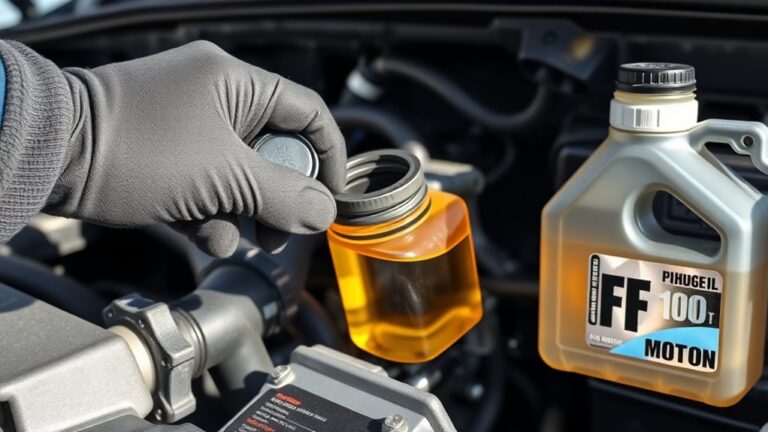
- Changing engine oil and filters
- Inspecting and replacing brake pads
- Checking tire condition and alignment
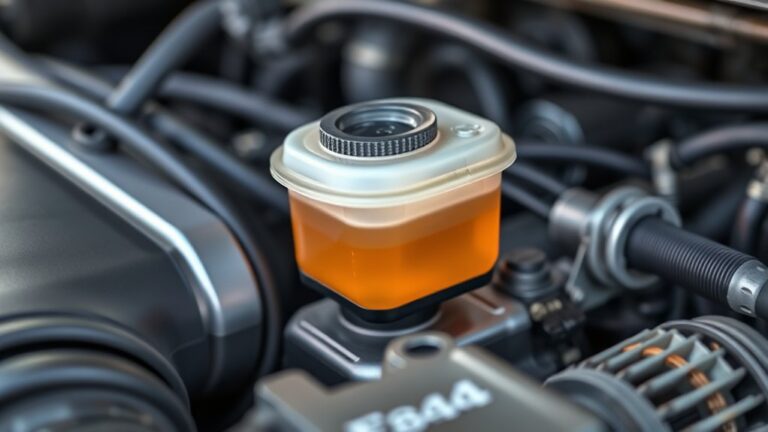
- Flushing and replacing coolant
- Monitoring transmission fluid levels
Following these steps systematically supports your Passat’s reliability and longevity. Regular maintenance creates a proactive approach, minimizing breakdowns and preserving vehicle value.
Ultimately, disciplined maintenance scheduling equips you to maximize your Passat’s operational life effectively.
Easy Ways To Keep Your Passat Running Strong
How can you guarantee your Volkswagen Passat stays reliable and performs well over time? Start by adhering to the manufacturer’s maintenance schedule, which helps sustain fuel efficiency and prevents costly repairs.
Regularly check and change the oil, air filters, and spark plugs to keep the engine running smoothly. Maintaining proper tire pressure improves handling and fuel economy while enhancing ride comfort.
Pay attention to your Passat’s interior comfort by cleaning and conditioning the upholstery and dashboard to prevent wear and tear. Additionally, inspect brakes and suspension components regularly to ensure safety and driving stability.
Frequently Asked Questions
What Is the Average Fuel Economy of a Volkswagen Passat?
You’ll find the average fuel economy of a Volkswagen Passat ranges between 24-36 MPG, depending on the model. Keep in mind, maintenance costs can impact overall efficiency, so regular upkeep helps maximize fuel economy and performance.
How Much Does a Volkswagen Passat Typically Cost to Insure?
Insurance costs for a Volkswagen Passat are like a balanced scale, typically ranging from moderate to slightly above average. You’ll notice cost comparison and maintenance impact directly influence premiums, so keeping upkeep affordable helps lower your insurance expenses.
Are Volkswagen Passats Good for Long Road Trips?
You’ll find Volkswagen Passats good for long road trips thanks to their road trip comfort and long haul reliability. They offer spacious interiors, smooth rides, and dependable performance, ensuring you stay comfortable and confident on extended journeys.
What Safety Features Come Standard in Volkswagen Passats?
Volkswagen Passats come with standard features like forward collision warning, automatic emergency braking, blind-spot monitoring, and rear cross-traffic alert. These safety tech elements help you stay protected and aware on every drive.
How Does the Resale Value of a Passat Compare to Competitors?
You’ll find the Passat’s resale value holds up moderately well in a competitors comparison. While it’s not the highest, it offers a balanced mix of reliability and appeal, making it a smart choice for resale.
Conclusion
You might think a Volkswagen Passat’s lifespan ends around 150,000 miles, but with consistent maintenance, it can easily go beyond 200,000. While some model years face common issues like transmission or electrical problems, staying proactive with oil changes, timing chain checks, and brake care makes all the difference.
Balancing potential repairs with regular upkeep not only preserves your Passat’s value but also keeps it running reliably for years to come. Ultimately, how long a Volkswagen Passat lasts depends largely on the care it receives throughout its life.