How to Fix Tonneau Cover Latch
If your tonneau cover latch isn’t closing properly, it’s important to identify the exact cause before attempting a fix. Misalignment, stiffness, or worn parts can all interfere with smooth operation. Overlooking any detail might lead to repeated issues.
By systematically inspecting, cleaning, and adjusting the latch, you can restore reliable function. But first, you’ll want to know which tools and techniques will make the process efficient and effective.
Key Takeaways
- Inspect the latch for misalignment, stiffness, corrosion, or damage before starting repairs.
- Loosen mounting screws, realign the latch with the striker plate, then tighten screws incrementally.
- Clean latch components with a soft brush or compressed air, removing debris and grime thoroughly.
- Apply lubricant to pivot points and springs evenly, avoiding excess to prevent attracting dirt.
- Replace the latch if wear, deformation, or irreversible damage prevents proper engagement and security.
Common Tonneau Cover Latch Problems and How to Spot Them
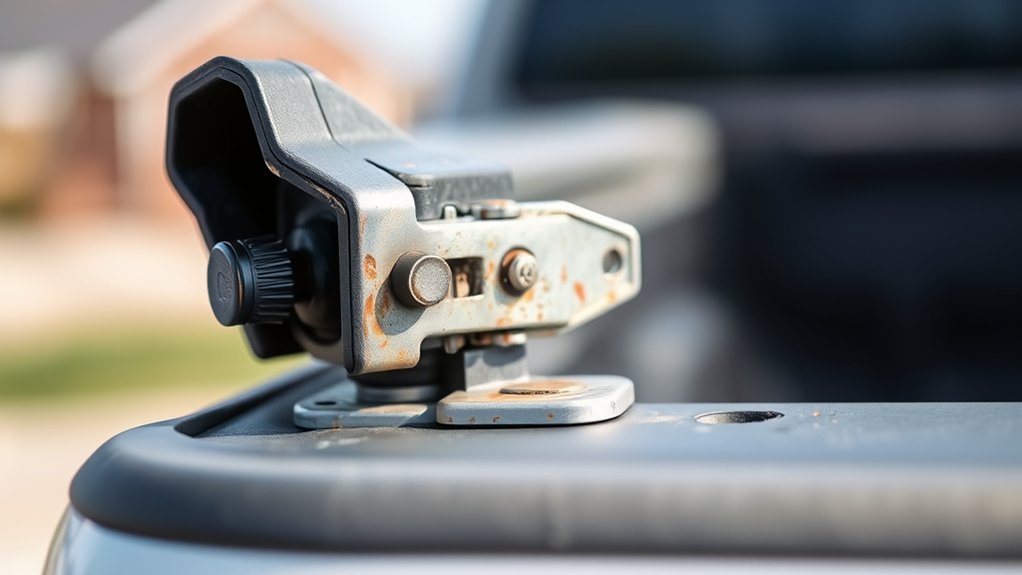
How do you identify common problems with your tonneau cover latch before they worsen? Start by examining the latch design for any signs of misalignment or stiffness during operation. A well-engineered latch should engage smoothly without excessive force.
Manufacturing flaws often manifest as uneven surfaces, weak springs, or improperly sized components, causing the latch to fail intermittently or not secure fully. Listen for unusual noises like grinding or clicking, which indicate internal damage or debris buildup.
Check for corrosion or wear on metal parts that compromise latch integrity. Early detection of these issues prevents further damage and ensures your tonneau cover remains secure.
Regular inspection focusing on these design and manufacturing aspects helps you address problems promptly, maintaining optimal latch performance and vehicle safety.
Tools Needed to Fix Your Tonneau Cover Latch
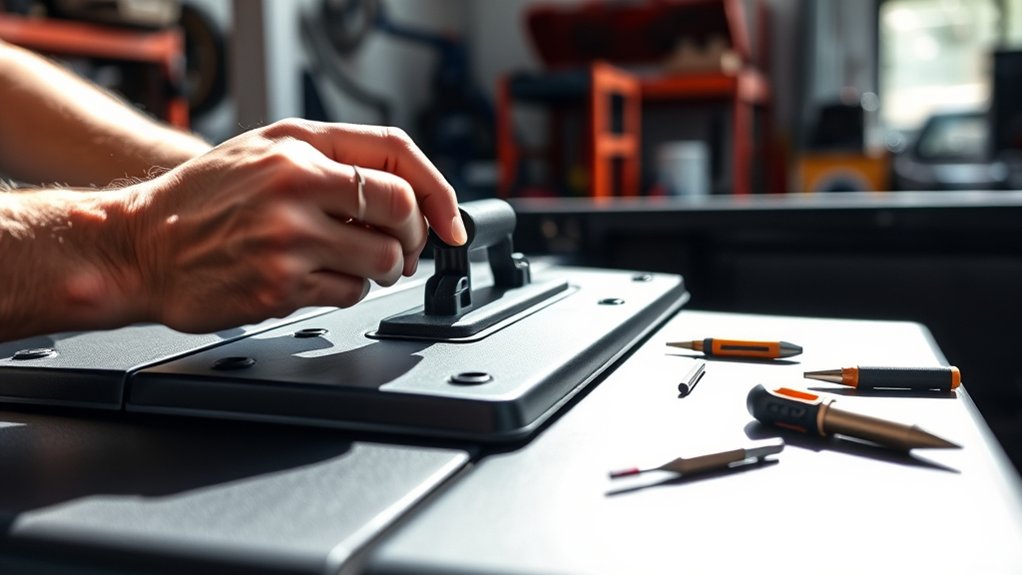
Gather the right tools before attempting to fix your tonneau cover latch to ensure a smooth and efficient repair process. Proper tool selection is essential for precise adjustments and minimizing damage.
Regular tool maintenance ensures reliability and safety during your home improvement tasks. Below is a concise list of necessary tools:
| Tool | Purpose |
|---|---|
| Screwdriver Set | Remove and tighten screws |
| Pliers | Adjust latch components |
| Lubricant Spray | Reduce friction and rust |
| Socket Wrench | Handle bolts securely |
| Cleaning Cloth | Remove debris before repair |
Ensuring you have these tools ready will streamline the repair process and maintain the longevity of your tonneau cover latch. Proper tool maintenance keeps your equipment in top condition for future home improvement projects.
How to Adjust Your Tonneau Cover Latch
When should you adjust your tonneau cover latch? Adjust it if you notice difficulty in securing the cover, misalignment affecting latch aesthetics, or compromised latch security.
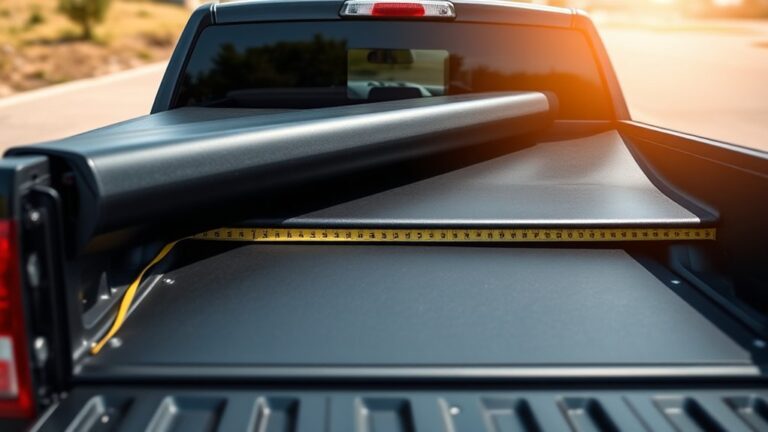
Begin by loosening the latch mounting screws slightly to allow movement. Align the latch so it engages smoothly with the striker plate without excessive force, ensuring the cover sits flush for optimal latch aesthetics.
Tighten screws incrementally, testing the latch’s hold each time to maintain proper latch security. Avoid over-tightening, which can damage components or hinder operation.
Check that the latch handle operates freely and locks firmly. Proper adjustment not only enhances the visual appeal but also guarantees the cover remains securely closed during transit, preventing potential damage or theft.
Repeat adjustments as necessary for consistent performance.
Cleaning and Lubricating Tonneau Cover Latches for Smooth Operation
Start by removing dirt and debris from the latch to prevent obstruction. Next, select a lubricant designed for metal components to ensure effective performance.
Finally, apply the lubricant evenly to all moving parts for smooth operation.
Removing Dirt And Debris
How do you guarantee your tonneau cover latch operates smoothly over time? Start by removing all dirt and debris from the latch mechanism. Use a soft brush or compressed air to dislodge particles trapped in crevices.
Avoid harsh tools that could damage components. As a reminder note, always wear safety glasses and gloves to protect yourself from flying debris and sharp edges. These safety considerations are crucial.
After loosening dirt, wipe the area with a clean, lint-free cloth dampened with a mild solvent to remove grease and grime. Ensure the latch is completely dry before proceeding to lubrication.
Regularly removing contaminants prevents wear and maintains optimal function, extending the latch’s lifespan while ensuring reliable operation every time you open or close your tonneau cover.
Choosing The Right Lubricant
Selecting the right lubricant is essential to guarantee your tonneau cover latch functions smoothly and resists wear. The optimal lubricant minimizes surface roughness in the latch mechanism, preventing latch corrosion and ensuring consistent engagement.
Avoid heavy greases that attract dirt, increasing surface roughness and accelerating corrosion. Instead, pick lubricants designed for metal-to-metal contact with anti-corrosive properties.
| Lubricant Type | Corrosion Resistance | Surface Roughness Impact |
|---|---|---|
| Silicone Spray | High | Low |
| Lithium Grease | Moderate | Moderate |
| Dry PTFE Spray | High | Very Low |
| WD-40 Specialist | Moderate | Low |
Choose a lubricant that balances corrosion protection and surface smoothness for optimal latch performance.
Applying Lubricant Properly
A clean latch mechanism ensures your lubricant performs effectively and extends the lifespan of your tonneau cover latch. Begin by wiping away dirt and debris with a soft cloth or brush, focusing on moving parts.
Once clean, apply a thin layer of lubricant directly to the latch pivot points and catch areas to avoid excess buildup that can attract grime. Use a lubricant designed for metal components to maintain latch aesthetics and prevent corrosion.
After application, cycle the latch several times to distribute the lubricant evenly and improve functionality. Perform latch testing to confirm smooth operation without sticking or resistance.
Wipe off any surplus lubricant to preserve the cover’s appearance and avoid dirt accumulation. Proper application ensures reliable performance and maintains both the function and look of your tonneau cover latch.
Fixing Stubborn Tonneau Cover Latches That Won’t Budge
Why won’t your tonneau cover latch budge despite your attempts? Stubborn latches often result from dirt buildup, corrosion, or misalignment. Begin with thorough latch maintenance: clean debris using a brush and mild solvent.
Next, apply penetrating lubricant to loosen rusted components. Use troubleshooting tips like gently tapping the latch with a rubber mallet to free stuck parts without damage.
Inspect the latch mechanism for bent or warped elements causing misalignment. Adjust or realign these parts carefully to restore smooth operation. Avoid excessive force, which might worsen the issue.
Regular latch maintenance prevents seizing and prolongs functionality. By systematically cleaning, lubricating, and realigning, you’ll resolve most stubborn latch problems efficiently and restore your tonneau cover’s secure locking.
When to Replace a Broken or Worn Tonneau Cover Latch
How can you tell when it’s time to replace a broken or worn tonneau cover latch? Start with a thorough wear inspection, focusing on cracks, corrosion, or deformation in the latch mechanism.
If the latch fails to engage securely or shows excessive play, it compromises the cover’s seal and security. Additionally, persistent sticking or failure to lock despite lubrication indicates internal damage.
When wear inspection reveals irreversible damage or if repairs don’t restore proper function, proceed with latch replacement. Choose a replacement latch compatible with your tonneau cover model to ensure correct fit and operation.
Timely latch replacement prevents further damage to the cover and truck bed, maintaining protection and usability. Don’t risk compromised security; act promptly when wear inspection confirms latch failure.
Tips to Prevent Future Tonneau Cover Latch Problems
To prevent future tonneau cover latch issues, you should establish a regular cleaning routine to remove debris and dirt. Make sure to lubricate the latch mechanism periodically to maintain smooth operation.
Additionally, inspect the latch for signs of wear to catch problems early.
Regular Cleaning Routine
When should you clean your tonneau cover latch to guarantee smooth operation? Ideally, clean it every few weeks or after exposure to dirt, dust, or moisture. Regular cleaning prevents debris buildup that causes latch malfunction and unwanted noise indoors when you open or close the cover.
Start by removing loose dirt with a soft brush or compressed air. Then, wipe the latch components with a damp cloth to eliminate grime. Avoid harsh chemicals that can damage latch materials.
After cleaning, inspect the latch for wear or damage. Incorporate simple storage solutions like covering your truck bed when not in use to minimize dirt exposure.
Consistently maintaining a clean latch not only extends its lifespan but also ensures reliable, quiet operation without unexpected jams or failures.
Lubricate Latch Mechanism
A well-lubricated latch mechanism ensures smooth engagement and prevents corrosion or sticking that can lead to malfunctions. Begin by selecting a lubricant compatible with your tonneau cover’s material and paint color to avoid damage.
Apply a thin layer to pivot points, springs, and locking components. Use an alternative gauge such as a small brush or precision applicator to distribute lubricant evenly in hard-to-reach areas. Avoid excess application to prevent attracting debris, which can impair function.
After lubrication, operate the latch several times to work the lubricant into moving parts. Regularly repeat this process, especially after exposure to moisture or dirt, to maintain optimal performance and prolong the latch’s lifespan without compromising the cover’s finish or structural integrity.
Inspect For Wear
Regular lubrication keeps your tonneau cover latch moving smoothly, but it won’t prevent wear from developing over time. You need to perform regular wear checks to identify early signs of deterioration.
Inspect the latch components for cracks, corrosion, or deformation that can compromise latch durability. Pay close attention to the catch, springs, and pivot points where friction is highest. Use a flashlight to examine hard-to-see areas and feel for looseness or excessive play.
Document any wear patterns and compare them to manufacturer specifications. Early detection lets you replace worn parts before failure occurs, ensuring consistent latch performance and preventing costly repairs. Incorporate wear checks into your maintenance routine every few months to extend the lifespan of your tonneau cover latch and maintain secure closure.
Frequently Asked Questions
Can I Use a Universal Latch for Any Tonneau Cover?
You can’t always use a universal latch for any tonneau cover because designs vary. Don’t get off topic with unrelated ideas; focus on compatibility, dimensions, and mounting style to ensure proper fit and secure functionality.
How Do I Remove a Tonneau Cover Latch Without Damaging It?
Since 70% of latch failures stem from improper removal techniques, you should use the correct tools and gently release clips or screws.
Always check latch compatibility before removal to avoid damaging the tonneau cover latch during the process.
Are Tonneau Cover Latches Covered Under Vehicle Warranty?
You typically won’t find warranty coverage for tonneau cover latches unless the manufacturer explicitly includes it. Universal compatibility latches often lack specific vehicle warranty backing, so check your warranty terms carefully before assuming coverage.
Can Latch Issues Affect My Truck’s Fuel Efficiency?
Yes, latch design impacts your truck’s fuel economy by ensuring the tonneau cover stays securely closed. A faulty latch can cause gaps, increasing aerodynamic drag and reducing fuel efficiency during driving.
What Are the Best Brands for Replacement Tonneau Cover Latches?
You should consider BAK, Lund, and TruXedo for replacement latches; each offers durable materials and precise fit. Brand comparison shows BAK excels in weather resistance, while TruXedo leads in ease of installation and Lund balances both.
Conclusion
Fixing your tonneau cover latch requires both patience and precision. While a simple adjustment or lubrication can restore smooth function, neglecting signs of wear risks complete failure.
You might find that cleaning and tightening solve your issue quickly. However, stubborn latches demand more thorough intervention or even replacement.
By balancing routine maintenance with timely repairs, you prevent minor hiccups from turning into costly breakdowns. Ensuring reliable operation every time you hit the road is key to a properly functioning tonneau cover latch.