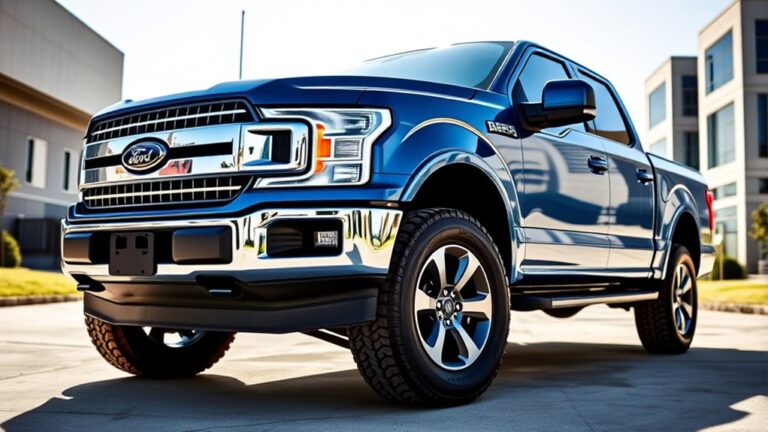
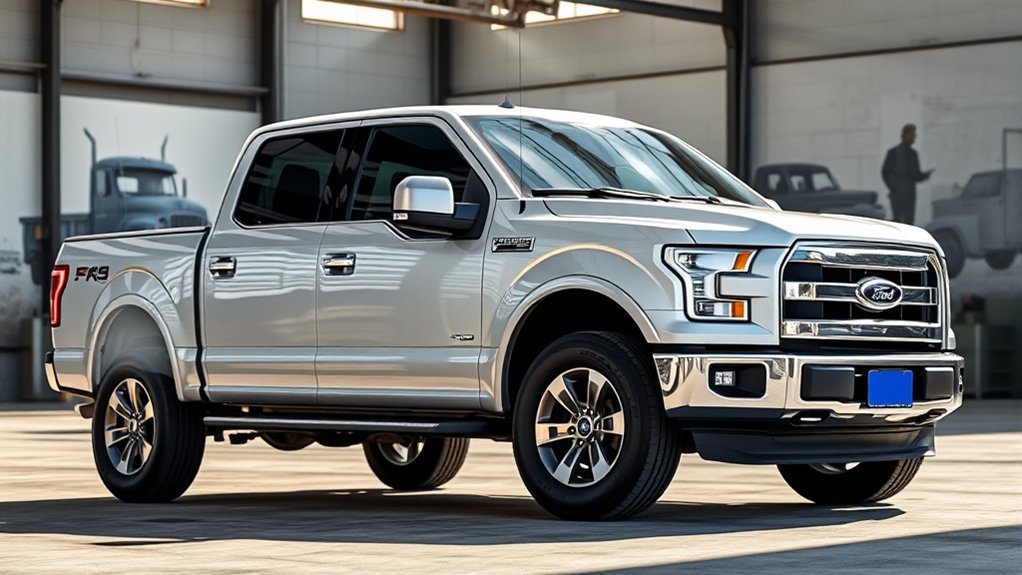
What Year Did the f150 Go Aluminum
If you’re curious about when the Ford F-150 went aluminum, the answer lies in the 2015 model year. This marked a significant shift in pickup manufacturing, as Ford replaced traditional steel panels with aluminum to reduce weight and improve efficiency.
But the change wasn’t just about material—it had wide-ranging effects on performance, durability, and repair processes that continue to shape the F-150 today. The move to aluminum helped enhance fuel economy and overall handling, making the truck more competitive in its class.
Additionally, the use of aluminum posed new challenges for repairs and maintenance, requiring updated techniques and tools. This innovation set a precedent that many other manufacturers have since followed.
Key Takeaways
- The Ford F-150 switched to an aluminum-alloy body in 2015.
- 2015 marked the first full-size pickup widely using aluminum panels.
- Aluminum components include the hood, doors, and tailgate from 2015 onward.
- The transition aimed to reduce weight while maintaining strength starting in 2015.
- This change represented a major shift in truck manufacturing for lighter construction.
When Did the Ford F-150 Switch to an Aluminum Body?

Although many truck enthusiasts were initially skeptical, Ford made a groundbreaking change when it switched the F-150’s body to aluminum in 2015. This marked the first time such a full-size pickup adopted an aluminum-alloy body extensively.
You’ll find that the shift allowed the truck to shed significant weight without compromising strength. While materials like stainless steel and carbon fiber are known for their durability and lightness, Ford chose aluminum for its balance of cost, weight, and repairability.
The 2015 F-150’s aluminum body panels, including the hood, doors, and tailgate, contributed to improved fuel efficiency and payload capacity. This transition was a pivotal moment in truck manufacturing, setting a new standard for combining toughness with lighter construction materials.
Why Did Ford Choose Aluminum Over Steel for the F-150?
You’ll find that Ford chose aluminum for the F-150 mainly to cut weight without sacrificing strength, which boosts both durability and fuel efficiency. Aluminum’s lighter frame helps improve handling and towing capacity while resisting corrosion better than steel.
These benefits combine to make the truck more reliable and cost-effective over time.
Weight Reduction Benefits
Because reducing weight directly improves fuel efficiency and handling, Ford opted for aluminum over steel in the F-150 to achieve significant weight savings. This decision aligned with the broader story arc of evolving market trends favoring lighter, more efficient vehicles.
By switching to aluminum, you benefit from:
- Up to 700 pounds of weight reduction, enhancing fuel economy and reducing emissions.
- Improved agility and handling, making the truck easier to maneuver both on and off-road.
- Enhanced payload capacity, allowing you to carry more without compromising performance.
These weight reduction benefits not only meet regulatory demands but also respond to consumer expectations for better performance and efficiency, marking a pivotal point in the F-150’s development and the pickup truck market overall.
Durability And Strength
While aluminum is often perceived as less durable than steel, Ford chose it for the F-150 due to its impressive strength-to-weight ratio and advanced engineering treatments. You might have heard durability myths suggesting aluminum can’t withstand tough conditions, but Ford’s manufacturing resilience challenges these assumptions.
They use high-strength aluminum alloys and innovative joining techniques to ensure the truck’s body maintains structural integrity under heavy loads and impacts. This approach not only preserves durability but also enhances corrosion resistance compared to traditional steel.
When you look closer, it’s clear that aluminum’s performance in the F-150 isn’t just about weight savings. It’s about delivering a vehicle that stands up to demanding use without compromising strength or safety.
Fuel Efficiency Improvements
How does switching to aluminum impact the Ford F-150’s fuel efficiency? By using lightweight materials like aluminum instead of traditional steel, Ford dramatically reduces the truck’s overall weight. This weight reduction directly enhances fuel efficiency, allowing you to save on fuel costs and reduce emissions.
Here’s why aluminum makes a difference:
- Lighter body means the engine uses less energy to move the vehicle, improving miles per gallon.
- Reduced weight lowers wear on components like brakes and tires, indirectly supporting fuel efficiency.
- Aluminum’s corrosion resistance helps maintain the truck’s performance over time, sustaining fuel economy.
Choosing aluminum over steel was a strategic move to improve fuel efficiency without sacrificing strength or durability. You get a more efficient, durable F-150 built for modern demands.
What Challenges Did Ford Face With Aluminum in the F-150?
You’ll encounter challenges with aluminum’s different durability compared to steel, which required careful evaluation. Ford had to adjust its manufacturing processes considerably to handle the new material.
Plus, you should know that repair costs increased due to specialized tools and techniques needed for aluminum.
Material Durability Concerns
Why did Ford face skepticism when switching the F-150 to an aluminum body? You might wonder because aluminum’s behavior differs markedly from steel. Here are three material durability concerns you should consider:
- Aluminum aging. Over time, aluminum can lose strength due to microstructural changes, raising questions about long-term performance.
- Corrosion risk. Although aluminum resists rust, it’s vulnerable to galvanic corrosion when in contact with other metals, which required careful mitigation.
- Impact resistance. Aluminum’s lower density means it handles dents and dings differently, influencing durability perceptions.
These factors made many doubt aluminum’s ability to match steel’s toughness in a truck known for ruggedness. Ford had to prove that despite these challenges, the aluminum F-150 would maintain durability without compromising structural integrity or longevity.
Manufacturing Process Adjustments
What challenges did Ford encounter when shifting to aluminum for the F-150’s body? One major hurdle involved retooling their manufacturing process to handle aluminum’s unique properties. Unlike steel, aluminum requires different welding techniques and fastening methods due to its lower melting point and higher malleability.
Ford had to redesign assembly lines and train workers extensively, impacting the adoption timeline. Additionally, aluminum’s tendency to dent more easily than steel meant Ford had to innovate in stamping and forming processes to maintain durability standards.
Managing these adjustments while ensuring production efficiency proved complex. Balancing aluminum vs steel also meant addressing supply chain changes and material costs. Overall, these manufacturing process adjustments were essential for the F-150’s successful transition to an aluminum body.
Repair Cost Implications
Although aluminum offers benefits like reduced weight and improved fuel efficiency, it also brings unique challenges when it comes to repair costs for the Ford F-150. You’ll notice that aluminum compatibility issues significantly impact repair processes and expenses.
Here are three key challenges Ford faced:
- Specialized tools and techniques are required to properly repair aluminum panels, increasing labor costs.
- Aluminum’s different structural properties mean traditional steel repair methods don’t apply, leading to higher parts and service expenses.
- Limited availability of certified repair shops skilled in aluminum work further drives up repair costs and wait times.
Understanding these factors helps explain why aluminum F-150 repairs often cost more than steel-bodied trucks, affecting overall ownership expenses.
How Did Aluminum Change the Ford F-150’s Weight and Performance?
The switch to aluminum substantially reduced the Ford F-150’s curb weight, shedding as much as 700 pounds compared to previous steel-bodied models. This aluminum adoption significantly impacted the truck’s weight distribution and overall performance.
You’ll notice improved fuel efficiency because the engine doesn’t have to work as hard to move the lighter frame. Acceleration and handling also benefit, with enhanced responsiveness and maneuverability.
Additionally, the weight impact allows for increased payload and towing capacities, since the truck’s gross vehicle weight rating can be optimized. By reducing mass without compromising structural integrity, Ford enhanced both daily drivability and work capability.
How Has the Aluminum Body Affected F-150 Durability and Repairs?
How does switching to an aluminum body affect the F-150’s durability and repair process? The change brings both benefits and challenges. First, aluminum resists corrosion better than steel, enhancing long-term durability.
Switching to an aluminum body boosts corrosion resistance, improving the F-150’s long-term durability.
Second, repairs require different techniques and tools, often increasing labor time and costs. Third, not all repair shops are equipped or trained for aluminum, limiting your options.
However, there’s insufficient data on long-term durability compared to traditional steel, so some concerns remain speculative. Also, discussions about paint matching or interior components are an unrelated topic here.
Understanding these factors helps you gauge how the aluminum body might influence maintenance and repair decisions for your F-150, balancing durability improvements against potential repair complexities.
What Does the Aluminum Body Mean for F-150 Buyers Today?
Considering both the durability benefits and repair challenges of the aluminum body, you might wonder what this means for you as an F-150 buyer today. The use of innovative materials and a lightweight design offers improved fuel efficiency and handling, but repair costs can be higher due to specialized techniques.
| Benefit | Emotion | Consideration |
|---|---|---|
| Lightweight design | Confidence | Better mileage |
| Corrosion resistance | Assurance | Longer vehicle life |
| Innovative materials | Excitement | Modern tech appeal |
| Repair complexity | Caution | Potential repair costs |
Understanding these factors helps you weigh the advantages against the trade-offs, ensuring you make an informed decision when choosing an F-150 with an aluminum body.
Frequently Asked Questions
How Does Aluminum Affect the F-150’s Fuel Efficiency?
You’ll notice aluminum’s weight reduces the F-150’s overall mass, improving fuel economy by requiring less energy to move. This lighter design helps you save fuel without sacrificing strength or performance during your drives.
Are There Any Special Maintenance Tips for Aluminum-Bodied F-150s?
You might think aluminum corrosion is a big risk, but it’s minimal with proper care. For aluminum-bodied F-150s, maintenance tips include regular washing, inspecting for scratches, and applying protective coatings to prevent corrosion effectively.
Can the Aluminum Body Be Recycled Easily?
Yes, you can recycle aluminum bodies easily since aluminum scrap is highly valuable. However, you’ll face recycling challenges like separating alloys and coatings. These require special processing to ensure efficient recovery and reuse of the aluminum material.
How Does the Aluminum Body Impact Insurance Costs?
Like a double-edged sword, aluminum costs can raise your insurance impact because repairs often require specialized tools and skills. You’ll likely pay more upfront, but benefits like corrosion resistance might offset expenses long-term.
Did the Switch to Aluminum Change the F-150’s Towing Capacity?
The aluminum transition improved the F-150’s towing capacity by reducing weight, allowing you to tow heavier loads more efficiently. You’ll notice towing changes with better fuel economy and handling during heavy towing tasks.
Conclusion
You’ll find that the Ford F-150 switched to an aluminum body in 2015, cutting the truck’s weight by up to 700 pounds. This shift improved handling, fuel efficiency, and payload capacity without compromising durability.
While aluminum introduced new repair challenges, it ultimately redefined full-size pickups. Understanding this change helps you appreciate the F-150’s innovative design and its impact on performance, maintenance, and long-term value in today’s market.
Knowing the year the F-150 went aluminum is key to recognizing how this change shaped the truck’s evolution and solidified its place in automotive history.