
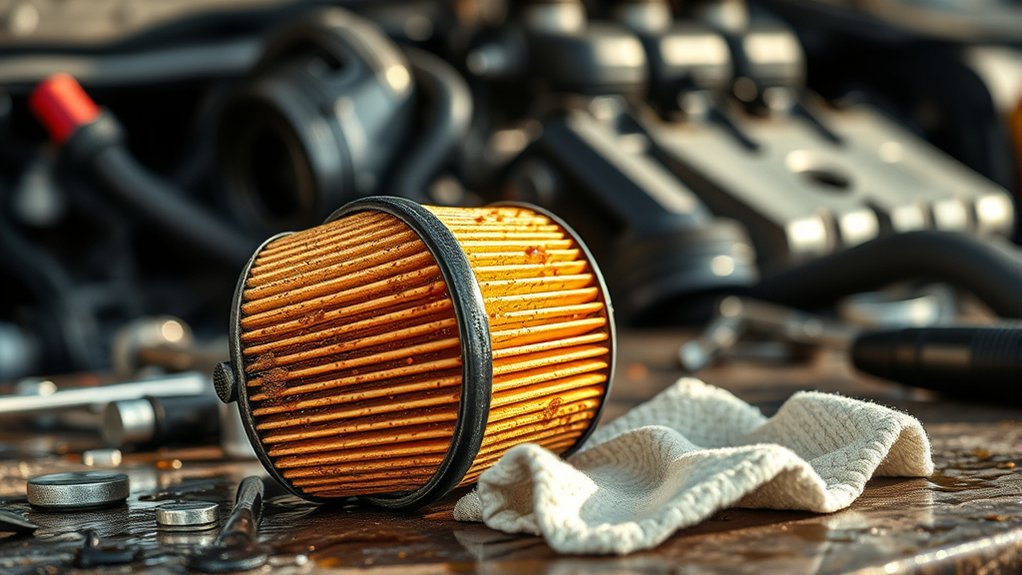
Can You Reuse an Oil Filter
Just like you wouldn’t reuse a disposable respirator, you shouldn’t reuse an oil filter. Reusing an oil filter might seem like a simple way to save money, but the risks of residual contaminants and compromised filter media are significant.
Understanding why oil filters are designed for single use is essential if you want to avoid costly engine damage. Let’s examine the factors that make reusing an oil filter a risky proposition.
Key Takeaways
- Reusing oil filters is generally unsafe due to residual contaminants and compromised filter media reducing filtration efficiency.
- Manufacturer guidelines typically prohibit reuse to prevent engine damage and maintain warranty validity.
- Thorough inspection of external condition, seals, and internal media is required before considering reuse, but passing all criteria is rare.
- Cleaning filters for reuse is a myth and does not restore proper filtration or remove embedded contaminants.
- Proper disposal and replacement with high-quality filters ensure optimal engine health and environmental compliance.
Why Oil Filters Matter for Your Car
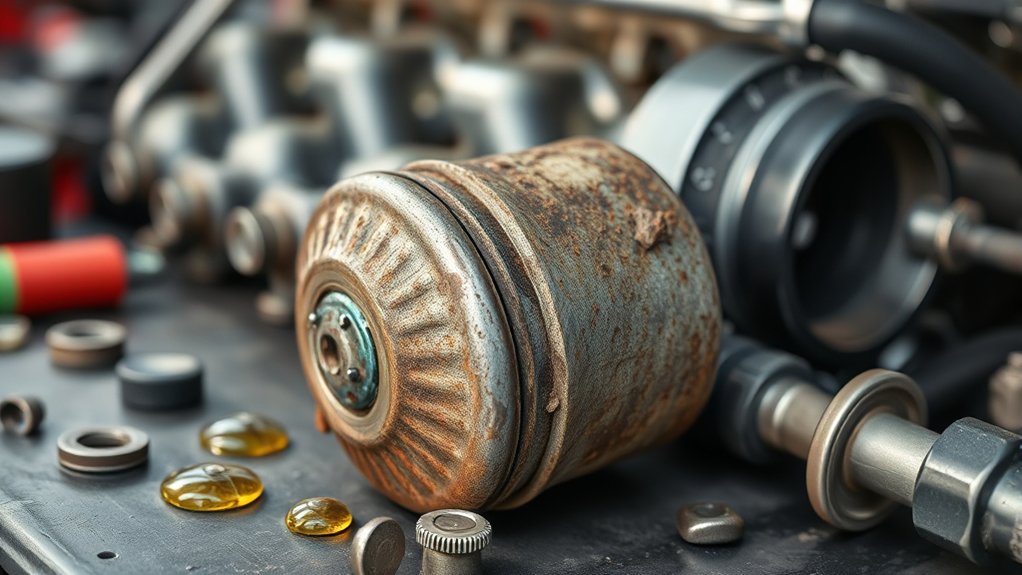
Why does your car need an oil filter? It’s essential for maintaining engine health by trapping contaminants like metal particles and dirt from the oil circulation. Without a properly functioning oil filter, these impurities can cause wear and damage, reducing engine efficiency and lifespan.
When considering oil filter maintenance, you might encounter the terms recycling filters and reusing filters. Recycling filters involves processing used filters to recover valuable materials, reducing environmental impact. Reusing filters, however, is more complex and depends on the filter’s condition and manufacturer’s guidelines.
Understanding why oil filters matter helps you appreciate the balance between ensuring clean oil flow and making responsible choices about filter disposal or reuse. Proper filter care directly supports optimal engine performance and longevity.
Is It Safe to Reuse an Oil Filter?
While understanding the importance of oil filters helps you maintain engine health, questions often arise about whether you can safely reuse an oil filter. Reusing oil filters isn’t recommended due to potential contamination and reduced filtering efficiency.
Unlike an unrelated topic, say how to juggle flaming torches, a reused oil filter compromises engine protection, which isn’t a humorous angle to consider.
| Factor | New Filter | Reused Filter |
|---|---|---|
| Filtration Efficiency | High | Decreased |
| Contamination Risk | Minimal | Elevated |
| Structural Integrity | Guaranteed Intact | Possibly Compromised |
To keep your engine running optimally, always opt for a new oil filter rather than taking risks with a reused one.
How to Know If You Can Reuse an Oil Filter
To determine if you can reuse an oil filter, start by inspecting its condition for damage or clogging. Always check the manufacturer’s guidelines for specific reuse recommendations.
Additionally, consider how many cycles the filter has already undergone, as usage limits affect performance and safety.
Filter Condition Check
How can you determine if an oil filter is still fit for reuse? Begin by inspecting the filter’s external condition: check for dents, corrosion, or damage to the housing.
Next, examine the sealing gasket for cracks or hardening, as these compromise the filter’s ability to maintain a proper seal. Internally, assess the filter media for clogs, tears, or saturation with contaminants; compromised media reduces filtration efficiency and can negatively impact engine performance.
Pay attention to any signs of oil bypass, which indicates a malfunctioning filter. Using reused filters that fail these checks can reduce fuel efficiency and increase engine wear. Only filters passing this thorough condition check should be considered for reuse to ensure optimal protection and performance.
Manufacturer Recommendations
Why should you always consult the manufacturer’s guidelines before deciding to reuse an oil filter? Manufacturer recommendations provide critical information tailored to the specific filter design and materials. Ignoring these guidelines risks overlooking manufacturer warnings about filter lifespan and structural integrity, which directly affect performance.
Using a filter beyond its intended service can lead to filtration failure, engine damage, and increased wear. Additionally, reusing an oil filter contrary to manufacturer instructions may void your vehicle’s warranty, exposing you to costly repairs.
To ensure compliance, review the product manual or official documentation for any explicit reuse prohibitions or conditions. Following manufacturer recommendations not only preserves engine health but also protects you from warranty implications linked to improper maintenance practices.
Always prioritize these technical specifications before reusing an oil filter.
Usage Frequency Limits
After reviewing manufacturer guidelines, you need to assess the oil filter’s usage frequency to determine if it can be safely reused. Usage limits are critical to maintaining engine protection and avoiding contamination. The filter lifespan depends on operating conditions, oil type, and engine load.
Consider these factors to evaluate reuse feasibility:
- Mileage or Hours Used: Compare the filter’s total mileage or operational hours to the recommended maximum usage limits. Exceeding these reduces filtration efficiency.
- Oil Change Intervals: Reuse is only advisable if the filter has been used within a single oil change cycle without signs of clogging or damage.
- Visual and Functional Inspection: Check for physical wear, deformation, or compromised sealing which indicate the filter’s end of life.
If the filter surpasses any usage limits or shows deterioration, replace it to ensure optimal engine performance.
What Can Go Wrong If You Reuse an Oil Filter
If you reuse an oil filter, you risk clogging its media, which reduces oil flow and filtration efficiency. This can cause contaminants to circulate in your engine, increasing wear and potential damage.
Ignoring these risks compromises engine performance and longevity.
Filter Clogging Risks
How does reusing an oil filter impact your engine’s performance? Reusing an oil filter can lead to filter clogging, which restricts oil flow and reduces filtration efficiency. When the filter media becomes clogged, the filter bypass valve engages to maintain oil circulation, but this allows unfiltered oil to enter the engine, increasing wear risk.
Here are three key filter clogging risks you face:
- Reduced Oil Flow: Clogging increases resistance, lowering oil pressure and impairing lubrication.
- Filter Bypass Activation: Bypass valve opens prematurely, letting contaminants bypass filtration.
- Contaminant Accumulation: Residual debris in reused filters can exacerbate clogging and contamination.
Avoiding filter clogging by using a new oil filter ensures optimal engine protection and consistent oil flow, preventing potential mechanical issues.
Engine Damage Potential
What risks do you expose your engine to by reusing an oil filter? Primarily, you compromise the oil filtration system’s integrity, which can lead to inadequate removal of contaminants. A reused filter may have clogged or damaged filtering media, allowing dirt and debris to circulate within the engine.
This contamination accelerates wear on critical engine components, such as bearings, pistons, and camshafts. Over time, poor oil filtration increases friction, heat, and corrosion, significantly raising the likelihood of engine damage. Additionally, a compromised filter might rupture or bypass oil altogether, causing oil starvation.
This scenario can lead to catastrophic engine failure. To avoid these risks, always install a new, high-quality oil filter during oil changes, ensuring optimal oil filtration and protecting your engine’s longevity.
Cost-Effective Alternatives to Reusing Oil Filters
Why settle for reusing oil filters when several cost-effective alternatives offer better performance and reliability? Reusing filters can cause issues with incompatible lubricants and complicate disposal considerations. Instead, consider these options:
- High-Quality OEM Filters: These ensure optimal filtration efficiency, compatible with your engine’s specific lubricant, reducing wear and contamination risks.
- Recyclable Aftermarket Filters: Designed for easy recycling, these filters address environmental concerns while maintaining cost-effectiveness.
- Extended-Life Filters: Utilizing advanced media, they provide longer service intervals, reducing replacement frequency and total cost.
Best Practices for Oil Filter Maintenance
While exploring alternatives to reusing oil filters can improve performance and cost-efficiency, maintaining any filter properly guarantees it functions at its best. You should replace oil filters according to manufacturer guidelines, as worn or clogged filters reduce engine efficiency.
Inspect filter materials regularly. Synthetic fibers typically outperform cellulose in trapping contaminants. Avoid falling for recycling myths that suggest you can simply clean and reuse filters; residual contaminants and compromised filter media make this unsafe.
Regularly inspect filters; synthetic fibers trap contaminants better than cellulose, and cleaning filters for reuse is unsafe.
Proper disposal and replacement preserve engine health and environmental standards. When handling filters, ensure seals are intact to prevent leaks. Using high-quality filters and adhering to scheduled maintenance cycles will maximize filtration efficiency, protect engine components, and maintain optimal lubrication flow.
Consistent maintenance outperforms any shortcut, ensuring your vehicle runs smoothly and reliably.
Frequently Asked Questions
What Materials Are Oil Filters Typically Made From?
Oil filters typically use steel or aluminum for the outer casing, cellulose or synthetic fibers for the filter media, and rubber for seals. These filter materials ensure durability and efficiency, which are essential in the filter design for peak performance.
How Do Oil Filters Differ Between Car Brands?
Think of oil filters as a brand’s signature tune; their brand-specific filter media vary in design and efficiency. This directly impacts your engine’s protection and influences warranty implications you must consider when choosing the right filter for your car.
Can Oil Filters Affect Engine Performance?
Yes, reusing oil filters can negatively affect engine performance by reducing filtration efficiency and increasing contamination risk. You should always replace filters to ensure optimal oil flow and prevent engine wear or damage.
How Long Has the Oil Filter Been in Use Historically?
You’ll find oil filters have been in use since the early 20th century, evolving through filter material evolution and reformulation history. This progression has improved efficiency and durability to meet modern engine demands with advanced synthetic and cellulose blends.
Are There Eco-Friendly Oil Filter Disposal Methods?
Yes, you can practice eco-friendly disposal by taking used oil filters to recycling centers specializing in filter recycling. They safely extract residual oil and recycle metal components, reducing environmental impact while complying with hazardous waste regulations.
Conclusion
Reusing an oil filter is like relying on a cracked dam to hold back a flood—risky and unwise. Even if it looks fine, residual contaminants and degraded materials can harm your engine’s health.
To ensure optimal performance and longevity, always replace your oil filter with a new, high-quality one. This simple step protects your engine, maintains efficient lubrication, and aligns with manufacturer guidelines and environmental standards.
Don’t compromise—choose safety and reliability every time. When it comes to engine care, reusing an oil filter is never the right choice.