How to Fix Tonneau Cover Velcro
If your tonneau cover Velcro isn’t holding like it used to, you’ll want to address the issue before it worsens. Start by inspecting for dirt, debris, or worn adhesive that can compromise the grip.
Simple cleaning might restore function, but sometimes residue removal and replacement are necessary.
Understanding when and how to intervene ensures your cover stays secure and durable under regular use.
Key Takeaways
- Clean Velcro hooks and loops with a soft brush and mild soap to remove dirt and debris reducing adhesion.
- Realign Velcro strips to ensure full contact and avoid detachment due to misalignment.
- Use rubbing alcohol on a cloth to clean oils and restore stickiness without soaking the material.
- Replace worn or flattened Velcro strips if cleaning and realignment fail to restore grip.
- Press Velcro firmly after cleaning or replacement and allow adhesive to cure undisturbed for at least 24 hours.
How to Tell When Your Tonneau Cover Velcro Needs Fixing
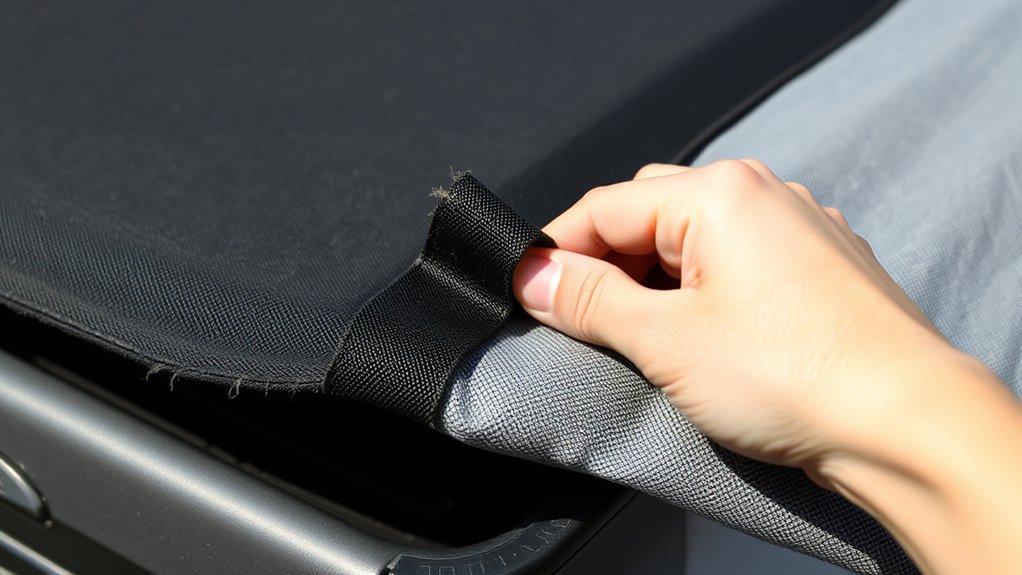
How do you know when your tonneau cover Velcro needs fixing? First, check if the Velcro fails to securely hold the cover in place or if it peels away easily under mild tension. Wear and loss of grip indicate that the hook-and-loop fasteners have degraded.
Pay attention to accumulated dirt or debris that modern tech trends in material science suggest can reduce adhesion over time. Unlike urban farming setups that rely on consistent protective covers, your truck bed requires reliable Velcro to prevent water and dust ingress.
Compare the Velcro’s performance against a new strip. If you notice frayed edges, flattened hooks, or diminished stickiness, it’s time for repair or replacement. Promptly addressing these signs ensures your cover functions optimally, protecting your cargo effectively.
Cleaning Dirt and Debris From Tonneau Cover Velcro
Where does dirt and debris hide within your tonneau cover Velcro? It accumulates deep in the hooks and loops, reducing adhesion and causing wear. To clean it effectively, follow these steps:
- Use a soft brush or fine-toothed comb to loosen trapped particles.
- Apply a mild, eco friendly cleaning solution to avoid chemical damage.
- Rinse gently with lukewarm water, considering temperature effects that can warp Velcro fibers.
- Allow the Velcro to air dry completely before reattaching.
Avoid harsh scrubbing or high heat, as they degrade Velcro’s grip. Regular cleaning restores functionality, prolonging your tonneau cover’s life while keeping it environmentally safe and performance-ready.
Removing Old Adhesive Residue Safely From Velcro Strips
You’ll need to remove old adhesive residue carefully to keep the Velcro functional. Use solvents like rubbing alcohol or adhesive removers sparingly to avoid damaging the hooks and loops.
Always test your chosen method on a small area first to protect the Velcro during cleaning.
Effective Adhesive Removal Methods
Why does old adhesive residue stubbornly cling to your tonneau cover’s Velcro strips? The adhesive bonds tightly to the fabric loops and hooks, resisting simple wiping. To remove it effectively without damaging the Velcro, follow these steps:
- Apply isopropyl alcohol to a cloth; it softens adhesive without soaking the fabric.
- Gently rub the residue; don’t saturate to avoid undefined damage.
- Use a plastic scraper or credit card to lift softened adhesive carefully.
- Clean the area with mild soap and water to remove leftover solvent.
Avoid unrelated topic solvents like acetone as they can degrade Velcro fibers. Stick to controlled, targeted removal methods to restore functionality without compromising the material.
Protecting Velcro During Cleaning
How can you protect your tonneau cover’s Velcro strips while removing old adhesive residue? First, avoid harsh chemicals that degrade the Velcro’s hook-and-loop structure. Instead, use isopropyl alcohol applied sparingly with a soft cloth to dissolve adhesive without damaging fibers.
Gently scrape off residue with a plastic scraper to prevent Velcro wear. After cleaning, ensure Velcro dries completely to maintain adhesive strength. Proper cleaning extends Velcro life, contributing to recycling plastic waste by reducing premature replacement.
When reinstalling, optimize storage by keeping Velcro strips clean and free of debris to maintain their grip. Following these steps safeguards Velcro performance and promotes sustainability by minimizing plastic waste through careful maintenance and effective residue removal techniques.
How to Restore Velcro Grip Without Replacing It
When did your tonneau cover’s Velcro last hold as firmly as it did new? Restoring its grip without replacing it can save you time and money, especially considering Velcro cost considerations. Start by removing debris and lint trapped in the hooks using a fine-tooth comb or tweezers.
Next, gently brush the hooks with a stiff nylon brush to realign fibers. Third, apply a small amount of rubbing alcohol to clean any oils or dirt compromising adhesion. Lastly, press the Velcro firmly against its loop counterpart several times to reactivate the grip.
While restoring, keep tips for Velcro color matching in mind if you plan future touch-ups, ensuring consistency without full replacement. These steps help maintain function and appearance efficiently.
Choosing the Right Replacement Velcro for Your Tonneau Cover
If restoring your tonneau cover’s Velcro grip doesn’t deliver the hold you need, selecting the right replacement Velcro becomes necessary. Start by choosing reversible Velcro if you want flexibility; it allows attachment and detachment from both sides, enhancing usability.
When restoring your tonneau cover’s grip fails, reversible Velcro offers versatile attachment and easy removal.
Next, consider the adhesive backing. Opt for a strong, weather-resistant color matching adhesive to ensure the Velcro blends seamlessly with your cover’s fabric and withstands outdoor exposure. Measure the width and length carefully to match your original Velcro strips for a secure fit.
Avoid generic options; specialized automotive-grade Velcro offers better durability and grip. Prioritize materials designed to resist moisture, UV rays, and temperature fluctuations to maintain performance.
Selecting the right type and adhesive ensures your replacement Velcro lasts longer and keeps your tonneau cover firmly secured.
How to Remove and Replace Worn Tonneau Cover Velcro
Wondering how to efficiently remove and replace worn Velcro on your tonneau cover? Start by avoiding unrelated topic tangents or random discussion that can waste time. Focus strictly on the task:
- Peel off the old Velcro slowly to prevent damaging the fabric beneath.
- Use adhesive remover or rubbing alcohol to clean residual glue thoroughly.
- Allow the surface to dry completely before proceeding.
- Prepare the area for new Velcro installation (covered in the next section).
Applying New Velcro for Strong, Lasting Adhesion
Applying new Velcro requires careful surface preparation and precise alignment to guarantee strong, lasting adhesion. Start by cleaning the mounting surface thoroughly with isopropyl alcohol to remove oils and debris, ensuring the adhesive bonds well.
Check adhesive compatibility between the Velcro tape and your tonneau cover material to prevent peeling. When applying, position the Velcro carefully to maintain proper tension and avoid wrinkles.
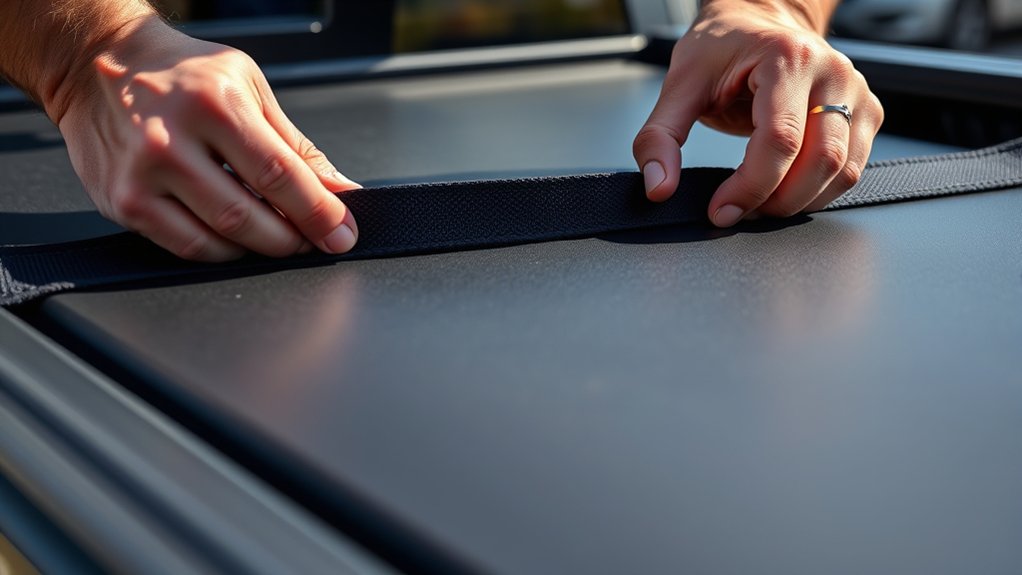
Press firmly along the entire length to secure the bond. Allow the adhesive to cure undisturbed for at least 24 hours before use.
Store any unused Velcro in a dry, cool place to preserve adhesive strength; proper Velcro storage prevents premature degradation. These steps ensure your tonneau cover Velcro remains durable and reliable under regular use.
Preventing Your Tonneau Cover Velcro From Losing Stickiness
Ensuring your tonneau cover Velcro sticks well starts with proper application, but maintaining that stickiness requires consistent care. To prevent your Velcro from losing adhesion, follow these steps:
Proper application and consistent care are key to keeping your tonneau cover Velcro securely attached.
- Clean both surfaces regularly, removing dirt and oils that weaken the bond.
- Avoid exposing Velcro to extreme temperatures or moisture, which degrade adhesive strength.
- Refrain from pairing Velcro with unrelated topic materials or random pairing of incompatible adhesives that reduce effectiveness.
- Store the cover rolled or folded without compressing the Velcro, preserving its hook-and-loop integrity.
Troubleshooting Common Tonneau Cover Velcro Problems
How do you identify and resolve common issues with your tonneau cover Velcro? First, check for debris like dirt or tomato soup spills that can clog hooks and loops, reducing grip. Clean the Velcro by gently brushing with a stiff brush or using compressed air.
If the Velcro feels weak, inspect for worn or flattened hooks; these often need replacement. Occasionally, a blue moon problem occurs where the Velcro detaches due to misalignment. Realign the strips to ensure full contact.
Avoid using excessive force, which damages the hook structure. If cleaning and realigning don’t restore stickiness, replace the Velcro strips entirely. Address these issues promptly to maintain a secure seal and protect your truck bed effectively.
Maintaining Your Tonneau Cover Velcro for Long-Lasting Use
Once you’ve addressed common Velcro issues like debris buildup or misalignment, keeping your tonneau cover Velcro in good shape comes down to regular care. Follow these maintenance tips to ensure durability and optimal performance:
- Clean the Velcro regularly using a soft brush or compressed air to remove dirt without damaging the hooks or loops.
- Avoid harsh chemicals; instead, use mild soap and water, considering material compatibility to prevent degradation.
- Inspect for wear or fraying; replace sections as needed to maintain secure fastening.
- Store the cover properly when not in use, keeping Velcro surfaces separated to prevent unwanted adhesion.
Frequently Asked Questions
Can Weather Conditions Affect Tonneau Cover Velcro Performance?
Yes, weather conditions affect your tonneau cover Velcro’s performance. Moisture and dirt reduce its weather resistance, and incompatible materials worsen adhesion.
You should regularly clean and ensure material compatibility to maintain optimal Velcro function.
Are There Specific Tools Needed for Velcro Repairs?
You know what they say: “A stitch in time saves nine.” For your repair steps, basic tools needed include scissors, a sewing needle, thread, and replacement Velcro strips. These guarantee a durable, precise fix.
How Long Does Velcro Adhesive Typically Last on Tonneau Covers?
You’ll find velcro durability on tonneau covers typically lasts 1 to 3 years, depending on adhesive longevity, exposure to weather, and usage.
Regular inspection helps maintain secure attachment and prevents premature adhesive failure.
Can Velcro Damage the Tonneau Cover Material?
Like a double-edged sword, Velcro can damage your tonneau cover if you’re not careful. Follow care tips like gentle removal and avoid excessive adhesive use to guarantee material safety.
These steps will help prolong your cover’s lifespan effectively.
Is It Possible to Waterproof Velcro on a Tonneau Cover?
Yes, you can waterproof Velcro on a tonneau cover using waterproofing sprays or seam sealers. These waterproofing strategies protect adhesive longevity, ensuring the Velcro stays functional and resistant to moisture over time.
Conclusion
Maintaining your tonneau cover Velcro is essential since 80% of adhesion failures stem from dirt and residue buildup. By regularly cleaning and properly aligning the Velcro strips, you guarantee a secure, lasting grip.
If needed, safely remove old adhesive and apply automotive-grade replacements for top performance. Consistent upkeep not only prevents frequent replacements but also saves you time and money, keeping your cover functional and your cargo protected.
Don’t overlook these simple yet effective steps to fix tonneau cover Velcro and ensure your cover remains secure and reliable.