Can You Use a Truck Tent With a Tonneau Cover
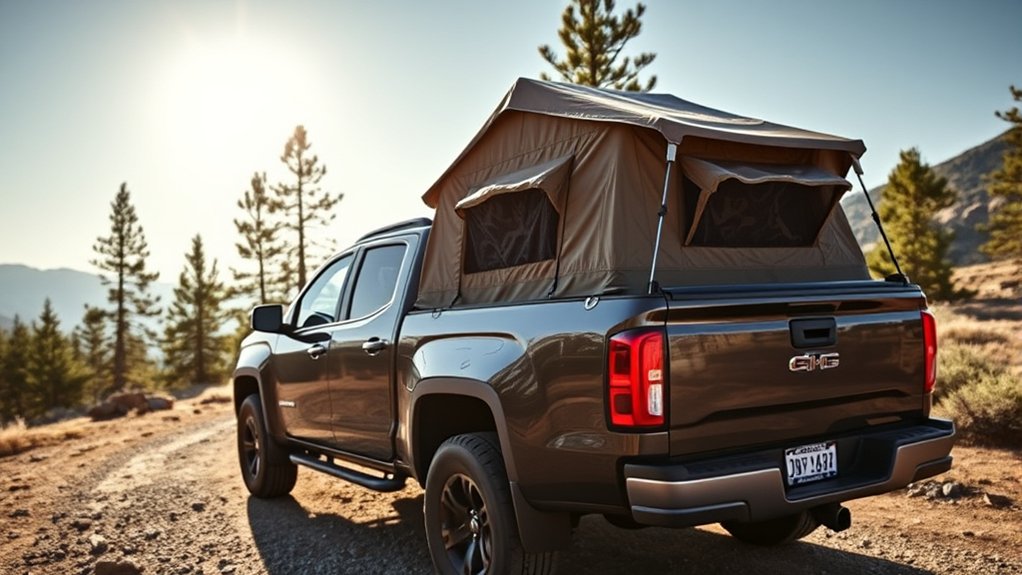
Using a truck tent with a tonneau cover can feel like fitting a square peg into a round hole if you don’t know which components work together. It’s important to consider the type of tonneau cover, its mounting system, and how it impacts tent stability and waterproofing.
Some setups blend seamlessly, while others require adjustments or compromises. Before you commit, it’s crucial to understand these factors to avoid damage or discomfort.
Key Takeaways
- Truck tents can be used with tonneau covers if the cover is securely flush and compatible with tent base alignment. This helps avoid damage or gaps.
- Soft tonneau covers are preferred due to their flexible material and low-profile frames. These features reduce mounting interference.
- Hard tonneau covers pose challenges like rigid surfaces, sealing gaps, and limited anchor flexibility. These factors complicate tent installation.
- Folding tonneau covers offer versatile compatibility by allowing partial folding for access. They also reduce mounting stress on both tent and cover.
- Proper setup includes securing tent straps to stable bed points, using protective layers, and testing stability. This ensures safe, weather-tight use.
Can You Use a Truck Tent With a Tonneau Cover?
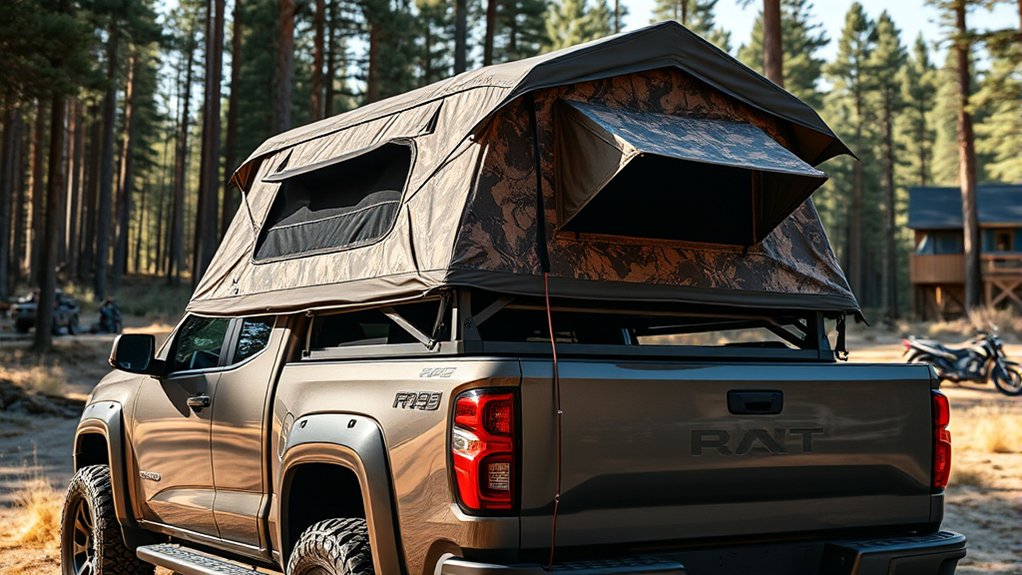
How exactly can you use a truck tent with a tonneau cover? You’ll first ensure the tonneau cover is fully secured and flush with the truck bed edges to maintain area safety, preventing gaps where insects or debris could enter.
Since most truck tents mount on the truck bed rails, having a closed tonneau cover changes the attachment dynamics. You must check the tent’s base aligns correctly without forcing or damaging the cover.
Weatherproofing concerns are critical here. Tonneau covers aren’t inherently designed to support additional weight or pressure from tents, so you’ll want to verify the tent’s waterproof seals integrate well with the cover to avoid leaks. Proper setup minimizes stress on the cover and maintains a safe, weather-tight camping environment.
Which Tonneau Covers Work Best With Truck Tents
You’ll find soft tonneau covers generally work best with truck tents because their flexible material accommodates tent attachments without causing damage.
Hard covers often present challenges due to their rigid surface and locking mechanisms that interfere with tent mounting. Folding covers strike a good balance, offering versatility and easier access while maintaining compatibility with most truck tent designs.
Soft Tonneau Cover Compatibility
Which soft tonneau covers pair best with truck tents depends largely on their design and mounting system. You’ll want to look for soft tonneau covers that use a low-profile frame with minimal rails, as these reduce interference with the tent’s base.
Roll-up or tri-fold soft covers made of flexible, weather-resistant materials generally offer better compatibility because they can be partially or fully removed to accommodate the tent’s footprint. Pay attention to how the cover attaches. Clamps or snaps that secure tightly to the truck bed’s edges work best, avoiding bulk that obstructs tent installation.
If you’re facing soft tonneau compatibility questions, focus on covers that maintain bed accessibility and don’t require permanent removal. This approach ensures a stable, secure setup without damaging either the cover or your truck tent.
Hard Tonneau Cover Challenges
Although hard tonneau covers offer superior security and weather protection compared to soft covers, they often present significant challenges when used with truck tents. The rigid structure complicates hardcover integration, affecting how securely the tent anchors and aligns.
You must also consider rainproof sealing since improper fitment can lead to leaks where the tent meets the cover. Key challenges include:
- Limited flexibility for mounting tent anchors due to solid panels
- Potential gaps compromising rainproof sealing at connection points
- Increased difficulty in folding or removing the cover with the tent installed
- Compatibility issues with tent designs that require soft, pliable surfaces
To use a hard tonneau cover effectively, ensure your tent model explicitly supports hardcover integration and check for customizable sealing options to maintain waterproof integrity.
Folding Covers Versatility
Hard tonneau covers often restrict how truck tents attach and seal, but folding covers offer a more adaptable alternative. When considering truck tent basics, folding tonneau covers, typically made from soft, flexible materials divided into multiple panels, provide better tonneau compatibility.
Their segmented design lets you fold back sections, creating easier access points and a more secure seal for your tent’s base. This flexibility ensures that you can adjust the cover without removing it entirely, maintaining weather resistance while setting up your tent.
Additionally, folding covers reduce stress on mounting points, which helps preserve both the tent and cover’s integrity. If you want practical, efficient compatibility between your truck tent and tonneau, folding covers are your best bet for a seamless, secure fit.
How to Set Up a Truck Tent on a Covered Truck Bed
Setting up a truck tent on a covered truck bed requires careful preparation to guarantee stability and protect both the tent and the cover. Start by inspecting the tonneau cover for a flat, secure surface. Next, position your truck tent evenly, aligning its base with the truck bed’s edges.
Use these steps for an efficient setup:
- Lay a protective layer, like a tarp, between the tent floor and tonneau cover to prevent abrasion.
- Secure the tent’s straps or clamps to stable points on the truck bed frame, avoiding direct attachment to the tonneau cover.
- Adjust tension evenly on all sides to maintain structural integrity.
- Test the setup by gently pulling on the tent corners to ensure it won’t shift.
This two word discussion ideas approach ensures you address this subtopic not relevant to other h2s.
Tips for Comfort and Stability When Using Both
Where should you focus to maximize comfort and stability when using a truck tent with a tonneau cover? First, ensure your tonneau compatibility by selecting a cover that supports weight and provides a flat, secure surface. This foundation is critical for maintaining the structural integrity of your setup.
Next, leverage the truck tent benefits by using adjustable straps and reinforced anchor points to minimize movement and sway during wind or rain. Add a padded mattress or foam layer between the tent floor and the tonneau cover to improve comfort and insulation.
Finally, check that all zippers and seams align properly to prevent water ingress. By prioritizing these technical details, you’ll create a stable, comfortable environment that fully exploits the advantages of combining a truck tent with a tonneau cover.
Common Challenges When Combining Truck Tents and Covers
Why do some users struggle when combining truck tents with tonneau covers? The core issue lies in the conflicting functions of these components on the truck bed. A tonneau cover aims to create a flat, secure surface, while a truck tent requires attachment points and clearance for proper tent setup.
Combining truck tents and tonneau covers is tricky due to their opposing purposes on the truck bed.
Common challenges you’ll face include:
- Limited anchor points for tent straps due to the cover’s rigid surface
- Difficulty achieving a tight tent setup because the cover can flex or shift
- Reduced usable truck bed depth, affecting tent size compatibility
- Potential damage to the tonneau cover from tent stakes or tension
Understanding these challenges helps you anticipate setup issues and adjust your approach for a stable, secure camping experience.
Alternatives When Your Tonneau Cover Isn’t Compatible
If your tonneau cover doesn’t accommodate a truck tent, you’ll need to explore alternative solutions that maintain both functionality and protection. One useful alternative is removing the tonneau cover entirely and opting for a bed extender or cargo rack to secure gear while using the truck tent.
Another option is switching to a folding or retractable tonneau cover specifically designed with compatibility considerations for truck tents, ensuring proper fit and clearance. You might also consider a camper shell or canopy, which offers a rigid structure compatible with most truck tents.
When evaluating these alternatives, focus on load capacity, ease of installation, and weather resistance. Prioritize compatibility considerations to avoid damage and maintain the integrity of both your truck bed and tent setup.
Frequently Asked Questions
How Do Truck Tents Affect Fuel Efficiency?
You’ll notice truck tents disrupt truck aerodynamics, increasing drag and causing fuel tradeoffs. This means your fuel efficiency drops, especially at higher speeds.
Plan for slightly higher fuel consumption when using a truck tent.
Can Truck Tents Be Used in Extreme Weather Conditions?
You can use truck tents in extreme weather if they’re designed with durable, waterproof materials and strong frames.
Keep in mind, extreme weather setups may reduce fuel efficiency due to added weight and wind resistance during travel.
What Maintenance Is Required for Truck Tents?
Think of your truck tent as a garden; your maintenance checklist includes regular inspections for tears, seam sealing, and waterproofing.
Follow cleaning tips by using mild soap, soft brushes, and drying thoroughly to prevent mold and extend durability.
Are Truck Tents Waterproof or Water-Resistant?
Truck tents are typically water-resistant, not fully waterproof. You’ll want to check waterproof testing results and ensure fabric seams are sealed properly to prevent leaks, especially during heavy rain or extended outdoor use.
Can You Use a Truck Tent With a Camper Shell?
You can use a truck tent with a camper shell, but ensure truck tent compatibility by checking shell height and attachment points.
Camper shell considerations include ventilation, fit, and sealing to prevent moisture buildup inside your setup.
Conclusion
You can think of using a truck tent with a tonneau cover like fitting a puzzle piece—you need the right shape for a seamless fit. Soft, low-profile covers usually click into place with your tent, while hard covers might block the connection.
Just like a mechanic ensures every bolt fits perfectly for safety, you need to secure anchors to the bed frame, protect your cover, and test stability.
With careful setup, you’ll camp comfortably without leaks or fuss. Using a truck tent with a tonneau cover is definitely possible when done correctly.