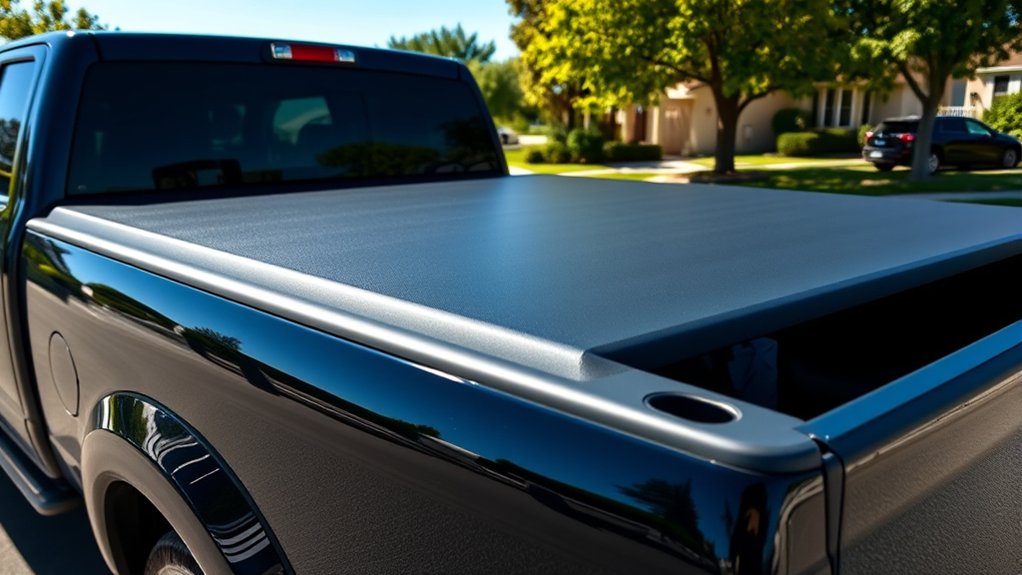
Can You Drive With Tonneau Cover up
You might not realize that driving with a tonneau cover up is generally allowed, but it comes with essential safety and legal considerations.
Securing the cover properly is vital to avoid accidents or fines.
Different types of covers can impact visibility, fuel efficiency, and cargo protection in various ways.
Understanding these factors can help you decide if keeping your cover closed on the road is the right choice for your daily driving needs.
Key Takeaways
- You can drive with a tonneau cover up if it is securely fastened to prevent detachment or damage during travel.
- Ensure the cover does not obstruct rearview visibility to maintain safe driving conditions.
- Avoid placing heavy items on the cover as this can cause tears or compromise its integrity.
- Soft covers may flap in wind and cause distractions, while hard covers provide more stable protection.
- Check local laws to confirm that your tonneau cover complies with regional safety and fastening regulations.
What Is a Tonneau Cover and How Does It Work?
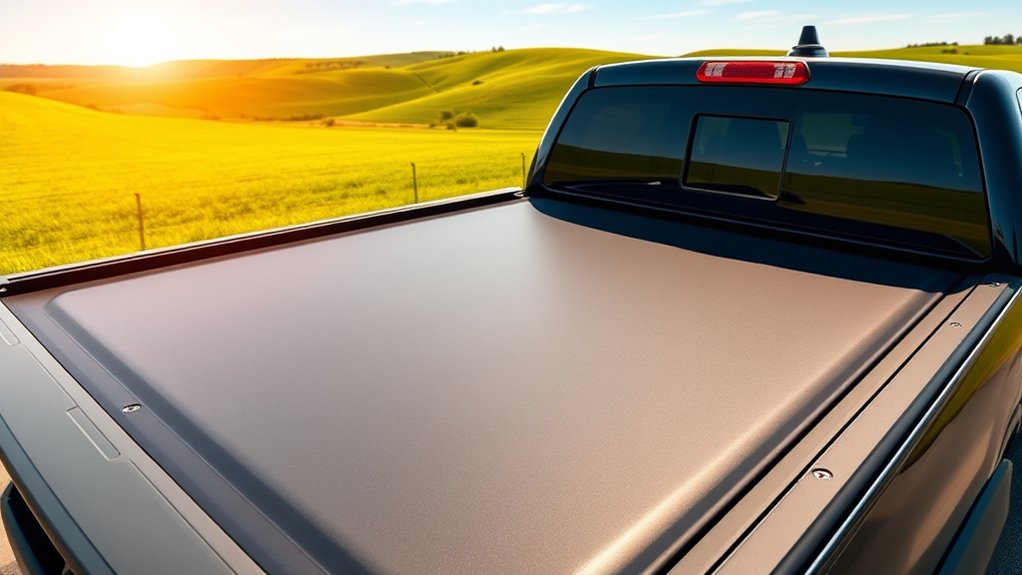
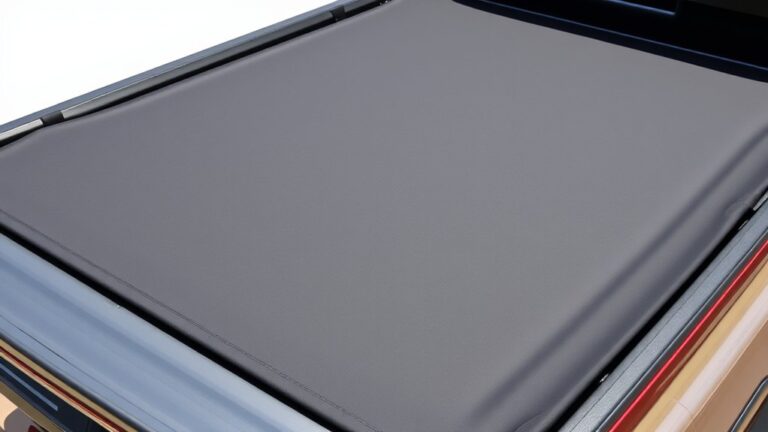
What exactly is a tonneau cover, and how does it function on your truck? A tonneau cover is a protective lid that fits over your truck bed, designed to shield cargo from weather and theft.
These covers come in various tonneau shapes, such as roll-up, folding, or hinged, each offering different levels of accessibility and security. Weather seals along the edges ensure a tight fit, preventing water, dust, and debris from entering the bed.
Tonneau covers come in roll-up, folding, or hinged styles, with weather seals for secure, weather-tight protection.
When you close the cover, these seals compress to create a barrier, enhancing protection. By streamlining the truck bed, tonneau covers also improve aerodynamics, potentially increasing fuel efficiency.
Understanding the specific tonneau shape and quality of weather seals helps you select the right cover for your needs, ensuring effective functionality.
Is It Safe and Legal to Drive With a Tonneau Cover Up?
You need to contemplate both safety and legal regulations when driving with a tonneau cover up. Ensuring the cover is securely fastened prevents hazards like debris flying out or obstructed visibility.
Additionally, some areas have specific laws about how covers must be used, so understanding local requirements is essential.
Safety Considerations While Driving
Although driving with a tonneau cover up is generally safe, you should consider several factors to ensure both safety and legal compliance. First, ensure the cover is securely fastened to prevent it from detaching while driving, which could distract you or other drivers.
Check that the cover doesn’t obstruct your rearview visibility, as impaired sightlines pose unrelated safety risks. Additionally, be mindful of weight limits; avoid placing heavy items on the cover, as this can cause damage or affect vehicle handling.
Regularly inspect the cover for wear or damage that might compromise its integrity during travel. By addressing these topic ideas, you can maintain safe driving conditions and reduce potential hazards associated with using a tonneau cover while on the road.
Legal Regulations and Requirements
Ensuring your tonneau cover meets legal standards is just as important as maintaining safety while driving. Depending on where you live, regulations may require your cover to be securely fastened and not obstruct your vehicle’s lights or license plate.
You should check local laws, especially in areas with strict urban planning codes, as these often dictate what modifications are permissible on vehicles to ensure public safety and efficient traffic flow. Properly installed tonneau covers can even boost crew morale for workers who rely on their trucks daily, knowing their equipment is safe and compliant.
How Do Different Types of Tonneau Covers Affect Safety and Legality?
When choosing between soft and hard tonneau covers, you’ll notice differences in durability and how they impact your rear visibility. Each type affects driving safety differently, especially in varying weather conditions or at night.
It’s also important to check local regulations, as laws on tonneau covers can vary widely depending on your region.
Soft vs Hard Covers
How do soft and hard tonneau covers differ in terms of safety and legality? Both types offer protection, but their materials and construction impact your vehicle’s compliance and security. Here’s what you should know:
- Soft cover: Made of flexible vinyl or fabric, it’s lightweight and easy to remove but may offer less theft resistance.
- Hard cover: Constructed from rigid materials like fiberglass or aluminum, providing stronger security and durability.
- Legal considerations: Most states allow driving with either cover up, but check local laws about secure fastening to prevent debris hazards.
- Safety impact: Hard covers generally maintain bed integrity better during accidents, while soft covers may tear or detach more easily.
Choose based on your priorities for security, convenience, and local regulations.
Visibility and Driving Safety
Why does the type of tonneau cover you choose matter for visibility and driving safety? Different covers impact your rearview visibility and how your truck handles various weather conditions.
Soft covers, like vinyl or fabric, tend to be lighter and may flap or shift in strong winds, potentially distracting you or other drivers. Hard covers often provide a more rigid, stable surface that resists weather effects like rain or snow accumulation, maintaining clearer sightlines.
Weather impact also plays a role in image aesthetics. Wet or dirty covers can obscure your rear view and reduce safety. Choosing a cover that balances durability with minimal visual obstruction ensures safer driving.
In general, you want a tonneau cover that doesn’t compromise your ability to see clearly behind you while withstanding weather challenges effectively.
Legal Regulations by Region
Because tonneau covers can boost your truck’s practicality and look, you should consider varying legal regulations across regions that govern their use. Different types of tonneau covers, such as soft roll-up, hard folding, or retractable, may influence safety compliance depending on local laws. Here’s what you should consider:
- Some states prohibit covers that obstruct rear visibility or license plate view.
- Regulations may differ for covers left up during transport versus folded down.
- Certain areas require covers to be securely fastened to prevent load spillage.
- Laws rarely address tonneau covers explicitly, so unrelated topic discussions can confuse enforcement.
Avoid off topic discussion by researching your region’s specific rules to ensure your tonneau cover use remains legal and safe, preventing fines or hazards.
How a Tonneau Cover Can Boost Your Truck’s Fuel Efficiency
Wondering if a tonneau cover really makes a difference in your truck’s fuel efficiency? Yes, it does. By reducing wind resistance, a cover smooths airflow over the bed, lowering drag. This means your engine works less hard, saving fuel.
Additionally, a tonneau cover helps optimize payload distribution by keeping cargo secure and evenly spread, which can improve handling and fuel economy.
| Aspect | Without Tonneau Cover | With Tonneau Cover |
|---|---|---|
| Wind Resistance | High turbulence in truck bed | Streamlined airflow |
| Payload Distribution | Cargo shifts freely | Secure and evenly distributed |
| Fuel Efficiency | Lower, due to drag | Improved, due to reduced drag |
| Average MPG Impact | Baseline | Up to 10% increase |
Using a tonneau cover is a practical way to boost fuel efficiency through better aerodynamics and payload management.
What Cargo Protection Does a Closed Tonneau Cover Offer?
How well does a closed tonneau cover protect your cargo? It offers substantial security and safeguards, making it a reliable choice for everyday use. In courier logistics, where protecting parcels during transit is crucial, a closed tonneau cover ensures your goods remain intact and out of sight.
Here’s what it provides:
1. Weather Protection
Shields cargo from rain, snow, and sun damage.
Protects your cargo from rain, snow, and harmful sun exposure for reliable weather resistance.
2. Theft Deterrence
Conceals items, reducing temptation for theft.
3. Debris Shielding
Prevents dirt, leaves, and road debris from damaging cargo.
4. Stability
Helps secure loads by reducing shifting during transit, unlike rooftop storage that exposes items.
Using a closed tonneau cover enhances your truck bed’s functionality by combining security and protection. This is essential for both personal and professional transport needs.
How to Secure Your Tonneau Cover Before You Drive
When preparing to drive with a tonneau cover, securing it properly is essential to guarantee safety and protect your cargo. Start by aligning the cover evenly over the truck bed, ensuring no gaps expose your items.
Fasten all latches or clamps firmly, as loose attachments can increase security risks by allowing theft or accidental opening. Check for any tears or wear that could compromise the cover’s integrity, especially if you expect adverse weather impact like rain or strong winds.
If your cover uses straps or snaps, confirm they’re tightly secured to prevent flapping during transit. Finally, give the cover a gentle tug to verify its stability. Taking these steps minimizes damage and security risks, ensuring your cargo stays safe and dry while you drive.
Common Problems When Driving With a Tonneau Cover Closed
What challenges might you face while driving with your tonneau cover closed? Despite enhancing tonneau aesthetics, certain issues can arise. You might notice:
- Wind Resistance: Some covers increase drag, affecting fuel efficiency.
- Water Accumulation: Poorly sealed covers can trap moisture, leading to rust.
- Limited Cargo Flexibility: Closed covers restrict hauling oversized items.
- Noise and Vibration: In racing applications, covers may flap or vibrate at high speeds.
Understanding these problems helps you balance style and function. While tonneau covers improve your truck’s look and protect cargo, they may introduce practical challenges, especially if you use your vehicle for racing or heavy-duty hauling.
Addressing these issues ensures you enjoy the benefits without compromising performance or durability.
Tips for Choosing the Right Tonneau Cover for Daily Driving
Choosing the right tonneau cover for daily driving requires balancing protection, convenience, and durability. You’ll want a cover that shields your cargo from weather and theft without complicating access. Look for materials like vinyl or aluminum that resist wear and tear.
Consider how easy it is to open and close. Manual covers offer simplicity, while retractable ones add quick access but might need more maintenance. Don’t get distracted by irrelevant topics or unrelated concepts like purely aesthetic features; focus on functionality that fits your driving habits.
Also, ensure the cover seals well to prevent debris intrusion but doesn’t interfere with your truck’s aerodynamics. By weighing these factors, you’ll pick a cover that enhances your daily driving experience without unnecessary hassle.
Troubleshooting and Maintaining Your Tonneau Cover for the Road
How can you keep your tonneau cover performing at its best during daily drives? Regular maintenance and prompt troubleshooting are key. While it might seem like an unrelated topic, addressing minor issues early prevents bigger problems later. Avoid letting random musings distract you from essential upkeep.
Regular maintenance and early troubleshooting keep your tonneau cover reliable and prevent bigger issues down the road.
Follow this checklist:
- Inspect seals and latches regularly for wear or damage to ensure a tight fit.
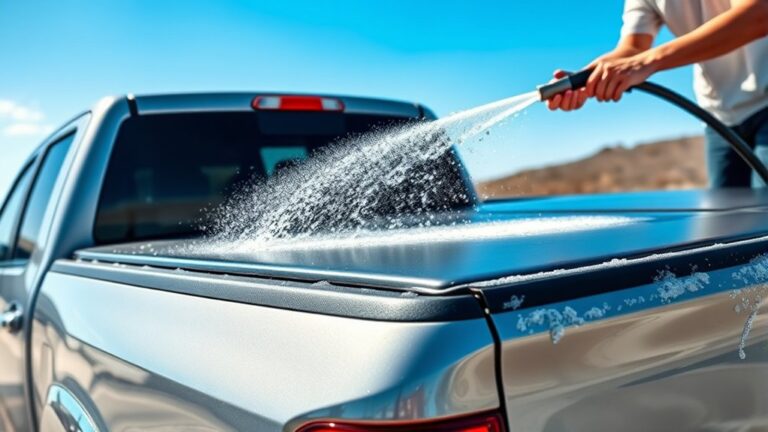
- Clean the cover with mild soap and water; avoid harsh chemicals that can degrade materials.
- Lubricate hinges and locks to maintain smooth operation and prevent rust.
- Check for proper tension and alignment, adjusting as needed to prevent flapping or gaps.
These steps help maintain functionality and extend your cover’s lifespan, ensuring safe, efficient driving with the tonneau cover up.
Frequently Asked Questions
Can a Tonneau Cover Be Installed Without Professional Help?
You can install a tonneau cover yourself since most models offer installation ease with clear instructions. Just ensure you follow steps carefully to maintain drive safety, securing it properly to avoid distractions or damage while driving.
Does a Tonneau Cover Affect Truck Bed Accessories Compatibility?
Like a puzzle piece fitting just right, a tonneau cover can limit bed access and direct wind flow, affecting some truck bed accessories’ compatibility.
You’ll want to check each accessory’s design before installation for best results.
How Does Weather Impact the Durability of a Tonneau Cover?
You’ll notice weather impact on your tonneau cover’s durability, especially from sun, rain, and snow. UV rays cause fading and cracking, while moisture leads to mold or rust.
Regular cleaning and protection are vital to avoid durability concerns.
Are There Any Warranties Typically Offered With Tonneau Covers?
Don’t worry about coverage. Most tonneau covers come with warranty coverage protecting against defects.
You’ll find maintenance requirements detailed in the warranty, helping you keep your cover in top shape without voiding the guarantee.
Can Tonneau Covers Be Customized With Logos or Designs?
Yes, you can customize tonneau covers with logo customization and design patterns. Many manufacturers offer personalized options, letting you showcase your brand or unique style while protecting your truck bed effectively and stylishly.
Conclusion
Driving with your tonneau cover up can be like adding a streamlined shield to your truck, offering protection and efficiency. Just make sure it’s securely fastened, doesn’t block your view, and meets legal standards.
Remember, the right cover—soft or hard—acts like a trusted guardian for your cargo, enhancing fuel economy while guarding against the elements. With proper care and attention, your tonneau cover becomes more than an accessory—it’s a practical partner on every journey.
In conclusion, you can drive with a tonneau cover up safely and effectively, as long as you follow these guidelines to ensure security and compliance.