Is Volkswagen Tiguan a Good Car
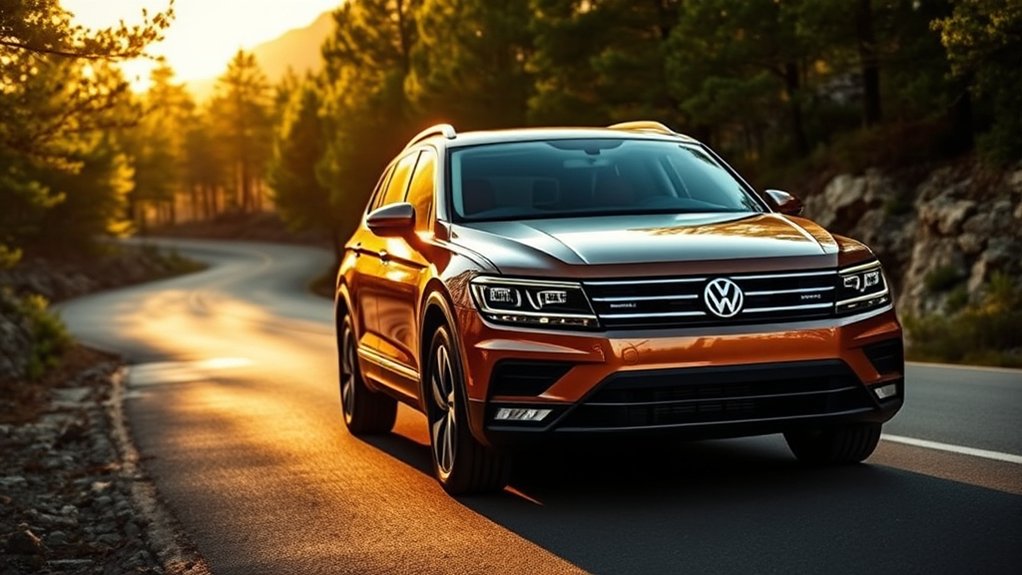
If you’re considering the Volkswagen Tiguan, you’ll want to weigh its blend of refined engineering, tech features, and interior comfort against potential reliability concerns and maintenance costs. The Volkswagen Tiguan’s turbocharged engines and mild hybrid options offer solid performance, while the digital cockpit and all-wheel drive enhance driving dynamics.
However, how well it holds up over time and compares to rivals in value and space might influence your decision more than the initial appeal suggests. Taking these factors into account will help you determine if the Tiguan is the right fit for your needs.
Key Takeaways
- The Volkswagen Tiguan blends engineering precision with modern tech, offering a turbocharged engine and mild hybrid options for efficiency and power.
- It provides a refined interior with high-quality materials, intuitive infotainment, and advanced connectivity like Apple CarPlay and Android Auto.
- While delivering precise steering and good acceleration, its firm suspension can reduce comfort on rough roads and increase cabin noise at high speeds.
- Reliability varies by model year, with potential costly repairs in transmission and electrical systems, requiring diligent maintenance for turbo and dual-clutch components.
- Positioned above mainstream rivals in price, it appeals to buyers valuing driving refinement and tech over maximum fuel efficiency or cargo space.
Why Is the Volkswagen Tiguan So Popular?
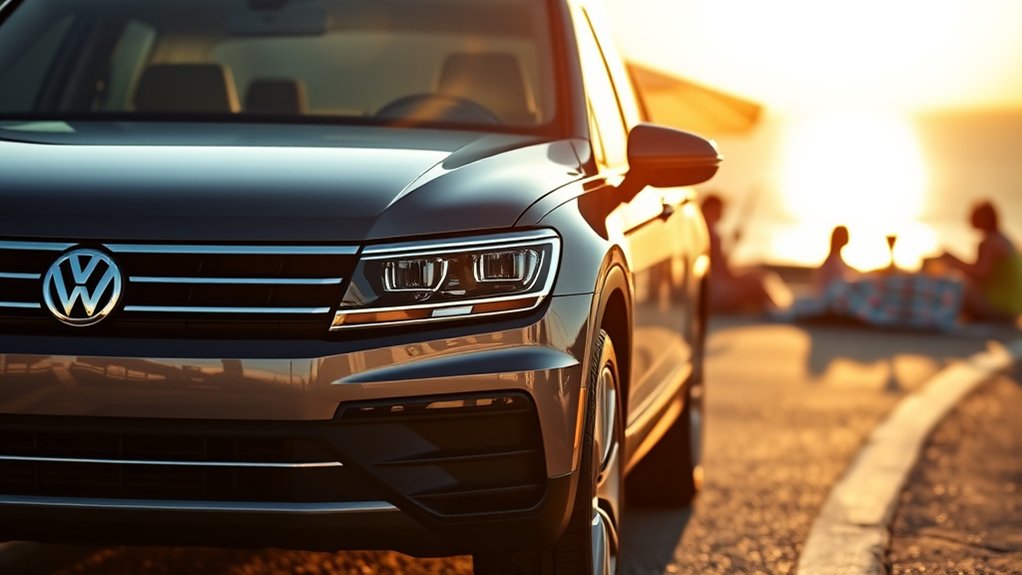
What makes the Volkswagen Tiguan stand out in a crowded compact SUV market? You’ll find it’s a blend of engineering precision and cultural relevance. The Tiguan’s design balances aerodynamic efficiency with spacious interiors, appealing to drivers who want both style and functionality.
Its turbocharged engine delivers responsive power while maintaining fuel efficiency, and Volkswagen has begun integrating alternative fuel options, like mild hybrid systems, catering to eco-conscious consumers. The Tiguan also benefits from frequent appearances in pop culture, enhancing its visibility and desirability among younger buyers.
Its infotainment system supports seamless smartphone integration, addressing modern tech demands. When you choose a Tiguan, you’re opting for a technically advanced yet culturally connected vehicle that meets diverse driving needs without sacrificing performance or innovation.
How Reliable Is the Volkswagen Tiguan Over Time?
How does the Volkswagen Tiguan hold up as it ages? Over time, the Tiguan’s reliability can fluctuate due to its complex engineering. While the vehicle offers solid performance initially, owners often face challenges related to unreliable maintenance schedules recommended by Volkswagen, which can lead to overlooked issues.
This inconsistency may result in costly repairs, particularly in the transmission and electrical systems. Components such as the turbocharged engine and dual-clutch transmission require vigilant upkeep to prevent premature wear. Additionally, some model years have reported higher incidences of mechanical failures, emphasizing the importance of timely servicing.
If you maintain the Tiguan meticulously, it can deliver reasonable longevity. However, be prepared for potential expenses associated with parts replacement and system diagnostics as mileage increases.
How Does the Tiguan Perform on Different Roads?
Navigating diverse road conditions demands a vehicle with adaptable handling and responsive performance, and the Volkswagen Tiguan rises to this challenge with a balanced blend of powertrain sophistication and chassis tuning. On smooth pavement, you’ll find the Tiguan’s turbocharged engine delivers adequate acceleration and precise steering, promoting confidence during urban commutes and highway driving.
However, when tackling rough suspension demands on uneven or gravel roads, the vehicle’s firmness becomes evident, transmitting more vibrations and reducing ride comfort. Additionally, the Tiguan’s cabin tends to be noisy at higher speeds or on coarse surfaces, which might distract you during longer trips. While the all-wheel-drive system enhances traction in slippery conditions, the trade-offs in suspension harshness and interior noise are factors to consider when evaluating overall road performance.
What Interior and Tech Features Does the Volkswagen Tiguan Offer?
When you step inside the Volkswagen Tiguan, you’ll immediately notice its thoughtfully designed interior that balances comfort with advanced technology. The cabin uses high-quality interior materials, including soft-touch surfaces and durable upholstery, enhancing both aesthetics and longevity.
The infotainment interface features a responsive touchscreen with intuitive menus, supporting Apple CarPlay and Android Auto for seamless smartphone integration. Key interior and tech highlights include:
- A customizable digital cockpit display that provides real-time driving data and navigation.
- Tri-zone automatic climate control ensuring personalized comfort for all passengers.
- Multiple USB ports and wireless charging for convenient device connectivity.
These features combine to create a practical, tech-forward environment that supports both driver engagement and passenger convenience.
Is the Volkswagen Tiguan Worth Its Price Compared to Other Compact SUVs?
What sets the Volkswagen Tiguan apart in the competitive compact SUV segment is its combination of refined driving dynamics, spacious interior, and advanced technology, all priced in a mid-range bracket. When you conduct a price comparison, the Tiguan generally falls slightly above mainstream rivals like the Honda CR-V and Toyota RAV4, reflecting its European engineering and premium features.
In a rival comparison, it offers more upscale cabin materials and a smoother ride but may lack the fuel efficiency and cargo space some competitors provide. If you prioritize driving refinement and tech integration, the Tiguan justifies its price. However, if maximum practicality or cost-efficiency is your focus, models like the Mazda CX-5 or Subaru Forester might represent better value for your budget.
Frequently Asked Questions
What Are the Common Maintenance Costs for a Volkswagen Tiguan?
You’ll face maintenance costs averaging $600-$900 annually, covering oil changes, brake pads, and inspections. Staying proactive reduces ownership stresses by preventing major repairs and preserving your Volkswagen Tiguan’s reliability and performance over time.
How Fuel-Efficient Is the Volkswagen Tiguan in City and Highway Driving?
You’ll find the Volkswagen Tiguan’s fuel efficiency fluctuates, offering around 23 mpg city and 29 mpg highway. Despite moderate mileage, its interior comfort compensates, combining spacious seating and quality materials with technical efficiency for balanced, budget-friendly driving.
What Safety Ratings Does the Volkswagen Tiguan Have From Official Agencies?
You’ll find the Volkswagen Tiguan earns strong safety ratings from official agencies like the IIHS and NHTSA, scoring well in crashworthiness and collision avoidance tests. It ensures robust occupant protection and advanced safety features you can trust.
Are There Any Known Issues With the Volkswagen Tiguan’s Transmission?
You might encounter occasional transmission reliability issues with the Volkswagen Tiguan, especially in older models. These problems can increase ownership costs due to repairs or replacements, so regular maintenance is essential to minimize potential transmission failures.
How Does the Volkswagen Tiguan Hold Its Resale Value Over Time?
You’ll find the Volkswagen Tiguan holds average resale value compared to competitors. Its maintenance costs, while moderate, can impact depreciation.
Keeping up with service schedules helps preserve resale value over time, balancing performance and expenses effectively.
Conclusion
If you’re chasing a compact SUV that feels like a tech command center on wheels, the Volkswagen Tiguan is your rocket ship. Its turbocharged engine and all-wheel drive tackle roads like a pro, while the refined interior wraps you in comfort worthy of a luxury lounge.
Sure, maintenance can be a puzzle, but the precise engineering and advanced features make it a worthy investment. This is especially true if you value driving dynamics over just hauling cargo.
In conclusion, the Volkswagen Tiguan is a good car for those who prioritize a blend of technology, performance, and comfort in their compact SUV.