Has Anyone Reported Air Leaks in Volkswagen Jetta
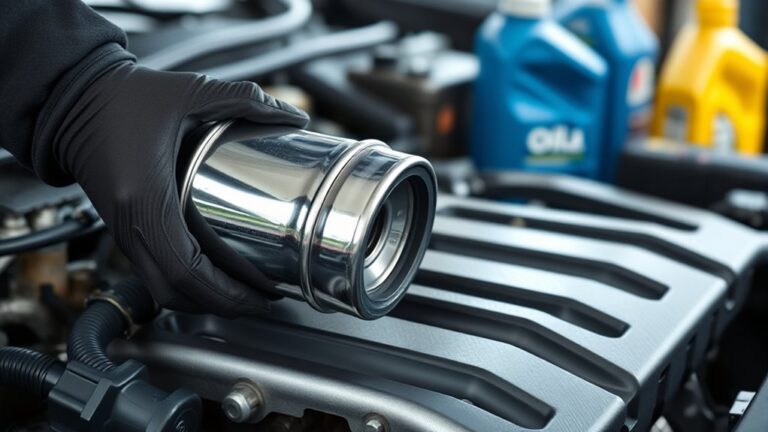
If you’ve noticed a rough idle or hissing sounds near your Volkswagen Jetta’s intake, you might be dealing with an air leak—a reported issue across several model years. Air leaks in Volkswagen Jetta models aren’t widespread but tend to appear more in specific generations, often linked to worn seals or gaskets.
Understanding the subtle symptoms and pinpointing the exact cause can be challenging, yet essential for maintaining engine performance and fuel efficiency.
Let’s explore where and why these leaks occur.
Key Takeaways
- Air leaks in Volkswagen Jetta are reported sporadically, often linked to seals and intake hoses, not widespread across all models.
- Models from 2005-2010 with 2.5L I5 engines show higher air leak incidence compared to newer models.
- Common signs include rough idling, hissing noises near vacuum hoses, and check engine lights indicating lean air-fuel mixtures.
- Leaks usually stem from worn seals, gaskets, or hoses, worsened by heat, wear, or aftermarket modifications.
- Owner reports mention whistling noises, reduced HVAC performance, and drafts around door seals and dashboard panels.
Are Air Leaks a Common Problem in Volkswagen Jettas?
How frequently do air leaks occur in Volkswagen Jettas? Statistically, air leaks are not a pervasive issue across the model range, but they do surface sporadically depending on production year and maintenance history.
When analyzing discussion ideas on automotive forums, you’ll notice air leaks often get overshadowed by unrelated topics like engine performance and electrical faults. This diversion can complicate precise diagnosis.
However, from a technical viewpoint, air leaks usually arise from deteriorated seals or compromised intake hoses rather than inherent manufacturing defects. If you focus on these components during inspections, you can isolate potential leak sources efficiently.
What Are the Common Signs of Air Leaks in Volkswagen Jetta?
Although air leaks in Volkswagen Jettas are not widespread, recognizing their indicators can help you address potential engine issues early. You’ll notice rough idling, unusual hissing sounds near vacuum hoses, or a check engine light triggered by a lean air-fuel mixture. Aftermarket turbos may exacerbate these symptoms if not properly sealed.
Additionally, poor engine performance and increased emissions are telltale signs. While cleaning interior components won’t directly fix air leaks, dust accumulation can mask warning signals. Here’s a concise table summarizing key symptoms:
| Symptom | Description |
|---|---|
| Rough Idle | Engine fluctuates at low RPM |
| Hissing Noise | Audible air escaping from seals |
| Check Engine Light | Diagnostic codes related to air mix |
| Reduced Power | Loss in engine responsiveness |
| Increased Emissions | Higher exhaust output detected |
How Do Air Leaks Affect Jetta’s Engine Performance and Fuel Efficiency?
When air leaks occur in your Volkswagen Jetta’s intake system, they disrupt the precise balance of air and fuel required for ideal combustion. This imbalance alters the air pressure dynamics inside the intake manifold, causing the engine control unit to miscalculate fuel delivery.
As a result, you may experience reduced engine performance, including hesitation and lower power output. Additionally, the compromised air pressure dynamics can lead to inefficient fuel combustion, increasing fuel consumption and emissions.
While air leaks primarily affect engine function, they can indirectly influence cabin air circulation by causing inconsistent air intake, which may reduce HVAC system efficiency. Addressing these leaks promptly ensures optimal engine responsiveness and maintains fuel efficiency, preserving both performance and the overall driving experience in your Jetta.
Which Volkswagen Jetta Models Are Most Prone to Air Leaks?
Which Volkswagen Jetta models are more susceptible to air leaks depends largely on their engine design and production years. You’ll find that 2005-2010 models with 2.5L engines often face these issues, while newer models with updated engine seals show fewer problems.
Speculative theories suggest that certain manufacturing tolerances in earlier models contribute to air leaks, though unrelated maintenance sometimes masks the true cause.
| Model Year | Engine Type | Air Leak Incidence |
|---|---|---|
| 2005-2010 | 2.5L I5 | High |
| 2011-2014 | 2.0L TSI | Moderate |
| 2015-2019 | 1.4L TSI | Low |
| 2020+ | 1.5L TSI | Minimal |
Tracking your model’s specifics helps diagnose potential air leak risks more accurately.
What Causes Air Leaks in Volkswagen Jetta Engines?
Why do air leaks occur in Volkswagen Jetta engines? Primarily, they result from compromised seals, gaskets, or hoses subjected to wear, heat, and pressure fluctuations.
You should know that aftermarket mods, like altered intake systems or turbochargers, can disrupt original air flow dynamics, increasing the risk of leaks. Additionally, improper installation or low-quality components often exacerbate this issue.
While eco friendly tires don’t directly cause air leaks in the engine, they reflect owner choices that may correlate with modifications affecting engine integrity. You must also consider that vibrations and thermal cycling progressively degrade engine components, making leaks more likely over time.
Understanding these causal factors helps you maintain engine efficiency and prevents performance losses linked to air leaks.
Where Do Air Leaks Usually Occur in Volkswagen Jetta Engines?
You’ll typically find air leaks around the intake manifold gasket, vacuum hoses, and throttle body in Volkswagen Jetta engines. These leaks often cause rough idling, reduced engine performance, and check engine lights.
Identifying the exact location helps you target repairs and restore proper airflow management.
Common Leak Locations
Where do air leaks most commonly occur in Volkswagen Jetta engines? Typically, these leaks happen at the intake manifold gasket, vacuum hoses, and throttle body seals.
The intake manifold gasket can degrade over time, causing unmetered air to enter. Vacuum hoses often develop cracks or become loose, disrupting proper engine vacuum. Throttle body seals may wear, leading to leaks around the air intake system.
When investigating common leak locations, avoid non-technical topics and focus on precise discussion ideas like component wear, material fatigue, and connection integrity. Understanding these typical leak points helps you target diagnostics efficiently.
This technical approach ensures you avoid unnecessary parts replacement and streamline repairs, improving engine performance and reliability in your Volkswagen Jetta.
Symptoms Of Air Leaks
How can you identify an air leak in your Volkswagen Jetta engine? Typically, air leaks manifest through decreased engine performance and inconsistent idle speeds. You might notice increased cabin noise caused by unfiltered air entering through compromised seals or gaskets, impacting overall air quality inside the vehicle.
These leaks usually occur around the intake manifold, vacuum hoses, or throttle body gaskets. When air bypasses the mass airflow sensor, your engine’s air-fuel mixture becomes unbalanced, triggering check engine lights or rough idling. Additionally, you may detect a hissing sound near the engine bay, signifying escaping air.
Monitoring these symptoms promptly helps prevent long-term damage and maintains optimal engine efficiency, ensuring your Volkswagen Jetta operates within designed parameters.
How to Diagnose Air Leaks in Your Jetta at Home
You’ll first want to identify common signs like rough idling, decreased fuel efficiency, or unusual hissing sounds. Next, perform simple leak detection methods such as visually inspecting hoses and using soapy water to spot bubbles.
These steps help isolate the source before considering professional diagnostics.
Common Signs Noticing
When does an air leak in your Volkswagen Jetta become noticeable? Typically, you’ll detect it through subtle performance drops: engine misfires, rough idling, or reduced fuel efficiency. These issues arise because unmetered air disrupts the air-fuel ratio, forcing your engine control unit to compensate.
Given fluctuating gasoline pricing, identifying leaks promptly can save you significant fuel costs. Unlike electric vehicles, which don’t rely on air intake systems, your Jetta’s combustion engine remains vulnerable to such inefficiencies.
You might also notice unusual hissing sounds near the intake manifold or vacuum lines. Additionally, your check engine light may illuminate due to sensor feedback irregularities caused by leaks.
Monitoring these signs closely helps you diagnose air leaks early, preventing costly repairs and optimizing your vehicle’s performance amid changing fuel economy demands.
Simple Leak Detection
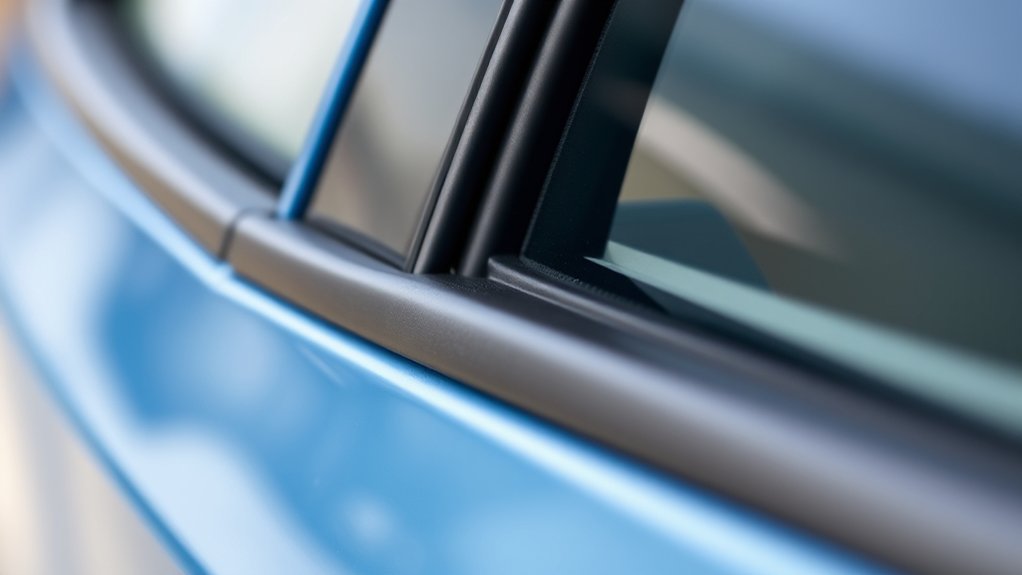
Wondering where to start diagnosing air leaks in your Volkswagen Jetta? Begin with a systematic inspection of door seals, window edges, and the windshield perimeter. Use a smoke pencil or incense stick near suspected areas to observe airflow disruption, indicating leaks.
Next, monitor cabin humidity levels; elevated humidity often signals compromised seals allowing moist air infiltration, which deteriorates air quality. Perform a visual check for worn or damaged weatherstripping, focusing on rubber gaskets.
Additionally, run the HVAC system at high fan speed and feel for inconsistent airflow patterns inside the cabin. Seal breaches can cause pressure differentials that reduce ventilation efficiency.
How to Get Air Leaks Fixed by a Pro
A professional technician uses specialized diagnostic tools to accurately identify the source and extent of air leaks in your Volkswagen Jetta. Through pro diagnostics, they employ smoke machines, ultrasonic detectors, or pressure testing to pinpoint leaks with precision.
Once identified, the technician evaluates the severity and determines the appropriate air leak repairs, which may involve replacing damaged seals, tightening fittings, or repairing cracked components. You’ll benefit from their expertise in selecting OEM-quality parts and applying industry-standard repair techniques, ensuring long-term integrity.
After repairs, the technician performs verification tests to confirm the leak is fully resolved. Relying on a pro not only restores your vehicle’s performance but also prevents potential damage caused by unchecked air leaks, offering you a reliable and efficient solution.
Preventive Tips to Avoid Air Leaks in Volkswagen Jetta
You should regularly inspect door and window seals for cracks or wear to prevent air leaks in your Volkswagen Jetta. Maintaining proper tire pressure and condition also helps preserve overall cabin integrity.
Additionally, routinely checking the climate control system ensures it operates efficiently without contributing to unwanted air infiltration.
Regular Seal Inspection
How often do you inspect the seals on your Volkswagen Jetta to prevent air leaks? Regular seal inspection is essential for maintaining optimal air quality and cabin comfort.
Start by examining door and window seals for cracks, brittleness, or detachment, which can compromise the airtight barrier. Use a flashlight to detect gaps where air might infiltrate.
Pay special attention to the weatherstripping around the doors and trunk, as these are common leakage points. If you notice deterioration, replace the seals promptly to avoid contamination from outside air, which can reduce air quality and disrupt cabin pressure.
Routine inspections every six months allow you to identify issues early, preventing costly repairs and preserving your Jetta’s interior environment effectively. Consistency here ensures sustained performance and comfort.
Proper Tire Maintenance
Maintaining airtight seals inside your Volkswagen Jetta contributes to cabin comfort, but preventing air leaks extends beyond the interior. Proper tire maintenance plays a critical role in avoiding pressure loss, which can mimic air leak symptoms.
You should routinely check tire pressure with a calibrated gauge, ensuring it matches manufacturer specifications. Inspect tires for punctures, cracks, or bead damage that compromise the seal between tire and rim.
Neglecting these tasks can result in gradual leaks, often mistaken for unrelated topic issues like cabin ventilation faults. Avoid off topic discussion by focusing strictly on tire integrity and valve stem condition, as these directly influence air retention.
Climate Control Checks
Where do air leaks most commonly originate within your Volkswagen Jetta’s climate control system? Typically, leaks occur around door seals, HVAC ducts, and poorly fitted vents.
To prevent this, you need to routinely inspect rubber seals for cracks or deformation and ensure duct connections remain tight. Pay attention to unusual airflow patterns or temperature inconsistencies, which often signal hidden leaks.
Staying updated with culture trends and social media buzz in automotive maintenance can help you discover innovative diagnostic tools or sealants recommended by other Jetta owners. By integrating these insights into your preventive routine, you’ll maintain optimal climate control efficiency, reduce strain on HVAC components, and avoid costly repairs caused by unnoticed air leaks.
Consistent climate control checks enhance driving comfort and protect your vehicle’s integrity.
Real Jetta Owner Experiences With Air Leak Issues
What specific air leak problems have Volkswagen Jetta owners encountered? Many report issues that highlight common Jetta quirks affecting cabin comfort and HVAC efficiency. These air leaks often stem from faulty seals or assembly inconsistencies, undermining the climate control system.
You might face:
- Persistent whistling noises near doors or windows
- Reduced HVAC performance, especially cooling and heating imbalance
- Moisture accumulation causing foggy windows
- Unusual drafts around dashboard panels
- Difficulty maintaining consistent cabin temperature
These symptoms indicate compromised seals or duct connections, leading to air escaping or infiltrating improperly. Understanding these real-world experiences helps you pinpoint air leaks quicker and address the underlying Jetta quirks effectively, improving your vehicle’s climate control reliability.
Frequently Asked Questions
Can Air Leaks Cause Dashboard Warning Lights in Volkswagen Jettas?
You shouldn’t expect air leaks to trigger dashboard warning lights in Volkswagen Jettas since they’re an unrelated concern.
If you see lights, it’s likely a sensor or system issue, not a random topic like air leaks.
Are Air Leaks Covered Under Volkswagen Jetta’s Warranty?
If air leaks disrupt your Volkswagen Jetta’s air quality or increase cabin noise, you’ll want to check your warranty details. Typically, defects affecting sealed systems are covered, but wear and tear or external damage usually isn’t included.
How Much Does It Typically Cost to Repair an Air Leak in a Jetta?
You’ll typically pay $100 to $300 to repair an air leak in your Jetta. Technicians will check the air filter and tire pressure to pinpoint leaks, ensuring optimum engine performance and fuel efficiency during repairs.
Can Air Leaks in a Jetta Lead to Emissions Test Failure?
Yes, air leaks can cause emissions tests to fail by disrupting the air-fuel ratio, triggering incorrect sensor readings, and increasing pollutants.
You’ll need to locate and fix leaks promptly to pass emissions tests efficiently.
Is It Safe to Drive a Volkswagen Jetta With a Suspected Air Leak?
You shouldn’t drive your Volkswagen Jetta with a suspected air leak, as it can affect engine performance and emissions.
Discussing unrelated topics or irrelevant discussion won’t fix the technical issue or guarantee safe operation.
Conclusion
You might think air leaks in your Volkswagen Jetta are rare, but ignoring even tiny hisses can turn your engine into a fuel-guzzling monster with erratic idling and fogged windows. These leaks, often hiding in seals or hoses, wreak havoc on performance and efficiency.
Diagnosing them early with simple tests prevents costly repairs. Don’t underestimate the impact—addressing air leaks promptly keeps your Jetta running sharply, saving you from endless mechanical headaches.
If you’ve noticed symptoms like rough idling or decreased fuel economy, it’s worth checking for air leaks in your Volkswagen Jetta to maintain optimal performance.