Can I Bring a Portable Battery Charger on a Plane
You might not realize that not all portable battery chargers are treated the same on planes—airlines strictly regulate their size and capacity. When it comes to bringing a portable battery charger on a plane, knowing the rules is essential to avoid any issues.
While most small power banks go through without issue, larger ones require approval or might be banned altogether.
Understanding these rules can save you from last-minute hassles at the airport security checkpoint. Before you pack your charger, it’s important to know exactly what’s allowed and how to prepare your device properly.
This way, you can ensure a smooth security process and keep your devices powered throughout your trip.
Key Takeaways
- portable battery chargers are allowed in carry-on luggage but not in checked baggage due to fire risk regulations.
- Chargers under 100 Wh generally require no airline approval; 100-160 Wh chargers need airline permission before flying.
- Chargers over 160 Wh are typically prohibited on planes and cannot be carried in any baggage.
- Always check airline-specific policies and clearly label the charger’s capacity to avoid confiscation or delays.
- Keep the charger accessible during security screening and follow officer instructions if asked to remove or declare it.
Can You Bring a Portable Battery Charger on a Plane?
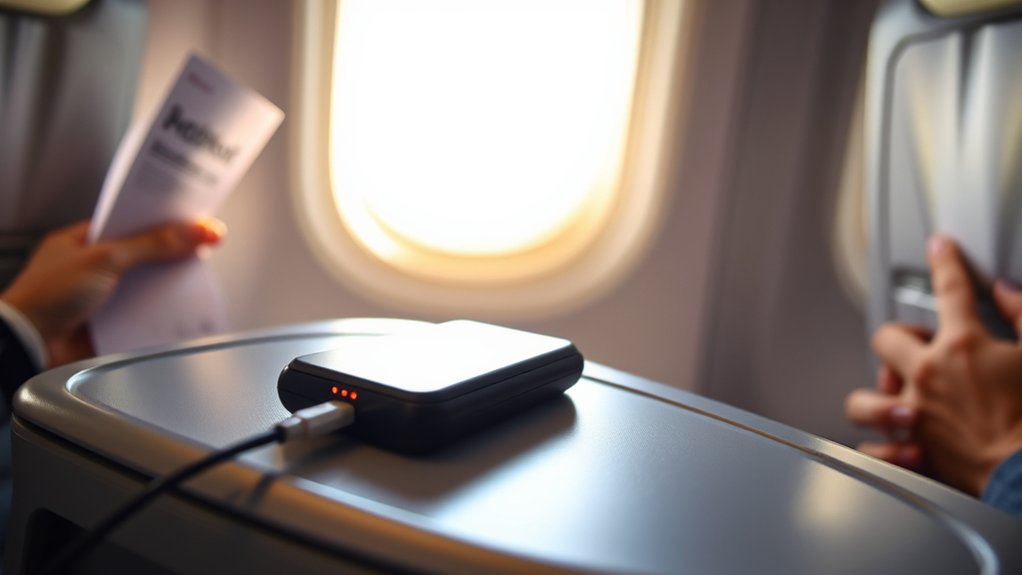
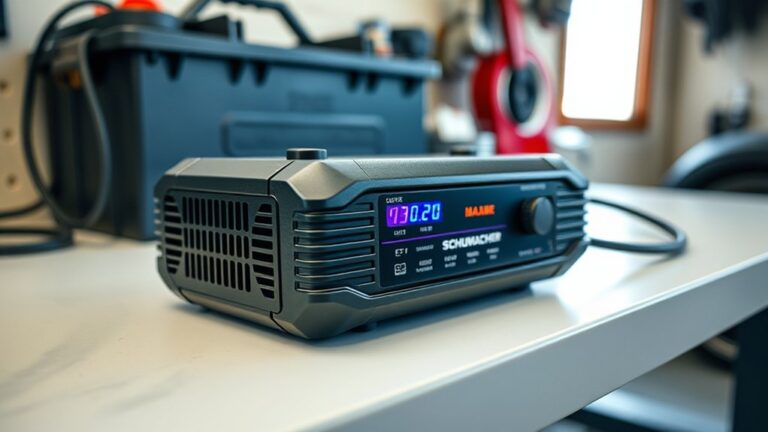
Wondering if you can bring a portable battery charger on a plane? The answer is yes, but you must follow specific airline policies. Most airlines allow portable battery chargers, also known as power banks, in your carry-on luggage only.
This is a crucial travel tip, as checked baggage usually prohibits these devices due to fire risks associated with lithium batteries. Before you fly, check your airline’s policies for any restrictions on battery capacity and quantity.
Knowing these details ensures you avoid confiscation or delays at security checkpoints. Keep the charger’s capacity clearly labeled, and don’t exceed the allowed watt-hour (Wh) limits set by the airline or regulatory bodies.
Staying informed about these travel tips and airline policies guarantees a smooth experience with your portable battery charger.
Airline Rules and Size Limits for Portable Battery Chargers
How do airlines regulate the size and capacity of portable battery chargers you can bring on board? Airlines strictly limit power banks based on their watt-hour (Wh) rating to ensure safety during flights. Understanding these rules helps you avoid hassles and ensures smooth airport charging.
Here’s what you need to know:
- Chargers under 100Wh are generally allowed in carry-on luggage without airline approval.
- For 100Wh to 160Wh, you must get airline permission before flying.
- Batteries exceeding 160Wh are typically forbidden on planes.
- You can only carry chargers in your carry-on, not checked baggage, to comply with charging etiquette and safety protocols.
Follow these guidelines closely to stay compliant and enjoy hassle-free airport charging options.
How to Pack Your Portable Battery Charger for Air Travel
You need to pack your portable battery charger in your carry-on luggage, as most airlines prohibit them in checked bags. Make sure your charger’s battery capacity doesn’t exceed airline limits, typically measured in watt-hours (Wh).
Properly understanding these rules will help you avoid delays or confiscation at security.
Carry-On vs. Checked
Where should you pack your portable battery charger when flying? Always put it in your carry-on bag. Aviation insurance policies and airline regulations strictly prohibit lithium batteries in checked luggage to reduce fire risks.
Following proper travel etiquette ensures smooth security checks and prevents delays.
Here’s why you should keep your charger with you:
- Immediate access in case your device needs charging during the flight.
- Avoid damage or loss that can occur in checked baggage handling.
- Comply with airline safety rules, protecting you and fellow passengers.
- Simplify security screening by presenting all electronics upfront.
Packing your charger in carry-on luggage safeguards your device and respects aviation safety standards, ensuring worry-free travel every time.
Battery Capacity Limits
What limits does the airline industry place on your portable battery charger’s capacity? Most airlines follow strict travel guidelines restricting battery capacity to 100Wh or less in carry-on luggage without prior approval. Chargers between 100Wh and 160Wh require airline permission, while those over 160Wh are generally prohibited.
You should always check your device’s watt-hour rating, usually found on the battery label, to comply. Adhering to these limits isn’t just regulatory; it’s essential airline etiquette, ensuring safety and a smooth boarding process.
Never pack portable chargers in checked baggage, as most airlines forbid lithium batteries there. By respecting these capacity limits and travel guidelines, you avoid delays and keep your device ready for use. Always confirm your airline’s specific rules before packing your portable battery charger.
What to Expect During Security Checks With Power Banks
When you go through security, expect your power bank to be screened separately, often in a clear bin.
Remember, batteries over 100Wh usually aren’t allowed in checked baggage and must stay in your carry-on.
Knowing these rules helps you avoid delays and guarantees smooth security checks.
Security Screening Procedures
How should you prepare for security screening when carrying a portable battery charger on a plane? Knowing what to expect helps you breeze through checks while respecting travel etiquette. Security personnel will want to inspect your power bank carefully, as it’s considered a lithium-ion battery device crucial for in-flight entertainment.
Here’s how to stay ready:
- Place your power bank separately in a bin for X-ray screening.
- Remove it from your bag to avoid delays.
- Keep it easily accessible to show officers if asked.
- Avoid packing it in checked luggage, as regulations require it in carry-on.
Following these steps ensures smooth security screening and keeps your travel stress-free and efficient.
Battery Capacity Restrictions
Why do battery capacity restrictions matter when traveling with power banks? Airlines and security authorities set limits, usually 100Wh or less per battery, to minimize fire risks during flights. When you go through security, expect agents to check your power bank’s capacity; carrying larger units often requires airline approval.
Following these rules is part of good travel etiquette, ensuring safety for everyone onboard. Remember, power banks exceeding limits might be confiscated, disrupting your journey and even your plans for relaxing in flight meals.
To avoid hassle, always confirm your battery’s watt-hour rating before packing. Staying informed about capacity restrictions helps you breeze through security smoothly and keeps your devices powered without compromising safety throughout your flight.
Carry-On vs. Checked Luggage
Where should you pack your portable battery charger to comply with airline regulations and speed up security checks? Always carry it in your carry-on luggage. Airlines strictly prohibit power banks in checked bags due to fire risks, so packing them in your carry-on ensures compliance and safety.
During security, follow these tips:
- Keep the power bank easily accessible for inspection.
- Remove it from your bag if requested to speed up screening.
- Ensure it’s within allowed capacity limits to avoid confiscation.
- Declare the device if asked, demonstrating transparency.
This approach safeguards your in-flight entertainment and aligns with travel insurance policies that often exclude incidents caused by improper battery transport. Packing smart lets you breeze through security and enjoy your trip worry-free.
Safety Risks of Lithium Battery Chargers on Flights
When you bring a lithium battery charger on a flight, you expose yourself and others to specific safety risks that airlines and regulators take very seriously. Improper handling or damage can cause overheating, fire, or explosions.
Maintaining good flight etiquette by storing chargers properly ensures your safety and that of fellow passengers enjoying their in-flight snacks without disruption.
| Risk Type | Description |
|---|---|
| Overheating | Can ignite flammable materials |
| Short Circuit | May cause sparks or fires |
| Physical Damage | Increases risk of malfunction |
| Improper Storage | Blocks aisles or emergency exits |
Knowing these risks helps you prioritize safe use and storage of your lithium battery charger during your travels.
What to Do If Your Power Bank Isn’t Allowed on the Plane
How should you proceed if airport security denies your power bank? First, stay calm and don’t argue; security personnel follow strict regulations for your safety. Remember, many tech myths circulate about what’s allowed. Always verify official rules before traveling. Here’s what to do next:
- Ask if you can check the device in your luggage or if it must be left behind.
- Request clarification on the specific reason for denial to avoid future issues.
- Look for travel freebies like charging stations in the airport to keep your devices powered.
- Consider shipping the power bank to your destination if time allows.
Following these steps ensures you handle the situation confidently and avoid surprises caused by misinformation.
Alternative Charging Options When You Can’t Bring a Power Bank
If your power bank isn’t allowed on the plane, you’ll need dependable alternatives to keep your devices charged throughout your journey. First, check the airline’s travel policy for permitted charging devices. Many airlines offer in-seat USB ports or power outlets, so bring your charging cables to take advantage of these.
Carry a fully charged device before boarding to maximize battery life. Consider compact solar chargers if you expect to spend time outdoors during layovers. Another option is to use charging stations available at airports. Plan your time to include stops at these points.
Frequently Asked Questions
Can I Use My Portable Charger During the Flight?
Yes, you can use your portable charger during the flight for in-flight charging, but follow power bank etiquette by keeping it in airplane mode and not disturbing others.
Always check airline rules for specific restrictions.
Do Airlines Charge Extra for Carrying Power Banks?
Think of power banks as passengers. Airline policies rarely charge extra for carrying them, but they must meet size and capacity limits.
You won’t pay more, but always check specific airline policies before you fly.
Are There Restrictions on Power Bank Brands or Models?
You’ll find no specific power bank branding restrictions, but model restrictions apply: airlines limit capacity, usually under 100Wh.
Check your model’s specs carefully to ensure it complies and avoid carrying banned or uncertified devices.
Can I Bring Multiple Portable Battery Chargers on a Plane?
You can bring multiple portable battery chargers on a plane, but each must meet airline watt-hour limits. Keep them accessible for in-flight entertainment, and consider travel insurance for protection against loss or damage during your trip.
How Do I Dispose of an Old or Damaged Power Bank?
Think of your old power bank as a fading star. Don’t toss it carelessly.
Use proper disposal methods like electronic recycling centers or designated drop-offs. These recycling options guarantee safe handling and protect our planet’s fragile balance.
Conclusion
Bringing a portable battery charger on a plane is like carrying a small lifeline for your devices—convenient but regulated. You can usually bring power banks under 100 Wh in your carry-on without hassle, but larger ones need airline approval or are banned.
Always pack them safely, label their capacity clearly, and stay calm during security checks. Following these rules assures your charger travels with you smoothly and safely.
In conclusion, knowing the guidelines about bringing a portable battery charger on a plane helps keep you powered up wherever you go.