Does 2000 Ford f150 Have a Triton Engine
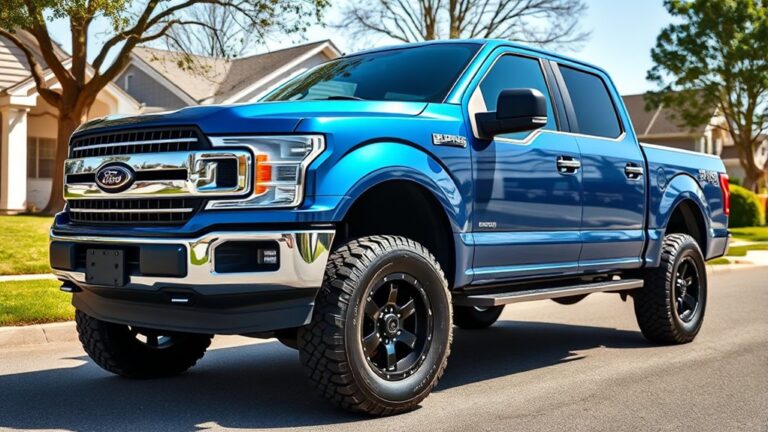
Think of the 2000 Ford F-150 Triton engine as a crossroads where power and design meet, and Triton engines mark a significant path. If you’re wondering whether your truck carries this specific engine type, it’s not always obvious at first glance.
Certain trims like XL, XLT, and Lariat are more likely to house these engines, but identifying them requires a closer look. Understanding this can influence your view of the truck’s performance and maintenance needs.
Key Takeaways
- The 2000 Ford F-150 commonly featured Triton V8 engines, especially in XL, XLT, and Lariat trims.
- Triton engine variants in 2000 F-150 include 4.6L, 5.4L, and less commonly, 5.8L V8 engines.
- Triton engines have cast iron blocks, aluminum heads, and overhead valve (OHV) design for strong torque output.
- Engine size markings like “4.6L” or “5.4L” and VIN decoding confirm Triton engine presence in a 2000 F-150.
- Triton engines require regular maintenance, including ignition coil checks, to ensure reliability and prevent overheating issues.
Which 2000 Ford F-150 Models Have Triton Engines?
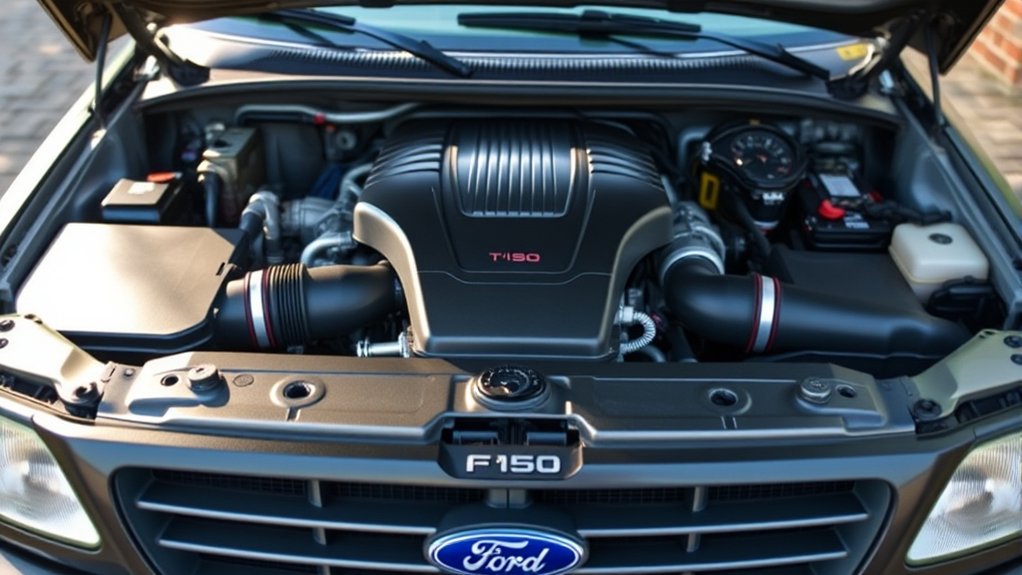
Which 2000 Ford F-150 models come equipped with Triton engines? If you’re exploring this, you’ll find that most 2000 F-150 trucks, especially in the XL, XLT, and Lariat trims, offered Triton V8 engines as a standard or optional powertrain.
Specifically, the 4.6L and 5.4L Triton V8 engines were common choices. It’s important not to get distracted by unrelated topic discussions or off topic irrelevant details like fuel economy or interior features, which don’t clarify which models have these engines.
Instead, focus on the trim level and engine options. Models with smaller V6 engines or base trims typically didn’t feature the Triton. Understanding this helps you identify which 2000 F-150s come equipped with this specific powertrain without confusion.
Types of Triton Engines in the 2000 F-150
Wondering what types of Triton engines powered the 2000 Ford F-150? You’ll find three main variants: the 4.6L V8, 5.4L V8, and the less common 5.8L V8. Each offers distinct power and torque levels suited for varying needs.
The 4.6L provides balanced performance and fuel economy, while the 5.4L delivers more horsepower for heavier tasks. The 5.8L, though less frequent, is ideal for maximum towing and payload.
When focusing on these engines, avoid irrelevant topic detours like unrelated car models or two word discussion ideas that don’t add value. Staying precise helps you understand the Triton lineup clearly, ensuring you know what engine options were available in the 2000 F-150 without confusion or unnecessary information.
How to Identify a Triton Engine in a 2000 F-150?
How can you tell if your 2000 Ford F-150 has a Triton engine? Start by locating the engine identification code, usually stamped on the engine block near the front or on the valve cover. Triton engines typically have a “5.4L” or “4.6L” designation, indicating their displacement.
You can also check the VIN (Vehicle Identification Number); the eighth character often reveals the engine type. Avoid getting distracted by non sequitur details like unrelated vehicle features or off topic engine components, which won’t help in identifying the Triton engine specifically.
Focus on clear markers such as the engine size, block markings, and VIN decoding. These steps give you a precise way to confirm the presence of a Triton engine in your 2000 F-150.
Triton vs. Non-Triton Engines: What’s the Difference?
When comparing Triton and non-Triton engines, you’ll notice key differences in design and construction that affect performance and efficiency. Understanding these distinctions helps you evaluate maintenance needs and reliability.
Let’s explore how these factors set the two engine types apart.
Design and Construction Differences
Although both Triton and non-Triton engines power Ford F-150 trucks, their design and construction exhibit significant differences that affect performance and maintenance. When you compare Triton to non-Triton engines, irrelevant design elements like block shape or accessory placement become clear.
The construction comparison highlights how Triton engines use cast-iron blocks and aluminum heads, while non-Triton engines vary more widely.
| Feature | Triton Engine |
|---|---|
| Block Material | Cast Iron |
| Cylinder Heads | Aluminum |
| Valve Train | Overhead Valve (OHV) |
| Cooling System | Enhanced Cooling Channels |
| Maintenance Access | Simplified Design |
This table helps you quickly grasp core construction differences impacting upkeep and reliability.
Performance and Efficiency Comparison
Why does the choice between Triton and non-Triton engines matter for your Ford F-150’s performance and fuel efficiency? Triton engines, known for their overhead valve design, typically deliver strong torque and reliable power, benefiting towing and hauling tasks.
However, they may offer slightly lower fuel economy compared to some non-Triton V8s, which sometimes use different configurations aimed at balancing power with efficiency. If you’re considering a diesel alternative, keep in mind that diesel engines generally provide better fuel economy and torque but weren’t standard in the 2000 F-150 lineup.
Choosing between Triton and non-Triton engines depends on your priorities: Triton excels in durable performance, while non-Triton options may offer marginally improved fuel economy. Understanding this helps you align your F-150’s engine with your driving needs.
Maintenance and Reliability Factors
Understanding the performance and efficiency differences between Triton and non-Triton engines naturally leads to considering their maintenance and reliability. When you own a 2000 Ford F150, knowing which engine you have impacts upkeep and long-term dependability.
Triton engines generally require more frequent valve adjustments and specialized parts, which can affect maintenance costs. However, their design supports better fuel economy with proper care.
Non-Triton engines often boast simpler mechanics, making routine repairs and aftermarket upgrades more accessible and affordable. Key maintenance and reliability factors to consider include:
- Frequency and complexity of routine service tasks
- Availability and cost of aftermarket upgrades
- Impact on fuel economy over the vehicle’s lifespan
How Triton Engines Affect 2000 F-150 Performance
How does the Triton engine influence the performance of the 2000 Ford F-150? The Triton engine delivers solid power and torque, enhancing towing and hauling capabilities. Unlike an unrelated topic or tangential concept, this engine’s design directly impacts acceleration, fuel efficiency, and overall drivability.
When you drive a 2000 F-150 with a Triton engine, you experience reliable performance suited for work and daily use.
| Feature | Triton Engine Effect | Benefit |
|---|---|---|
| Horsepower | Moderate to High | Improved acceleration |
| Torque | Strong low-end torque | Better towing capacity |
| Fuel Efficiency | Average for V8 engines | Balanced fuel use |
| Maintenance | Requires regular checks | Sustained performance |
| Durability | Robust engine block | Long-term reliability |
Common 2000 F-150 Triton Engine Reliability Issues
You might encounter engine overheating problems with the 2000 F-150 Triton engine, which can affect overall performance and longevity.
Ignition coil failures are another common issue that can cause misfires and starting difficulties. Being aware of these reliability concerns helps you maintain your truck more effectively.
Engine Overheating Problems
Why does the 2000 Ford F-150 Triton engine often experience overheating issues? The primary causes relate to coolant system failures and design flaws, not an unrelated topic like electrical problems. Common culprits include radiator blockages, thermostat malfunctions, and water pump wear.
If you overlook these, you risk severe engine damage, which can be costly.
To manage overheating effectively, focus on:
- Regularly flushing the cooling system to prevent blockages
- Replacing thermostats and water pumps as preventive maintenance
- Monitoring coolant levels and quality closely
While budget considerations might tempt you to delay repairs, timely attention prevents more expensive fixes later. Addressing overheating issues promptly ensures your Triton engine runs reliably and avoids costly downtime.
Ignition Coil Failures
When does an ignition coil failure typically show up in a 2000 Ford F-150 Triton engine? You’ll often notice it during acceleration or idling, where the engine may misfire or run rough.
Ignition coils are crucial for generating the spark that ignites the air-fuel mixture, so if they fail, combustion becomes irregular. This can also affect the fuel injectors, as poor combustion may cause deposits or inconsistent fuel delivery.
If you experience difficulty starting the engine or a noticeable drop in fuel efficiency, suspect ignition coil problems. Regular inspection and timely replacement of faulty ignition coils can prevent damage to the fuel injectors and maintain engine performance.
Addressing these issues promptly ensures your Triton engine remains reliable and efficient.
Maintenance Tips for Keeping a 2000 F-150 Triton Engine Strong
How can you guarantee your 2000 Ford F-150 Triton engine remains reliable and efficient over time? Start by understanding common displacement myths and fuel economy misconceptions that might lead to improper maintenance. Keeping your engine strong requires consistent care and attention.
Focus on these key maintenance tips:
- Regularly change engine oil and use the correct grade to prevent wear and deposits.
- Inspect and replace ignition coils promptly to avoid performance issues.
- Maintain the cooling system by flushing and refilling coolant to prevent overheating.
Is a 2000 Ford F-150 With a Triton Engine a Good Buy?
Taking proper care of the 2000 Ford F-150 Triton engine can keep it running smoothly, but you might wonder if the truck itself is a smart purchase. It’s important to focus on relevant factors like reliability, maintenance costs, and performance rather than an irrelevant topic or unrelated theme.
| Aspect | Pros | Cons |
|---|---|---|
| Engine | Durable, strong power output | Potential for coolant leaks |
| Maintenance | Easy to service | Parts may be costly |
| Overall Value | Affordable on used market | Older tech, less efficient |
| Fuel Efficiency | Moderate for its class | Lower than modern trucks |
If you prioritize durability and don’t mind routine upkeep, the 2000 F-150 with a Triton engine can be a practical buy.
Frequently Asked Questions
What Fuel Type Does the 2000 Ford F-150 Triton Engine Use?
The 2000 Ford F-150 Triton engine uses regular unleaded gasoline as its fuel type.
Its engine design optimizes fuel efficiency and performance, so you’ll want to use the recommended fuel to keep it running smoothly.
Are Triton Engines Compatible With Aftermarket Performance Parts?
You might be surprised, but Triton engines generally work well with aftermarket parts. When considering engine swap compatibility, focus on specific components and modifications to ensure seamless integration without compromising performance or reliability during your upgrade discussions.
How Does the Triton Engine Impact Towing Capacity?
The Triton engine boosts your towing capacity thanks to its engine durability, but you’ll face towing tradeoffs like increased fuel consumption and potential maintenance.
Understanding these helps you balance power with long-term reliability effectively.
What Is the Average Mileage of a 2000 F-150 Triton Engine?
You’ll typically see the 2000 F-150 Triton engine average around 12-15 MPG. This two word idea 1, fuel efficiency, varies with driving style and conditions, while two word idea 2, engine maintenance, also plays a big role.
Do Triton Engines Require Special Oil or Fluids?
You’ll want to use oil with the correct viscosity to prevent ice formation in colder climates.
Triton engines don’t require special fluids, but sticking to Ford’s recommended oil grade guarantees proper lubrication and engine longevity.
Conclusion
So, yes, your 2000 Ford F-150 can have a Triton engine—if you like a mix of iron block toughness with aluminum heads that demand your attention. While they offer solid performance, expect to keep up with maintenance or face surprises.
If you’re hoping for a carefree engine, the Triton might test your patience more than you’d like. But hey, if you enjoy a challenge, it’s a ride worth considering.
In conclusion, the 2000 Ford F-150 does come with the option of a Triton engine, blending power with a unique maintenance profile.