What Size Oil Filter Wrench Do I Need
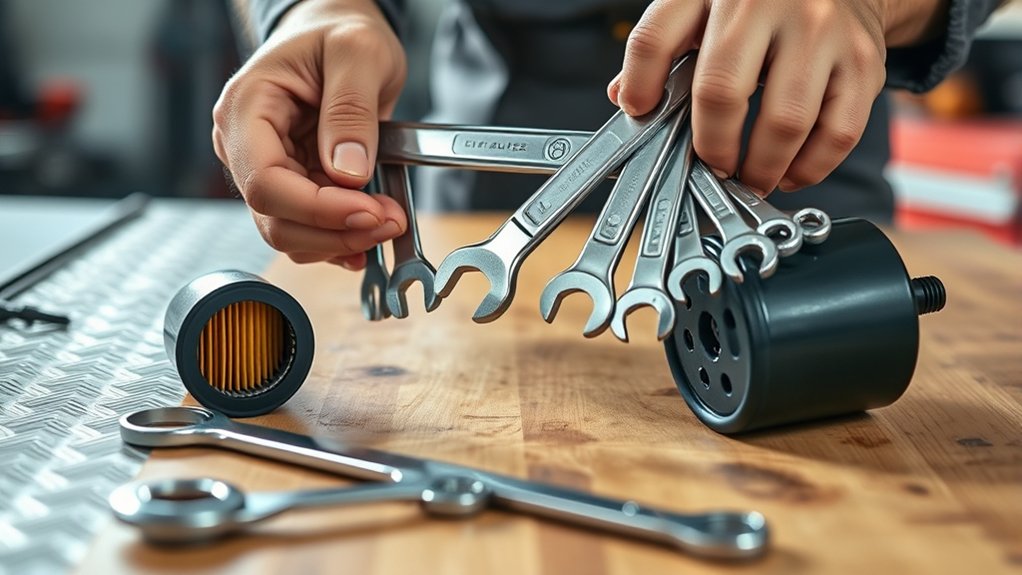
Choosing the right oil filter wrench size can save you from frustrating slips and potential damage during maintenance. The size of the oil filter wrench you need depends largely on your filter’s dimensions. You’ll want to measure your filter’s outer diameter and end-cap size carefully before selecting a wrench type that ensures a secure grip.
Since sizes vary widely between vehicles, picking the wrong tool could leave you stuck. Understanding the specifics behind these measurements is key to getting the job done efficiently. Taking the time to find the correct wrench size makes oil changes smoother and helps protect your vehicle’s components.
Key Takeaways
- Measure the oil filter’s outer diameter at its widest point for correct wrench sizing.
- Match the wrench type (strap, cap, or claw) to the filter size and grip style for secure removal.
- Common wrench sizes include 65mm, 74mm, and 76mm for most passenger cars and light trucks.
- Use manufacturer specs or calipers for precise filter measurements to avoid slippage or damage.
- Adjustable wrenches offer versatility but require careful tightening to prevent slipping or stripping.
How to Choose the Right Oil Filter Wrench Size
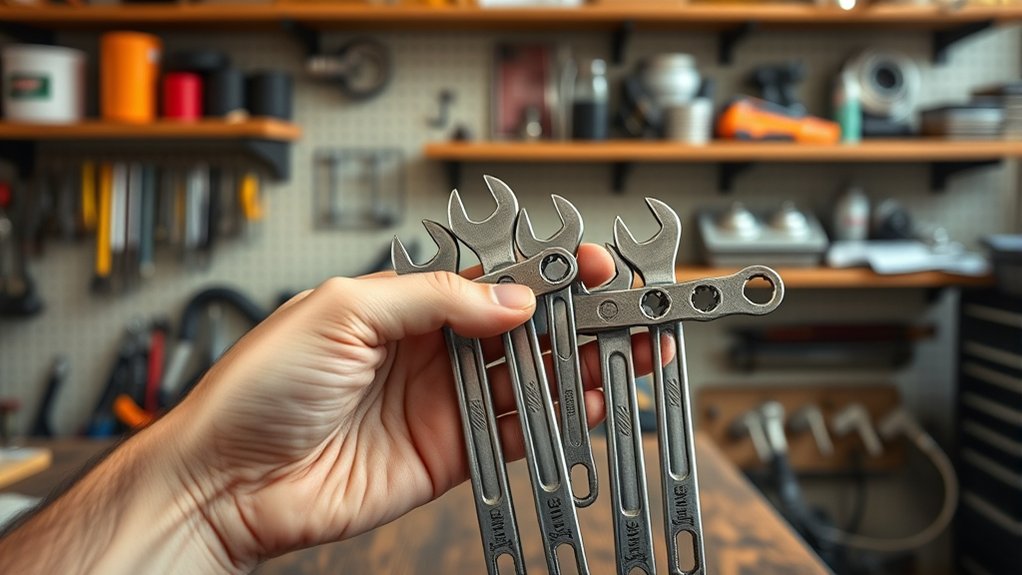
How do you determine the right oil filter wrench size for your vehicle? Start by focusing strictly on the oil filter’s dimensions and your wrench type. Avoid two word discussion ideas or irrelevant topics like engine models or oil brands, which don’t impact wrench size.
Determine the right oil filter wrench size by focusing only on the filter’s dimensions and wrench type.
Use manufacturer specifications or measure the oil filter’s diameter directly to guide your choice. Remember, oil filter wrenches come in various types, such as strap, cup, or claw, each compatible with specific size ranges.
Selecting the correct size ensures a secure grip and prevents filter damage. Stay precise: mismatched sizes cause slippage or stripping. Concentrate solely on the oil filter’s circumference and wrench compatibility rather than unrelated subjects.
This targeted approach guarantees you pick the right oil filter wrench size efficiently and accurately.
How to Measure Your Oil Filter for a Perfect Fit
Where exactly should you measure your oil filter to guarantee a perfect fit? Precise measurement accuracy is essential to avoid wrench slippage and ensure efficient removal. Focus on these critical dimensions:
- Diameter: Measure the filter’s outer diameter at its widest point for the correct wrench size.
- Height: Check the filter’s height to confirm clearance during removal.
- Grip Surface: Identify the flat or textured gripping area, as wrench size depends on this contact zone.
These two word discussion ideas, diameter and grip surface, are key to obtaining the right tool. Use calipers or a measuring tape with fine increments for exact readings.
Avoid approximations to maintain measurement accuracy, ensuring you select an oil filter wrench that fits perfectly and performs reliably.
Common Oil Filter Wrench Sizes and What They’re For
Which oil filter wrench size matches your vehicle’s needs? Common sizes include 65mm, 74mm, and 76mm, typically used for passenger cars and light trucks. These sizes correspond directly to the diameter of the oil filter’s end cap, ensuring a secure grip during removal or installation.
Larger vehicles often require sizes above 80mm, while smaller engines may need sizes below 60mm. Avoid the unrelated topic of generic tool sizes, as they don’t guarantee compatibility. Remember, an off topic concept like using adjustable wrenches can damage filter surfaces.
Selecting the correct size prevents slippage and filter damage, enhancing maintenance efficiency. By focusing on common sizes, you streamline your tool selection, ensuring you’re prepared for routine oil changes without guesswork or unnecessary tool swapping.
Types of Oil Filter Wrenches and Which Sizes They Fit
Why choose one type of oil filter wrench over another? The answer lies in wrench compatibility with your oil filtration system and the size of the filter itself. Different wrenches provide varying grip styles and torque capabilities, which affect ease of removal and installation.
Choosing the right oil filter wrench depends on filter size and wrench compatibility for easy removal and installation.
Here are common types and their size fits:
- Strap wrenches: Adaptable to various diameters, ideal for irregular or larger filters.
- Cap wrenches: Designed for specific filter sizes, ensuring precise fit and minimizing slippage.
- Pliers-style wrenches: Adjustable jaws fit multiple sizes but may mar the filter surface if over-tightened.
Selecting the right type optimizes wrench compatibility, improves grip, and prevents damage to your oil filter during maintenance.
Picking the Right Oil Filter Wrench for Your Vehicle
How do you determine the right oil filter wrench for your vehicle? First, identify the oil filter’s size and shape, then select a wrench size that matches precisely. Using the wrong wrench size can damage the filter or make removal difficult.
Below is a quick reference for common oil filter and wrench size pairings:
| Oil Filter Diameter (inches) | Wrench Size (inches) | Recommended Wrench Type |
|---|---|---|
| 2.5 – 3.0 | 3.0 – 3.5 | Band or Strap Wrench |
| 3.0 – 3.5 | 3.5 – 4.0 | Socket-Style Wrench |
| 3.5 – 4.0 | 4.0 – 4.5 | Claw or Cap Wrench |
Measure your oil filter accurately and choose a wrench size that ensures a snug fit for efficient removal without damage.
Matching Oil Filter Wrenches to Aftermarket Filters
When selecting an oil filter wrench for aftermarket filters, you need to contemplate variations in size and design that differ from OEM standards. Aftermarket filters often have unique dimensions or grip patterns, making sizing compatibility critical for a secure fit.
To ensure you pick the right wrench, consider these factors:
- Measure the filter’s outer diameter and compare it to wrench specifications to confirm compatibility.
- Identify the filter’s design type, such as spin-on, cartridge, or other variations, as wrench styles differ accordingly.
- Check manufacturer recommendations or product descriptions for suggested wrench sizes tailored to specific aftermarket filters.
What to Do When Your Oil Filter Won’t Budge
Struggling to remove a stuck oil filter can be frustrating, but applying the right techniques will help you loosen it efficiently. First, ensure you’re using the correct size oil filter wrench to avoid slipping or rounding the filter’s edges.
Using the right size oil filter wrench prevents damage and makes removing a stuck filter much easier.
Apply penetrating oil around the base to break down any buildup. Let it sit for a few minutes before attempting removal. Avoid excessive force, which can cause irreversible damage to the filter housing or oil pan.
If the filter still won’t budge, try gently tapping it with a rubber mallet to loosen the seal. Throughout the process, take care to prevent stray debris from entering the engine, as contamination could compromise performance.
Patience and precision are key to safely removing a stubborn oil filter.
Adjustable Oil Filter Wrenches: Pros and Cons
Why choose an adjustable oil filter wrench over a fixed-size model? Adjustable wrenches offer versatility, allowing you to handle various oil filter sizes without multiple tools. They adapt to quirky wrenches and fit filters that are too tight, reducing the risk of damage.
Consider these pros and cons:
- Pros: Flexible fit for different diameters, ideal for unexpected sizes or tight spaces.
- Cons: Can slip if not properly secured, requiring careful adjustment.
- Cons: Often bulkier than fixed models, making access in confined engine bays harder.
You’ll find adjustable oil filter wrenches invaluable when dealing with unpredictable filter sizes, but you must ensure they’re tightly set to avoid slipping on too tight oil filters. Their adaptability makes them a practical choice despite some handling quirks.
Where to Find the Right Size Oil Filter Wrench
Adjustable oil filter wrenches provide flexibility across various sizes, but selecting the correct wrench often requires knowing where to look. You can find the right size by exploring specialized automotive tool retailers, both online and in-store, which often leverage new technologies like digital fit guides to match wrenches precisely to your oil filter dimensions.
Manufacturer websites also provide detailed specifications, helping you avoid trial and error. Additionally, understanding current marketing strategies can guide you toward brands offering size-specific options rather than generic adjustable tools.
Online forums and review sites offer user insights on fit and durability, aiding your decision. By combining these resources, you’ll efficiently identify the correct oil filter wrench size, ensuring a secure fit and effective oil filter removal without damaging components.
How to Care for Your Oil Filter Wrench for Long-Term Use
To keep your oil filter wrench functioning properly, you need to clean it thoroughly after each use to remove oil and debris. Regularly check for wear and apply a light lubricant to moving parts if applicable.
Store the wrench in a dry, organized space to prevent rust and damage over time.
Cleaning and Maintenance
How often do you clean your oil filter wrench to ensure optimal performance? Regular cleaning and maintenance routines are essential to prevent grime buildup, corrosion, and mechanical wear.
Follow these cleaning tips to keep your wrench in peak condition:
- Wipe the wrench with a clean rag after each use to remove oil and dirt.
- Use a mild solvent or degreaser to clean stubborn residue, then dry thoroughly to prevent rust.
- Inspect moving parts and joints regularly, lubricating them with light machine oil to maintain smooth operation.
Proper Storage Techniques
Where should you store your oil filter wrench to guarantee it remains reliable over time? Store it in a dry, clean environment to prevent rust and corrosion. Use dedicated toolboxes or wall-mounted racks for organized storage.
Incorporate labeling methods to quickly identify sizes and types, minimizing wear from unnecessary handling.
| Storage Location | Environmental Condition | Labeling Method |
|---|---|---|
| Toolbox | Dry and clean | Size-specific tags |
| Wall-mounted rack | Ventilated area | Color-coded stickers |
| Drawer | Low humidity | Engraved metal labels |
Follow these storage tips to extend your wrench’s lifespan and maintain optimal functionality. Proper storage reduces damage risk, ensuring your tool performs consistently when needed.
Frequently Asked Questions
Can I Use an Oil Filter Wrench for Other Car Parts?
You can’t always use an oil filter wrench on other car parts due to wrench compatibility. These wrenches are specifically designed for oil filters, so using them on different components might damage the wrench or the part itself.
How Often Should I Replace My Oil Filter Wrench?
Like a clock losing its tick, your reusable impact wrench needs replacing when torque calibration drifts beyond specs, usually every 2-3 years or 50 uses. Regular checks ensure precise, safe oil filter removal without damage or slippage.
Are Oil Filter Wrenches Compatible With All Oil Filter Brands?
Oil filter wrenches aren’t universally compatible with all oil filters. You’ll need to check specific oil filters’ sizes and designs to avoid compatibility questions.
Ensure your wrench grips properly for effective removal or installation without damage.
Can an Oil Filter Wrench Damage My Oil Filter?
Like a bull in a china shop, you can damage your oil filter if you misuse the wrench. Proper oil filter shoulder torque and choosing wrench material durability ensure safe removal without crushing or stripping, avoiding costly repairs during this two-word discussion.
What Safety Precautions Should I Take When Using an Oil Filter Wrench?
Wear safety gloves to protect your hands from sharp edges and hot surfaces. Use caution in wet environments to prevent slipping or electrical hazards.
Ensure a firm grip on the wrench and keep your workspace clean and well-lit.
Conclusion
Choosing the right oil filter wrench size is essential—about 70% of filter removal issues stem from using the wrong tool. By accurately measuring your filter’s outer diameter and end-cap, you guarantee a snug fit that prevents slipping or damage.
Whether you opt for a strap, cap, or adjustable wrench, matching the size precisely saves time and frustration. Always consult your vehicle specs and maintain your wrench properly for reliable, long-term use.
In conclusion, knowing what size oil filter wrench you need ensures efficient and damage-free filter changes every time.