Can You Take a Soft Tonneau Cover Through a Carwash
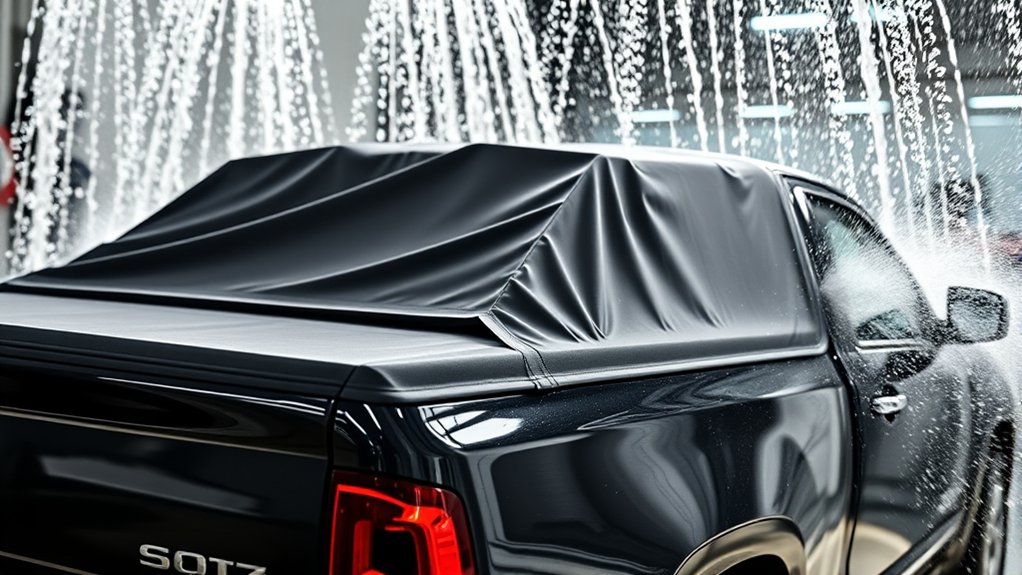
You might wonder if you can take a soft tonneau cover through a carwash as a quick way to keep it clean. While it seems convenient, not all covers are built to handle the harsh brushes and high-pressure jets used in automated washes.
These elements can cause damage that’s easy to miss until it’s too late. Understanding the risks and precautions can help you decide the best way to protect your cover’s longevity and appearance.
Key Takeaways
- Most automated carwashes can damage soft tonneau covers due to abrasive brushes and varying pressure levels.
- Rotating brushes and high-pressure jets may cause scratches, tears, or loosen fasteners on the cover.
- Durable materials like heavy-duty vinyl withstand carwash brushes better, but repeated exposure still risks wear and waterproofing loss.
- Inspect covers for damage after carwashes and consider hand washing or low-pressure cleaning as safer alternatives.
- Proper maintenance and UV protection help extend cover life, but replace covers showing significant damage or water pooling.
Is It Safe to Run Your Soft Tonneau Cover Through a Carwash?
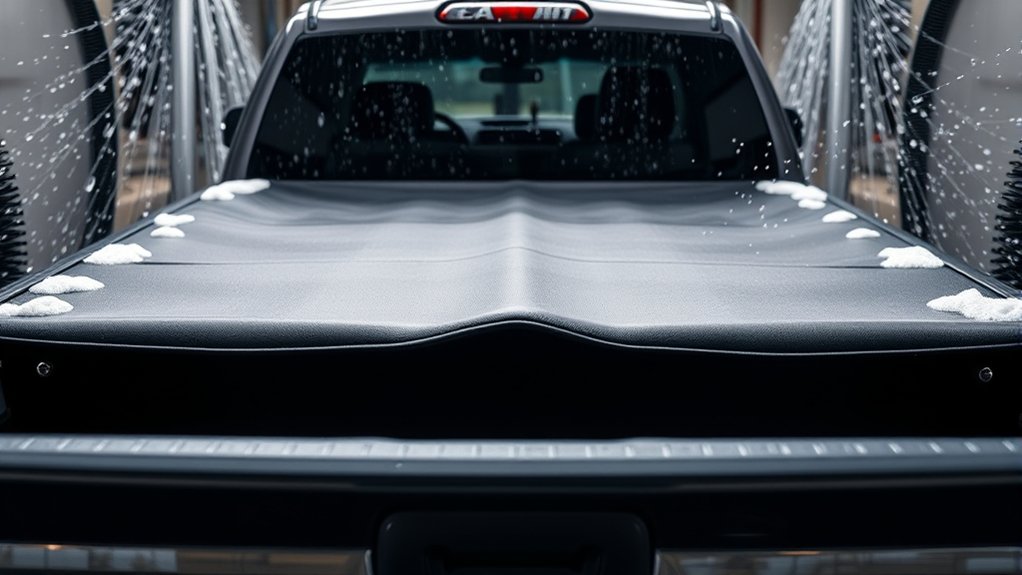
When considering whether it’s safe to run your soft tonneau cover through a carwash, you should know that most automated carwashes can pose a risk to the cover’s integrity. The brushes and cloth strips often operate at varying speeds and pressures, which might lead to abrasion or even tearing.
While some carwashes use low velocity cleaning mechanisms to minimize damage, many still rely on methods akin to paint sanding, which can degrade the surface of your cover over time. You risk wear that compromises waterproofing and aesthetics.
If you choose to use a carwash, inspect the cover afterward for any signs of fraying or loosening. Ultimately, understanding the type of carwash and its impact on soft materials helps you protect your investment effectively.
Which Soft Tonneau Covers Handle Carwashes Best?
You’ll want to focus on soft tonneau covers made from durable materials like heavy-duty vinyl or marine-grade fabric, which stand up better to the brushes and water pressure of carwashes.
Look for covers with strong water resistance features, such as sealed seams and waterproof coatings, to prevent damage or leaks. Knowing these key qualities helps you choose a cover that can handle regular carwash trips without wearing down quickly.
Material Durability Comparison
How well your soft tonneau cover withstands a carwash largely depends on the material it’s made from. Durability testing reveals that covers made from heavy-duty vinyl or marine-grade fabric tend to handle the repeated pressure and brushes better.
These materials offer excellent material flex, allowing them to bend without cracking or tearing under the mechanical stress of carwash brushes. On the other hand, covers with thinner, less flexible materials often show wear sooner, especially around edges and seams.
When choosing a cover, look for those tested specifically for durability and material flex, as they’ll maintain their integrity through multiple carwash cycles. By selecting a robust material, you ensure your cover stays secure and functional, saving you time and replacement costs in the long run.
Water Resistance Features
Why does water resistance matter for soft tonneau covers in carwashes? When you take your truck through a carwash, water pressure and soap can affect your cover. A soft tonneau with strong water resistance prevents water from seeping through, protecting your cargo and the bed from moisture damage.
When choosing a soft tonneau, pay attention to materials like marine-grade vinyl or heavy-duty canvas with waterproof coatings. These materials repel water effectively, reducing the risk of leaks during automated washes.
Also, consider covers with tight seals and secure fasteners, as they help keep water out. Being mindful of these wash considerations ensures your soft tonneau cover holds up well, maintaining its functionality and appearance even after repeated carwash sessions.
How Carwash Brushes and Jets Can Damage Soft Covers
What risks do carwash brushes and jets pose to your soft tonneau cover? The rotating brushes in automatic carwashes can be abrasive, causing scratches or tears in the soft cover’s fabric. These brushes may catch on loose edges or seams, leading to fraying or even detachment.
High-pressure water jets, while effective for cleaning, can force water underneath the cover if it’s not tightly sealed, potentially resulting in moisture buildup or mildew. Additionally, powerful jets might damage stitching or weaken adhesive bonds over time.
Considering these carwash risks, it’s clear that soft covers require careful handling. To protect your investment, you should avoid automatic carwashes with harsh brushes or strong jets, opting instead for gentle hand washing or touchless carwash options tailored to soft tonneau covers.
How to Spot Carwash Damage on Your Soft Tonneau Cover
After understanding the potential harm carwash brushes and jets can cause, you’ll want to regularly inspect your soft tonneau cover for signs of damage. Catching issues early can prevent irreversible damage and avoid voiding your warranty. Look closely for:
- Scratches or tears: These usually appear where brushes rub aggressively, compromising the material’s integrity.
- Fading or discoloration: High-pressure water and harsh chemicals may strip the cover’s finish, signaling wear.
- Loose or damaged fasteners: Jets can loosen clamps or snaps, affecting the cover’s fit and security.
If you notice any of these signs, address them promptly. Ignoring damage may lead to costly repairs and a voided warranty, so regular checks are essential to keep your cover in top shape.
How to Prepare Your Soft Tonneau Cover Before a Carwash
Before heading into a carwash, you should take specific steps to protect your soft tonneau cover from damage. Understanding carwash psychology helps you anticipate areas where the cover may snag or wear.
Maintaining cover aesthetics means ensuring it stays taut and clean before washing.
Here’s a quick checklist to prepare:
| Step | Action | Reason |
|---|---|---|
| Inspect | Check for tears or loose areas | Prevent worsening damage |
| Clean | Remove dirt and debris | Avoid abrasive rubbing |
| Secure | Fasten all snaps and straps | Keep cover tight and stable |
| Fold Back (Optional) | Partially fold if possible | Reduce surface exposure |
| Dry | Wipe damp spots | Prevent mold and mildew |
Following these steps protects your cover and preserves its appearance through the wash cycle.
Alternatives to Automatic Carwashes for Cleaning Your Soft Cover
If you want to avoid the risks of automatic carwashes, hand washing your soft tonneau cover is a reliable option that lets you control the pressure and cleaning agents.
Using a pressure washer on a low setting can also remove dirt effectively without damaging the material. Both methods help maintain your cover’s condition while ensuring a thorough clean.
Hand Washing Techniques
How can you effectively clean your soft tonneau cover without risking damage from an automatic carwash? Hand washing is your safest bet. It lets you control the pressure and cleaning agents, protecting the fabric and seams.
Start by rinsing the cover with water to remove loose dirt. Use a soft brush or sponge with mild soap, gently scrubbing in circular motions. Avoid harsh chemicals or abrasive tools that can degrade the material.
Once clean, apply these drying techniques to prevent mildew and water spots:
- Pat dry with a microfiber towel to absorb excess moisture
- Allow the cover to air dry fully with the tailgate open
- Avoid direct sunlight during drying to protect the fabric’s finish
Following these steps ensures your soft tonneau cover stays clean and durable without the risks of automatic carwashes.
Using Pressure Washers
While hand washing offers precise control to protect your soft tonneau cover, using a pressure washer can be an effective alternative when done correctly. Pressure washers provide a powerful, efficient way to remove dirt and grime without the abrasiveness of automatic carwashes.
When using pressure washers, keep the nozzle at least 12 inches away to avoid damaging the fabric or stitching. Opt for a wide spray pattern and moderate pressure settings to ensure gentle cleaning. Avoid focused, high-pressure streams, which can cause tears or delamination.
Two word discussion ideas to guide your approach include “distance control” and “pressure adjustment.” By carefully managing these factors, you can clean your soft cover effectively while preserving its integrity, making pressure washers a practical alternative for routine maintenance.
How to Maintain and Protect Your Soft Tonneau Cover Long-Term
Why should you invest time in maintaining your soft tonneau cover? Proper care extends its lifespan and keeps it looking sharp despite exposure to sun, rain, and dirt. Older research shows that regular upkeep prevents premature wear, while novel materials in newer covers still benefit from consistent maintenance.
To protect your cover long-term, focus on these essentials:
- Clean it gently with mild soap and water, avoiding harsh chemicals that can damage fabrics.
- Use a UV protectant spray to shield against sun damage and fading.
- Inspect and tighten fasteners regularly to maintain a secure fit and prevent sagging.
When to Replace Your Soft Tonneau Cover After Carwash Wear
When should you consider replacing your soft tonneau cover after repeated carwash exposure? Despite common carwash myths suggesting soft covers can’t withstand automated washes, many are designed with solid cover durability.
However, frequent contact with harsh brushes and chemicals can cause fading, tears, or weakened stitching over time. You should replace your cover if you notice significant fabric damage, persistent water pooling, or if it no longer seals tightly. Ignoring these signs risks further wear and potential cargo damage.
Regularly inspect your cover after washes, and don’t assume all wear is normal. Understanding the limits of your cover’s durability helps you avoid costly repairs and ensures your truck bed stays protected. Replacing it at the right time keeps your vehicle looking sharp and secure.
Frequently Asked Questions
Can I Use Cleaning Products on My Soft Tonneau Cover?
You can use gentle cleaning products on your soft cover, but always check for cleaning product safety first. Avoid harsh chemicals to protect soft cover maintenance, ensuring it stays durable and looks great over time without damage.
How Do Soft Tonneau Covers Affect Truck Bed Security?
Like a knight’s shield, a soft tonneau cover improves your truck bed security by deterring casual thieves and protecting cargo from weather. However, it won’t stop determined intruders since it’s easier to cut than hard covers.
Are Soft Tonneau Covers Compatible With Bed Liners?
Yes, soft tonneau covers are compatible with most bed liners. You’ll want to guarantee the bed liner is properly installed and smooth to prevent damage or interference when attaching the soft tonneau cover for a secure, snug fit.
What Are the Benefits of a Soft Tonneau Cover?
You’ll enjoy soft cover durability that resists weather and wear, plus easy tonneau installation tips make setup quick.
This cover also improves fuel efficiency and protects your truck bed, offering practical, long-lasting benefits.
How Do Weather Conditions Impact Soft Tonneau Covers?
You’ll find weather durability varies; prolonged moisture exposure can cause mold or wear on your soft tonneau cover. Regular cleaning and waterproof treatments help maintain its condition, ensuring it withstands rain, sun, and humidity effectively.
Conclusion
You can cautiously clean your soft tonneau cover, but carwash brushes and jets often cause costly cracks and compromised coverage. Choosing covers crafted for carwash care helps, yet careful preparation and constant checkups prevent premature problems.
Prioritize preservation by practicing proper protection and preferred hand-washing. Remember, regular maintenance minimizes mishaps and maximizes your cover’s lifespan.
Stay smart, stay safe, and safeguard your soft tonneau cover’s strength for smoother, stress-free drives ahead. When considering a cleaning method, always keep in mind whether you can take a soft tonneau cover through a carwash to avoid damage and ensure longevity.