How to Clean Oil Filter
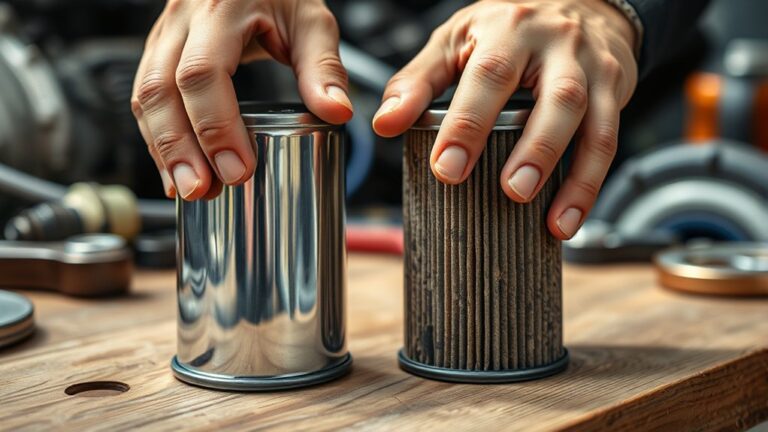
When you notice reduced engine performance after a long drive, it could be due to a clogged oil filter. Cleaning oil filter properly requires the right tools and a careful approach to avoid causing damage. Understanding the exact steps to safely remove debris and inspect the filter is essential for maintaining engine health.
Before you start, consider how to identify whether cleaning is enough or if replacement is necessary. This will help ensure your engine runs smoothly and efficiently. Taking the time to clean or replace the oil filter as needed can prevent more serious engine problems down the road.
Key Takeaways
- Wear protective gloves and goggles, ensure the engine is cool, and work in a well-ventilated area before cleaning the oil filter.
- Use an oil filter wrench to remove the filter, then drain residual oil into a drain pan to avoid spills.
- Soak the oil filter in a solvent container and scrub with a stiff-bristle brush to remove contaminants and debris.
- Rinse and dry the filter thoroughly, then inspect for damage, clogging, or tears before reinstalling.
- Lightly lubricate the gasket with fresh oil and replace the filter if damaged, saturated, or beyond its service interval.
Why Cleaning Your Oil Filter Matters
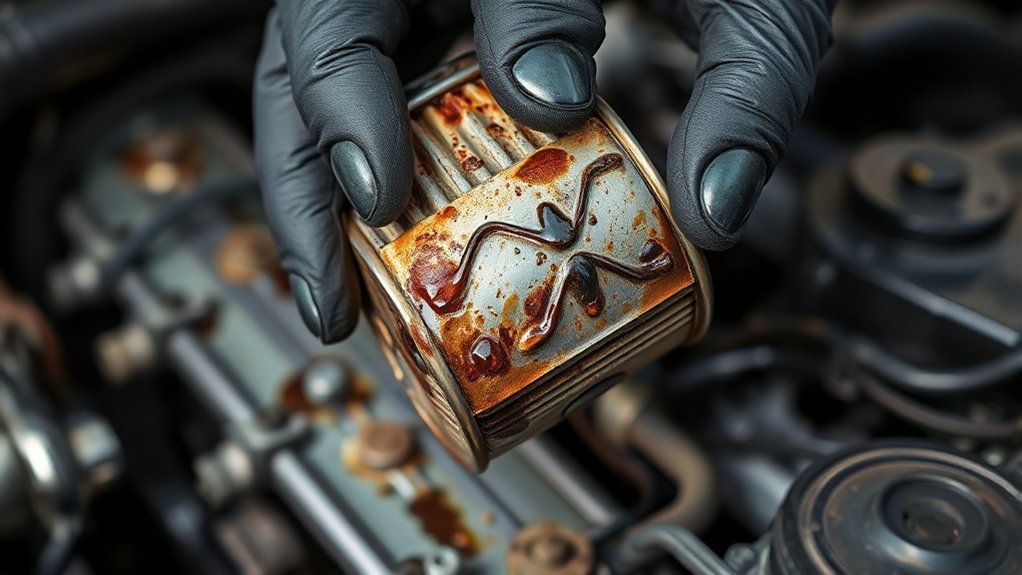
Why should you prioritize cleaning your oil filter regularly? Maintaining a clean oil filter is essential for peak engine performance and longevity. You’ll prevent contaminants from circulating, which can cause wear and reduce efficiency.
Following proper cleaning ethics ensures you dispose of used oil and filters responsibly, minimizing environmental impact. Neglecting this task leads to blocked filters, increased engine strain, and potential breakdowns.
To clean effectively, you must use appropriate tools and solvents that don’t harm filter integrity or the environment. Regular maintenance reduces waste, supports sustainable practices, and protects your engine’s function.
Signs Your Oil Filter Needs Cleaning
How can you tell when your oil filter requires cleaning? Recognizing the signs oil filter needs attention prevents engine damage. Common symptoms filter clog include a drop in engine performance and unusual engine noises.
You may notice oil pressure warning lights illuminating on your dashboard, indicating restricted oil flow. Additionally, a clogged filter often causes rough idling or increased exhaust smoke due to inefficient oil filtration.
Checking oil consistency also helps; gritty or dirty oil signals the filter isn’t functioning properly. If you experience these signs oil filter issues, inspect the filter immediately.
Addressing symptoms filter clog early ensures optimal engine lubrication and prolongs engine life. Don’t wait for severe damage. Regularly monitor your vehicle for these indicators.
Tools You’ll Need to Clean an Oil Filter
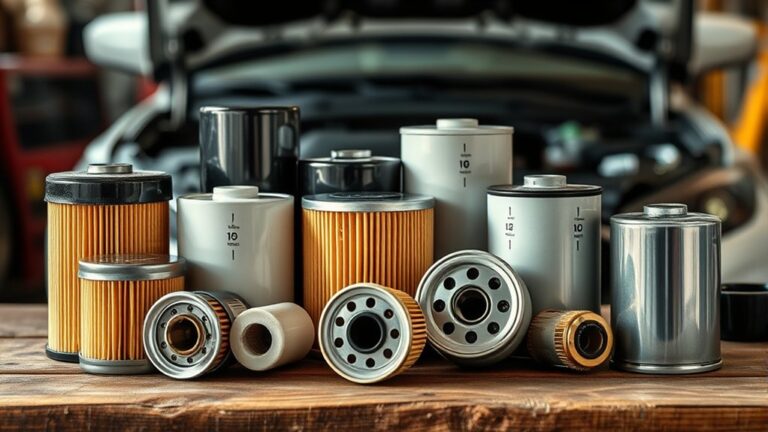
Once you’ve identified signs that your oil filter needs cleaning, gathering the right tools is the next step to guarantee an efficient process. Ensuring tool compatibility with your specific filter model is crucial to avoid damage and debunk common oil filtration myths. You’ll need:
- Oil filter wrench: select one compatible with your filter’s size and type.
- Drain pan: to catch residual oil safely.
- Cleaning brush: a stiff-bristled brush designed for removing debris without harming filter media.
- Solvent container: to soak and dissolve contaminants effectively.
Using incorrect tools can compromise filter integrity and performance. Avoid believing that all tools work universally; matching tool specifications to your filter ensures precise cleaning and prolongs filter lifespan.
How to Clean Your Oil Filter Safely: Step-by-Step
Before you start, make sure you wear gloves and eye protection to prevent contact with oil and debris. Gather all necessary cleaning materials, including a suitable solvent, brushes, and clean rags.
Follow the step-by-step process carefully to ensure the oil filter is cleaned thoroughly and safely.
Necessary Safety Precautions
Why should you prioritize safety when cleaning your oil filter? Safe handling and contamination prevention are critical to avoid injury and maintain engine integrity. Follow these necessary safety precautions:
- Wear protective gloves and goggles to shield your skin and eyes from used oil and debris.
- Ensure the engine is cool to prevent burns from hot oil or components.
- Work in a well-ventilated area to avoid inhaling harmful fumes from oil residues.
- Use proper tools to avoid slips and damage, minimizing the risk of spills and contamination.
Required Cleaning Materials
Following the safety measures guarantees you handle the oil filter without risk, allowing you to focus on gathering the right materials. Having the proper cleaning materials is essential to efficiently and safely clean your oil filter while adhering to safety precautions.
Use specialized cleaning solvents and tools to ensure thorough contamination removal.
| Cleaning Material | Purpose |
|---|---|
| Oil filter cleaner | Dissolves oil residues |
| Soft brush | Removes debris without damage |
| Protective gloves | Prevents skin contact with oil |
| Disposable rags | Wipes excess oil and solvent |
Ensure all materials are compatible with the filter type. Using appropriate cleaning materials reduces risk of damage and exposure to harmful substances.
Prepare your workspace with adequate ventilation to complement your safety precautions.
Step-by-Step Cleaning Process
How exactly do you clean your oil filter to assure it’s both effective and safe? Follow this step-by-step process to guarantee proper care and maintenance while adhering to safe filter disposal protocols.
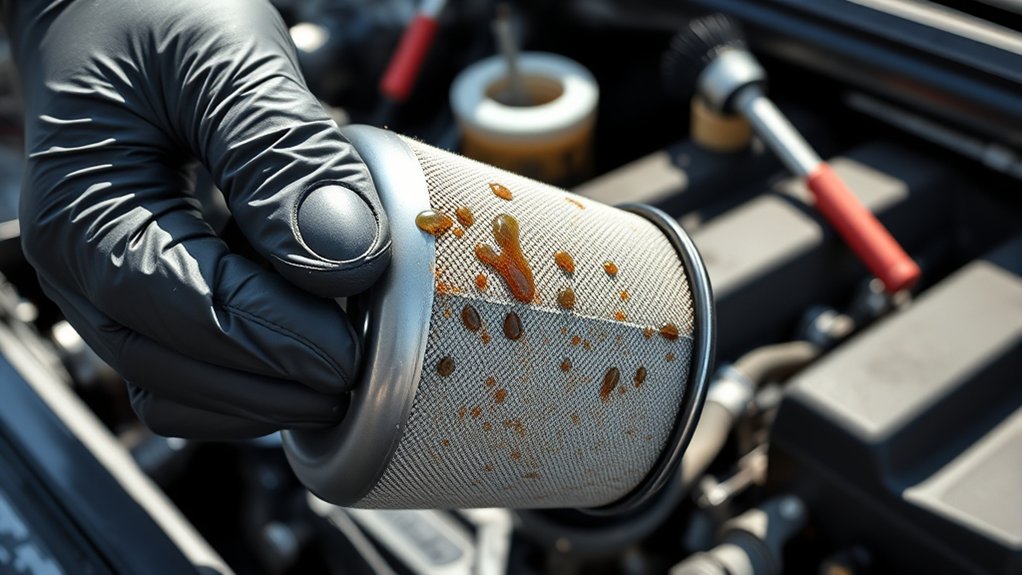
- Drain Residual Oil: Place the filter over a drip pan and allow all oil to drain completely, preventing contamination.
- Apply Cleaning Solvent: Use a degreasing solvent designed for oil filters; soak and agitate to remove trapped debris.
- Rinse and Dry: Thoroughly rinse with clean water and let the filter air dry, ensuring no moisture remains.
- Inspect and Dispose: Examine for damage; if reusable, reinstall carefully. If not, follow local regulations for proper filter disposal.
This method maximizes filter longevity and environmental safety through meticulous care and maintenance.
Inspecting and Maintaining Your Oil Filter After Cleaning
When should you inspect your oil filter after cleaning? Perform the first inspection immediately after the cleaning process to verify no debris remains and the filter media is intact. Then, establish a regular inspecting timing based on your vehicle’s usage, typically every 3,000 to 5,000 miles or as recommended by the manufacturer.
During inspection, check for tears, clogging, or deformation that could compromise filtering efficiency. Use a magnifying glass or light source to detect micro-damage. Maintain the filter by ensuring seals and gaskets are undamaged and properly seated.
Lubricate the gasket lightly with fresh oil before reinstalling. Proper inspecting timing and maintenance prevent oil contamination and ensure consistent filtering efficiency, protecting your engine’s longevity and performance.
When to Replace Instead of Cleaning Your Oil Filter
Why should you replace your oil filter instead of cleaning it? Cleaning can’t restore every filter to optimal performance. You should replace your oil filter when:
Replacing your oil filter ensures optimal performance when cleaning cannot restore its effectiveness.
- The filter media is physically damaged or torn.
- The filter has exceeded its manufacturer-specified service interval.
- Contaminants have saturated the filter beyond cleaning’s capacity.
- The filter housing shows corrosion or deformation.
Ignoring these criteria leads to reduced filtration efficiency and engine wear. Avoid off topic ideas or unrelated discussions about cleaning methods here; focus strictly on replacement triggers.
Replacing ensures consistent oil flow and contaminant removal, protecting your engine. Remember, cleaning suits only certain reusable filters. Most require replacement for reliable operation.
Stick to these guidelines to maintain engine health effectively.
Frequently Asked Questions
Can I Clean an Oil Filter With Household Cleaners?
You shouldn’t use household cleaners for cleaning oil filters because they lack the proper cleaning solvents needed to dissolve oil and contaminants effectively.
Instead, rely on specialized solvents designed specifically for oil filter maintenance.
How Often Should I Change My Oil Filter?
Don’t beat around the bush. Replace your oil filter every 3,000 to 5,000 miles or as your vehicle’s manual recommends. Proper filter maintenance frequency guarantees engine efficiency and prevents contamination buildup during oil changes.
Does Cleaning an Oil Filter Improve Engine Performance?
Cleaning an oil filter can temporarily improve filtration efficiency, but it’s not as effective as replacing it.
You should prioritize engine maintenance by regularly changing your oil filter to ensure optimal engine performance and longevity.
Are Reusable Oil Filters Better Than Disposable Ones?
You’ll find reusable filters better due to their lower environmental impact and cost-efficiency. They allow thorough cleaning and prolonged use, reducing waste compared to disposable filters.
Disposable filters require frequent replacement and generate more environmental burden.
Can a Clogged Oil Filter Cause Engine Damage?
Yes, a clogged filter risks restricting oil flow, causing inadequate lubrication. You’ll face increased engine wear and potential severe engine damage if you don’t replace or clean the oil filter promptly to maintain proper engine function.
Conclusion
Cleaning your oil filter means protecting your engine, improving performance, and extending its lifespan. You’ll drain residual oil, apply solvent, and rinse carefully. You’ll inspect for damage, lubricate the gasket, and decide whether to clean or replace.
You’ll handle used oil responsibly, follow safety guidelines, and maintain your vehicle’s health. By following these steps, you ensure efficiency, prevent wear, and keep your engine running smoothly and reliably.
In conclusion, proper cleaning of your oil filter is essential for maintaining engine health and performance. Regular attention to your oil filter helps protect your engine and prolong its life.